


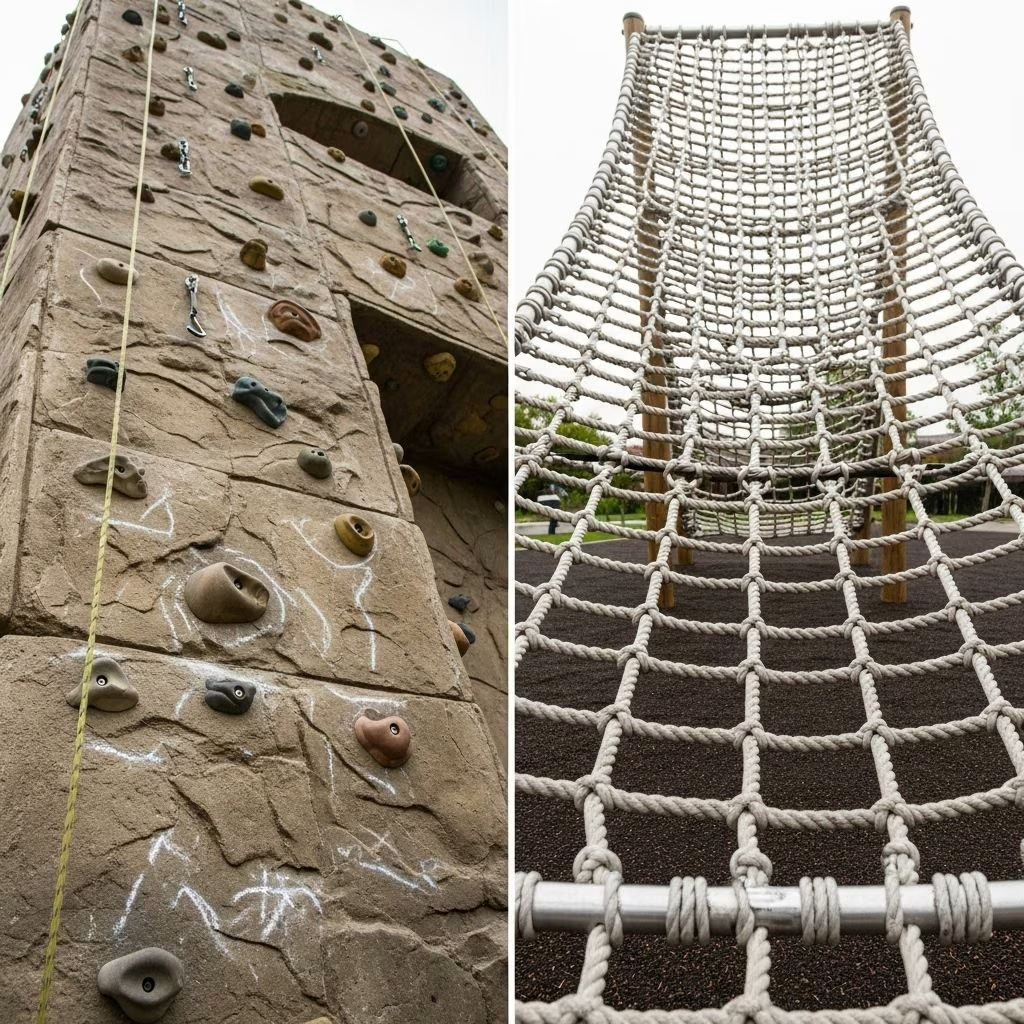
When designing the perfect backyard playset, parents face numerous decisions about features that will provide the most value for their children. Among the most popular climbing additions are rock walls and cargo nets, both offering unique developmental benefits and challenges. Understanding the distinct advantages of each option helps families make informed choices that align with their children’s ages, abilities, and developmental needs.
Climbing features transform ordinary swing sets into comprehensive play systems that promote physical fitness, cognitive development, and confidence building. Both rock walls and cargo nets serve as excellent tools for active play, yet they differ significantly in their approach to climbing, the skills they develop, and the experiences they provide. This comprehensive analysis examines both options to help you determine which climbing feature delivers the greatest play value for your family.
Understanding Play Value in Climbing Features
Play value refers to the developmental benefits, engagement level, and longevity of use that playground equipment provides. High play value equipment keeps children interested over extended periods while supporting their physical, cognitive, and social development. When evaluating climbing features like rock walls and cargo nets, several factors contribute to overall play value including physical challenge, skill progression opportunities, safety considerations, and adaptability to different age groups.
Climbing activities inherently offer tremendous developmental benefits. They help children build body awareness and spatial understanding while strengthening muscles throughout their entire body. As children plan their climbing routes and navigate obstacles, they improve problem-solving skills and develop strategic thinking abilities. Both rock walls and cargo nets provide these foundational benefits, but they engage children in distinctly different ways that appeal to various developmental stages and personal preferences.
Rock Walls: Structured Climbing Challenges
Rock walls for swing sets provide a structured climbing experience with predetermined grip placements that create specific routes and difficulty levels. These climbing surfaces typically feature colorful plastic holds mounted on wooden or composite panels, offering secure handholds and footholds that guide children upward.
Physical Development Benefits
Rock walls excel at developing upper body strength, particularly in the arms, shoulders, and core muscles. Children must engage their entire body to pull themselves upward, creating an excellent full-body workout. The vertical or near-vertical orientation of most playset rock walls challenges children to support their body weight while reaching for the next hold, building muscular endurance and grip strength.
The climbing motion required by rock walls promotes coordination between upper and lower body movements. Children learn to position their feet strategically while reaching with their hands, developing cross-body coordination that benefits overall motor skill development. This type of climbing also enhances balance as children shift their weight from one hold to another while maintaining stability on the wall.
Cognitive and Problem-Solving Skills
Rock walls present clear problem-solving challenges as children determine the most efficient route from bottom to top. They must plan several moves ahead, evaluating which holds provide the best grip and positioning for their next movement. This strategic thinking develops planning skills and spatial reasoning as children visualize their climbing path before executing it.
The color-coded nature of many playset rock walls adds an additional cognitive element. Children can create games based on using only certain colored holds or following specific patterns, introducing creative play elements alongside physical challenges. This combination of physical and mental engagement contributes significantly to the overall play value.
Age Appropriateness and Skill Progression
Rock walls typically work best for children aged four to twelve years, though this range varies based on wall difficulty and grip spacing. Younger children or beginners benefit from walls with closely spaced holds that provide easier climbing routes, while older children appreciate more challenging configurations with greater spacing between grips.
The structured nature of rock walls allows for clear skill progression. Parents can adjust difficulty by changing grip positions or by creating specific climbing routes that gradually increase in challenge. This adaptability helps maintain interest as children grow and develop stronger climbing abilities, extending the play value over many years.
Safety Considerations
Rock walls require secure mounting to playset frames using heavy-duty hardware. The fixed holds provide predictable grip points that children can trust, reducing the likelihood of unexpected slips. However, the vertical orientation means falls typically result in straight drops, making proper ground surfacing beneath the wall essential. Soft landing materials like mulch, rubber mats, or safety surfacing help cushion potential falls.
The structured climbing path of rock walls can actually enhance safety for younger or less confident climbers. The predetermined holds create an obvious route that children can follow, reducing uncertainty about where to place hands and feet. This clear guidance helps prevent risky improvised movements that might occur with less structured climbing options.
Cargo Nets: Dynamic Climbing Experiences
Cargo nets offer a fundamentally different climbing experience characterized by flexibility, multiple route options, and dynamic movement. These rope or nylon mesh structures allow children to climb at various angles and positions, providing less structure but more freedom in how they navigate upward.
Physical Development Benefits
Cargo nets provide exceptional full-body workouts that engage muscles throughout the arms, legs, core, and back. The flexible nature of the netting requires children to constantly adjust their balance and grip, activating stabilizer muscles that might not be as thoroughly engaged on rigid rock walls. This dynamic stability training contributes to better overall body control and balance.
The multiple climbing angles possible on cargo nets allow children to vary their approach, sometimes climbing straight up and other times traversing diagonally or horizontally. This variety ensures different muscle groups receive emphasis during different climbing sessions, promoting balanced physical development. The constant shifting and adjusting required by the flexible netting also enhances proprioception, helping children develop better awareness of their body position in space.
Versatility and Creative Play
Cargo nets shine in their versatility and the creative play opportunities they provide. Unlike rock walls with fixed routes, cargo nets allow children to choose their own paths, climb at different angles, or even hang and swing from the netting. This freedom encourages exploratory play and allows children to set their own challenges based on their comfort level and imagination.
Multiple children can use cargo nets simultaneously more easily than rock walls, promoting social interaction and cooperative play. Children might race each other up different sections, play imaginative games involving the net as a ship’s rigging or fortress wall, or challenge each other to climb using only certain sections of the net. This social dimension adds considerable play value beyond the pure physical challenge.
Age Appropriateness and Accessibility
Cargo nets typically accommodate a wider age range than rock walls, with children as young as three years old able to engage with nets that have smaller mesh sizes and gentler angles. The flexibility of the netting provides a somewhat forgiving climbing surface that moves with the child, potentially feeling less intimidating to younger or more cautious climbers.
Older children and even teenagers often enjoy cargo nets because they can create increasingly difficult challenges for themselves, such as climbing using only certain positions or racing against time. The open-ended nature of cargo net climbing maintains engagement across broader age ranges, potentially offering longer-term play value as children grow.
Safety Considerations
Cargo nets require secure mounting at multiple points to ensure proper tension and stability. The flexible nature of the netting means children typically don’t fall as far or as hard as they might from a rigid rock wall, as the net can catch them during a slip. However, children should still always face the wall when climbing, and there should be clear rules about not putting heads past designated heights to prevent falls from excessive heights.
The mesh size of cargo nets affects safety, with smaller meshes providing more stability for younger children while larger meshes add challenge for older, more skilled climbers. Weight capacity also requires consideration, particularly when multiple children use the net simultaneously. Regular inspections for wear, fraying, or loose connections help maintain safe conditions.
Comparative Analysis: Rock Wall vs Cargo Net
| Feature | Rock Wall | Cargo Net |
|---|---|---|
| Primary Age Range | 4-12 years | 3-15+ years |
| Physical Challenge | Upper body and grip strength focused | Full-body engagement with balance emphasis |
| Skill Progression | Clear, structured advancement | Open-ended, self-directed progression |
| Multiple Users | Limited, typically one climber | Easily accommodates multiple children |
| Installation Complexity | Moderate, requires secure panel mounting | Moderate to complex, needs multiple anchor points |
| Maintenance Needs | Check holds and mounting hardware | Inspect for fraying, wear, and tension |
| Weather Resistance | Excellent with proper materials | Good, but ropes may require more maintenance |
| Creative Play Options | Limited to climbing variations | Extensive imaginative play possibilities |
| Space Requirements | Compact, vertical installation | Can be angled or vertical, flexible placement |
| Cost Range | Moderate to high | Low to moderate |
Developmental Considerations by Age Group
Preschool Children (Ages 3-5)
For younger children, cargo nets generally offer more accessible entry points into climbing activities. The flexible nature feels less intimidating, and the multiple hand and foothold options allow preschoolers to find positions that work for their smaller size. Rock walls designed for this age group require very closely spaced holds and gentler angles to be appropriate.
At this developmental stage, children benefit from open-ended play experiences that allow exploration without rigid structures. Cargo nets support this exploratory approach while still providing physical challenges appropriate for developing muscles and coordination. The social aspects of cargo nets also align well with preschoolers’ emerging cooperative play skills.
Elementary School Children (Ages 6-10)
Elementary-aged children can fully engage with both rock walls and cargo nets, making this age range ideal for either option. Rock walls provide clear challenge structures that appeal to children developing goal-oriented thinking and problem-solving skills. The visible progress of reaching the top offers satisfying achievement markers.
Cargo nets continue to provide value through their versatility and social play opportunities. Children in this age group often enjoy creating games and challenges with peers, and cargo nets facilitate this type of interactive play. The physical demands of both options match well with elementary-aged children’s growing strength and coordination.
Preteens and Teens (Ages 11+)
Older children may find standard playset rock walls less challenging unless they’re designed with advanced difficulty levels. Cargo nets often maintain interest longer for this age group because children can create increasingly difficult challenges, such as speed climbing, one-handed climbing, or climbing specific patterns.
For families planning long-term use of their playset through teenage years, cargo nets may offer better sustained play value. However, rock walls with adjustable holds or steeper angles can also remain engaging if designed with future growth in mind.
Space and Design Considerations
Available Space
Rock walls typically require less horizontal space than cargo nets, making them ideal for compact backyards. Their vertical orientation maximizes climbing height within a smaller footprint. Cargo nets can be installed vertically but often benefit from angled mounting that requires more ground space but provides a slightly easier climb.
When space allows, combining both features creates the ultimate climbing playground. Space-saving combo units that integrate rock wall panels with cargo net sections provide diverse climbing experiences within a single footprint, offering the benefits of both features.
Integration with Existing Playsets
Both rock walls and cargo nets can be added to existing swing sets, though installation requirements differ. Rock walls need solid mounting surfaces, typically the side of a play deck or tower. Cargo nets require secure anchor points at top and bottom, which may necessitate additional support structures.
The visual aesthetics also matter to many families. Rock walls with colorful holds create vibrant, eye-catching features that can enhance playset appearance. Cargo nets offer a more utilitarian look that some families prefer for a classic playground aesthetic. Material choices affect both appearance and maintenance requirements.
Cost and Value Considerations
Initial Investment
Rock walls generally require higher initial investment due to the cost of panels, holds, and mounting hardware. Quality rock walls for playsets range from several hundred to over a thousand dollars depending on size and features. Installation costs add to the total if professional setup is required.
Cargo nets typically cost less, with prices varying based on size, mesh configuration, and material quality. Basic cargo nets start at lower price points than rock walls, making them more accessible for budget-conscious families. However, premium cargo nets with weather-resistant materials and professional installation can approach rock wall pricing.
Long-Term Value
Long-term play value depends on multiple factors including age range accommodation, durability, and maintenance requirements. Cargo nets that accommodate broader age ranges may provide better value for families with multiple children or those planning extended use. Rock walls offer excellent value when children fall within the ideal age range and difficulty level.
Maintenance costs factor into long-term value calculations. Rock walls require periodic checking of holds and mounting hardware but generally need minimal ongoing maintenance. Cargo nets need regular inspection for wear and fraying, with rope or netting replacement eventually necessary after years of use and weather exposure.
Safety Best Practices for Both Options
Regardless of which climbing feature you choose, implementing comprehensive safety measures ensures children can play confidently and safely. Proper ground surfacing remains the single most important safety consideration for any climbing structure. Install adequate depth of impact-absorbing materials such as engineered wood fiber, rubber mulch, or safety mats beneath and around climbing areas. The fall zone should extend beyond the structure’s footprint according to equipment height guidelines.
Establish clear usage rules appropriate for each climbing type. Rock wall rules should emphasize one climber at a time, proper climbing technique facing the wall, and controlled descent rather than jumping. Cargo net rules should include always facing the wall, limitations on climbing height, restrictions on jumping or swinging from the net, and guidelines for multiple users.
Regular inspections catch potential problems before they become safety hazards. Check rock wall holds monthly for tightness, examining mounting hardware for any loosening or damage. Inspect cargo nets for fraying ropes, worn sections, or compromised anchor points. Address any issues immediately, restricting use until repairs are completed.
Supervision requirements vary by age and skill level. Younger children and those new to climbing need direct supervision until they demonstrate understanding of safety rules and proper technique. Even older, experienced climbers benefit from periodic adult oversight to ensure safe play practices continue.
Making Your Decision: Key Questions to Consider
Choosing between a rock wall and cargo net requires evaluating your specific family situation, children’s preferences, and practical constraints. Consider these essential questions during your decision-making process.
What are your children’s current ages and abilities? Match the climbing feature to where your children are developmentally right now. While considering future use is important, immediate engagement matters most for play value. If your children are currently in the prime age range for rock walls (ages 4-10), they may get more immediate benefit from that option. Families with very young children or wider age ranges may find cargo nets more universally accessible.
How much space do you have available? Measure your available area carefully, considering not just the climbing structure itself but also the required fall zones and clearance around the equipment. Smaller yards may necessitate the compact vertical installation of rock walls, while larger spaces can accommodate angled cargo nets or even both features.
What is your budget for this addition? Determine your total budget including installation costs if you’re not handling setup yourself. If budget constraints are significant, cargo nets may offer better entry-level options, though you shouldn’t compromise on quality and safety features to save money.
Do your children prefer structured or open-ended play? Some children thrive with clear goals and defined challenges, making rock walls ideal. Others prefer creative, exploratory play that cargo nets facilitate. Observe your children’s play patterns on existing equipment to gauge which style resonates more strongly with them.
How important is multi-child use? Families with multiple children or those who frequently host playdates may prioritize equipment that accommodates several users simultaneously. Cargo nets excel in this area, promoting social interaction and cooperative play.
What are your maintenance preferences? Consider your willingness and ability to perform regular maintenance. Rock walls generally require less frequent maintenance but need secure initial installation. Cargo nets need more regular inspection and eventually require replacement, but offer simpler initial setup.
The Combination Approach: Best of Both Worlds
For families unable to choose between rock walls and cargo nets, combination units offer compelling solutions. These integrated systems feature rock wall panels on one section with cargo net climbing on another, providing diverse challenges within a single structure. Combination approaches maximize play value by catering to different preferences, abilities, and moods.
Space-saving combo units make efficient use of limited backyard space while delivering varied climbing experiences. Children can choose their preferred climbing method each session or challenge themselves to master both styles. This variety helps maintain long-term interest and engagement as children can alternate between climbing types as their interests shift.
From a developmental perspective, combination systems provide the broadest range of physical and cognitive challenges. Children develop the upper body strength and problem-solving skills emphasized by rock walls alongside the dynamic balance and creative play opportunities of cargo nets. This comprehensive approach supports well-rounded physical development and offers something for every child in multi-child families.
Installation and Professional Considerations
Whether choosing rock walls, cargo nets, or combination systems, proper installation is crucial for safety and longevity. Many families opt for professional installation to ensure structural integrity and compliance with safety standards. Professional installers bring expertise in weight distribution, appropriate mounting techniques, and knowledge of local regulations or guidelines for backyard play equipment.
If undertaking DIY installation, follow manufacturer instructions meticulously and don’t take shortcuts with hardware or mounting techniques. Use appropriate tools and ensure all connections exceed minimum strength requirements. When installing cargo nets, achieving proper tension is critical for both safety and functionality. Too loose, and the net won’t provide adequate support; too tight, and you risk damaging anchor points or the net itself.
For rock walls, verify that mounting surfaces can support the combined weight of the panel and climbers. Distribute mounting points across the structure to prevent stress concentration. Space holds appropriately for your children’s current abilities, with options to adjust spacing as they grow. Ensure all holds are tightened to manufacturer specifications and establish a schedule for regular tightening checks.
Frequently Asked Questions
Q: At what age can children safely start using rock walls and cargo nets?
A: Children as young as three years old can begin using cargo nets with appropriate mesh sizes and supervision, while rock walls typically work best for children aged four and older. Always match equipment difficulty to individual child abilities rather than relying solely on age guidelines, and provide close supervision for younger or less experienced climbers.
Q: Can rock walls and cargo nets be added to any existing swing set?
A: Most swing sets can accommodate rock walls or cargo nets with appropriate modifications, though installation requirements vary by playset design. Rock walls need solid mounting surfaces like play deck sides, while cargo nets require secure anchor points at multiple locations. Consult with manufacturers or professional installers to assess your specific swing set’s compatibility.
Q: How much maintenance do rock walls and cargo nets require?
A: Rock walls need monthly checks of hold tightness and mounting hardware integrity, with occasional hold replacement if grips become damaged or worn. Cargo nets require regular inspection for fraying, wear at anchor points, and overall structural integrity. Both need periodic cleaning and should be examined after severe weather events. Plan for eventual rope or netting replacement on cargo nets after several years of heavy use.
Q: Which option provides better exercise value for children?
A: Both options provide excellent exercise, though they emphasize different physical skills. Rock walls focus more intensely on upper body and grip strength with strategic problem-solving, while cargo nets provide superior full-body workouts with emphasis on dynamic balance and core stability. For comprehensive fitness benefits, combination systems or alternating between both types offer the most well-rounded physical development.
Q: Are combo units with both rock walls and cargo nets worth the extra cost?
A: Combination units typically offer excellent value for families seeking maximum play variety within space and budget constraints. They provide diverse climbing experiences that maintain interest longer, accommodate different age ranges and skill levels simultaneously, and support broader physical development. If budget allows and space permits, combo units deliver enhanced play value that often justifies the additional investment.
Q: What ground surfacing works best beneath climbing features?
A: Engineered wood fiber, rubber mulch, or specialized safety mats provide the best impact absorption beneath climbing structures. Install surfacing to appropriate depths based on equipment height, ensuring coverage extends beyond the climbing structure’s footprint to create adequate fall zones. Avoid hard surfaces like concrete, packed dirt, or grass, which don’t provide sufficient impact protection.
Conclusion: Choosing Your Ideal Climbing Feature
Both rock walls and cargo nets deliver substantial play value for backyard swing sets, each offering unique benefits that support children’s physical, cognitive, and social development. Rock walls provide structured climbing challenges with clear skill progression, making them ideal for goal-oriented children who enjoy problem-solving and measurable achievement. Their compact footprint suits smaller spaces, and they offer excellent upper body strength development.
Cargo nets shine in versatility, accessibility across broader age ranges, and facilitation of social, creative play. Their dynamic nature provides comprehensive full-body workouts while the flexible climbing surface feels less intimidating to cautious climbers. The ability to accommodate multiple users simultaneously makes cargo nets excellent choices for families with several children or frequent playdates.
Your ideal choice depends on your children’s ages, abilities, and preferences, along with practical considerations like available space, budget, and maintenance willingness. Families struggling to choose should consider combination units that provide the benefits of both climbing types, maximizing play value and supporting diverse developmental needs.
Whichever option you select, prioritize proper installation, establish clear safety rules, and maintain equipment regularly. With the right climbing feature properly integrated into your backyard playset, you’ll create an engaging outdoor environment that promotes active play, builds confidence, and provides countless hours of developmental fun for years to come.
References
- https://kingswingsets.com/product/cargo-net-rock-climbing-wall-combo-for-swing-sets-and-playhouses/
- https://www.thepespecialist.com/climbing/
- https://gorillaplaysets.com/blogs/the-playground/types-of-kids-climbing-walls-activities
- https://www.starswingsets.com/blog/playset-planning/the-best-swing-set-access-options-ladders-ramps-rock-walls-more
- https://www.treehousesupplies.com/blogs/treehouse-supplies/scaling-new-heights-a-guide-to-climbing-and-cargo-netting
- https://forums.welltrainedmind.com/topic/136403-outdoor-play-equipment-swing-set/


