


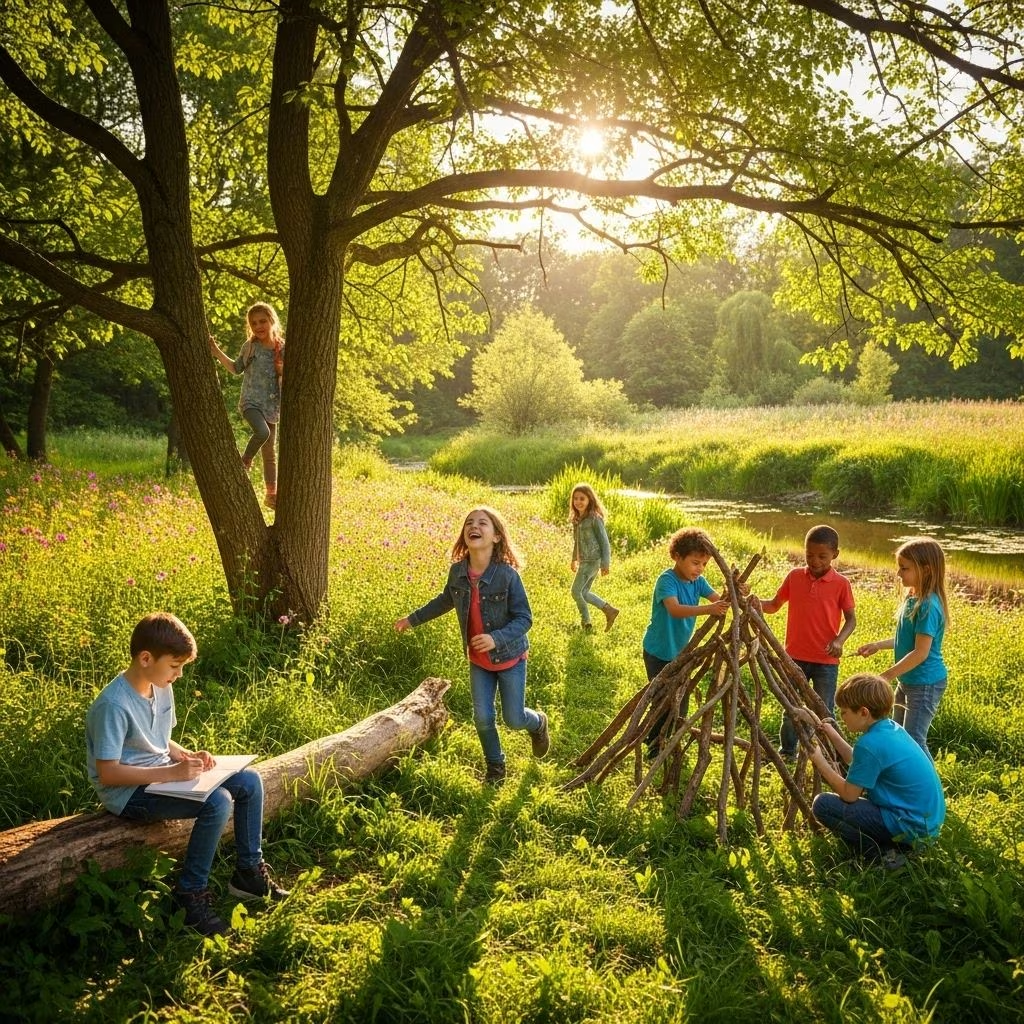
As concerns about children’s mental health continue to grow, research has highlighted the crucial role that green spaces play in supporting their well-being. Exposure to nature has been shown to reduce stress, improve mood, and decrease the risk of mental disorders in both children and adults. This article explores the benefits of green spaces for kids’ mental health and the optimum time they should spend in nature to maximize these benefits.
The Importance of Green Spaces
Green spaces, such as parks, gardens, and forests, offer numerous benefits for mental health. They provide a serene environment that can help reduce stress and promote relaxation, which is essential for children’s developing minds. Studies have found that children living in areas with more green spaces have fewer symptoms of anxiety and depression and are less likely to develop psychiatric disorders as they grow older.
Benefits of Green Spaces for Children:
- Stress Reduction: Green spaces help children manage stress by providing a calming environment that encourages relaxation and reduces anxiety levels.
- Improved Mood: Exposure to nature has been linked to improved mood and reduced symptoms of depression in children.
- Cognitive Development: Playing in green spaces can enhance cognitive skills, such as attention and memory, by providing opportunities for social interaction and physical activity.
- Reduced Risk of Mental Disorders: Long-term exposure to green spaces has been associated with a lower risk of developing mental disorders during adolescence and adulthood.
Optimum Time in Green Space
While the exact optimum time for children to spend in green spaces is not universally agreed upon, studies suggest that regular exposure is crucial. Even short periods of time in nature can be beneficial, and integrating these experiences into daily routines can enhance mental health outcomes.
Recommendations for Parents and Educators:
- Encourage Outdoor Play: Regular outdoor activities, such as walking, playing, or simply spending time in gardens or parks, can be beneficial for children’s mental health.
- Integrate Nature into Lesson Plans: Educators can incorporate nature-based learning activities to promote engagement and mental well-being in the classroom.
- Support Urban Planning Initiatives: Advocating for more green spaces in urban planning can help ensure that children have access to nature, even in densely populated areas.
Ages and Exposure: What Matters Most
Research indicates that early childhood is a critical period for exposure to green spaces. Children aged 2 to 5 years benefit significantly from living in areas with high green space density, as this exposure is linked to fewer internalizing symptoms such as anxiety and depression.
Age-Specific Considerations:
- Infants and Toddlers: While direct benefits are less studied, exposure to nature can aid in stress regulation and cognitive development from an early age.
- Preschool and School-Age Children: Regular outdoor activities in green spaces can improve mood and reduce symptoms of anxiety and depression.
- Adolescents: Continuing exposure to green spaces can help mitigate the risk of mental health issues as children transition into adolescence.
Types of Green Spaces and Their Impact
Not all green spaces are created equal, and different types can offer varying benefits. For example, access to public parks provides opportunities for social interaction and physical activity, while residential green spaces offer a constant, accessible environment for relaxation.
Diverse Benefits of Green Space Types:
- Public Parks: These areas encourage social activities, sports, and community engagement, which are important for mental health.
- Residential Green Spaces: Home gardens and nearby green areas provide a peaceful environment that can reduce stress and improve mood.
- Rural vs. Urban Green Spaces: While urban green spaces are crucial, rural areas offer expansive natural environments that can enhance mental well-being.
Frequently Asked Questions (FAQs)
Q: How much time should children spend in green spaces daily?
A: While specific daily times are not universally recommended, incorporating regular outdoor activities into daily routines can be beneficial for mental health.
Q: Are rural green spaces more beneficial than urban ones?
A: Both rural and urban green spaces have their benefits, but access to green spaces in dense urban areas is crucial for mitigating mental health risks.
Q: Can green spaces help with ADHD symptoms in children?
A: Yes, exposure to green spaces has been linked to reduced symptoms of ADHD by providing opportunities for physical activity and stress reduction.
Conclusion
Green spaces play a vital role in supporting children’s mental health by providing a natural environment that can reduce stress, improve mood, and mitigate the risk of mental disorders. Encouraging children to spend time in nature, whether through outdoor play or educational activities, is essential for fostering healthy mental development and well-being.
References
- https://www.the74million.org/zero2eight/green-spaces-a-vital-key-to-young-childrens-mental-well-being/
- https://earthobservatory.nasa.gov/images/145305/green-space-is-good-for-mental-health
- https://fpg.unc.edu/projects/types-green-spaces-and-development-anxiety-depression-and-adhd-rural-low-income-communities
- https://www.nih.gov/news-events/nih-research-matters/green-space-may-improve-young-childrens-mental-health
- https://www.psychiatry.org/news-room/apa-blogs/connecting-children-with-nature-to-improve-mental
- https://www.apa.org/monitor/2020/04/nurtured-nature


