


Introduction
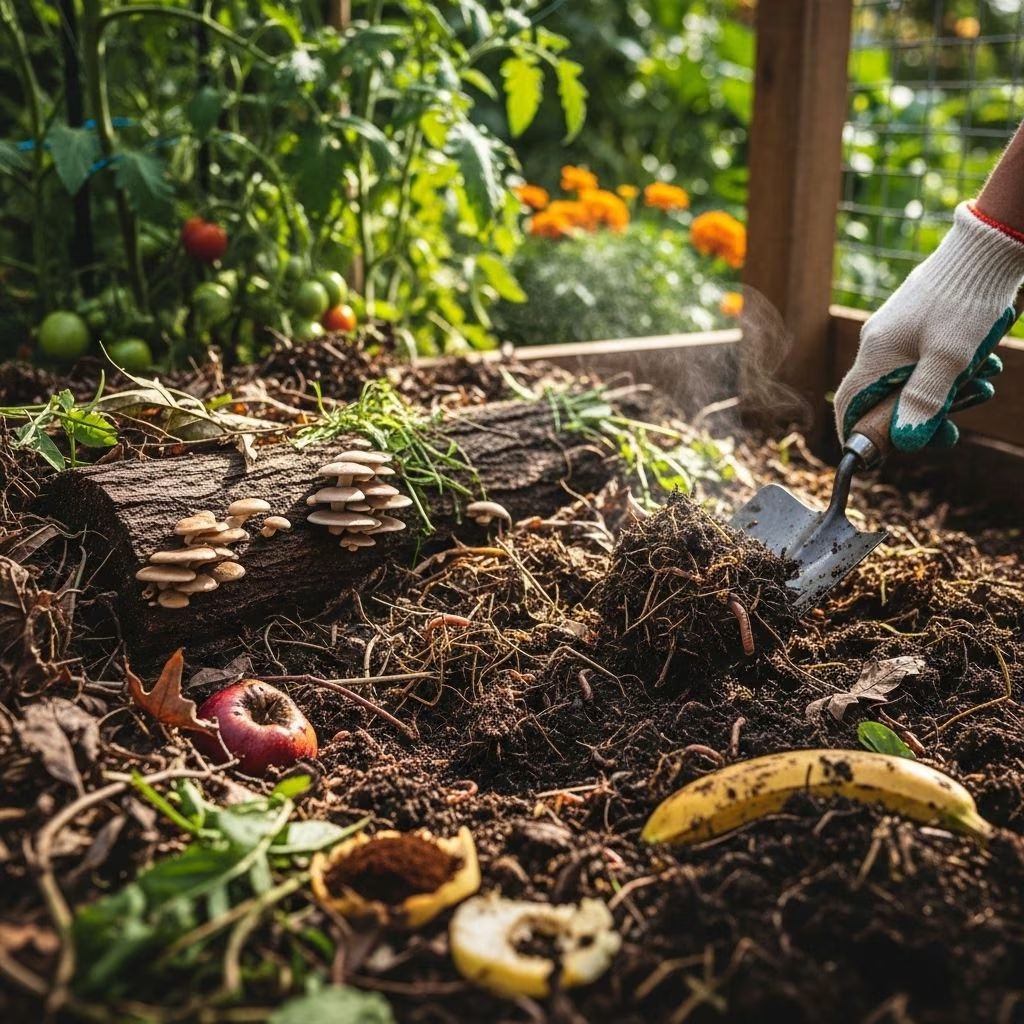
Decomposition and composting are natural processes at the heart of ecological sustainability. By breaking down organic material and transforming waste into nutrient-rich soil, they support thriving gardens, reduce landfill burden, and provide engaging outdoor learning opportunities. This guide explores various composting methods, the science behind decomposition, and richly detailed outdoor activities for all ages aimed at cultivating environmental awareness and hands-on skills.
Understanding Decomposition
Decomposition is the breakdown of organic matter by microorganisms, invertebrates, and environmental factors such as moisture, temperature, and oxygen. When plants, food scraps, or other biodegradable materials decay, they release nutrients back into the soil, supporting new plant growth.
- Microorganisms such as bacteria and fungi are primary drivers, digesting and transforming organic material.
- Detritivores—earthworms, insects, and other tiny creatures—further fragment the material and facilitate microbial access.
- The process is aerobic (with oxygen) when oxygen is abundant, leading to a rapid, low-odor breakdown. In the absence of oxygen, anaerobic conditions produce slower, smellier decomposition.
Observing and participating in decomposition outdoors can spark curiosity, reveal the interconnectedness of nature, and inform sustainable living habits.
The Science of Composting
Composting is a human-directed process of controlling decomposition to recycle organic waste into a stable, nutrient-rich soil amendment known as compost. Composting accelerates natural decay, reduces methane emissions from landfills, and delivers numerous gardening and environmental benefits.
- Composting maintains the right balance of “green” (nitrogen-rich) and “brown” (carbon-rich) materials to support a thriving microbial population .
- Proper management of moisture, air flow, and material size ensures efficient breakdown and minimizes odors or pests.
- Finished compost boosts soil fertility, improves water retention, and supports healthy plant growth.
Common Composting Methods
There are multiple ways to practice composting outdoors, each suited to different spaces, resources, and activity preferences. Here are the primary methods:
Open Air or Bay Composting
This traditional method involves piling up garden debris, kitchen scraps, and other organic matter in a designated area or bin. Periodic turning and layering maintain air flow and accelerate decomposition .
- Suitable for large or medium gardens and households generating ample green and brown waste.
- Allows participants to observe the transformation up close.
- Can be constructed with simple materials like wood, wire, or prefabricated bins.
Direct Composting (Trench or Pit)
Involves digging a hole or trench, filling it with organic waste, and covering it with soil. This method is simple, requires minimal infrastructure, and is less prone to attracting pests .
- Best for on-site recycling of kitchen scraps in garden beds or during new plantings.
- Compost is produced directly in the soil, nourishing roots and improving structure.
Compost Tumblers
Compost tumblers are enclosed barrels or drums that can be rotated, facilitating aeration and mixing while deterring pests .
- Efficient and tidy—ideal for smaller outdoor spaces or those seeking faster results.
- Less manual labor and fewer pest issues compared to open piles.
- Two-tumbler setups allow for continuous composting.
Worm Farm Composting (Vermicomposting)
Special containers house composting worms (like Eisenia fetida)—these worms eat organic matter and produce nutrient-rich castings used as a premium soil amendment.
- Best for vegetable scraps and moderate yard waste.
- Educational and engaging for children and groups.
- Can be practiced indoors or outdoors.
Heap Composting
Simply involves gathering organic materials into a heap and letting nature work over time. The process can be accelerated with “hot composting” methods such as the Berkeley method, achieving finished compost in just a few weeks .
- Good for beginners or passive composters—minimal equipment required.
- Best when composted material reaches at least three feet in all directions.
Sheet Mulching (Sheet Composting)
Organic matter is spread directly onto future planting areas in “lasagna-like” layers, improving soil while suppressing weeds .
- Great for establishing new garden beds without digging or tilling.
- Effective at weed control and moisture retention.
Commercial and Mechanical Composting
Advanced systems used by municipalities or commercial operations automate aeration and moisture, accepting larger or more varied waste streams .
- Not typically DIY, but may be available through local community programs.
| Method | Space Needed | Time to Compost | Easily DIY? |
|---|---|---|---|
| Open Air/Bay | Large to Medium | 3-12 months | Yes |
| Direct (Trench/Pit) | Small to Medium | 3-12 months | Yes |
| Tumbler | Small | 2-4 months | Requires Purchase |
| Worm Farm | Small | 2-4 months | Yes (with worm bin) |
| Heap | Medium | 6-12 months | Yes |
| Sheet Mulching | Varies | 3-12 months | Yes |
| Commercial/Mechanical | Large | 1-3 months | No |
Essential Elements for Effective Composting
Every successful compost system relies on balancing several core factors:
- Oxygen: Proper aeration sustains aerobic microbes and speeds decomposition. Turn piles with a fork every few weeks .
- Moisture: Compost should feel like a wrung-out sponge—too dry slows microbes, too wet can lead to odors and anaerobic activity.
- Carbon-Nitrogen Ratio: 2/3 “browns” (dead leaves, straw, cardboard) to 1/3 “greens” (grass, veggie scraps) is a common starting formula .
- Particle Size: Smaller pieces break down faster. Chop or shred large branches or items before composting.
- Diversity of Inputs: A range of plant materials makes finished compost richer and more microbially active .
- Beneficial Organisms: Bacteria, fungi, worms, insects, and sometimes soldier flies all contribute to the breakdown and nutrient cycling .
Start with a layer of twigs or sticks for drainage, then alternate layers of greens and browns, adding a touch of soil or finished compost between layers as an inoculant .
Outdoor Activities for Individuals and Groups
Whether you are working with children, families, community groups, or solo, engaging with decomposition introduces powerful lessons about cycles of nature, waste reduction, and self-sufficiency. Here are some activity ideas:
Build a Backyard Compost Pile
- Gather leaves, grass clippings, fruit and vegetable scraps, and cardboard.
- Construct a simple bay using pallets, chicken wire, or cinder blocks .
- Build the pile in alternating layers of greens and browns, adding moisture as needed.
- Turn the pile every couple of weeks and chart its temperature and appearance over time.
Decomposition Scavenger Hunt
- Search your yard, park, or woods for evidence of natural decomposition: rotting logs, leaf litter with fungal mycelium, insect activity, worm castings.
- Compare decomposition rates in sunny versus shady spots, or wet versus dry ground.
- Keep a journal of changes over several weeks.
Miniature Worm Farm Construction
- Use a large lidded container (with air/drainage holes).
- Add bedding (shredded newspaper, straw, or coconut coir), a little soil, and red wigglers.
- Feed with chopped vegetable scraps and keep moist in a shady spot.
- Monitor and harvest worm castings after a few months.
Sheet Mulching a Garden Bed
- Lay thick newspaper or cardboard to smother grass/weeds.
- Layer grass clippings, leaves, compost, and straw, watering each layer.
- After several months, plant directly into the rich, new soil.
“Lasagna” Compost Workshop
- Involve a group or class in building a compost pile with clear layers: browns, greens, soil/compost, repeat .
- Discuss the role each ingredient plays and predict which materials will break down first.
Observation and Experimentation Activities
- Test how different variables affect decomposition: moisture, oxygen (sealed vs. open containers), or sunlight exposure.
- Compost item comparison: Place food items (banana peels, bread, leaves) in mesh bags buried in soil and check progress weekly.
Integrating Composting with Gardening
Compost is not just a waste solution; it is a critical part of maintaining healthy soil for outdoor gardening and food production.
- Mix finished compost into planting beds to nourish seedlings and mature plants.
- Use as a mulch to suppress weeds and retain water.
- Compost teas can be brewed and applied as a natural fertilizer for vegetables and ornamentals.
- Sheet mulching transforms lawns into productive gardens with minimal effort.
Connecting composting and gardening creates a full-circle outdoor learning environment, closing the loop on food production and waste.
Troubleshooting and Compost Management
Outdoor composting can present some challenges, but most are easily managed with careful observation:
- Odors: A healthy compost pile should not stink. Odors often indicate too much moisture, excess greens, or lack of aeration. Add dry browns and turn the pile regularly .
- Pests: Keep meat, dairy, and greasy foods out of most backyard systems to avoid attracting animals. Use secured bins and bury food scraps when direct composting.
- Slow Decomposition: Chop materials smaller, turn the pile, and ensure a good mix of greens and browns for faster results.
- Dry or Soggy Piles: Adjust watering as needed; compost should be damp but not dripping.
Frequently Asked Questions (FAQs)
Q: What materials can I compost outdoors?
You can compost most food scraps (vegetable peels, coffee grounds, eggshells), yard waste (grass clippings, leaves, prunings), shredded paper, cardboard, and untreated wood chips. Avoid meats, dairy, oily foods, and diseased plants in basic systems.
Q: How long does it take for compost to be ready?
The time frame ranges from several weeks to a year, depending on the method, size, materials, and how often you turn or manage the pile .
Q: Can composting attract pests or rodents?
Improper compost piles (especially with added meat, dairy, or fats) may attract animals. Use secure bins, avoid these ingredients, and maintain a balance of browns to greens for best results.
Q: Does composting reduce greenhouse gas emissions?
Yes. Composting organic waste prevents it from producing methane—a potent greenhouse gas—in anaerobic landfill environments while cycling soil carbon productively.
Q: What’s the best composting method for small spaces?
Worm bins and small tumblers are convenient for patios, balconies, or small yards. Direct pit composting is also suitable for tiny gardens .
Conclusion
Outdoor decomposition and composting embody the cycles of life, science, and sustainability. With a range of creative methods and engaging activities, anyone—from urban dwellers to rural communities—can participate, learn, and benefit. Composting closes nutrient loops, reduces waste, improves soil, and fosters connections with the living world. Whether you’re an educator, gardener, student, or simply curious, these practices offer enduring rewards for individuals and the planet alike.
References
- https://directcompostsolutions.com/8-methods-composting/
- https://gardensthatmatter.com/infographic-best-compost-method/
- https://pacificcomposting.ca/blogs/layered-composting/layered-composting-a-simple-backyard-method-to-build-nutrient-and-microbe-rich-compost
- https://www.epa.gov/recycle/composting-home
- https://www.youtube.com/watch?v=eO4HdrIXnVU
- https://rodaleinstitute.org/blog/backyard-composting-basics-a-cheatsheet/
- https://earthmatter.org/wp-content/uploads/2016/08/outdoor-composting-guide-06339-f_0.pdf


