


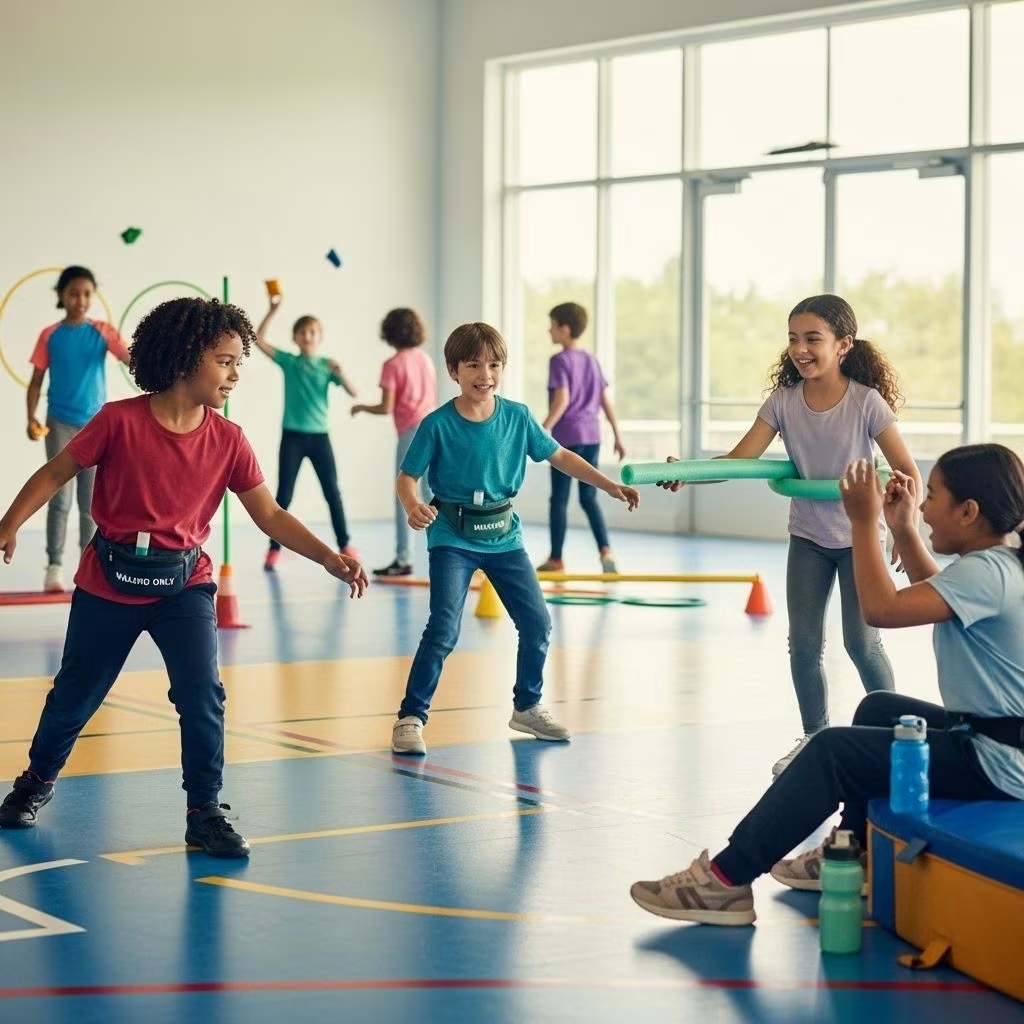
Tag games are timeless favorites in children’s play, fostering physical fitness, social skills, and joy. Yet, for children with asthma, these energetic games can present unique challenges. By intelligently adapting tag activities, caregivers and educators can create safe, inclusive, and empowering experiences that help children with asthma thrive physically and emotionally.
Understanding Asthma in Children
Asthma is a common chronic respiratory condition affecting millions of children worldwide. It is characterized by airway inflammation, leading to symptoms like wheezing, shortness of breath, chest tightness, and coughing. These symptoms can be triggered or worsened by exercise, allergens, cold air, or emotional excitement.
- Asthma severity and triggers vary greatly among individuals.
- Children may sometimes avoid group play or physical activity due to fear of asthma attacks or breathlessness, impacting their fitness and self-esteem.
A well-managed asthma plan, including proper use of medication and trigger awareness, allows most children to safely enjoy physical activity — including tag games.
The Importance of Inclusive Physical Play
Maintaining regular physical activity is crucial for all children, including those with asthma. Traditional tag games offer significant benefits but can unintentionally exclude children at risk. Adaptation ensures participation and promotes:
- Physical fitness: Cardiovascular and muscular strength, improved lung function
- Social skills: Cooperation, communication, and relationship building
- Emotional wellbeing: Confidence, self-efficacy, and reduced anxiety about symptoms
Inclusive adaptations enable children with asthma to reap these rewards safely and joyfully.
Physical Activity and Asthma: Myths and Realities
There is a persistent misconception that vigorous activity is unsafe for asthmatic children. Research demonstrates that:
- Physical activity, including games like tag, can benefit children with asthma by improving lung capacity, control, and quality of life when properly managed.
- Participation is safe for most, provided that triggers are avoided, medication is managed, and activities are appropriately paced.
- Understanding the difference between ‘normal exercise breathlessness’ and asthma symptoms is vital to foster healthy participation without fear or avoidance.
Educators and parents should encourage activity, countering unnecessary restrictions that may hinder health and joy.
Core Safety Principles for Tag Games
Safety and preparation are essential. Successful adaptations are anchored in these principles:
- Advance communication: All adult leaders should be aware of participants’ asthma needs and action plans.
- Emergency readiness: Quick access to rescue inhalers and knowledge of emergency protocols.
- Trigger management: Minimize exposure to allergens (e.g., pollen, dust), cold air, or strenuous bursts that could induce symptoms.
- Pacing and breaks: Built-in rest opportunities and a non-competitive atmosphere reduce risk and anxiety.
- Hydration and warm-ups: Slow warm-ups and hydration help prepare the airways, reducing risk of exercise-induced symptoms.
Adapting Tag Games: Strategies & Examples
Many tag games can be thoughtfully adapted for children with asthma. The core goals are to maintain fun, foster engagement, and ensure no child feels left behind. Effective adaptation techniques include:
- Reduce intensity: Shorten play periods, slow the pace, or increase the number of taggers so individual running demands decrease.
- Use safe zones: Create areas where children can rest or catch their breath without feeling excluded. Safe zones can be limited in time to ensure fairness.
- Role rotation: Rotate active and passive roles, allowing children to participate in leadership or referee positions during recovery.
- Environmental adjustments: Play indoors if necessary to avoid allergens, cold, or excessively hot weather.
- Inclusive rule sets: Set game rules collaboratively, so children with asthma can voice their needs and preferences.
Key Example: In an asthma camp activity, children play tag while each wears a card representing a specific asthma trigger. The tagger must catch only those children displaying their matching trigger, integrating education and reducing frantic movement.
Tag Game Adaptation Table
| Traditional Rule | Adapted Approach | Benefit |
|---|---|---|
| No limits on running | Shorter runs, walking allowed, frequent rest breaks | Reduces risk of symptoms, allows full participation |
| Elimination on being tagged | No elimination; go to safe zone or switch roles | Keeps children engaged and active throughout |
| Large, open fields | Smaller, controlled areas; indoor options | Environmental triggers managed, safer setting |
| Single tagger chases all | Multiple taggers; slower pace; buddy tagging | Reduces running burden, fosters teamwork |
Educational and Therapeutic Variations
Combining movement with learning can empower children to manage asthma and recognize triggers. Several organizations have created tag-inspired games that also educate about asthma management:
- Trigger Tag: Children wear cards showing asthma triggers. The tagger must find and tag players with their matching trigger, followed by discussion of how to avoid triggers. This game educates while encouraging manageable activity.
- Asthma Awareness Relay: Players must accomplish gentle physical challenges representing asthma management steps or responding to an ‘asthma attack’ scenario, promoting problem solving and awareness.
- Breath Zone Tag: Safe zones based on colored markers represent green/yellow/red asthma control zones; players must move to their zone, encouraging self-assessment and communication about their physical state.
Games like TriggerHunter use digital or augmented reality to merge physical play with education on recognizing triggers at home or outdoors, boosting self-management confidence.
Creating a Supportive Environment
Successfully adapting tag games requires more than changing rules—it calls for a culture where children feel competent and supported. Essential features include:
- Inclusive leadership: Coaches and teachers set expectations that everyone participates according to their ability.
- Open communication: Foster comfort in expressing when to rest or use medication — children must feel safe to speak up if they are unwell.
- Peer support: Buddy systems or group awareness builds empathy, camaraderie, and reduces stigma.
- Positive reinforcement: Praise effort and self-management skills as much as performance.
Role of Caregivers and Instructors
Adults are vital in making physical activity accessible for children with asthma. Their responsibilities include:
- Understanding each child’s asthma triggers and medication plan.
- Ensuring quick access to inhalers and emergency contacts.
- Supervising activity pacing, enforcing rest breaks, and monitoring for symptoms.
- Educating all participants (not just those with asthma) about inclusivity, symptoms, and how to support peers during play.
Caregivers should collaborate with healthcare providers to tailor activity protocols as needed and advocate for children’s inclusion in all play opportunities.
Sample Adapted Tag Games and Activities
1. Trigger Tag
- Each child wears a card labeled with a common asthma trigger (e.g., pollen, smoke, exercise).
- One child is “it”—the “trigger tagger.” They can only tag players with the matching trigger.
- Tagged players share strategies for avoiding their trigger, then rejoin after a set rest.
- Frequent role switching and safe zones are included.
2. Color Zone Tag
- Before playing, children check their peak flow (if available) or rate their breathing comfort.
- Zones colored green (good breathing), yellow (caution), and red (stop) guide game participation intensity.
- Children in yellow or red zones act as ‘helpers’ or referees, not main runners.
3. Freeze Tag with Breathing Breaks
- When a child is tagged, they freeze and take several slow, deep breaths before rejoining.
- Frequent built-in pauses normalize rest and reinforce healthy breathing techniques.
4. Blanket Volleyball Tag
- Teams use blankets to volley a lightweight ball over a low net, reducing running and promoting teamwork.
- Tagging happens with the ball rather than by chase—improves inclusion for all fitness levels.
5. Breathing Games Integration
- Incorporate blowing activities or spirometry-based games as warm-ups or breaks, enhancing lung capacity and self-monitoring.
Benefits of Adapted Play for Kids with Asthma
- Improved fitness and cardiovascular health
- Better asthma control and reduced frequency of symptoms when activity is managed
- Increased self-efficacy in managing and communicating about their condition
- Positive social experiences, reduced isolation, and peer acceptance
- Enjoyment and equal participation in childhood play milestones
Frequently Asked Questions (FAQs)
Q: Is it safe for a child with asthma to play tag?
A: With proper management, awareness of triggers, and appropriate modifications, tag games are safe for most children with asthma and can improve their health and confidence.
Q: What signs should adults look for during play?
A: Watch for coughing, wheezing, visible breathlessness, chest tightness, stopping mid-play, or complaints of discomfort. Immediate rest and access to medication are crucial if symptoms appear.
Q: How can I help my child feel included if they worry about their asthma?
A: Discuss and rehearse their comfort strategies, ensure staff and peers are informed and supportive, and consider playing games where everyone’s needs are respected and rest is normalized.
Q: Are there games that teach children about their asthma?
A: Yes. Games like Trigger Tag, Asthma Relay, and digital options such as TriggerHunter engage children in identifying triggers and managing symptoms playfully while staying active.
Q: What environmental conditions should be avoided?
A: Outdoor games during high pollen, pollution, or extreme temperatures may increase risk. Indoor adaptations or rescheduling are recommended in these conditions.
Conclusion
By thoughtfully adapting tag games and other physical activities, caregivers, educators, and communities can ensure all children — including those with asthma — enjoy inclusive, active, and healthy lives. Every child deserves the chance to join the game, experience the joy of movement, and gain the tools to confidently manage their condition.
References
- https://dl.acm.org/doi/10.1145/1753846.1754021
- https://pmc.ncbi.nlm.nih.gov/articles/PMC4716232/
- https://www.swcpeh.org/_documents/pdf/fc_asthma_camp-triggers.pdf
- https://community.aafa.org/blog/9-ways-to-teach-children-about-asthma
- https://www.childrens.com/health-wellness/asthma-and-exercise-tips-for-managing-your-childs-asthma-during-physical-activity
- https://www.aaaai.org/conditions-treatments/just-for-kids
- https://pmc.ncbi.nlm.nih.gov/articles/PMC6888103/
- https://library.sheffieldchildrens.nhs.uk/respiratory-blowing-games/
- https://dl.acm.org/doi/abs/10.1145/3410404.3414223


