


Introduction
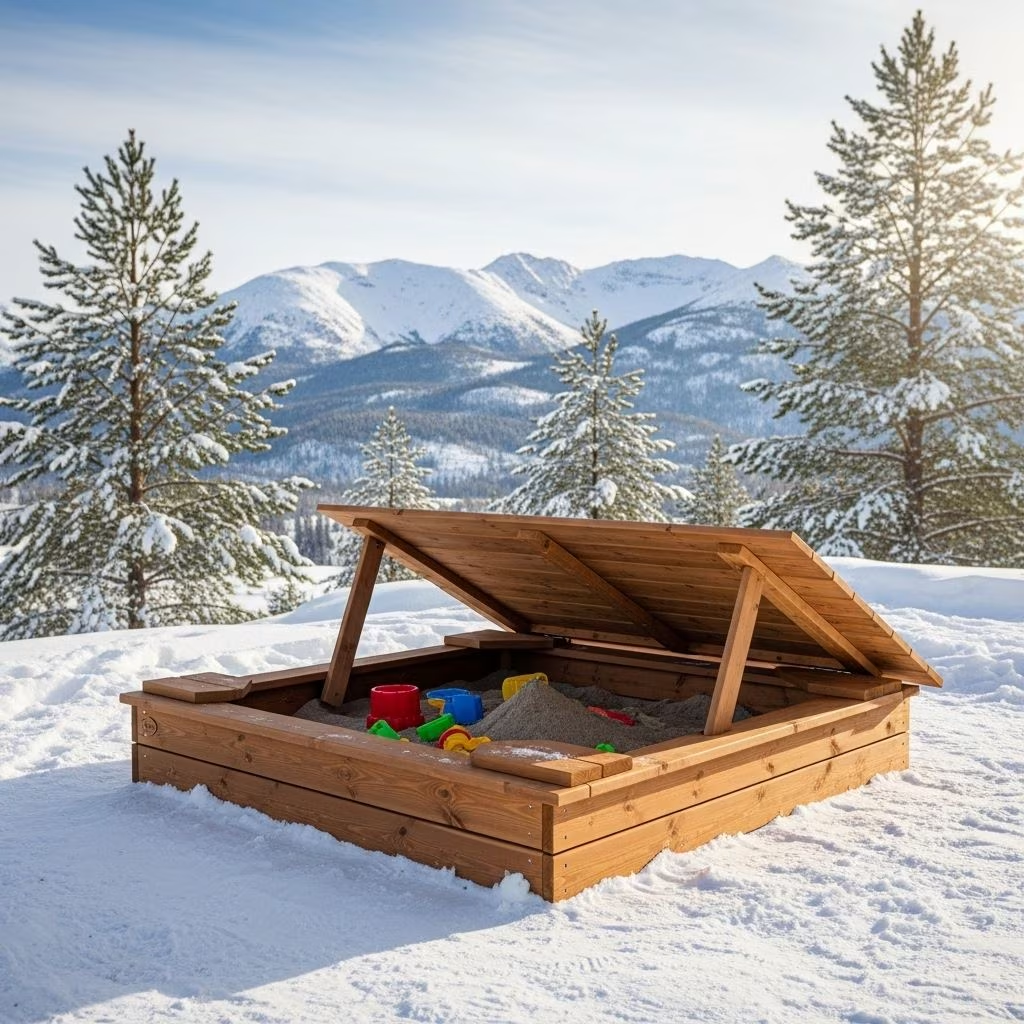
Sandboxes are a staple of childhood, offering endless opportunities for creative play, sensory development, and outdoor activity. However, in cold climates, sandboxes are often relegated to a seasonal pastime, covered up and abandoned when temperatures drop. What if sandboxes could be enjoyed year-round, even in the heart of winter? This article explores the technical, material, and creative approaches to adapting sandboxes for year-round use in cold climates, ensuring children can play outside regardless of the weather.
Challenges of Cold Climate Sandboxes
Creating a sandbox that remains usable through winter presents several challenges:
- Freezing and Thawing: Moisture in the sand can freeze solid, making play impossible until temperatures rise.
- Material Degradation: Wood, plastic, and metals can crack, warp, or corrode under repeated freeze-thaw cycles.
- Moisture Accumulation: Snow melt and rain can cause pooling, which leads to mold, mildew, and structural damage.
- Thermal Comfort: Cold sand can be uncomfortable or even unsafe for children to play with.
Overcoming these challenges requires thoughtful material selection, insulation, drainage, and ongoing maintenance.
Selecting Materials for Durability
Building materials play a critical role in the longevity and safety of a sandbox in cold climates. The best materials are those that can withstand temperature fluctuations, resist moisture, and remain structurally sound.
| Material | Cold Weather Suitability | Key Considerations |
|---|---|---|
| Concrete | High | Durable, easy to repair, can crack in extreme cold but is highly resistant to water and rot. |
| Wood (Treated) | Moderate to High | If treated with preservatives, resists rot and insects; can warp but remains a popular choice. |
| Fiber Cement | High | Resistant to moisture, rot, and insects; low-maintenance and long-lasting. |
| Stainless Steel/Aluminum | High | Corrosion-resistant, does not absorb water, but can be expensive. |
| Plastic | Low to Moderate | Lightweight and affordable but can become brittle in cold and warp over time. |
Insulation Techniques
Insulation is key to maintaining a sandbox that’s playable in cold weather. While most building literature focuses on insulating walls for houses, similar principles can be applied to sandboxes—especially on the base and sides.
- Base Insulation: Lining the bottom of the sandbox with rigid foam or a similar high-performance insulation board can prevent ground frost from creeping up and freezing the sand.
- Wall Insulation: For wooden or concrete walls, consider adding a layer of rigid foam or spray foam insulation before final cladding. Even a modest layer can reduce heat loss and help keep sand above freezing.
- Top Covers: Use insulated covers, such as those with a reflective or foam core, to retain ground heat and protect from snow and ice.
- Thermal Mass: Incorporate materials that slow heat transfer (such as sand or rock in the base) to stabilize temperatures.
Moisture Management and Drainage
Preventing water from pooling in and around the sandbox is critical to preventing freezing, mold, and structural damage.
- Drainage Holes: Drill small holes in the bottom of the sandbox or use a porous base material (e.g., gravel) to allow water to escape.
- Sloped Design: Build the sandbox with a slight slope to encourage water runoff.
- Waterproof Barriers: Use a breathable, waterproof membrane beneath the sandbox to prevent moisture from seeping up from the ground.
- Cover Usage: Always cover the sandbox during rain or snow, and remove excess water before it has a chance to freeze.
Safety Considerations
Adapting sandboxes for cold climates does not just mean making them physically durable—it also means prioritizing child safety.
- Sand Temperature: In extremely cold weather, sand can become too cold for bare hands. Consider lining play areas with soft, insulating mats or providing gloves for children.
- Material Safety: Avoid using chemically treated woods or materials that could leach toxins into the sand. Opt for food-safe, child-friendly materials.
- Structure Stability: Make sure the sandbox is securely anchored and that there are no exposed sharp edges, especially after freeze-thaw cycles.
- Visibility: In snowy climates, ensure the sandbox is visible from the house and does not become hidden under snow.
Creative Design Solutions
Beyond technical solutions, creative design can make a sandbox a year-round feature in your yard.
- Heated Sandboxes: For those willing to invest, embedded heating elements or solar panels can keep the sand at a comfortable temperature.
- Domed or Enclosed Sandboxes: Consider a sandbox with a clear dome or polycarbonate roof to allow sunlight in and protect from the elements.
- Multi-Level Insulation: Design the sandbox with movable inner layers—for example, a removable insulated base that can be taken out in warmer months.
- Integration with Landscaping: Bury the sandbox partially or use earth berms to leverage natural insulation from the ground.
Maintenance and Upkeep
Regular maintenance is crucial for a sandbox that stays inviting all year.
- Rake and Turn the Sand: Regularly turn the sand to prevent compaction and improve drainage.
- Check for Moisture: After storms or snowmelt, remove any standing water and allow sand to dry if possible.
- Inspect Structure: Inspect the sandbox for cracks, rot, or corrosion at the start and end of each season.
- Replace Sand Periodically: Over time, sand can become contaminated. Replace it as needed for hygiene and safety.
Real-Life Examples
While true sandboxes adapted for all-weather use are rare, inspiration can be drawn from cold climate construction. For instance, earthbag buildings in cold climates use insulated fill materials like rice hulls, perlite, vermiculite, or scoria—all of which are lightweight, non-toxic, and do not rot or attract pests. These materials could be adapted for sandbox insulation, especially in the base or around the perimeter.
Frequently Asked Questions (FAQs)
Q: Can a sandbox really be used in winter?
A: Yes, with proper insulation, drainage, and maintenance, a sandbox can remain functional and safe for play in cold climates—though snow and ice will still need to be cleared.
Q: Do I need to cover the sandbox in winter?
A: Absolutely. Using a weatherproof, insulated cover will prevent freezing and moisture damage, ensuring the sand stays dry and usable.
Q: What’s the best material for a cold-climate sandbox?
A: Treated wood, fiber cement, or concrete are among the most durable and low-maintenance options for the structure, while insulating the base with rigid foam can keep sand from freezing.
Q: How do I keep the sand from becoming too cold for children?
A: Heated or solar elements are high-tech solutions, but simple mats or gloves can make the sandbox more comfortable for little hands.
Q: Can I build an all-season sandbox myself?
A: Yes, though it will require some planning and possibly moderate DIY skills—especially for insulation and drainage features.
Conclusion
Adapting a sandbox for year-round use in cold climates is both a technical challenge and an opportunity for innovation. By selecting durable, moisture-resistant materials, incorporating insulation, managing drainage, and embracing creative design, parents and caregivers can provide children with a safe, inviting play space—regardless of the season. The benefits extend beyond play; a well-maintained, year-round sandbox can promote healthier, more active outdoor lifestyles even in the midst of winter.
References
- https://www.earthbagbuilding.com/articles/cold.htm
- https://www.aandhinsurance.com/best-building-materials-cold/
- https://cmsmaterialsolutions.com/blogs/news/how-climate-and-location-affect-material-choices-in-construction
- https://www.build-review.com/cold-weather-construction-materials-that-keep-buildings-warm-and-strong/
- https://www.danielle-moss.com/diy-sandbox/
- https://www.twenifor.com/blog/top-construction-materials-for-hot-and-cold-climates-a-comprehensive-overview
- https://www.thiscobhouse.com/can-build-cob-house-cold-climates-insulation-thermal-mass/


