


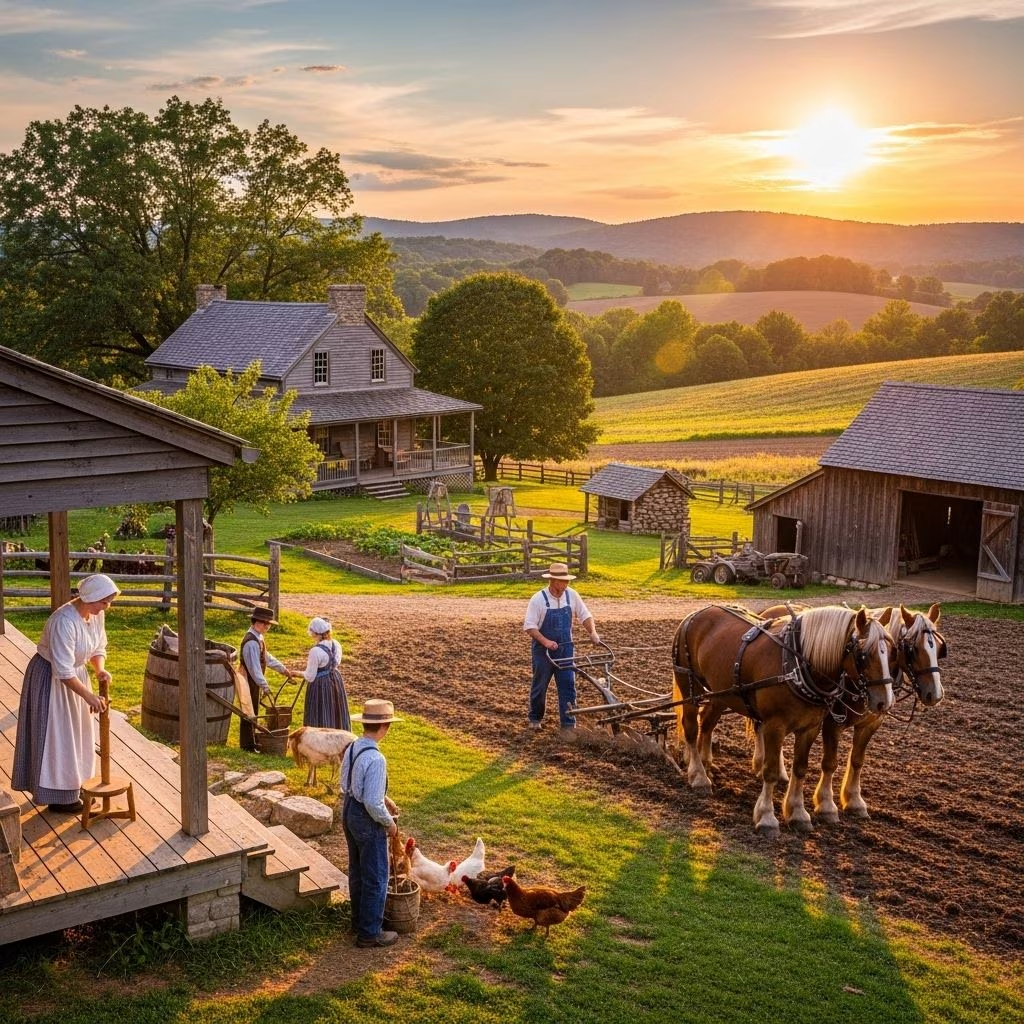
In the heart of Iowa’s sprawling landscapes lies a remarkable testament to America’s agricultural evolution. Living History Farms in Urbandale offers visitors an unprecedented opportunity to step back through three centuries of farming heritage, experiencing firsthand how generations of Midwesterners transformed virgin prairies into one of the world’s most productive agricultural regions. This isn’t your typical museum with artifacts behind glass—it’s a living, breathing journey through time where history comes alive through authentic demonstrations, period-accurate buildings, and knowledgeable interpreters dressed in era-appropriate clothing.
Spanning an impressive 500 acres, Living History Farms represents more than just a collection of historical buildings. It embodies a philosophy that history should be experienced rather than merely observed. Founded in 1970 by Dr. William G. Murray, an agricultural economist from Iowa State University, the museum was conceived with a revolutionary vision: to create a place where visitors could genuinely understand the lives, challenges, and triumphs of those who worked the land across different eras. This immersive approach to historical education has made Living History Farms one of Iowa’s premier cultural destinations, attracting families, students, and history enthusiasts from across the nation.
A Vision Brought to Life
The story of Living History Farms begins with Dr. Murray’s passionate belief that history museums should do more than display relics under protective glass. As a two-time gubernatorial candidate and respected academic, Dr. Murray understood that the agricultural transformation of the Midwest represented one of humanity’s most significant achievements. He envisioned a space where visitors could witness the grinding of corn using ancient techniques, smell the rich earth being turned by horse-drawn plows, and understand the intricate social dynamics of a 19th-century farming community. His dream materialized into what is now recognized as one of America’s finest living history museums, dedicated to preserving and interpreting Midwestern rural heritage.
The museum’s mission extends beyond simple entertainment. Living History Farms seeks to educate and connect people of all ages to the diverse stories of Midwestern rural heritage, cultivating an appreciation for the innovations, hardships, and perseverance that shaped modern agriculture. By maintaining authentic working farms from three distinct periods—1700, 1850, and 1900—the museum provides a comprehensive timeline of agricultural development, allowing visitors to comprehend the dramatic technological and social changes that occurred over two centuries.
The 300-Year Walk Through Time
The centerpiece of any visit to Living History Farms is what staff members affectionately call the “300 Year Walk”—a journey that transports visitors across three centuries of agricultural evolution. This self-guided tour begins with a tractor cart ride that carries guests from the visitor center to the starting point of their historical expedition. The ride itself sets the stage, passing under Interstate 35/80 and across open fields that once witnessed the very farming techniques visitors are about to experience.
The 1700 Ioway Farm
The journey begins at the 1700 Ioway Farm, where visitors encounter the indigenous agricultural practices that sustained Native American communities long before European settlement. This reconstruction demonstrates how the Ioway people cultivated crops using sophisticated techniques developed over generations. Bark-covered lodges dot the landscape, constructed using traditional methods that provided shelter through harsh Midwestern winters and sweltering summers. Historic interpreters, often found tending fires or preparing traditional foods like roasted corn, share insights into the Ioway worldview, their sustainable farming practices, and their deep spiritual connection to the land.
Visitors can examine animal skins, agricultural tools, and ceremonial objects that reveal the complexity of Ioway culture. The farm challenges common misconceptions about pre-European agriculture, demonstrating that Native Americans practiced sophisticated crop rotation, companion planting, and land management techniques that modern sustainable agriculture is only now beginning to appreciate. Children particularly enjoy touching the various furs and implements, gaining tactile understanding of how indigenous peoples utilized every part of the animals they hunted.
The 1850 Pioneer Farm
Continuing along the walking trail, visitors next encounter the 1850 Pioneer Farm, which represents the early European settlement period when hardy families ventured westward seeking land and opportunity. This farm vividly illustrates the backbreaking labor required to establish a homestead on the Iowa prairie. The log cabin, constructed using period-appropriate techniques, stands as testament to pioneer ingenuity and determination. Inside, visitors find simple furnishings, cooking implements, and personal items that reveal the austere lifestyle of frontier families.
Historic interpreters at the 1850 farm often engage in activities like churning butter, tending vegetable gardens, or maintaining livestock. They discuss the isolation pioneers faced, the importance of community cooperation during harvest season, and the constant struggle against weather, disease, and crop failure. The farm demonstrates early agricultural tools—hand plows, scythes, and simple wooden implements that required enormous physical effort to cultivate even small plots of land. Visitors gain profound appreciation for modern conveniences as they watch interpreters perform tasks that consumed entire days of labor in the pioneer era.
The 1900 Horse-Powered Farm
The final stop on the farm tour showcases the 1900 Horse-Powered Farm, representing the peak of animal-powered agriculture before gasoline tractors revolutionized farming. This era witnessed significant technological advancement while still maintaining the traditional farming rhythms that had existed for centuries. Large draft horses demonstrate the power that enabled farmers to cultivate larger acreages, and visitors can observe various horse-drawn implements that made agriculture more efficient and productive.
The farmhouse from this period reflects increased prosperity and comfort compared to earlier eras. Visitors notice improved construction techniques, more elaborate furnishings, and household conveniences like hand-pumped water systems and coal-burning stoves. Interpreters discuss the social changes occurring around 1900—rural electrification was beginning, mechanization was on the horizon, and farming was transitioning from subsistence to commercial production. This farm illustrates a pivotal moment when traditional agricultural practices met emerging industrial technologies, forever changing rural American life.
The 1876 Town of Walnut Hill
Beyond the farm sites, Living History Farms features the meticulously recreated 1876 Town of Walnut Hill, representing a typical small Midwestern farming community. This collection of over a dozen historic buildings brings to life the commercial and social hub that rural residents depended upon for goods, services, and community connection. Visitors can explore a functioning blacksmith shop where interpreters demonstrate metalworking techniques essential to maintaining farm equipment, a general store stocked with period-appropriate merchandise, a law office displaying legal documents and furniture from the era, and a printing press where visitors witness 19th-century newspaper production.
The town also includes a church, schoolhouse, veterinary office, and various craftsmen’s shops, each staffed by knowledgeable interpreters who demonstrate period skills and answer questions about daily life in a frontier town. The attention to architectural detail is remarkable—buildings feature authentic construction methods, period paint colors, and historically accurate landscaping. Walking the unpaved streets of Walnut Hill, visitors can almost hear the clip-clop of horses’ hooves and imagine the bustling activity of market day when farmers brought their produce to sell and residents gathered to exchange news and gossip.
Special demonstrations occur throughout the day in various town buildings. The printing press building often features hands-on activities where visitors can set type and operate a period press, taking home their own printed souvenir. The broom-making shop demonstrates traditional crafts that were essential household industries, and skilled interpreters explain the economic relationships between rural craftsmen and farming communities. These interactive elements transform what could be static displays into engaging educational experiences that resonate with visitors long after their visit ends.
Planning Your Visit
A visit to Living History Farms requires thoughtful planning to maximize the experience. The museum recommends allocating three to five hours to fully explore all farm sites and the town, though visitors with limited time can choose to focus on either the farms or the town. The complete experience begins at the modern Visitor Center, where friendly staff provide orientation, answer questions, and offer suggestions based on visitors’ interests and available time.
The museum operates seasonally, with general touring available from May through mid-October when weather permits outdoor activities and agricultural demonstrations are most engaging. However, Living History Farms hosts numerous special events throughout the year, including historical dinners, holiday celebrations, and educational programs that extend the experience beyond the traditional touring season. Summer camps offer children intensive multi-day experiences that deepen their understanding of historical life.
Admission prices reflect the museum’s extensive programming and maintenance requirements, with adult tickets providing access to all sites for the entire day. An exceptional feature allows visitors to apply their admission cost toward annual membership purchases, making this an attractive option for local families who plan multiple visits. Members enjoy free admission throughout the year, discounts on special events, and the satisfaction of supporting this important cultural institution.
Practical Considerations
Prospective visitors should prepare for significant outdoor walking on unpaved trails. The path connecting farm sites spans just under one mile, passing through open fields and wooded areas that provide authentic environmental context for each historical period. Comfortable walking shoes are essential, as is weather-appropriate clothing since most of the experience occurs outdoors. The museum provides tractor cart transportation to the beginning of the farm trail, but visitors walk between individual sites along sometimes uneven terrain.
For visitors with mobility concerns, Living History Farms offers an abbreviated route and accommodations upon request. Staff members can discuss accessibility options before your visit by calling 515-278-5286, ensuring that everyone can enjoy this remarkable historical experience. The museum has made significant efforts to balance historical authenticity with modern accessibility requirements, though the nature of outdoor, historically accurate sites presents some inherent challenges.
Families are welcome to bring their own food and beverages, with picnic areas available near the Visitor Center and throughout the town site. This flexibility allows families to pace their visit according to children’s energy levels and hunger schedules. Limited snacks are available in the MarketPlace Museum Store, which also offers a wide selection of historical books, reproduction items, and Iowa-made products that make excellent souvenirs or educational gifts.
Educational Impact and Cultural Significance
Living History Farms serves as a vital educational resource for schools throughout Iowa and neighboring states. Thousands of students visit annually as part of curriculum-aligned field trips that bring textbook history to life. The hands-on nature of the experience creates memorable learning moments that traditional classroom instruction cannot replicate. Students who grind corn with stone tools, attempt to carry water from a well, or experience the confined space of a pioneer cabin develop visceral understanding of historical life that shapes their appreciation of modern conveniences and technological progress.
The museum’s significance extends beyond education to cultural preservation. As family farms disappear and rural populations decline, institutions like Living History Farms become increasingly important repositories of agricultural knowledge and rural traditions. The skills demonstrated by interpreters—from blacksmithing to open-hearth cooking—represent generations of accumulated wisdom that might otherwise vanish. By maintaining working farms and training interpreters in traditional techniques, the museum ensures that this invaluable heritage remains accessible to future generations.
Living History Farms achieved international recognition when Pope John Paul II celebrated an ecumenical service and Mass at the site on October 4, 1979, before an audience of approximately 340,000 people. During his homily, the Pope eloquently spoke about the importance of farming, linking those who work the land with the sustenance of entire nations. He emphasized land conservation and the spiritual dimensions of agricultural stewardship, themes that remain central to the museum’s mission. This historic event elevated Living History Farms’ profile and affirmed its role as a significant cultural institution worthy of global attention.
Beyond the Visit
The Living History Farms experience extends beyond the physical visit through robust programming designed to cultivate lifelong learning. The museum offers workshops, lecture series, and specialized programs that delve deeply into specific aspects of agricultural history. Adult education programs explore topics like heritage seed preservation, traditional food preparation, and historical craft techniques, attracting enthusiasts who want to develop practical skills alongside historical knowledge.
The museum also serves as a community gathering space, hosting seasonal festivals that celebrate Iowa’s agricultural heritage. Events like Family Easter and Family Halloween transform the historic sites into festive venues where traditional celebrations come alive with period-appropriate activities, crafts, and entertainment. These events introduce new audiences to the museum while providing returning visitors with fresh perspectives on familiar sites.
Living History Farms maintains active relationships with the broader museum community, sharing best practices in living history interpretation and collaborating on research projects that advance understanding of agricultural history. The institution’s commitment to creating richer, more diverse, and dynamic visitor experiences drives continuous improvement in programming and interpretation, ensuring that each visit offers something new to discover.
Connecting Past and Present
In an era of industrial agriculture and global food systems, Living History Farms provides crucial perspective on how dramatically farming has changed and what has been lost and gained through agricultural modernization. Visitors who witness the backbreaking labor of hand-harvesting crops gain new appreciation for the abundance and affordability of modern food supplies. Simultaneously, they may reconsider the environmental and social costs of industrial farming as they observe the sustainable practices and community interdependence that characterized earlier agricultural eras.
The museum encourages visitors to draw connections between historical farming practices and contemporary issues like organic agriculture, local food movements, and sustainable land stewardship. Many traditional techniques demonstrated at Living History Farms—crop rotation, companion planting, integrated pest management—have found renewed relevance as farmers and consumers seek alternatives to chemical-intensive agriculture. By showcasing these time-tested methods, the museum contributes to important conversations about agriculture’s future while preserving its past.
Frequently Asked Questions
Q: How long does it take to tour Living History Farms?
A: The museum recommends 3-5 hours to experience all farm sites and the town. Visitors with limited time can focus on either farms (2-3 hours) or town (1-2 hours) separately.
Q: Is Living History Farms suitable for young children?
A: Yes, children typically find the interactive demonstrations, animals, and hands-on activities engaging. However, parents should be prepared for significant walking on unpaved trails.
Q: When is the best time to visit Living History Farms?
A: The general touring season runs from May through mid-October. Summer offers the most demonstrations and activities, though early fall provides beautiful weather and harvest-related programming.
Q: Can I bring my own food to Living History Farms?
A: Yes, visitors are welcome to bring food and beverages. Picnic areas are available near the Visitor Center and throughout the town site.
Q: Are pets allowed at Living History Farms?
A: Service animals are permitted, but pets are generally not allowed due to the presence of livestock and the nature of the outdoor museum environment.
Q: Is Living History Farms accessible for visitors with mobility limitations?
A: The museum offers accommodations and abbreviated routes for visitors with mobility concerns. Contact staff at 515-278-5286 before your visit to discuss specific needs.
Q: What should I wear when visiting Living History Farms?
A: Comfortable walking shoes are essential for unpaved trails. Dress in layers and check weather forecasts, as most of the experience occurs outdoors with limited shelter.
Q: Does Living History Farms offer educational programs for school groups?
A: Yes, the museum provides curriculum-aligned programs for school groups throughout the touring season. Contact the education department for details and reservations.
References
- https://www.lhf.org/hours-and-admission/first-time-visitors/
- https://en.wikipedia.org/wiki/Living_History_Farms
- https://www.lhf.org/aboutus-2/
- https://desmoinesparent.com/living-history-farms-history-museum-outdoors/
- https://www.tripadvisor.com/Attraction_Review-g38474-d103883-Reviews-Living_History_Farms-Urbandale_Iowa.html
- https://www.lhf.org/hours-and-admission/about-the-farms/
- https://www.catchdesmoines.com/listing/living-history-farms/289/
- https://www.youtube.com/watch?v=QGCVFeAGtgA


