


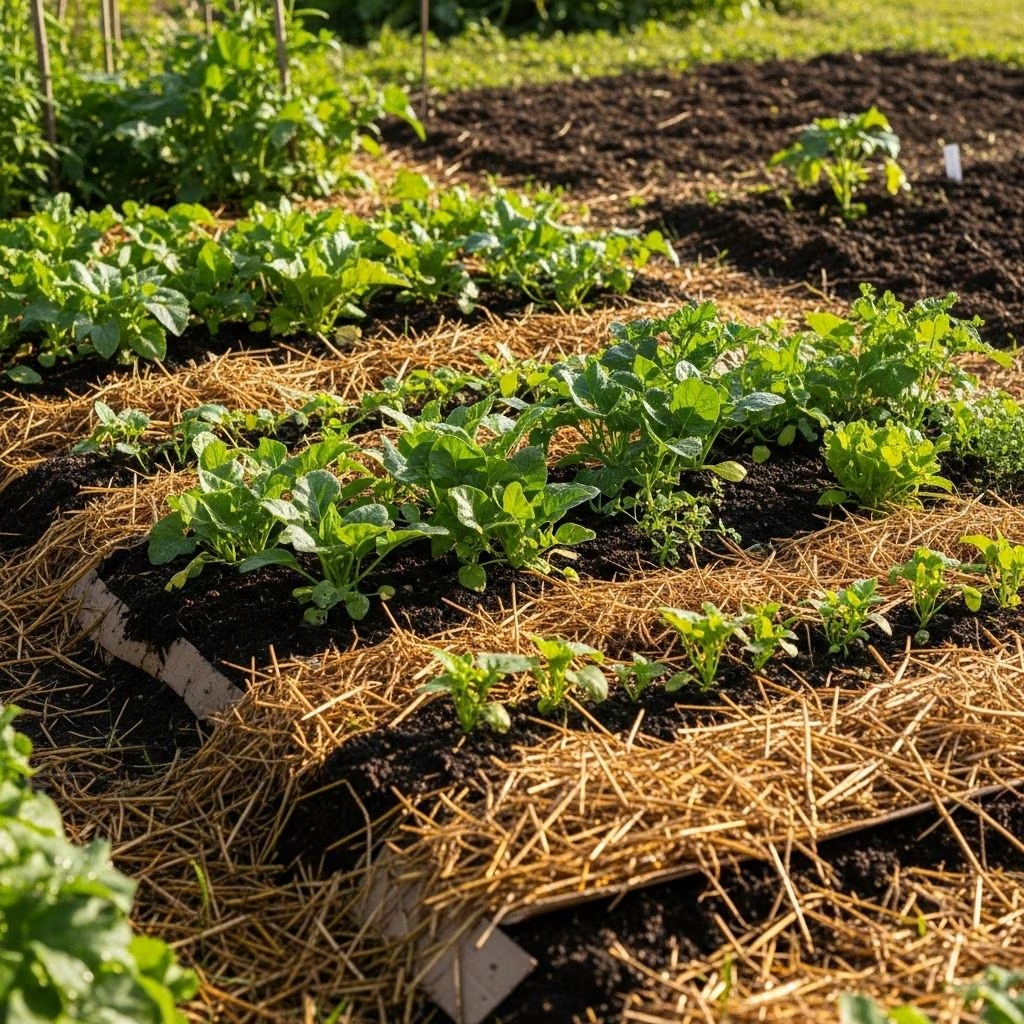
No-dig gardening is a revolutionary yet simple approach that is transforming gardens around the globe. By minimizing soil disturbance and layering organic material directly on the soil surface, gardeners are discovering healthier plants, fewer weeds, and a more sustainable way to grow. Dive into the core reasons for making the switch to no-dig—and see why so many enthusiasts, experts, and agricultural scientists are rooting for this soil-friendly method.
What Is No-Dig Gardening?
No-dig gardening is an organic gardening system where you create and maintain garden beds without turning or tilling the soil. Instead, you add organic materials like compost and mulch to the surface, allowing nature—worms, microbes, and fungi—to incorporate nutrients through natural processes. The result: a thriving ecosystem that supports vigorous, resilient plants without the backbreaking labor of digging.
How Does No-Dig Gardening Work?
The method involves several simple steps:
- Build up layers: Lay cardboard or thick layers of newspaper over existing grass or weeds. Overlap edges to block light and suppress growth.
- Add organic matter: Place compost, aged manure, or other natural mulches on top to feed the soil life.
- Refresh annually: Each year, replenish with more compost or organic mulch, letting worms and soil organisms do the work of mixing and nourishing the soil below.
This method protects and enhances the natural structure and ecosystem within the soil, rather than disturbing it through digging or tilling.
10 Reasons to Embrace a No-Dig Garden
1. No-Dig Preserves Vital Soil Structure
Traditional digging disrupts the delicate channels and aggregates created by worms and soil life. No-dig protects these pathways, allowing water, air, and nutrients to move freely and supporting the living web of fungi, bacteria, and other crucial organisms. Healthy soil structure improves drainage and root access, leading to more resilient plants.
2. Enhances Soil Fertility and Health
No-dig gardening builds soil fertility from the top down. As organic material breaks down on the surface, microbes and worms transport nutrients deep into the soil, resulting in a gradual and sustained increase in fertility. This process mimics forest floors and undisturbed prairies, where layers of organic debris feed life below, creating a rich, living soil.
3. Reduces Weeds—Significantly!
One of the most celebrated benefits of no-dig is the dramatic reduction in weeds. Digging exposes buried weed seeds to light, causing them to germinate. In no-dig beds, seeds stay buried and dormant, while a thick mulch smothers those on the surface. Over time, gardeners see far fewer weeds—making maintenance much easier and freeing up precious gardening hours for more enjoyable tasks.
4. Saves Time and Physical Effort
Put away your shovel—no-dig beds require far less muscle and sweat. Spreading compost is much less labor-intensive than double-digging or tilling. Not only do you save time on soil preparation, but the reduction in weeds and better moisture retention also means less routine work through the growing season.
5. Retains Soil Moisture and Reduces Watering
Mulching with compost or organic matter forms a protective barrier that slows evaporation, helping soils stay moist longer—vital in drought-prone areas or during hot summers. Improved soil structure from no-dig also increases the soil’s ability to retain water. Healthier roots and less water stress mean stronger, more productive plants.
6. Supports Biodiversity and Beneficial Soil Life
No-dig gardens provide a sanctuary for earthworms, beneficial insects, and complex microbial communities by leaving their habitat undisturbed. Fungi, in particular, thrive without interference, developing networks that help plants access nutrients and water beyond their roots. Encouraging this rich diversity boosts plant resilience and natural pest control.
7. Boosts Crop Quality and Productivity
Many gardeners report higher yields and cleaner crops from no-dig beds. Improved fertility, better moisture management, and reduced soil compaction all contribute to healthier, more abundant vegetables and flowers. Root crops like carrots and potatoes are harvested with less soil clinging to them, and leafy greens tend to rebound faster after picking.
| Benefit | No-Dig | Traditional Digging |
|---|---|---|
| Soil Structure | Preserved | Disrupted |
| Weed Growth | Suppressed | Often stimulates |
| Water Retention | Improved | May decrease |
| Labor Required | Minimal | High |
8. Reduces Garden Waste and Closes the Loop
No-dig gardens are ideally suited to home composting. By recycling garden and kitchen waste into compost for your beds, you close the loop, create less garbage, and reduce dependence on store-bought amendments and fertilizers. This boosts the sustainability of your garden and saves money over time.
9. Promotes Environmental Sustainability
- Carbon sequestration: Intact, undisturbed soils are better able to store carbon, helping mitigate climate change by keeping carbon ‘locked up’ instead of released as CO2 during digging.
- Reduces need for chemical inputs: Healthy, naturally rich soil reduces or eliminates the need for synthetic fertilizers and herbicides, which have notable environmental costs.
- Less erosion and runoff: Organic mulch shields soil from heavy rain, greatly decreasing erosion and soil loss.
10. Restores and Protects Soil Health Year After Year
No-dig gardening isn’t just a short-term solution—it continually improves soil health and garden resilience, season after season. Each additional layer of compost supports further growth of beneficial soil communities, enhancing nutrient cycling and disease resistance for generations to come.
Is No-Dig Gardening Right for You?
No-dig is versatile and can be adapted for raised beds, small urban plots, or expansive home gardens. Whether you’re growing vegetables, fruit, or flowers, this method is suitable for most soil types and garden designs. While initial setup might require some material gathering and planning, the long-term reduction in labor and improvement in productivity make no-dig appealing for both novice and experienced gardeners.
How to Start Your Own No-Dig Garden
- Mark out your beds: Define the size and shape of your no-dig plot. Common widths are 1–1.2 meters for easy reaching.
- Suppress weeds and grass: Lay a layer of thick cardboard (free of plastic, tape, or glossy print) over the area, overlapping generously.
- Add organic matter: Spread 10–15 cm (4–6 inches) of well-rotted compost, aged manure, or leaf mold on top of the cardboard.
- Water well: Moisture helps microorganisms and worms begin to break down the layers and compost the bed in place.
- Plant directly: You can plant seedlings immediately, tucking them into the compost. For seeds, wait until new shoots can push through the compost mulch easily.
- Maintain annually: Top up each year with about 5 cm (2 inches) of compost to replace nutrients and feed soil life.
Common Myths About No-Dig Gardening
- Myth: No-dig means you never use a shovel.
Reality: You’ll still dig holes to plant seeds, bulbs, or transplants. No-dig refers to not turning or tilling the entire bed. - Myth: Building fertility takes too long.
Reality: Many notice increased vigor and fewer weeds in the first season, though the soil only gets better over time. - Myth: It’s only for vegetable gardens.
Reality: No-dig is excellent for ornamental beds, borders, and even fruit trees.
Frequently Asked Questions (FAQs)
What can I use as mulch in a no-dig garden?
You can use finished compost, aged manure, leaf mold, shredded leaves, or straw. Avoid using fresh manures or materials that may contain contaminants or weed seeds.
Can I use the no-dig method on clay or poor soils?
Absolutely! No-dig is especially beneficial for compacted or heavy soils, as it improves structure and drainage over time without backbreaking double-digging.
How do I manage perennial weeds?
Persistent weeds like bindweed or couch grass may need to be removed manually before starting. Extra-thick cardboard layers and regular mulching help suppress stubborn regrowth, but ongoing monitoring is key.
Is no-dig gardening suitable for raised beds?
Yes. Raised beds and container gardens can benefit from no-dig layering of compost and mulch, providing ideal conditions for soil life and plant roots.
How long should I wait before planting seeds or seedlings?
You can plant seedlings immediately into the compost layer. For seeds, ensure that the compost is fine and loose. Some gardeners wait a few weeks after setting up a new bed to allow the materials to settle and initial weed suppression to take effect.
Tips for Successful No-Dig Gardening
- Source the best possible compost you can—quality organic matter is the foundation of the system.
- Keep beds covered year-round with living plants or organic mulches to protect and nourish the soil.
- Practice patience—each year your no-dig soil will improve in texture, fertility, and resilience.
- Experiment with companion planting and crop rotation to further enhance diversity and health.
Conclusion: A Healthier, Happier Way to Garden
Switching to no-dig gardening is more than a trend—it’s an evidence-based way to regenerate soil, reduce work, and boost the success of your plants. Whether your goal is a higher-yielding vegetable patch, less time spent weeding, or a garden that helps the planet, the no-dig approach offers practical, transformative results.
References
- https://www.rhs.org.uk/soil-composts-mulches/no-dig-gardening
- https://www.hrp.org.uk/blog/the-benefits-of-no-dig-gardening-in-the-kitchen-garden/
- https://empressofdirt.net/no-dig-gardening/
- https://www.charlesdowding.co.uk/post/the-amazing-benefits-of-no-dig-no-till
- https://www.ruralsprout.com/till-no-dig/


