Hidden Gems of the San Gabriel Mountains: Nature, History, and Adventure
The San Gabriel Mountains, stretching across the northern edge of the Los Angeles basin, offer a tapestry of natural wonders, recreational opportunities, and historical depth. Far more than an escape from urban sprawl, this region serves as a vital ecological reserve, an area rich in biodiversity, and a living museum of California’s past. Here, we explore the most extraordinary places—from ancient forests and peaks to quiet rivers and historic landmarks—that make the San Gabriels truly special.
Wilderness Areas: Preserving Nature’s Solitude
The San Gabriel Mountains are home to numerous federally designated wilderness areas, set aside to remain largely untouched for generations to come. According to the Wilderness Act of 1964, true wilderness is “an area where the earth and its community of life are untrammeled by man, where man himself is a visitor who does not remain”.
- San Gabriel Wilderness: Encompasses rugged canyons, ancient forests, and the headwaters of several vital rivers.
- Sheep Mountain Wilderness: Famed for its steep terrain and critical habitat for Nelson’s bighorn sheep, mountain salamanders, and several rare plant species.
- Pleasant View Ridge Wilderness: Offers spectacular vistas, unique rock formations, and isolated groves of bigcone Douglas-fir.
These areas not only provide scenic backdrops for urban Los Angeles but serve as critical refuges for wildlife and rare native plants, fostering ongoing scientific research and ecological preservation.
Ecological Treasures: Biodiversity Hotspots
The San Gabriel Mountains encompass a vast range of habitats, hosting some of California’s rarest species and largest stands of ancient trees. Ecological zones range from chaparral scrub and conifer forests to riparian woodlands and seasonal waterfalls.
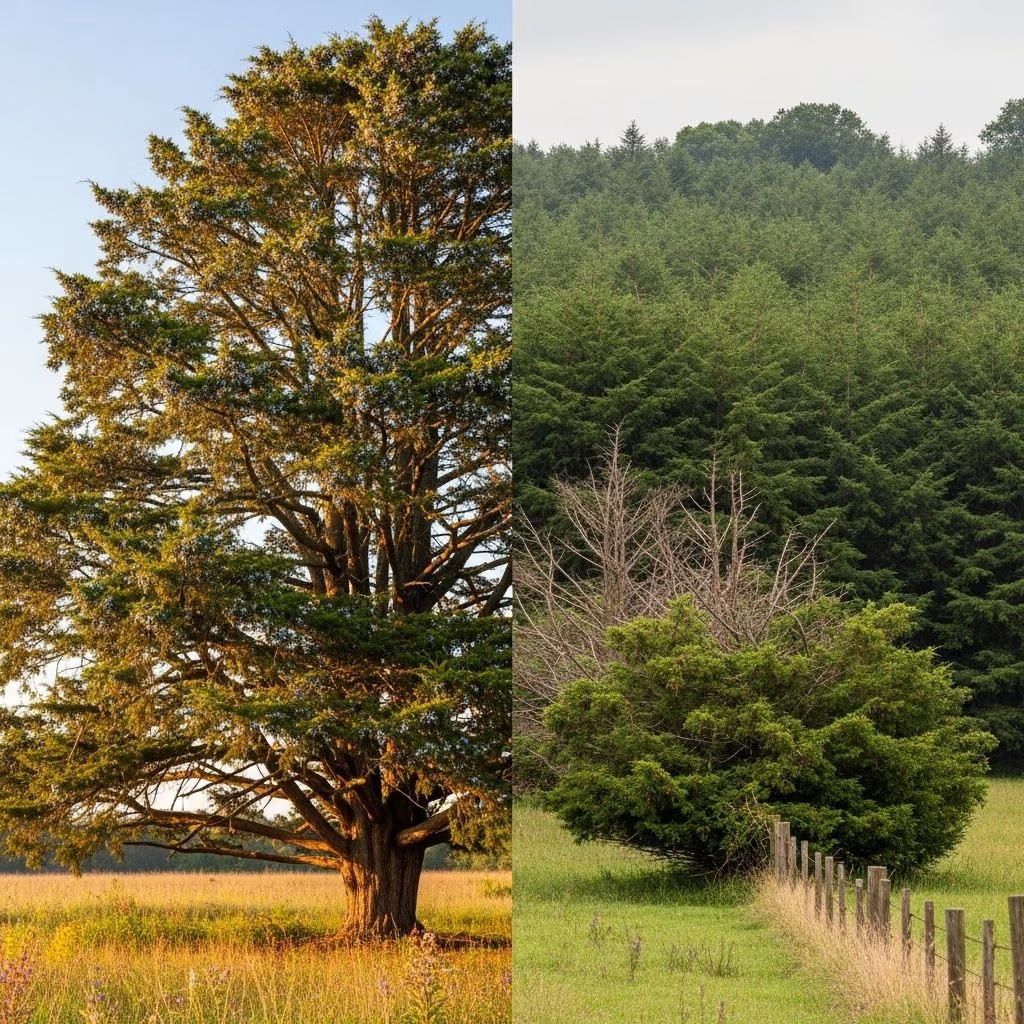
- Bigcone Douglas-fir Forests: One of the largest, most continuous stands found in southern California, providing habitat for endangered birds and mammals.
- Critical Wildlife Corridors: Home to the San Gabriel mountain salamander, California spotted owl, and red-legged frog. These species rely on intact forests and clean watersheds.
- Watersheds: The upper West Fork of the San Gabriel River is a vital source of clean drinking water and supports richly biodiverse riparian zones.
Efforts by the US Forest Service and conservation groups have highlighted certain areas as “High Ecological Significance,” because their habitats are increasingly threatened by urban development and wildfire.
Historic Trails and Great Hiking Era
Hiking has long been a cherished activity in the San Gabriel Mountains, with many historic trails dating back to the early 20th century. Remnants of the “Great Hiking Era” can be seen in old resort sites and storied trailheads along river corridors.
- Pacific Crest Trail (PCT): One of America’s most famous long-distance hiking trails, threading breathtaking segments along the Angeles Crest and crossing peaks like Mt. Baden-Powell (9,407 ft), named for the founder of the world scouting movement.
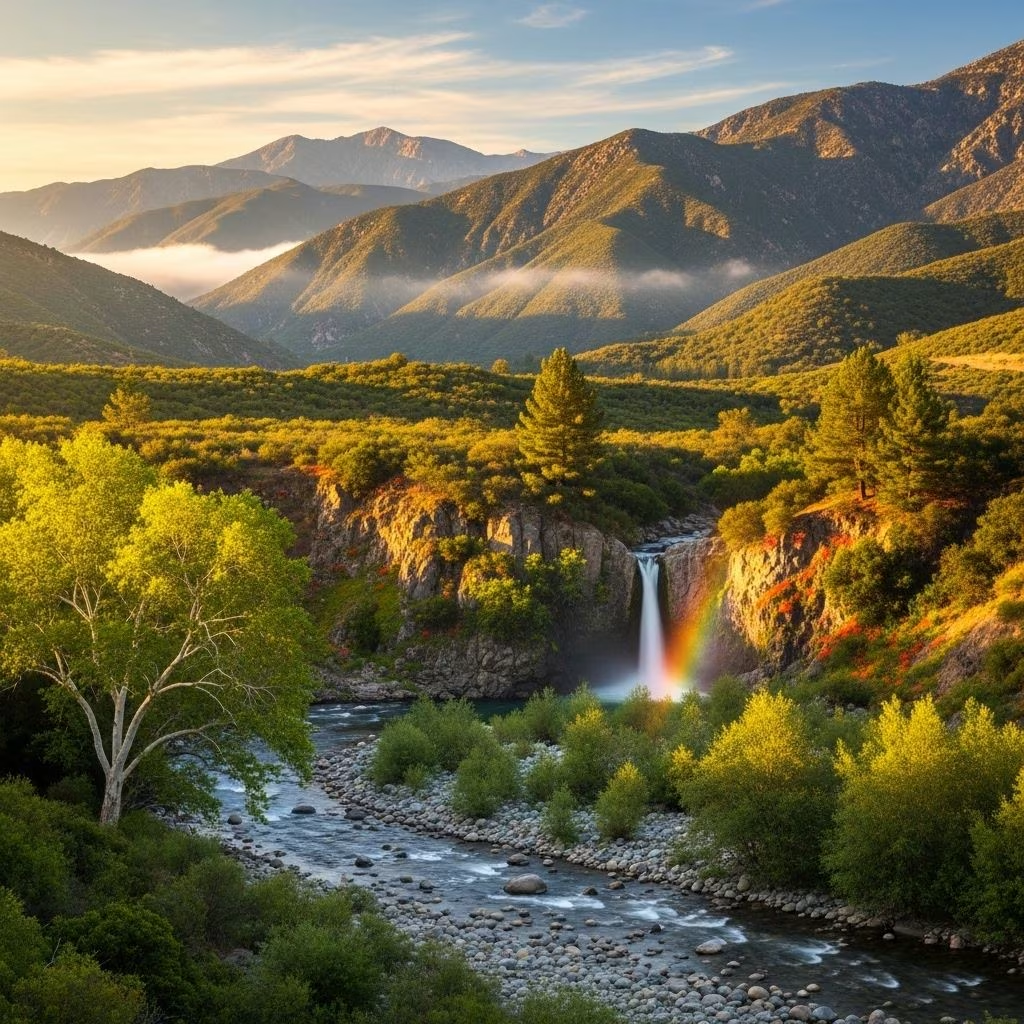
- Trail Canyon Trail: Known for its remote access to campsites and the dramatic Trail Canyon Falls—a 30-foot waterfall popular among locals.
- National Recreation Trails: Well-developed routes that allow hikers, bikers, and horseback riders access to striking natural sites and backcountry camps.
These trails not only draw outdoor enthusiasts but also connect historical trading and travel routes once used by Native Americans journeying from the San Gabriel Valley to the Mojave Desert.
Scenic Peaks and Alpine Vistas
Among Southern California’s most dramatic landscapes are found within the San Gabriel Mountains’ high peaks and mountain passes.
- Mount Baden-Powell: Rising to 9,407 feet, it offers panoramic vistas and is only partially contained within the wilderness area. Its summit remains a favorite accomplishment for hikers and scouts.
- Angeles Crest: Features a string of breathtaking overlooks accessible via the Angeles Crest Highway, giving visitors glimpses of both the basin below and the distant Mojave.
- Views of Mt. Wilson and Mt. Vetter: From the alpine slopes, visitors enjoy rare, uninterrupted scenery above the urban haze.
Some of the most spectacular sights in Southern California await those who venture into these mountains, with well-designed roads and trails making many lookouts accessible for a day trip or weekend adventure.
Rivers, Waterfalls, and Canyons
Water is a dynamic force across the region. The upper reaches of the San Gabriel River, seasonal creeks, and dramatic canyons add to the unique charm and ecological richness of the mountains.
- San Gabriel River National Scenic Bikeway: Parallels the river, offering views of clear waters and lush banks, ideal for both experienced and casual cyclists.
- Trail Canyon Falls: A picturesque ribbon of water marking the end of a rewarding trail in a rugged canyon.
- Pleasant mountain streams: Many trails crisscross quiet streambeds shaded by old-growth oaks and sycamores.
In addition to being beautiful, these waterways are vital habitat for rare fish, amphibians, and birds, with ongoing restoration efforts focused on protecting them from pollution and overuse.
Landmarks and Cultural Sites
The San Gabriels are not only a haven for wildlife and nature lovers, but also contain landmarks of immense cultural significance. Historical missions, museums, and preserved playhouses echo the region’s past.
- Mission San Gabriel Archangel: Founded in 1771, this historical mission is a centerpiece of the valley’s colonial history and Spanish religious heritage.
- San Gabriel Mission Playhouse: An elegant venue hosting performances and cultural events, celebrated for its architecture and welcoming staff.
- Ramona Museum of California History: Home to small but insightful exhibits on local history, indigenous peoples, and early settlers.
- Blossom Market Hall: A restored building now serving as a vibrant food hall and art space, reflecting the blend of historic architecture and modern entrepreneurship.
The mix of mission architecture, playhouses, and parks ensures visitors can discover the cultural depth of the area while enjoying the natural scenery.
Recreational Activities and Popular Attractions
Whether you’re seeking solitude or vibrant community life, the San Gabriel Mountains and surrounding valley offer a wide array of recreational activities.
- Hiking & Backpacking: Miles of maintained trails in wilderness areas and national forest lands.
- Cycling: Designated bikeways alongside scenic rivers and through canyons provide routes for both serious and recreational cyclists.
- Wildlife Viewing & Birding: The diversity of habitats supports opportunities for wildlife observation, with dedicated spots for seeing deer, bighorn sheep, and nesting birds.
- Camping: Backcountry campsites permit overnight immersion in nature, while developed picnic areas offer day-use facilities for families.
- Photography & Art: Seasonal wildflower blooms, dramatic skies, and changing autumn foliage draw artists and nature photographers year-round.
| Activity | Best Locations | Unique Features |
|---|---|---|
| Hiking | PCT, Trail Canyon, Mt. Baden-Powell | Historic trails, panoramic views, waterfalls |
| Cycling | San Gabriel River Bikeway | Riverside scenery, easy access |
| Camping | Backcountry campsites, Red Box Picnic Area | Peaceful forests, streamside locations |
| Wildlife Viewing | Sheep Mountain Wilderness | Rare mammals & birds, undisturbed habitat |
| Cultural Exploration | Mission San Gabriel, Playhouse, Plaza De San Gabriel | Local history, architecture, events |
Conservation and Stewardship
Active conservation is essential for preserving the natural and cultural integrity of the San Gabriel Mountains. Federal, state, and local agencies, along with volunteer groups, are focused on maintaining trails, restoring natural habitat, and ensuring public access for recreation and research.
- Ecological Restoration: Protecting rare species, replanting native flora, and managing wildfire risks.
- Educational Programs: Guided hikes, school programs, and interpretive signage teach visitors about the ecology, geology, and history of the region.
- Leave No Trace Ethics: Hikers and campers are encouraged to minimize their impact, packing out waste and respecting fragile habitats.
Frequently Asked Questions (FAQs)
Q: What makes the San Gabriel Mountains different from other ranges in Southern California?
The San Gabriels offer a combination of rugged wilderness, rare ecological zones, easily accessible scenic vistas, and rich cultural history, all within an hour’s drive of downtown Los Angeles.
Q: Are there areas suitable for beginners or family hikes?
Yes, trails near Red Box Picnic Area and the San Gabriel River Bikeway are ideal for families and beginner hikers, with relatively flat terrain and excellent facilities.
Q: Which species are unique or endangered in these mountains?
Nelson’s bighorn sheep, San Gabriel mountain salamander, California spotted owl, and red-legged frog are among the rare and protected species found only in specific habitats of the San Gabriels.
Q: Can I camp overnight in the wilderness areas?
Yes, there are designated backcountry campsites as well as day-use picnic spots, though always check current conditions and regulations with the Angeles National Forest Service. Practice Leave No Trace camping.
Q: What are the best times to visit for wildflowers or fall colors?
Spring brings vibrant wildflower displays, especially in chaparral and meadow zones. Fall foliage peaks in October and November, painting canyons and forests with color.
Plan Your Adventure: Tips for Visiting
- Check Angeles National Forest updates before you go for seasonal closures or fire restrictions.
- Bring plenty of water, sun protection, and layers—mountain weather can change quickly.
- Respect cultural and ecological landmarks. Stay on marked trails and avoid disturbing wildlife.
- Consider volunteering or joining local conservation efforts to help preserve these special places.
Conclusion
The San Gabriel Mountains stand as a testament to California’s natural legacy and cultural history. Their diverse landscapes—spanning alpine peaks, shaded canyons, vibrant rivers, and storied heritage sites—offer sanctuary, inspiration, and adventure for all who visit. Whether you seek solitude, recreation, or a deeper connection with nature and history, these hidden gems ensure the spirit of wild Southern California endures.