


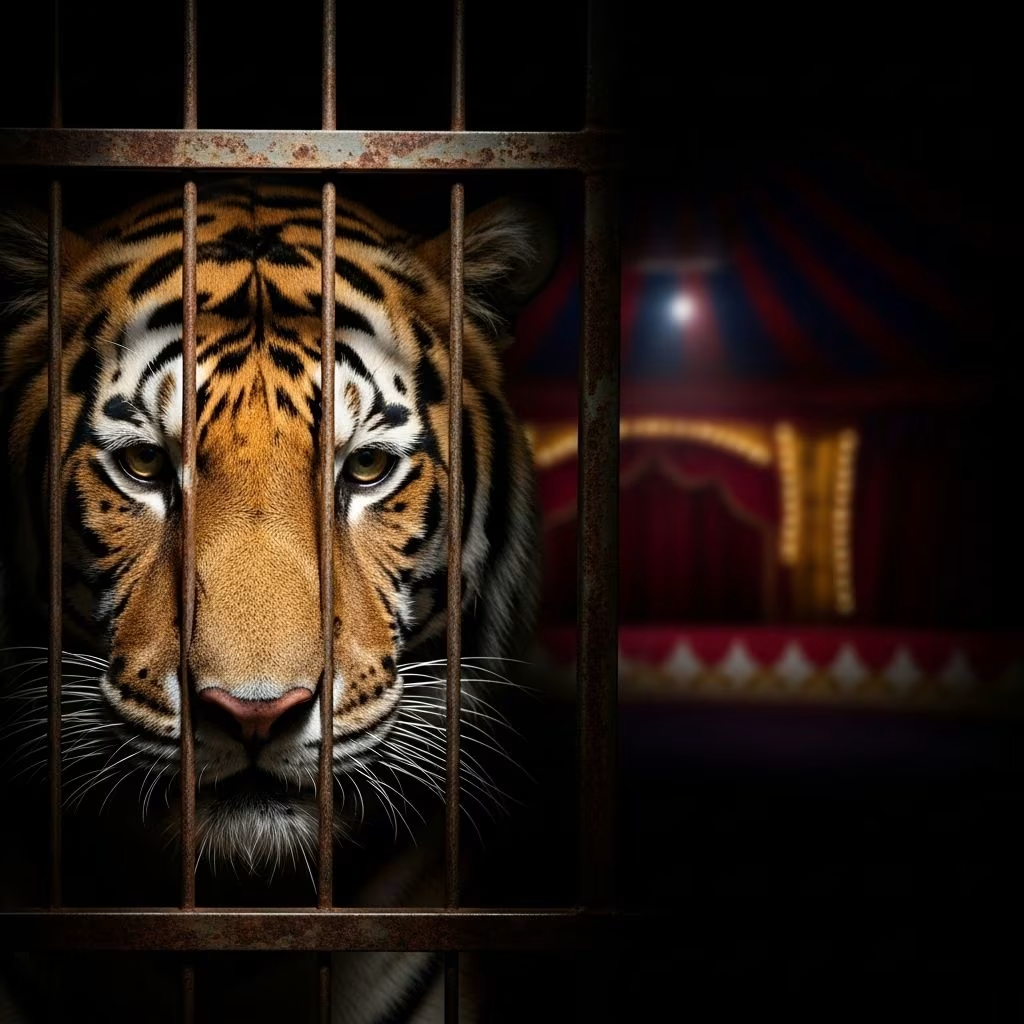
Animal Cruelty in Circuses: Behind the Spectacle
Circuses have long been emblematic of joyful entertainment, enthralling audiences with breathtaking spectacles under the big top. Yet, away from the spotlight, countless animals endure a grim reality. The use of wild animals in circuses has led to widespread animal cruelty, ranging from harsh training methods to lifelong confinement and legal neglect. This article explores the core issues, the suffering of the animals involved, and the growing global movement demanding an end to their exploitation.
Why Are Animals Used in Circuses?
For centuries, animals have played a central role in traditional circus performances. From elephants and big cats to monkeys and horses, these creatures are showcased performing unnatural tricks for human amusement. The allure of watching an elephant balance on a stool or a tiger jump through fiery hoops is built around mythologizing animal taming and performance. However, these acts are not natural behaviors, and forcing animals to perform them comes at great ethical and physiological cost.
- Historical Tradition: The use of animals in circuses dates back to the 18th century, when exotic animals became symbols of triumph and curiosity.
- Variety of Species: Animals commonly used include elephants, tigers, lions, bears, primates, horses, and dogs.
- Global Practice: While not all modern circuses use animals, many traditional circuses worldwide continue to rely on performing animals as a major draw for audiences.
The Hidden Suffering: How Are Animals Treated?
Many circuses claim that their animals are treated well and trained using only positive reinforcement. Yet, substantial evidence reveals that cruelty is prevalent, encompassing both direct and indirect forms of abuse. Behind the dramatic performances, animals endure lives of deprivation, harsh training, and physical punishment.
Training Through Intimidation and Force
Animals do not naturally perform tricks like walking on their hind legs or jumping through hoops of fire. Training for such acts frequently involves fear, pain, and dominance.
- Negative Reinforcement: Trainers often use whips, bullhooks, metal rods, and prods to compel animals to obey. Elephants, for example, are regularly beaten or jabbed to force compliance.
- Withholding Necessities: Deprivation of food, water, warmth, or shelter is a common punishment for noncompliance.
- Psychological Trauma: The constant threat of pain fosters anxiety, learned helplessness, and behavioral disturbances in many animals.
Lifelong Confinement: Cages, Chains, and Social Deprivation
The life of a circus animal is characterized by relentless confinement and lack of autonomy. Their needs for movement, privacy, and socialization are habitually denied.
- Cramped Quarters: Animals are kept in small, barren enclosures or cages for almost the entirety of their lives, apart from brief performance times.
- Chaining and Shackling: Elephants and large carnivores are typically restrained for extended periods, unable to exercise or maintain normal postures.
- Social Isolation: Herd animals like elephants and horses, who thrive in complex social groups, suffer from solitary confinement, leading to depression and abnormal behaviors.
Deprivation of Natural Behavior
In the wild, animals must roam, hunt, play, nest, or interact with others to fulfill instinctual drives. The circus environment offers none of these outlets:
- Elephants denied opportunities to walk long distances, swim, or form social bonds.
- Tigers and lions, who naturally stake out territories and live solitary lives, forced into unnatural proximity and routines.
- Primates like chimpanzees confined without enriching stimuli or social interaction, sometimes spending much of their lives in darkness or solitude.
Poor Veterinary Care and Environmental Stress
Because circuses are constantly moving, animals lack consistent access to veterinary care. Furthermore, harsh weather conditions, noise, and transportation stress make animals more susceptible to disease, injury, and early mortality.
Physical and Psychological Consequences
The cumulative impact of abuse and confinement causes severe physical and mental health issues for circus animals:
- Physical Injuries: Wounds from beatings, joint and limb problems from prolonged chaining, malnutrition due to stress or punishment.
- Stereotypic Behaviors: Pacing, swaying, head-bobbing, and self-mutilation are common in animals denied stimulation and freedom.
- Shortened Lifespan: Many circus animals die prematurely due to chronic stress, malnutrition, or lack of medical care.
- Early Deaths: Endangered species such as elephants and big cats frequently die while still in servitude or soon after retirement.
Endangered Species Under Threat
Ironically, circuses often use endangered animals for their performances, claiming to contribute to species survival. In reality, captivity and abuse further endanger these species by causing unnatural deaths and preventing successful breeding or natural behaviors. Many castaway animals are sold to private collections or “canned hunts,” where captive animals face slaughter at the hands of trophy hunters.
The Legal Landscape: Are There Protections for Circus Animals?
Despite widespread documentation of cruelty, circus animals often fall through legal cracks. While some countries and regions have implemented bans or restrictions, enforcement is inconsistent, and in many places, exploitation persists unabated.
Key Legal Points
- Animal Welfare Laws: Legislation such as the Animal Welfare Act sets minimal standards, but citations rarely lead to confiscation of animals—just monetary fines.
- Patching Regulations: There is no single, cohesive code of circus animal law; most regulations are piecemeal and poorly enforced.
- Licensing and Inspections: Circuses must sometimes be licensed, but untrained or unlicensed handlers frequently slip by. Even when violations are identified, animals are rarely relocated to sanctuaries.
- Conservation Loopholes: Permits for “educational” or “conservation” purposes are often abused to justify animal exploitation.
Public Campaigns and Advocacy: Turning the Tide
The ongoing fight for animal welfare in circuses owes much to public campaigns, investigative work, and the tireless efforts of grassroots and international organizations. Advocacy has led to significant gains, but many animals still suffer worldwide. The growing call for bans and ethical alternatives is making a difference.
- Rising Awareness: Increased public knowledge, aided by undercover investigations, has prompted consumer backlash and policy changes.
- Legislative Victories: Many regions—including entire countries—have banned the use of wild animals in circuses, recognizing the inescapable link between animal suffering and circus entertainment.
- Circuses Reimagined: A new wave of animal-free circuses (such as Cirque du Soleil) demonstrates that stunning, awe-inspiring performances are possible without cruelty.
- On-the-Ground Efforts: Organizations like PETA, Freedom for Animals, and the RSPCA investigate, publicize, and litigate cases of abuse while providing rescue and sanctuary for liberated animals.
Challenges in Enforcement and Economics
Even where protections exist, enforcement is difficult due to limited resources and the traveling nature of circuses. Additionally, economic motivations encourage some circuses to skirt laws or cut corners on animal care:
- Legal loopholes and under-enforced standards allow substandard circuses to exploit animals without significant consequence.
- The expense of proper animal care, compared to profits from performances, motivates circuses to prioritize business over welfare.
The Movement for Change: From Animal Abuse to Animal-Free Acts
The movement against animal circuses is gaining momentum worldwide, propelled by ethical, scientific, and public health arguments. Animal-free circuses, which rely on talented human performers, acrobatics, and technology, have set a new standard while challenging the perceived entertainment value of animal cruelty.
- Countries such as the UK, Austria, and Bolivia have enacted full or partial bans on wild animal acts in circuses.
- Public opinion surveys consistently show a majority in favor of banning animals from the ring.
- Educational resources and documentaries expose audiences to the true cost of “entertainment” and empower more people to make ethical choices.
Frequently Asked Questions (FAQs)
Why do circuses still use animals?
Despite mounting evidence and public disapproval, some traditional circuses maintain animal acts to preserve custom or attract certain audiences. Economic considerations and weak enforcement of animal welfare laws also play a role.
Can animals be trained humanely for circus acts?
Most experts agree that teaching wild animals to perform unnatural tricks for circuses inevitably involves physical punishment, deprivation, or psychological stress, even if some positive reinforcement is used. Humane training for such performances is considered unrealistic for wild species.
Are there alternatives to animal circuses?
Yes. Modern circuses like Cirque du Soleil showcase human talent through acrobatics, dance, and technology, proving that circuses can thrive without animal exploitation.
What legal protections exist for circus animals?
Some regions have strong laws or outright bans, but many countries only offer limited or poorly enforced protections. In several places, animal welfare laws exist but are undermined by weak penalties or legal loopholes.
How can I help end circus animal cruelty?
Ways to help include:
- Refusing to buy tickets to animal circuses.
- Supporting animal welfare organizations and petitions for bans.
- Educating others about animal suffering in circuses.
Key Takeaways
- Circus animals are subjected to severe cruelty, confinement, and neglect for entertainment.
- Training methods regularly involve physical punishment and psychological intimidation.
- Endangered species are particularly at risk, facing higher rates of injury and premature death.
- Legislation is improving, but enforcement remains a major challenge.
- Public campaigns and animal-free circuses are driving culture change, showing a compassionate future is possible.
References
- https://www.animallaw.info/article/animals-circuses-and-laws-governing-them
- https://www.animallaw.info/intro/circuses-and-laws-governing-them
- https://www.peta.org.uk/issues/animals-not-use-entertainment/circuses/
- https://www.gov.wales/sites/default/files/publications/2017-12/welfare-of-wild-animals-in-travelling-circuses.pdf
- https://www.freedomforanimals.org.uk/circuses
- http://www.michbar.org/file/barjournal/article/documents/pdf4article3552.pdf


