Thinking of Planting a Cider Apple Orchard? Read This First
Crafting cider—whether traditional hard cider or sweet, non-alcoholic apple cider—begins with the apples. But not just any apples: some varieties are better-suited to fermenting or pressing for their sugars, tannins, flavors, and storied heritage than the common ones found in grocery bins. This guide details everything you need to know before planting a cider apple orchard: from selecting varieties, sourcing trees, and planning an orchard layout, to cultivating, maintaining, and harvesting cider apples for the best-tasting results.
Why Cider Apples?
Not all apples are created equal for cidermaking. Cider apples are grown specifically for their higher tannin levels, distinct acidities, and aromatic complexities. Many have unique flavors and textures that wouldn’t appeal for snacking, but transform into brilliant ciders—both sweet and hard. These apples often carry a rich cultural history and are prized by both commercial producers and home orchardists.
- Bittersweet and bittersharp apples offer depth and complexity to ciders with tannins and acids absent from dessert varieties.
- Old varieties, like Kingston Black or Yarlington Mill, are specifically sought-after for traditions in English and American cider.
- Some cider apples are well-adapted to disease resistance or local growing conditions, making them sensible orchard choices.
Before You Plant—Assessing Your Orchard Site
Your land’s unique features will define your orchard’s long-term success. Proper assessment and preparation can prevent disease, frost, or water issues later—and improve harvests for years to come.
- Sunlight: Apple trees produce best in full sun, needing a minimum of 6-8 hours daily for vigorous fruiting.
- Airflow: Good air movement prevents common issues like fungal diseases and spring frost injury. Avoid narrow spaces behind buildings or fences.
- Soil drainage: Apples resent soggy soil. Well-draining loam is ideal. Avoid low-lying clay patches that collect water, and never plant in puddle-prone areas.
- Elevation and slope: Elevated or sloping land allows cold air to drain away in spring, protecting blossoms from late frosts. Rolling landscapes are often preferred.
- Wind exposure: Excessive wind can damage blooms and fruit. If your site is particularly windy, consider planting windbreaks without casting shade on your orchard.
Choosing Cider Apple Varieties
Selection is the most exciting step—and one of the most important. Excellent cider results from a blend of apples: some that bring sugar, others acid, and still others tannins. Classic cider is rarely made from one type of apple.
- Bittersweet: Low acid, high tannin (e.g., Dabinett, Yarlington Mill)
- Bittersharp: High acid, high tannin (e.g., Kingston Black)
- Sharp: High acid, low tannin (e.g., Crimson Gold, Roxbury Russet)
- Sweet: Low acid, low tannin (e.g., Golden Delicious, but rarely used alone)
For a complete orchard, most planters blend at least a few trees from each category to create more complex ciders.
Popular Cider Apple Varieties
- Kingston Black: The quintessential single-variety English cider apple, prized for bittersweet-bittersharp balance.
- Yarlington Mill: Traditional English bittersweet valued for high yields and superb cider qualities.
- Dabinett: Another English icon, mellow and tannic, perfect for blending.
- Roxbury Russet: One of the oldest American apple varieties, sharp with russeted skin and reliable cropping.
- Old Virginia Winesap: Southern classic apple often used in cider blends for regional flavor.
- Arkansas Black: Tough skin, disease resistance, and a robust flavor profile for complex blends.
Regional and Disease-Resistant Varieties
Experts recommend growing what thrives locally. Favor varieties known to resist local pests and disease:
- Roxbury Russet—good bet for pest resistance and low spray programs.
- Old Virginia Winesap and Arkansas Black—excellent for the southern Appalachians.
Check with your regional extension office or established orchards to find out which cider apples succeed in your climate and soil. Disease resistance makes orchard management easier for organic systems.
Tree Sourcing and Selection
Once you’ve settled on varieties, you’ll need to find high-quality trees. Specialized nurseries or local sources are ideal; ensure trees are healthy, disease-free, and balanced in rootstock to variety combination.
- Rootstock determines mature tree size and hardiness. Common options:
- Standard (full-size): Long-lived, large trees; traditional, but slower to fruit and require more space.
- Semi-dwarf: Good compromise for medium lawns, easier harvest, and management.
- Dwarf: Best for small-scale orchards or backyard plots, early fruiting, easier to prune and harvest—but shorter lifespan.
- Be sure to buy grafted trees with a proven cider variety on a recommended rootstock, not seed-grown trees which won’t breed true.
Planning and Planting Your Orchard
Orchard Layout
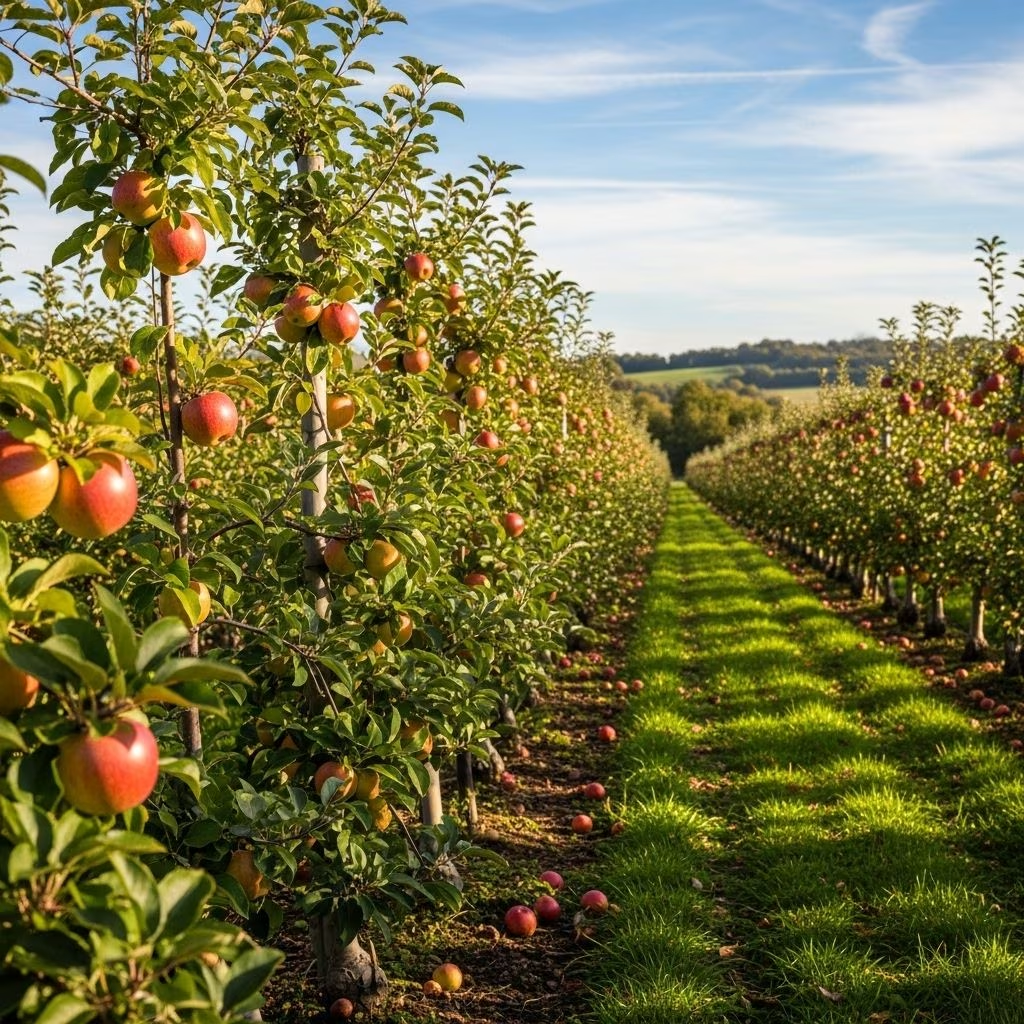
Spacing depends on tree size. Traditional planting densities for cider orchards range from about 100-150 trees per half acre, or 8-10 yards (24-30 feet) between rows, and 7-9 yards (21-27 feet) between trees within a row. High-density systems use closer spacing, but not as dense as for commercial dessert apple production.
| Tree Type | Recommended Spacing | Orchard Density |
|---|---|---|
| Standard | 20-30 ft | 48-109 trees/acre |
| Semi-Dwarf | 12-20 ft | 109-303 trees/acre |
| Dwarf | 8-12 ft | 303-605 trees/acre |
Maintain rows straight and evenly spaced for sunlight access, airflow, and ease of mowing, weed control, and harvest machinery operation.
Pollination Considerations
Most cider apples are not self-pollinating. Plant a mix of trees that flower together to ensure cross-pollination, or include a few crabapple trees for improved fruit set. Generally, having more varieties boosts pollination and fruit health. If you only have room for one tree, neighboring apple or crabapple trees may still suffice to provide pollinators.
Planting Best Practices
- Plant trees with the graft union at least three inches above ground, to prevent rooting of the scion (the grafted variety) and risk of rot.
- Dig holes about 1.5 feet wide and 2 feet deep.
- Consider planting in early spring for best root establishment, unless autumns are mild in your area.
- Tie the new trunk to a stake at planting and prune to encourage strong structure.
- Leave 4-6 feet between trees within a row for high-density training and fruiting wall methods; leave at least 15 feet between rows for practical management if using machinery.
Soil Preparation and Orchard Establishment
- Test soil for pH (ideally 6.0-7.0), organic matter, and nutrient balance (calcium, potassium, magnesium).
- Pre-plant fertilization improves young tree vigor. Apply recommended fertilizers and organic matter based on test results, before or at planting.
- Weed control is essential until trees are well-established.
Protecting Your Orchard
- Use guards around young trees to prevent damage from wildlife—deer, rabbits, or livestock.
- If animals graze the orchard, ensure branches are high enough to be out of reach of cattle or horses. For horses, orchards may not be practical.
Maintaining Your Cider Apple Orchard
Pruning
- Initial pruning forms the tree’s structure for productivity and disease resistance.
- Annual pruning maintains size, encourages fruiting wood, and removes diseased or crossing branches.
- In high-density systems, trees are trained as fruiting walls to enable mechanical harvest and improve yield consistency.
Irrigation and Fertilization
- Water young trees regularly to establish roots, especially during dry spells. Mature trees are more drought-tolerant but benefit from supplemental watering during fruit development.
- Fertilize annually based on soil test results. For established trees, broadcast fertilizer under the tree canopy or use fertigation if possible.
Disease and Pest Management
- Select disease-resistant varieties for easier management, especially in organic systems.
- Control weeds, monitor for pests (apple maggot, codling moth, aphids), and address issues early for healthy crops.
- Maintain airflow and sunlight through thoughtful pruning and spacing to discourage fungal diseases.
Harvesting Your Cider Apples
- Plan to pick a range of apples throughout the season to create complex cider blends. Many cider apple varieties ripen in the mid-to-late season.
- Pick apples at full maturity for the highest sugar content. Taste, texture, and color are good maturity indicators, but starch tests and drop timing are sometimes used by professionals.
- Cider apples can sometimes drop from trees before harvest. Collect windfalls promptly for processing, as they may spoil quickly.
Blending for Great Cider
The heart of cidermaking is in the blend. A typical hard cider might combine 70% bittersweet or bittersharp apples for tannin and 30% sharp or dessert apples for acid and sugar. For sweet cider, blend high-sugar, crisp apples with just enough sharp or bitter varieties to balance the flavor.
More Tips for Small Scale or Home Orchards
- Start small. Home orchards can thrive with even a handful of trees—choose a few complementary varieties for blending.
- Stagger harvest by selecting early, mid, and late-season apples.
- Contact local orchards or agricultural extension offices—they offer invaluable advice for your climate, possible funding, and local pests and diseases.
- Workshops and cider events can build knowledge—seek them out for hands-on skill building.
Common Questions About Starting a Cider Apple Orchard
What is a cider apple?
Cider apples are varieties specifically cultivated for their high tannin, acid, and sugar contents—traits that produce superior hard or sweet ciders, but may be less appealing for eating raw.
How many varieties should I plant?
For best results, plant at least three distinct varieties—including both bitter and sharp types—for good pollination and a complex cider blend.
Will I need to spray my orchard?
Organic approaches are possible with disease-resistant varieties, but most orchards require monitoring for pests and treating as necessary—consult local extension services for best practices in your area.
How long until I harvest fruit?
Most apple trees begin producing usable crops in 3-5 years. Dwarf trees yield earlier, while standard trees may take longer but live the longest.
Do cider apples need special care?
Cider apple trees are grown much like other apples, but pruning, site selection, and blending for cider production should be carefully managed. Many cider apples are more disease-resistant than dessert types, but unique pest or fungal issues can arise—monitor accordingly.
Resources for Aspiring Cider Orchardists
- Local agricultural extension offices—excellent, up-to-date guides on varieties, growing, and orchard management specific to your region.
- Specialty orchards and nurseries—source of quality trees and expert advice.
- Books, cider events, and workshops—stay plugged into the latest methods and community knowledge.
References
- https://wpcdn.web.wsu.edu/extension/uploads/sites/25/EM117E.pdf
- https://cidercraftmag.com/how-to-grow-cider-apples-at-home/
- https://network.land.com/owning/apple-orchard-cidery-planting-advice/
- https://www.arborday.org/perspectives/backyard-orchard-tips-starting-apple-orchard
- https://www.canr.msu.edu/uploads/236/78872/Growing_Cider_Apples_March_16_2016.pdf
- https://www.albemarleciderworks.com/faq/orchard-and-nursery-faqs/starting-orchard-scratch
- https://permies.com/t/52334/Apple-Orchard-planning-tree-placement