Instant Yeast 101: The Essential Ingredient for Easy Bread Baking
For many home bakers, the three little words “add instant yeast” can turn the intimidating alchemy of bread baking into a simpler, more approachable craft. Whether you’re reminiscing about sweet cinnamon rolls from childhood or finally tackling that first loaf of sandwich bread, understanding instant yeast can make your kitchen adventures more successful—and a lot more fun.
What Is Instant Yeast?
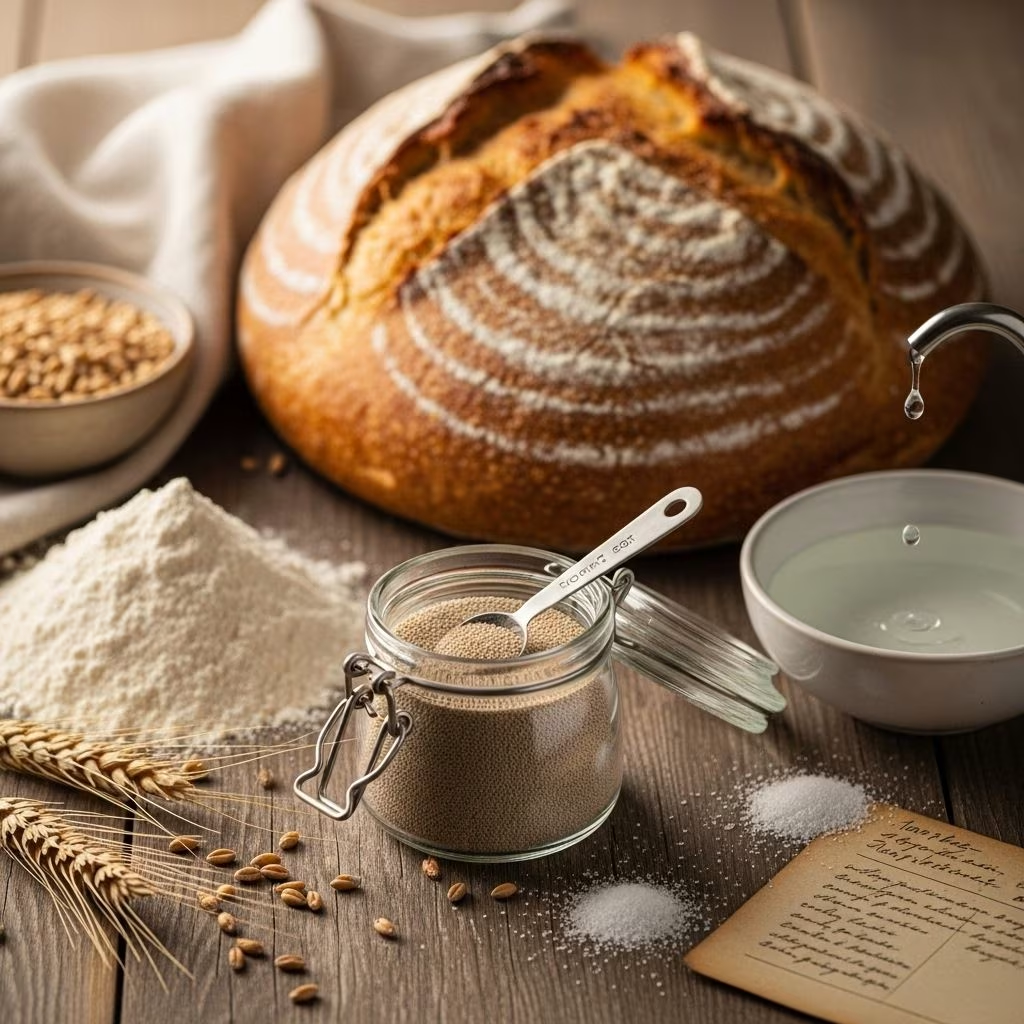
Instant yeast is a modern leavening agent designed to make bread baking convenient and reliable. Unlike traditional active dry yeast, instant yeast requires no proofing and can be mixed directly into your dough with the other dry ingredients. This means less waiting time, fewer steps, and more consistent results even for novice bakers.
- Instant yeast is often sold in larger, resealable packages instead of small packets and can be stored in an airtight container for extended periods (often in the freezer).
- It can be substituted 1:1 for active dry yeast in most bread recipes.
- Some instant yeasts are formulated specifically for high-sugar sweet breads that might otherwise struggle to rise.
Why Choose Instant Yeast?
For those new to baking, yeast can be intimidating—especially the uncertainty of proofing (that is, dissolving the yeast in warm water and waiting to see if it bubbles and foams). Instant yeast eliminates that anxious step entirely.
- No proofing required: Add it straight to the flour and other dry ingredients—just pour, stir, done.
- Reliable and consistent: You’re less likely to run into issues with undissolved granules or unpredictable rising.
- Easy to store: Sealed tightly and kept in the freezer, instant yeast stays potent for months—even years—outlasting most bread-baking phases.
Let’s face it, the ability to skip a whole step (proofing) is a major time-saver for busy bakers. With instant yeast, kneading, rising, and shaping dough become more straightforward routines rather than nerve-wracking science experiments.
Instant Yeast vs. Active Dry Yeast: What’s the Difference?
| Feature | Instant Yeast | Active Dry Yeast |
|---|---|---|
| Hydration Required | No (add directly to dry ingredients) | Yes (must be dissolved in warm water) |
| Granule Size | Finer | Coarser |
| Rise Time | Quicker | Longer |
| Best For | Everyday breads, sweet breads, time-saving baking | Traditional recipes, longer fermentation flavor |
In most recipes, you can replace active dry yeast with the same amount of instant yeast. Some bakers find instant yeast produces a slightly lighter loaf and a less ‘yeasty’ flavor, but for most home cooks, the results are virtually identical.
Using Instant Yeast in Recipes
Ready to put instant yeast into action? The process is refreshingly simple. For demonstration, let’s use an easy, crowd-pleasing recipe: Jalapeño 3-Cheese Bread.
How to Use Instant Yeast (with Step-by-Step Example)
- Mix dry ingredients. Combine flour, salt, sugar, instant yeast, and any seasonings (like garlic powder or herbs) in your mixer or bowl.
- Add wet ingredients and extras. Pour in water (or milk), oil or butter, and other mix-ins (cheese, diced jalapeños, etc.). Stir until a soft dough forms.
- Knead until smooth. Use a stand mixer with a dough hook, or knead by hand for 8-10 minutes. The dough should be elastic and tacky but not sticky.
- First rise. Place dough in a greased bowl, cover, and let it rise for about an hour at room temperature until doubled in size.
- Shape and second rise. Form the dough into a loaf, place in a greased pan, and let rise again until puffy, about 30-45 minutes.
- Bake. Top with more cheese and/or jalapeño slices if desired. Bake at the temperature specified in your recipe (often 350°–375°F).
Pro Tip: For softer, meltier results, always use freshly grated cheese rather than pre-shredded cheese (which is often coated in anti-caking agents).
Recipe Spotlight: Jalapeño 3-Cheese Bread
This savory bread is a showcase for instant yeast: no proofing, faster rising, and a foolproof texture even with rich add-ins like cheese. Enjoy it fresh, use it for sandwiches, or serve as a standout dinner side.
- Customize the heat level: For more spice, leave the jalapeño seeds and ribs intact and use an extra pepper.
- For extra flavor, sprinkle cheese and sliced jalapeños over the top just before baking.
Addressing Common Instant Yeast and Bread-Baking Questions
Can instant yeast be substituted for active dry yeast?
Yes. Instant yeast works as a 1:1 substitute for active dry yeast. You simply add it in with your dry ingredients—no need to dissolve in water or proof first.
Do I need a mixer to use instant yeast?
While a stand mixer makes bread dough easier, you can knead by hand. Many bakers find this step relaxing. The important part is to knead until the dough passes the “windowpane test” (stretching a small piece to see if it forms a thin, translucent film without tearing).
Does instant yeast last longer than active dry yeast?
Instant yeast is generally more robust but longevity depends on storage:
- Store instant yeast in an airtight container in the freezer for best shelf life.
- Properly stored, the yeast will often remain active for months beyond its expiration date.
Is there a difference between instant yeast and rapid-rise yeast?
Both can be added directly to flour without proofing. Rapid-rise yeast is a type of instant yeast designed to make bread rise slightly quicker—but for most uses, they’re interchangeable in recipes needing a single rise.
Why doesn’t my bread rise?
This can happen for a few reasons:
- Expired yeast: Always check sell-by dates and potency (especially if not frozen).
- Cold ingredients: Dough rises faster in a warm, draft-free environment. If your house is chilly, rising may take longer.
- Too much sugar or salt: High-sugar recipes (like sweet doughs) may require specialized instant yeast blends; salt in high amounts can inhibit yeast growth.
- Insufficient kneading: Under-kneaded dough won’t develop the right gluten network for rising.
Instant Yeast Storage and Shelf Life
Fresh and active yeast is crucial for a perfect loaf. Here’s how to maximize the shelf life of your instant yeast:
- Store in the freezer for optimal longevity.
- Seal tightly in an airtight container after each use.
- If preferred, keep a small portion in the fridge for immediate use; keep the bulk frozen.
- Test aged yeast by adding a pinch to warm water with sugar—if it bubbles after 5–10 minutes, it’s still good.
Classic Recipe: Cinnamon Rolls (Quick Overview)
One of the most beloved sweet bread recipes is the classic cinnamon roll—a perfect showcase for instant yeast, which streamlines the process and ensures tender, fluffy results.
- Mix warm milk, sugar, and oil. Cool slightly, then add instant yeast and flour.
- Cover and let rise (about an hour). Add more flour, salt, baking soda, and powder.
- Chill for easier handling, if desired.
- Roll out dough, spread with melted butter, sprinkle with cinnamon and sugar.
- Roll up, slice, arrange in baking pans. Let rise again briefly.
- Bake and finish with icing or glaze of your choice.
Bread Baking Tips: Get the Most Out of Instant Yeast
- Measure flour by spooning it into the measuring cup and leveling, not scooping directly from the bag, to avoid dense bread.
- If your dough seems dry, add extra liquid a tablespoon at a time; if sticky, add flour gradually.
- For golden, tender crusts, brush bread with melted butter as soon as it comes out of the oven.
- Allow bread to cool before slicing for the neatest, fluffiest slices.
Frequently Asked Questions (FAQs)
Q: Can I use instant yeast for all types of bread?
A: Yes, you can use instant yeast for sandwich bread, sweet rolls, dinner rolls, pizza dough, and more. If the recipe calls for a longer, slower rise (such as some artisan breads), you may simply adjust the rise time or use colder ingredients.
Q: Is there a special instant yeast for sweet breads?
A: Yes, some brands sell “osmotolerant” instant yeast developed especially for rich, high-sugar doughs like brioche or cinnamon rolls. These fight the slowing effect sugar has on yeast activity, ensuring a full, fluffy rise in sweet doughs.
Q: Will my bread taste different with instant yeast?
A: Most home bakers find that the taste difference between instant yeast and active dry yeast is negligible. However, the shorter proof times with instant yeast may yield a slightly lighter flavor in simple bread recipes.
Q: How should I store leftover yeast?
A: Any leftover yeast should be sealed tightly and stored in the freezer. Always let it come to room temperature before measuring for recipes.
Q: What should I do if my dough doesn’t rise?
A: First, check the expiration date and storage method of your yeast. Ensure your dough is in a warm (but not hot) place; above the oven, atop the fridge, or in a turned-off oven with the light on are good options. Be patient; cooler kitchens may mean longer rising times.
Conclusion: Trust Instant Yeast to Transform Your Baking
Baking with instant yeast brings reliable results and greater convenience to home kitchens. With a little practice, you’ll find yourself turning out crusty loaves, pillowy rolls, and soft, savory breads with less stress and more confidence. So stock up, store carefully, and don’t be afraid to experiment—you might discover that baking with yeast is easier and more satisfying than you ever imagined!
Additional Resources
- Try out basic bread recipes to get familiar with dough handling and rising times.
- Experiment with add-ins like nuts, dried fruit, seeds, or herbs for custom flavors.
- Join online baking communities for extra support and troubleshooting tips if you’re new to yeast baking.
References
- https://www.thepioneerwoman.com/food-cooking/recipes/a87841/instant-yeast-101/
- https://www.thepioneerwoman.com/food-cooking/recipes/a11914/cinammon-rolls/
- https://www.bakeat350.net/2016/07/pioneer-woman-food-friends-instant-yeast-jalapeno-cheese-bread.html
- https://theinspiredhome.com/articles/homemade-no-knead-bread/