Homemade Matcha Latte: Easy, Creamy & Delicious
If you’ve ever sipped a matcha latte at a coffee shop and wondered how you could replicate that frothy, vibrant green goodness at home, you’re in the right place. This guide covers everything you need to know about homemade matcha lattes—including what matcha is, how to make hot and iced versions, tips for the best texture and flavor, and answers to common matcha questions. Whether you’re a seasoned matcha drinker or a beginner, you’ll find this recipe simple, customizable, and rewarding.
What is a Matcha Latte?
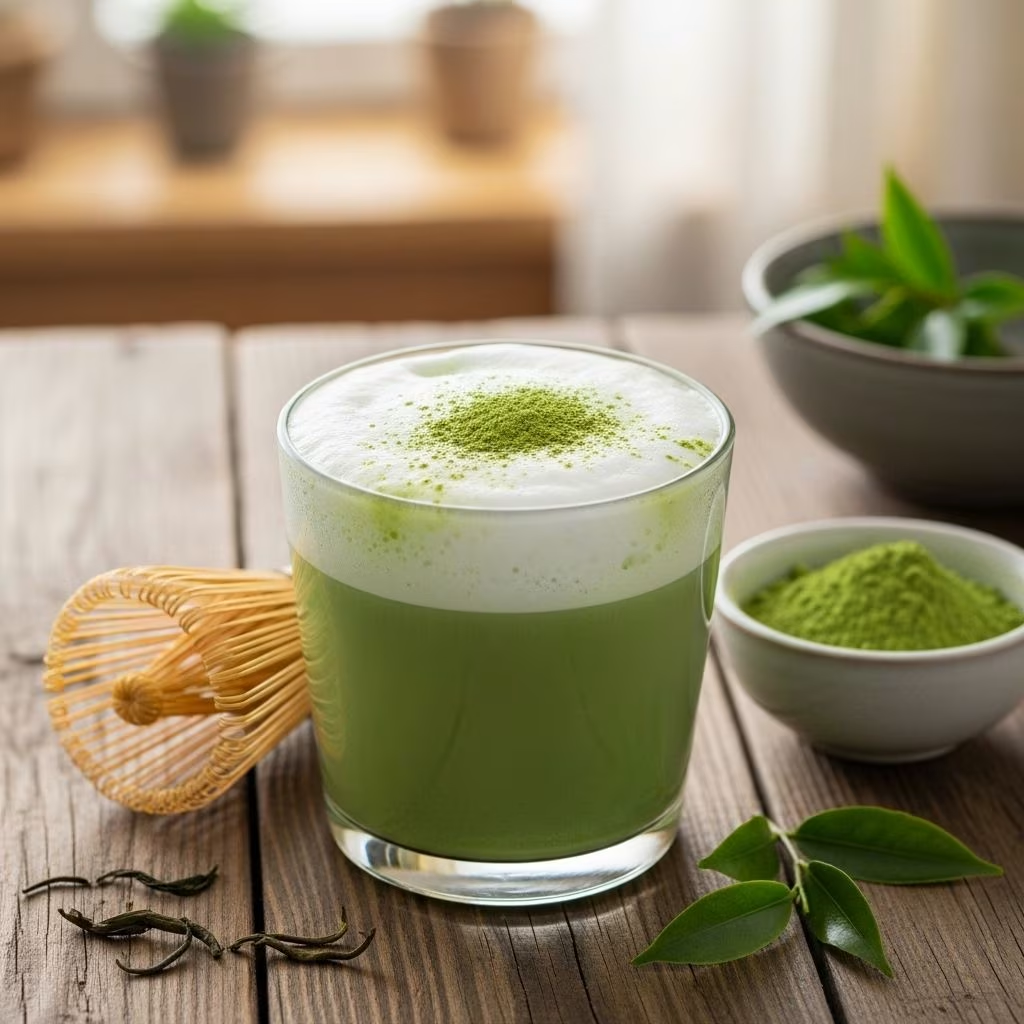
A matcha latte is a creamy, energizing beverage featuring matcha green tea powder whisked into hot water, combined with warmed milk (often plant-based), and sweetened to taste. Distinct for its bright green color and earthy flavor, matcha lattes are a popular alternative to coffee thanks to their subtle caffeine kick and high levels of antioxidants.
- Key Ingredients: Matcha powder, hot water, milk (dairy or non-dairy), optional sweetener.
- Benefits: Antioxidants, calm energy, and versatility for different diets.
- Flavor Profile: Slightly grassy, earthy, and creamy, especially with plant-based milks.
Why Homemade Matcha Lattes?
Making your own matcha latte allows you to control the ingredients, sweetness, and milk options for a beverage tailored to your taste and dietary needs.
- Cost-effective: Cheaper than buying from cafés.
- Customizable: Adjust strength, sweetness, and milk type.
- Easy: No fancy tools needed; a simple whisk or milk frother works!
Ingredients for a Basic Matcha Latte
| Ingredient | Hot Latte | Iced Latte |
|---|---|---|
| Matcha Powder | ½–1 tsp (adjust to taste) | 1–2 tsp (stronger) |
| Hot Water | ¼ cup (just below boiling) | 2 oz/60 ml (room temperature or cold) |
| Milk (coconut, almond, oat, dairy, etc.) | ¼ cup, warmed | ¾–1 cup, cold |
| Sweetener (maple syrup, honey, stevia, etc.) | To taste (optional) | To taste (optional) |
| Ice Cubes | Not needed | 1 handful |
How to Make a Matcha Latte: Step-By-Step Instructions
Step 1: Sift and Prepare Matcha
Why sift? Matcha powder naturally clumps, and sifting ensures a smooth, lump-free drink. Place ½–1 teaspoon of matcha in a fine mesh sieve over your mug or bowl and gently tap through.
Step 2: Add Hot Water & Whisk
Pour in ¼ cup hot water (just off the boil, about 175°F). Vigorously whisk the matcha using a bamboo whisk, an electric frother, or a small kitchen whisk. Use an up-and-down, side-to-side motion—not circular—to create foam and fully disperse the powder.
Step 3: Add Warmed Milk
Gently heat your choice of milk (coconut, almond, oat, or dairy) in a pan or microwave. Pour over the foamy matcha base, then whisk again to make it creamy and frothy.
Step 4: Sweeten to Taste
Add a touch of your preferred sweetener—maple syrup, honey, stevia, or agave—and whisk to combine. Taste and adjust sweetness as needed.
- Optional Step: For extra foam, use a milk frother before pouring the milk into your latte.
- Serving: Enjoy warm immediately, or pour over ice for a refreshing cold matcha latte.
Variations: Hot vs. Iced Matcha Latte
Hot Matcha Latte
- Uses warmed milk for a cozy, comforting drink.
- Best for chilly mornings or when you want a relaxing beverage.
Iced Matcha Latte
- Prepare matcha as above, but use cold water and milk.
- Pour over ice cubes in a tall glass for a refreshing, energizing option.
- Add sweetener and stir before serving.
Choosing Your Matcha Powder
The quality of your matcha powder affects both taste and color. For lattes, look for ceremonial-grade matcha rather than culinary grade, as it has a mellow flavor, a more vibrant green hue, and fewer bitter notes.
- Ceremonial Grade: Bright green, smooth flavor, best for lattes; usually more expensive.
- Culinary Grade: Duller green, slightly bitter, best for baking or cooking.
Recommended Equipment
- Bamboo Matcha Whisk (Chasen): Traditional tool for foamy, lump-free matcha.
- Milk Frother: Efficient for making milk extra creamy.
- Fine Mesh Sieve: For sifting matcha powder.
- Small Saucepan or Microwave: For gently warming milk without scorching.
- Tall Glass or Mug: For serving hot or iced lattes.
Tips for the Best Matcha Latte
- Sift the matcha powder: Prevents lumps and ensures smooth texture.
- Use high-quality matcha: Ceremonial grade is preferable for the brightest flavor and color.
- Don’t overheat milk: Warm, but not boiling, to preserve creaminess and flavor.
- Customize your base: Coconut, almond, oat, soy, or dairy milks all work well—experiment to find your favorite.
- Sweeten wisely: Start with a small amount; matcha has its own nuanced, slightly sweet taste.
- Whisk properly: Up-and-down or M-motion, not circular, for the best foam.
Health Benefits of Matcha
Besides its distinct taste and lovely color, matcha is loaded with nutrients:
- Antioxidants: Matcha boasts a high concentration, including EGCg, thought to support overall health.
- Caffeine: A matcha latte offers a gentler stimulation than coffee without jitters, thanks to L-theanine.
- Calming Effect: L-theanine in matcha supports relaxed alertness.
Sweetener Options
- Maple syrup: Adds a subtle caramel note, pairs well with plant milks.
- Honey: Natural sweetness; enhances smoothness.
- Agave: Vegan-friendly and neutral flavor.
- Stevia: Low-calorie, for sugar-free lattes.
Matcha Latte Variations & Customizations
- Replace coconut milk with almond, oat, or soy milk for different texture and flavor.
- Add vanilla extract for natural sweetness and aroma.
- Sprinkle a little cinnamon or nutmeg for warmth.
- For extra richness, top with frothed milk or a dash of coconut cream.
- Use blended iced matcha for a super creamy café-style treat.
Troubleshooting & Frequently Asked Questions
How do I prevent lumps in my matcha latte?
Sifting your matcha powder before whisking and using vigorous up-and-down whisking motions helps disperse clumps for a smooth drink. You can also use a milk frother for even mixing.
Can I make a matcha latte without a bamboo whisk?
Absolutely—a regular small kitchen whisk or an electric frother works well. The whisking technique (side-to-side/up-and-down) is more important than the tool itself.
What kind of milk should I use?
You can use any milk—dairy, oat, almond, coconut, soy. Coconut and oat milk give extra richness and foam, but dairy or other plant-based options also work.
How much caffeine is in a matcha latte?
1 teaspoon of matcha powder contains about 60–80 mg caffeine, roughly half that of a cup of brewed coffee.
How do I make a vegan matcha latte?
Simply use plant-based milk (coconut, almond, oat, soy) and a vegan sweetener (maple syrup, agave, stevia).
Is matcha healthy?
Matcha is rich in antioxidants and provides a gentle, sustained energy boost along with calming effects from L-theanine. Moderation is key, especially if sensitive to caffeine.
Can I batch make matcha lattes?
Yes. Prepare the matcha concentrate ahead (sift, whisk with water, chill), then add chilled milk and sweetener as needed. Stir well before serving; best enjoyed within 24 hours.
Popular Matcha Latte Add-Ins
- Protein Powder: For a post-workout boost.
- Collagen Peptides: To support skin and joint health.
- Superfood Boosts: Moringa or spirulina for added nutrients.
Nutrition Table (per hot coconut milk latte)
| Nutrient | Approx. Value |
|---|---|
| Calories | 55–95 (depends on milk/sweetener) |
| Caffeine | 60–80 mg |
| Antioxidants | High (depends on powder and serving size) |
| Fat | 2–6 g (varies by milk choice) |
Frequently Asked Questions (FAQs)
Q: Does matcha taste bitter?
A: High-quality ceremonial grade matcha has a mellow, grassy flavor with a touch of sweetness. Lower-grade matcha can taste bitter, but milk and sweetener help balance it.
Q: Can I use a blender instead of whisking?
A: Yes. Blend matcha powder, water, milk, and sweetener together for an ultra-smooth, frothy latte. Just avoid overheating the matcha.
Q: Can I serve matcha latte to kids?
A: Matcha contains caffeine, so it’s best for older teens and adults. If serving to children, use a small amount and consult your pediatrician.
Q: How should I store matcha powder?
A: Store matcha in an airtight container, away from light and moisture, ideally in the fridge for freshness and bright color.
Final Thoughts: Enjoying Your Matcha Latte
Once you’ve mastered the basic recipe, experiment with variations, sweeteners, and milks to create your own ideal matcha latte at home. It’s a simple, nourishing habit that brings a little green joy to your routine.
- Customize: Try different plant milks or add-ins for flavor and wellness.
- Enjoy: Savor your homemade latte warm or iced, in the morning or as an afternoon pick-me-up.
- Explore: Pair with healthy snacks or pastries for an inviting treat.
References
- https://www.smithtea.com/blogs/recipes/matcha-latte-recipe-1
- https://naokimatcha.com/blogs/recipes/iced-matcha-latte-recipe
- https://kalejunkie.com/easy-iced-matcha-latte/
- https://www.loveandlemons.com/matcha-latte/
- https://www.drink-milk.com/matcha-latte/
- https://downshiftology.com/recipes/matcha-latte/
- https://www.acozykitchen.com/matcha-iced-latte
- https://ippodotea.com/blogs/recipes-to-brew-japanese-tea/matcha-latte-recipe
- https://www.youtube.com/shorts/VpdL6_CtUDA