


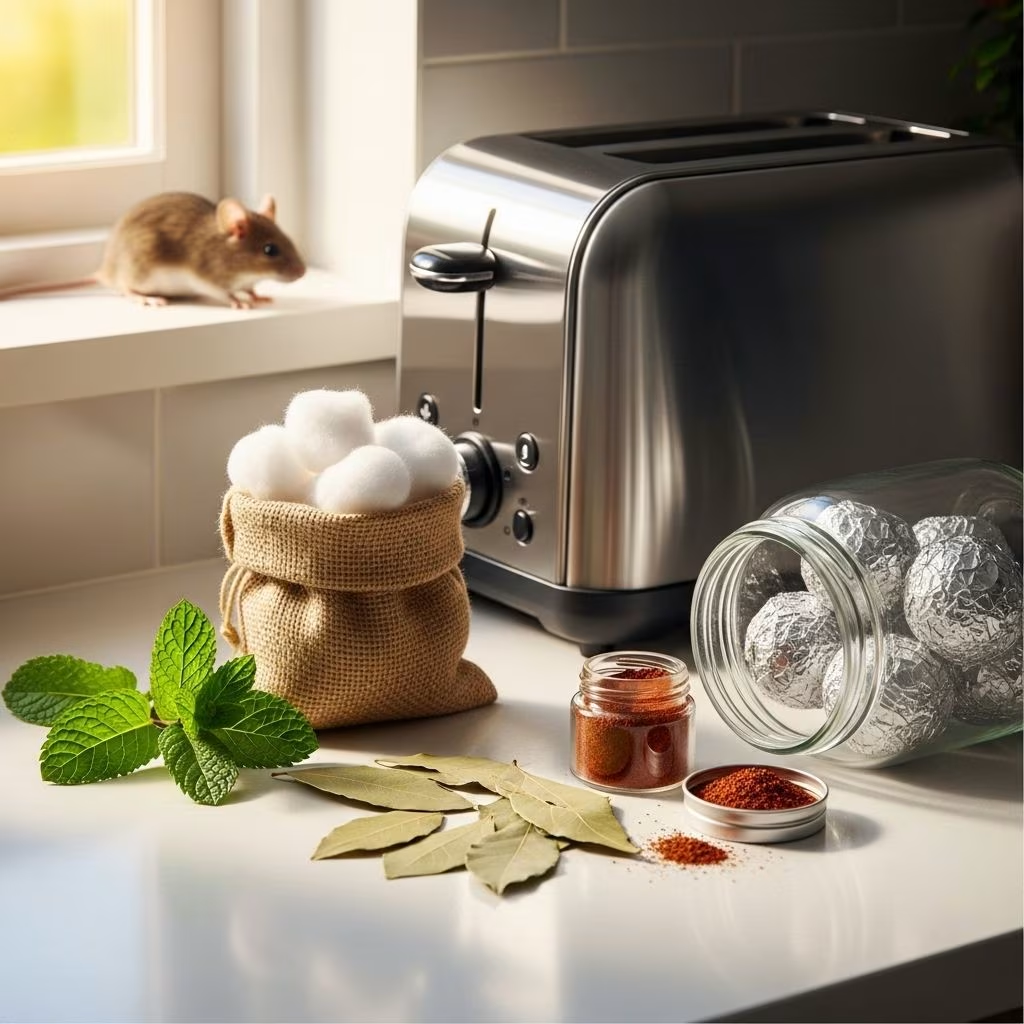
Effective Home Remedies to Get Rid of Mice: Natural Solutions for a Rodent-Free Home
Mice are unwelcome guests in any household. Not only do they pose health risks by contaminating food and surfaces, but they also cause significant damage to property. While commercial chemicals and traps are widely available, many homeowners seek natural, safe, and eco-friendly home remedies to eliminate mice from their living spaces. This comprehensive guide explores a wide variety of practical, effective, and humane DIY solutions based on extensive research and expert recommendations.
Understanding Mouse Infestations
Before tackling the problem, it helps to understand why mice enter homes in the first place. Mice seek food, water, warmth, and shelter, exploiting any weakness in building structures to invade kitchens, attics, basements, and crawl spaces. Left unchecked, these rodents rapidly breed, turning a small annoyance into a full-blown infestation.
- Common species: House mouse (Mus musculus) and deer mouse
- Risks: Food contamination, disease transmission, electrical and structural damage
- Motivations: Easy food sources, cluttered or unsealed spaces, lack of predators
Signs of Mice in the Home
Mice are stealthy, but they leave telltale clues of their presence. Early detection is crucial for effective intervention.
- Small droppings (resembles dark grains of rice)
- Gnawed packaging, wires, or furniture
- Scratching or scurrying sounds at night
- Nest materials (shredded paper, fabric, insulation)
- Grease marks along walls or baseboards
Why Choose Natural Remedies?
While chemical rodenticides and traps are available, they pose risks to children, pets, and the environment. Many are turning to natural methods for several reasons:
- Safety: Non-toxic ingredients reduce risk to humans and pets
- Eco-friendliness: Natural solutions do not harm the environment
- Humane: Many methods repel rather than kill, promoting humane pest control
- Availability: Most remedies use inexpensive, readily available household items
Top Home Remedies to Get Rid of Mice
Experts and homeowners alike vouch for the effectiveness of several natural ingredients and techniques to drive away mice. Here is an in-depth look at the top home remedies, complete with practical application instructions.
1. Essential Oils: Potent Scent-Based Repellents
Mice have a highly developed sense of smell, making strong-scented plants and oils excellent deterrents.
- Peppermint Oil: Soak cotton balls in pure peppermint oil and place them in areas prone to mice activity (closets, along floorboards, under sinks, in attics and pantries). Refresh regularly for continued effect.
- Sage, Lavandin, Eucalyptus, Laurel, Clove: Other effective oils; use similarly by soaking cotton balls or diffusing in affected rooms.
- Cayenne, Cloves: Combine essential oils with dried herbs (cheesecloth sachets with cayenne, mint, cloves) to enhance repellent power.
Safety Note: Essential oils can be harmful to some pets, especially cats and dogs. Place them carefully in areas inaccessible to pets and children.
2. Aluminum Foil: A Surprising Barrier
Mice dislike the texture, sound, and odor of aluminum foil, making it a simple physical deterrent.
- Line shelves, wrap pipes, or cover areas where mice enter or travel with sheets or balls of foil
- Wrap objects you wish to protect, such as food containers or wiring
Since mice cannot cling to foil, this barrier prevents access to certain spots in the home.
3. Baking Soda: A Natural but Lethal Solution
Baking soda is poisonous to mice, causing fatal gas buildup when ingested.
- Sprinkle baking soda along travel paths or suspected nest areas
- Mix baking soda with attractive bait (peanut butter, cereal, dried fruit, or sugar) and place in small dishes or containers where mice are active
Avoid this remedy if children or pets can reach the bait, as ingestion could be harmful to them.
4. Instant Potatoes and Other Kitchen Concoctions
Common pantry staples can serve as effective DIY mice baits.
- Instant Potato Flakes: Place potato flakes in shallow dishes near mouse activity. Once consumed, flakes expand in the mouse’s stomach, causing dehydration and death.
- Self-Rising Flour/Baking Soda/Sugar Mix: Mix equal parts of self-rising flour, baking soda, and sugar. Mice eat the bait, and the baking soda proves fatal.
- Cornmeal, Pancake Mix, Cement Powder: Blend equal parts of dry pancake mix or cement powder with oatmeal; place in strategic locations (out of reach of pets/kids).
- Sweetened Condensed Milk & Cement Powder: Mix as a sticky bait for hard-to-trap rodents.
Always ensure such mixtures are placed where only mice, not pets or children, can access them.
5. Cat Power: Feline Presence as Repellent
The mere scent and presence of a cat can be enough to discourage mice from entering the home.
- Active, hunting cats are ideal; however, even less-inclined felines create repellent odors perceived as threats by mice.
- In homes without cats, synthetic predator scents or even stuffed animal toys can sometimes deter mice by signaling danger.
6. Used Cat Litter: Scent-Based Deterrent
Used cat litter emits a predator scent that mice instinctively avoid.
- Sprinkle used, scented litter along baseboards and suspected mouse routes.
- Enhance with drops of vinegar for increased repellent effect.
7. Vinegar and Apple Cider Vinegar
The strong odor of vinegar can repel mice, though it must be regularly reapplied.
- Soak cotton balls in white or apple cider vinegar; place in infested areas, refresh daily.
8. Ammonia
Mice mistake the sharp scent of ammonia for predator urine, prompting avoidance.
- Place small open dishes of ammonia where mice travel, but keep far from children and pets as ammonia vapors can irritate eyes and lungs.
9. Fabric Softener Sheets
Some homeowners report mild success tucking fabric softener sheets in drawers and cupboards to deter mice, thanks to their strong scent.
- Replace regularly as scent fades.
10. DIY Sachets and Natural Sprays
- Sachets with dried cayenne, mint, and cloves can be stashed in mouse-prone areas for prolonged scent release.
- DIY spray: Dilute essential oils or vinegar with water in a spray bottle, mist baseboards, entry points, and dark corners.
Comparison Table: Top Natural Mouse Remedies
| Remedy | Repellent/Eliminator | Main Ingredient | Main Risk/Limitations |
|---|---|---|---|
| Essential Oils | Repellent | Peppermint, Sage, Eucalyptus | May harm pets |
| Aluminum Foil | Barrier | Foil sheets/balls | Limited area coverage |
| Baking Soda | Eliminator | Baking Soda | Toxic to pets/kids |
| Instant Potatoes | Eliminator | Potato flakes | Placement safety required |
| Cat Litter | Repellent | Used litter | Odor, hygienic concerns |
| Ammonia | Repellent | Liquid ammonia | Strong odor; not safe for pets/kids |
| Vinegar | Repellent | Apple cider or white vinegar | Scent dissipates quickly |
Prevention and Exclusion Techniques
Remedies are most effective when paired with strong prevention. Block entry points and eliminate attractants to discourage new infestations.
- Seal all cracks and crevices: Use caulk, steel wool, or wire mesh to close gaps around pipes, windows, doors, vents, and foundations
- Store food in airtight containers: Prevent food access by using glass, metal, or sturdy plastic bins
- Maintain cleanliness: Clean crumbs, spills, and trash regularly; avoid clutter that offers hiding spots
- Fix leaks: Remove sources of standing water
- Trim exterior vegetation: Keep shrubs, branches, and mulch away from the foundation to reduce nesting opportunities
- Secure exterior trash bins: Use strong lids and clean bins frequently
Bonus: Humane Mouse Removal Methods
Natural remedies and exclusion are often enough, but for persistent or large infestations, humane removal is a responsible option. Consider these alternatives:
- Live traps: Bait and capture mice, then release at least a mile from your home
- Bucket traps: DIY multi-catch bucket traps use ramps and spinning mechanisms to catch mice alive
- Monitor traps: Use non-lethal traps that alert you to mouse activity and allow safe relocation
When using live traps, check them frequently and ensure rapid relocation to appropriate habitats.
Frequently Asked Questions (FAQs)
Q: Are natural mouse repellents safe for pets and children?
Most natural repellents (essential oils, baking soda, ammonia) can be dangerous to pets and children if ingested or inhaled in large amounts. Always place remedies where pets and children cannot reach them and consult with a veterinarian regarding any risks.
Q: How often should I refresh or reapply natural remedies?
Strong scents fade in days. Reapply essential oils, vinegar, or ammonia every 3–7 days, or sooner if odors dissipate.
Q: Can I use multiple remedies at once?
Yes. Combining scent-based repellents, physical barriers, and exclusion approaches offers multilayered protection and increases effectiveness; just be mindful of overlapping risks and potential toxicity.
Q: What if home remedies don’t work?
If infestations persist despite natural remedies and exclusion, seek professional pest control for safe, targeted intervention.
Q: How can I prevent mice from returning?
Focus on sealed entry points, airtight food storage, regular cleaning, and limiting clutter. Ongoing vigilance is key to keeping your home rodent-free.
Q: Are mice dangerous?
Mice carry pathogens and can contaminate food or surfaces, gnaw wires (risking fire), and breed quickly. Prompt action is recommended.
Q: What’s the best home remedy?
No single solution works for every home. Many experts recommend peppermint oil, thorough exclusion, and continual cleanliness as foundational strategies.
Conclusion
Natural home remedies to get rid of mice are effective, safe, eco-friendly, and available to everyone with common household products. By combining scent-based deterrents, physical barriers, and preventative measures, you can reclaim your living space and keep mice away for good. For ongoing issues, humane removal and professional support may be necessary. Stay proactive, stay safe, and enjoy a mouse-free home.
References
- https://eliteextermination.com/en/news/how-to-keep-mice-away-naturally/
- https://mosquitonix.com/blogs/news/home-remedies-for-getting-rid-of-mice-in-the-walls
- https://www.youtube.com/watch?v=QS7-cafAb9s
- https://tomcatbrand.com/en-us/how-to-control/how-to-get-rid-of-mice-naturally.html
- https://www.youtube.com/watch?v=N4_Q20nszr8


