


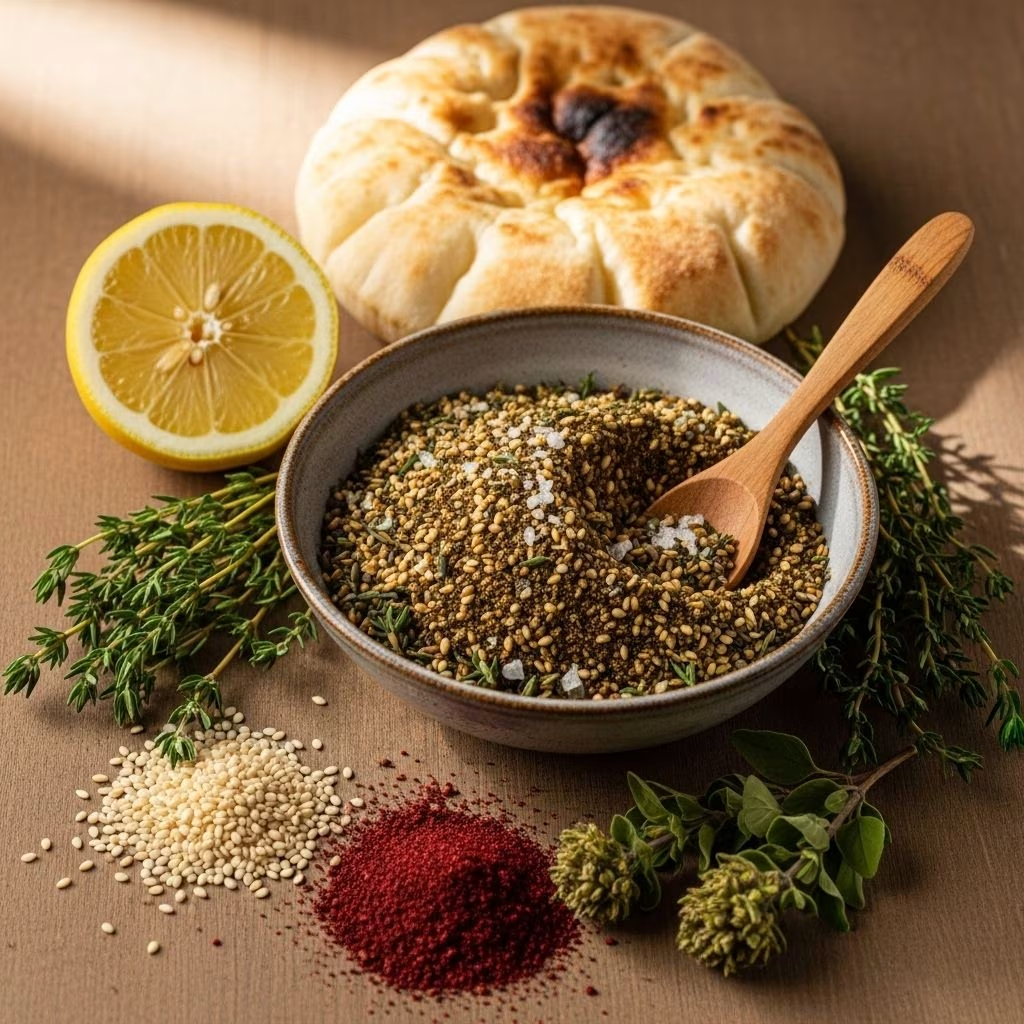
What Is Za’atar?
Za’atar (pronounced /ˈzɑːtɑːr/) is both a name for a wild herb native to the Levant and a spice blend that has become a cornerstone of Middle Eastern cuisine and culture. The term “za’atar” can refer to the plant itself—a shrub-like species known scientifically as Origanum syriacum—or to the prepared spice mixture that typically includes dried thyme, oregano, marjoram, toasted sesame seeds, sumac, and salt.
The spice blend is renowned for its complex, tangy, and aromatic flavor, and is used to season flatbreads, dips, salads, and more. Za’atar is not just a culinary ingredient; it is a symbol of tradition, cultural identity, and shared heritage across the Levant and the wider Middle East.
Origins and History
Za’atar’s roots stretch back millennia, with evidence suggesting its use in ancient Egypt and references in classical antiquity. The herb was prized by pharaohs, mentioned in ancient texts by botanists like Dioscorides, and even found in the tomb of King Tutankhamun. The spice blend, as known today, was first documented in the 12th century, though regional variations have existed since time immemorial.
Originally from Palestine, za’atar quickly spread throughout the Levant—an area encompassing modern-day Lebanon, Syria, Jordan, Palestine, and Israel—where it became ubiquitous in homes and markets. The plant and its preparation have been used for food, medicine, ritual cleansing, and even perfume, illustrating its importance beyond the kitchen.
Key Ingredients in Za’atar
While recipes vary, the core ingredients of za’atar spice blends generally include:
- Dried Thyme or Origanum syriacum: The primary herb, often referred to as wild thyme or Bible hyssop, provides a robust, aromatic base.
- Sumac: This red berry imparts a sharp, citrusy tang, essential for the blend’s signature taste.
- Sesame Seeds: Lightly toasted, they add a nutty flavor and crunchy texture.
- Salt: Enhances and balances the flavors.
- Oregano/Marjoram: Sometimes blended with or used as substitutes for the primary herb.
Depending on the region, additional spices such as caraway (in Palestinian blends), cumin, coriander, or fennel may be included.
Sensory Profile: How Does Za’atar Taste?
Za’atar delivers a multi-layered flavor experience:
- Earthy and Herbal: The thyme, oregano, and marjoram provide a deep, herby undertone.
- Tangy and Citrusy: Sumac brings a tart, lemony sharpness that is distinct and memorable.
- Nutty: The toasted sesame seeds add a subtle crunch and nuttiness.
- Salty: A touch of salt rounds out the blend.
This unique combination makes za’atar a versatile seasoning that can elevate both simple and complex dishes.
Health Benefits of Za’atar
Za’atar is celebrated not only for its taste but also for its health-promoting properties:
- Rich in Antioxidants: The herbs, especially thyme and oregano, contain compounds that help fight oxidative stress.
- Anti-Inflammatory: Sumac and the herbal components have natural anti-inflammatory effects.
- Digestive Aid: Historical texts, including those by Maimonides, mention za’atar’s benefits for digestion.
- Mineral Content: Sesame seeds are a good source of calcium and healthy fats, while sumac offers vitamin C and flavonoids.
- Tradition of Mental Alertness: Some Palestinian traditions associate za’atar with mental clarity and alertness.
Culinary Uses of Za’atar
Za’atar is an incredibly versatile seasoning used in a wide range of dishes:
- Flatbreads (Manakish/Manousheh): Za’atar mixed with olive oil is spread on dough and baked, resulting in a popular Levantine breakfast or snack.
- Dips: Combine za’atar with labneh (strained yogurt), hummus, or olive oil for a unique flavor boost.
- Vegetables: Sprinkle over roasted or grilled vegetables for a Middle Eastern twist.
- Meats and Fish: Use as a rub or marinade for chicken, lamb, or fish.
- Salads: Toss with salads for added depth and herbal notes.
- Eggs and Cheese: Perfect with feta, halloumi, or scrambled eggs.
- Olive Oil Blend (Za’atar-wu-Zayt): Mix with olive oil for a simple, flavorful dip with bread.
Regional Variations
Za’atar’s composition varies by region and even by family, adapting to local palates and available ingredients:
| Region | Distinctive Ingredients | Flavor Profile |
|---|---|---|
| Lebanon | Extra sumac, sometimes orange zest | Tangy, citrus-forward, dark red |
| Palestine | Caraway seeds | Herbal with a hint of caraway warmth |
| Syria/Jordan | Savory, cumin, coriander, fennel | Complex, slightly spicy, aromatic |
In modern markets, za’atar may include bulking agents like wheat flour, but high-quality blends focus on herbs and spices.
How to Use Za’atar in Your Kitchen
Incorporating za’atar into your cooking is easy and rewarding. Here are some ideas:
- Sprinkle: Over hummus, labneh, avocado toast, or fresh bread with olive oil.
- Marinate: Rub onto chicken, fish, or tofu before roasting or grilling.
- Season: Add to roasted potatoes, carrots, or cauliflower.
- Mix: Blend with olive oil for a simple dip or salad dressing.
- Bake: Use in breads, focaccia, or pizza dough.
Za’atar’s robust, tangy flavor pairs well with yogurt-based dishes, grains like rice and bulgur, and even popcorn for a unique snack.
Where to Buy Za’atar
Za’atar can be found in Middle Eastern grocery stores, specialty spice shops, and increasingly in mainstream supermarkets. For the freshest taste, look for blends that list only natural ingredients—herbs, sesame seeds, sumac, salt—and avoid those with fillers or preservatives. Online retailers specializing in Middle Eastern products also offer high-quality za’atar.
Storage Tips
To preserve its aroma and flavor:
- Store za’atar in an airtight container, away from light and heat.
- For long-term freshness, consider refrigeration.
- Ground blends lose their potency faster than whole blends, so buy in small quantities or grind your own for peak flavor.
Frequently Asked Questions (FAQs)
What is za’atar made of?
Za’atar is a traditional Middle Eastern spice blend typically made from dried thyme (or Origanum syriacum), sumac, toasted sesame seeds, salt, and often oregano and/or marjoram.
What does za’atar taste like?
Za’atar tastes earthy and herbal from the thyme, oregano, and marjoram, with a distinctive tangy, citrusy note from sumac and a nutty crunch from sesame seeds.
What are the health benefits of za’atar?
Za’atar is rich in antioxidants, has anti-inflammatory properties, and offers digestive benefits. It is also a source of minerals and vitamins from its herbal and sumac components.
How do you use za’atar in cooking?
Za’atar is used to season flatbreads, dips, roasted vegetables, meats, fish, salads, eggs, and cheese. It is often mixed with olive oil as a dip or spread.
Is za’atar gluten-free?
Traditional za’atar is gluten-free, but some commercial blends may contain wheat flour as a bulking agent. Always check the label if you have dietary restrictions.
Where does za’atar come from?
Za’atar originates from the Levant region (modern-day Lebanon, Syria, Jordan, Palestine, Israel), where the plant grows wild and the spice blend has been a culinary staple for centuries.
Can I make za’atar at home?
Yes, you can make za’atar at home using dried thyme, sumac, toasted sesame seeds, salt, and optionally oregano and marjoram. Adjust the proportions to suit your taste.
Conclusion
Za’atar is much more than a spice blend—it is a cultural icon, a sensory delight, and a healthy addition to any pantry. With its ancient origins, diverse regional variations, and unparalleled flavor, za’atar continues to captivate palates around the world. Whether used in traditional Levantine dishes or creative modern recipes, za’atar brings a touch of Middle Eastern magic to every meal. Embrace its versatility, savor its unique taste, and discover for yourself why this humble blend has endured through the ages.


