


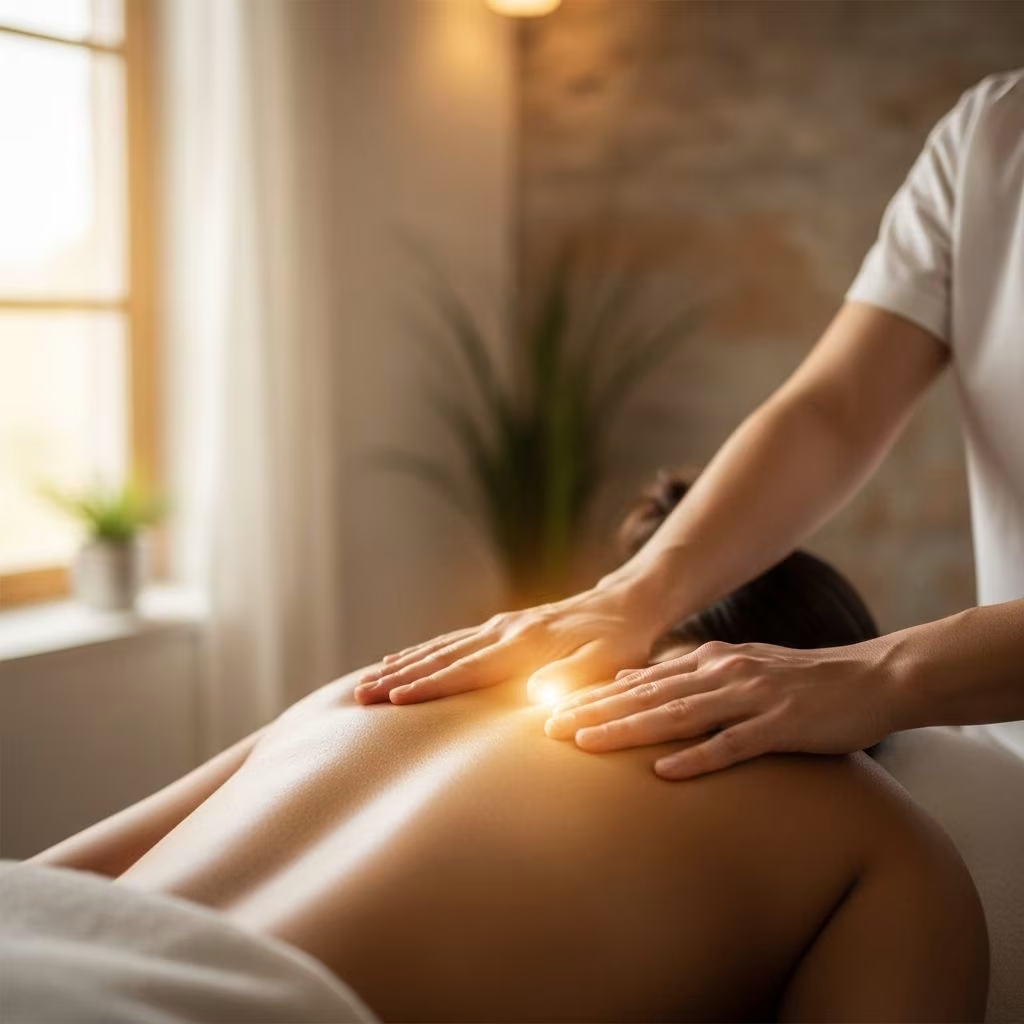
The rising prevalence of panic disorder and anxiety has led many individuals to seek complementary treatments alongside conventional therapies. Among these, massage therapy stands out as a widely adopted holistic approach that supports mental health and emotional balance. This article explores the science, mechanisms, effectiveness, and practical tips for using massage to manage panic disorder, providing a thorough guide for individuals considering this relaxing intervention.
Understanding Panic Disorder
Panic disorder is characterized by recurring and unexpected panic attacks—sudden episodes of intense fear accompanied by physical symptoms such as heart palpitations, shortness of breath, chest pain, dizziness, and feelings of unreality or loss of control.
- Panic attacks often occur unexpectedly and can last from several minutes up to half an hour.
- Those with panic disorder may develop persistent fear of future attacks, which can impact daily functioning and lead to avoidance behaviors.
- Physical signs include trembling, sweating, nausea, chills or hot flashes, and tingling or numbness.
- The underlying causes involve a combination of genetics, biological factors, stress, and certain cognitive or behavioral patterns.
Traditional and Complementary Treatments for Panic Disorder
Standard treatments for panic disorder typically involve:
- Cognitive Behavioral Therapy (CBT): A structured form of psychotherapy addressing thought patterns and triggers.
- Medication: Antidepressants (such as SSRIs) or short-term use of anti-anxiety medications.
- Lifestyle modifications: Stress management, regular exercise, and sleep hygiene.
Massage therapy falls under the category of complementary or integrative therapies. It is often used to relieve associated symptoms, such as muscular tension and anxiety, and to promote overall mental and physical balance.
How Massage Therapy Works: Mechanisms of Action
Massage therapy uses deliberate manual techniques—such as kneading, stroking, and pressure application—to manipulate the soft tissues of the body. Here’s how these actions may help reduce panic and anxiety symptoms:
- Activation of the Parasympathetic Nervous System: Massage encourages the body to move from a ‘fight or flight’ state (sympathetic dominance) to a ‘rest and digest’ state (parasympathetic activation). This shift facilitates deep relaxation, reduces heart rate, and balances stress hormones.
- Reduction of Cortisol Levels: Regular massages can lower the body’s main stress hormone, cortisol, leading to decreased feelings of anxiety and stress.
- Release of Endorphins and Serotonin: Gentle touch triggers the release of neurotransmitters that are associated with mood elevation and pain relief, helping to lift emotional states.
- Decreased Muscular Tension: Chronic anxiety often leads to muscle tightness, headaches, and pain. Massage relaxes these areas, creating physical comfort and reducing psychological distress.
- Enhanced Body Awareness: The mindful aspect of receiving a massage can ground individuals, fostering a sense of connection and calm that contrasts with the dissociative sensations of panic.
Benefits of Massage Therapy for Anxiety and Panic Disorder
Research supports various benefits of massage for people struggling with anxiety and panic disorder, including:
- Immediate reduction in anxiety: Many recipients report feeling calmer and more centered immediately after a massage session, with effects sometimes lasting well beyond the appointment.
- Improvement in sleep quality: Enhanced relaxation and physiological calm contribute to better sleep patterns, a key factor in anxiety management.
- Reduced frequency and intensity of panic attacks: While massage does not cure panic disorder, its calming effect may decrease the likelihood of attacks or help individuals recover more quickly.
- Increased sense of control: Regular self-care rituals, like scheduling massage, can empower individuals and help re-establish trust in their body’s ability to relax and recover.
- Complementary to psychotherapy: Massage can be safely combined with traditional mental health interventions to enhance overall treatment outcomes.
Recent Scientific Findings
Several studies underscore the effectiveness of massage therapy for anxiety and panic-related symptoms:
- A 2024 systematic review of 34 studies found that 83% of massage-focused research reported significant reductions in anxiety. These results were consistent across various populations and massage modalities.
- Short-term interventions, such as a 10-minute massage, were shown to boost heart rate variability—a marker of relaxation and parasympathetic activity.
- Patients experiencing chronic pain and concurrent mood disorders reported decreased depression and improved body image after targeted massage sessions.
Massage Therapy in Practice: Styles and Suitability
Massage therapy encompasses a range of styles. The following table compares popular types relevant to anxiety and panic disorder:
| Type of Massage | Description | Benefit for Anxiety/Panic |
|---|---|---|
| Swedish Massage | Gentle, flowing strokes; light to medium pressure | Promotes deep relaxation and stress reduction |
| Aromatherapy Massage | Incorporates essential oils | Enhances mood and calms the nervous system |
| Deep Tissue Massage | Targets deeper muscle layers | Relieves chronic muscle tension, may suit those with significant physical discomfort |
| Shiatsu | Japanese technique using finger pressure along energy meridians | Balances energy and provides a sense of grounding |
| Traditional Thai Massage | Combines acupressure, assisted stretching | Shown to decrease depression severity and improve quality of life in clinical trials |
Is Massage Therapy Effective for Panic Disorder?
The evidence supporting massage as an adjunct treatment for panic disorder and anxiety is promising:
- In clinical trials involving people with diagnosed generalized anxiety disorder (GAD), massage produced improvements in anxiety symptoms similar to thermotherapy and relaxation-focused room therapy.
- Much of the benefit is attributed to the relaxation response induced by massage, including deep breathing, calming music, and focused attention—even outside of the physical manipulation itself.
- Massage is not a replacement for professional psychiatric care but may serve as a valuable addition to a comprehensive treatment plan for panic disorder.
Considerations and Limitations
While massage therapy offers many benefits, it is important to consider the following:
- Degree of symptom relief varies: Not all clients experience the same level of anxiety reduction; genetics, type of massage, frequency, and co-existing medical conditions play a role.
- No substitute for medical intervention: Severe or life-impacting panic disorder is best addressed with evidence-based therapies such as CBT and, if necessary, medication.
- Potential discomfort with touch: Some individuals with panic disorder may be sensitive to physical touch or may find the intimacy of massage triggering. If so, communicate concerns to your therapist or consider alternative relaxation methods.
- Professional standards matter: Always seek treatment from a licensed, experienced massage therapist, especially if you have underlying health issues.
- Cost and accessibility: Regular massage sessions can be expensive and may not be covered by insurance unless medically prescribed.
Integrating Massage into a Panic Disorder Self-Care Plan
To maximize benefits, consider these tips when incorporating massage therapy into your anxiety management routine:
- Track your symptoms: Keep a journal before and after sessions to monitor your body’s response and evaluate effectiveness.
- Combine with other practices: Mindfulness, yoga, meditation, and breathing exercises may amplify the relaxation effects of massage.
- Communicate with your therapist: Share your anxiety history and any body areas that are particularly sensitive or need attention.
- Try different styles: What works best for one individual may differ for another; experiment with Swedish, aromatherapy, or Thai massage to find your preference.
- Set realistic expectations: While some feel immediate relief, others may require multiple sessions to notice consistent benefits.
Who Should Avoid Massage or Use Caution?
Although massage therapy is generally safe, certain individuals should consult a healthcare provider first:
- Those with infectious skin conditions, open wounds, or bruising
- People with uncontrolled hypertension or heart disease
- Individuals with certain bleeding disorders or who are on blood-thinning medications
- Pregnant women, unless the massage therapist is specifically trained in prenatal massage
- Anyone experiencing psychosis, severe trauma reactions, or strong aversion to touch
What to Expect During a Massage for Anxiety or Panic Disorder
Feeling anxious before your first session is common. Here’s what typically happens:
- Your therapist will discuss your symptoms, preferences, and any health conditions.
- The room will be quiet or softly lit, often with calming music and aromatherapy options.
- You’ll be draped with sheets or towels to preserve privacy; only the area being worked on is exposed at any time.
- Sessions typically last 30 to 90 minutes, depending on your preference and tolerance.
- You are encouraged to communicate any discomfort, customize pressure, or end the session at any time.
Scientific Evidence Supporting Massage for Mental Health
- Numerous studies and systematic reviews affirm the positive effect of massage on anxiety and depression symptoms in various populations, including people with chronic pain, surgical patients, and those with major depressive disorder.
- Massage can promote emotional well-being by lowering physiological markers of stress and increasing satisfaction with life.
- According to recent research, the relaxation response generated by massage activates pathways in the nervous system that contribute to emotional regulation and resilience.
Frequently Asked Questions (FAQs)
How often should I get massage therapy for panic disorder?
Frequency depends on individual needs and severity of symptoms. Many benefit from weekly or biweekly sessions, while others find a monthly schedule sufficient for maintenance. Consultation with your therapist can help determine the best plan for you.
Can massage therapy replace medication or psychotherapy for panic disorder?
No. While massage may help reduce anxiety and stress, it should not replace evidence-based treatments like psychotherapy or necessary medication. It’s best used as a complementary approach.
Is there any risk of massage triggering a panic attack?
For most individuals, massage is calming. However, some may feel uncomfortable with touch or certain techniques. Communicate openly with your therapist about any fears, and stop the session if you feel distressed.
Are there types of massage that are especially helpful for anxiety?
Gentle modalities such as Swedish, aromatherapy, and craniosacral massage are often soothing. Traditional Thai massage has shown benefits for depression in clinical trials, but the optimal style differs by individual preference.
Does insurance cover massage therapy for panic disorder?
Coverage varies by provider and location. Some insurance plans may cover massage when prescribed by a physician for a diagnosed medical condition. Always check with your insurer in advance.
Summary Table: Massage Therapy for Panic Disorder
| Aspect | Details |
|---|---|
| Symptom relief | Reduces immediate anxiety, muscular tension, may ease frequency/intensity of panic attacks |
| Mechanisms | Activates relaxation response, diminishes stress hormones, increases mood-boosting neurotransmitters |
| Best for | Mild-to-moderate panic disorder, as a supplement to primary psychiatric care |
| Limitations | Not a cure or replacement for evidence-based mental health care; effects may vary |
| Safety | Generally safe; caution for certain medical conditions and personal preferences regarding touch |
Key Takeaways
- Massage therapy provides a safe, holistic, and research-backed approach to reduce anxiety and panic symptoms.
- Scientific studies confirm the psychological and physiological advantages of massage, with significant improvements seen across diverse groups.
- Integrating massage therapy into a comprehensive mental health routine can support emotional well-being and overall quality of life.
- Always consult with a licensed professional for panic disorder, and use massage as a complementary—not stand-alone—strategy for long-term success.
References
- https://www.amtamassage.org/about/news/research-supports-massage-for-mental-health/
- https://pmc.ncbi.nlm.nih.gov/articles/PMC2922919/
- https://www.amtamassage.org/about/news/press-release-massage-for-mental-health/
- https://scholars.indianastate.edu/cgi/viewcontent.cgi?article=1002&context=honorsp
- https://www.nwhealth.edu/blog/benefits-of-massage-therapy/
- https://www.mayoclinichealthsystem.org/hometown-health/speaking-of-health/massage-for-depression-anxiety-and-stress
- https://www.integrativehealthcare.org/mt/massage-for-panic-attacks/


