


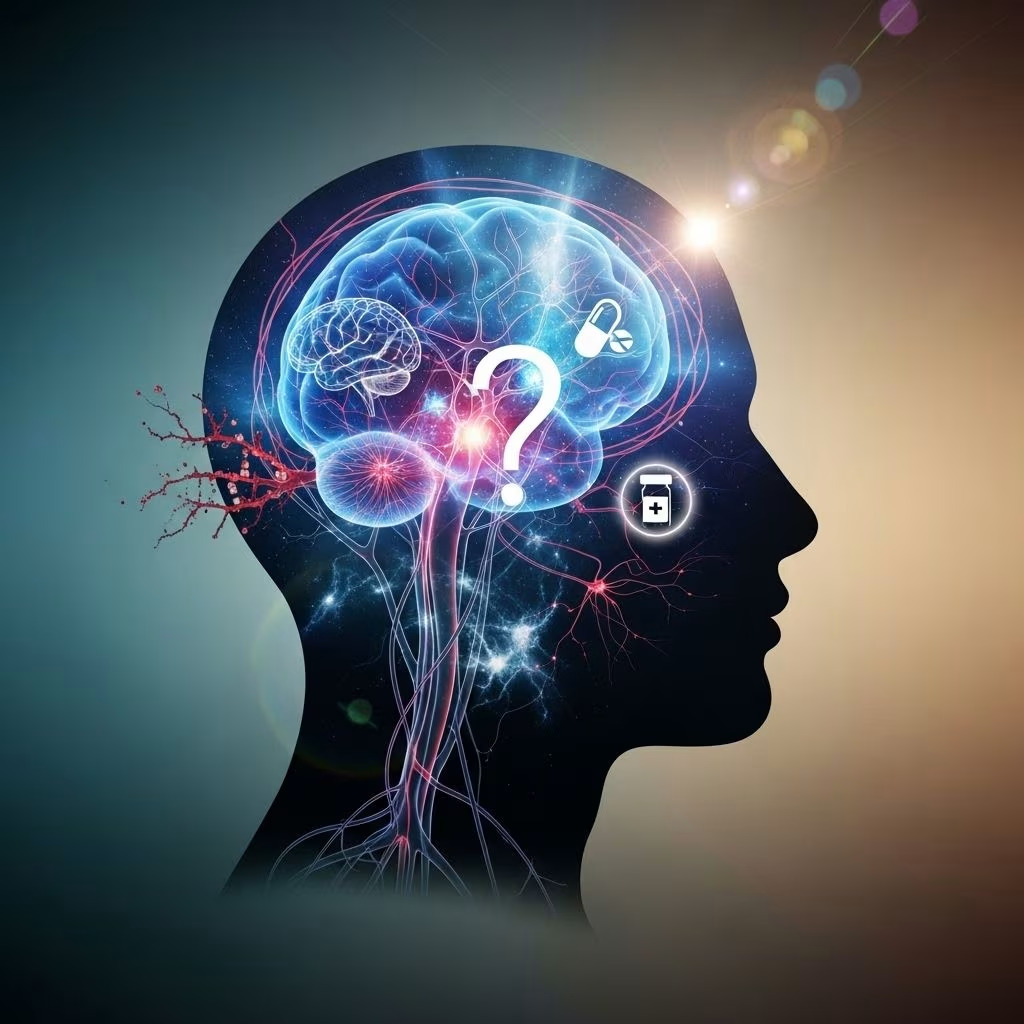
What Are Psychiatric Disorders?
Psychiatric disorders, also referred to as mental illnesses or mental health conditions, encompass a wide range of mental, emotional, and behavioral challenges that affect an individual’s thinking, mood, and conduct. These conditions can significantly impact daily functioning, relationships, and overall quality of life. Psychiatric disorders vary in severity, duration, and manifestations, and they affect millions of people globally each year.
Defining Psychiatric Disorders
A psychiatric disorder involves characteristic patterns of thoughts, feelings, and behaviors that disrupt cognitive, emotional, or social functioning. These disturbances often arise from biological, psychological, or environmental factors and can be chronic or episodic.
- Also called mental illnesses or mental health conditions
- Involve abnormal behaviors, thoughts, or emotions
- May affect relationships and daily living
Classification of Psychiatric Disorders
Mental health professionals classify psychiatric disorders using internationally recognized criteria, such as those outlined in the Diagnostic and Statistical Manual of Mental Disorders (DSM-5) and the International Classification of Diseases (ICD-10). These manuals provide guidelines for identifying and diagnosing different categories of disorders.
Major Categories of Psychiatric Disorders
- Anxiety Disorders
- Mood Disorders
- Psychotic Disorders
- Personality Disorders
- Eating Disorders
- Obsessive-Compulsive and Related Disorders
- Neurodevelopmental Disorders
- Substance-Related Disorders
Common Psychiatric Disorders
| Disorder Type | Examples | Key Symptoms |
|---|---|---|
| Anxiety Disorders | Generalized Anxiety Disorder (GAD), Social Anxiety Disorder, Panic Disorder, Phobias | Nervousness, excessive worry, restlessness |
| Mood Disorders | Major Depressive Disorder, Bipolar Disorder | Persistent sadness, mood swings |
| Psychotic Disorders | Schizophrenia, Brief Psychotic Disorder | Delusions, hallucinations, disorganized thinking |
| Personality Disorders | Borderline Personality Disorder, Antisocial Personality Disorder | Difficulty in interpersonal relationships, emotional instability |
| Eating Disorders | Anorexia Nervosa, Bulimia Nervosa, Binge Eating Disorder | Disturbed eating behaviors, unhealthy body image |
| Obsessive-Compulsive and Related Disorders | Obsessive-Compulsive Disorder (OCD), Body Dysmorphic Disorder | Obsessions, compulsions, repetitive behaviors |
| Neurodevelopmental Disorders | Autism Spectrum Disorder, ADHD | Impaired social skills, attention difficulties |
| Substance-Related Disorders | Alcohol Use Disorder, Opioid Use Disorder | Compulsive substance use despite harm |
Prevalence and Impact
Psychiatric disorders are among the most common health conditions worldwide. According to the National Alliance on Mental Illness (NAMI), approximately 1 in 5 adults in the United States experience a mental health disorder annually. The prevalence rates vary depending on disorder type, age, gender, and socioeconomic status.
- High prevalence globally
- Significant impact on quality of life and functioning
- Stigma and misunderstanding still present
Common Symptoms Associated with Psychiatric Disorders
The symptoms of psychiatric disorders differ depending on the specific condition but generally include:
- Changes in mood (anxiety, depression, irritability)
- Altered thinking (delusions, obsessional thoughts)
- Behavioral changes (withdrawal, compulsive acts)
- Cognitive difficulties (poor concentration, memory problems)
- Physical complaints (sleep disturbances, appetite changes)
Notably, symptoms must cause significant distress or impairment in social, occupational, or other important areas of functioning to be considered part of a psychiatric disorder.
Diagnosis of Psychiatric Disorders
Diagnosis is performed by mental health professionals through comprehensive assessment, which includes:
- Clinical Interview: Direct questions about history, symptom patterns, and daily functioning.
- Psychological Testing: Use of standardized tools and scales to assess mood, anxiety, cognition.
- Collaboration: Input from caregivers, teachers, or family for more complete understanding.
- Diagnostic Criteria: Application of DSM-5/ICD-10 guidelines for formal diagnosis.
Diagnostic accuracy is crucial for developing effective treatment plans. Misdiagnosis can lead to ineffective or harmful interventions.
Treatment Approaches
Though psychiatric disorders can be challenging, multiple effective treatments are available, tailored to individual needs. These include:
- Psychotherapy (Talk Therapy): Cognitive behavioral therapy (CBT), dialectical behavior therapy (DBT), psychodynamic therapy, family therapy.
- Medications: Antidepressants, antipsychotics, mood stabilizers, anxiolytics.
- Lifestyle Modifications: Exercise, dietary adjustments, sleep hygiene, stress management.
- Social Support: Involvement of family, peer support groups, community resources.
- Hospitalization: In severe cases, inpatient treatment for stabilization and safety.
Goals of Treatment
- Symptom relief
- Restoring functioning
- Enhancing coping skills
- Preventing relapse and promoting recovery
Living With Psychiatric Disorders
Managing a psychiatric disorder involves ongoing care, self-awareness, and proactive involvement in treatment. Strategies include:
- Adhering to medication regimens
- Regular therapy sessions
- Establishing healthy daily routines
- Seeking support when needed
Early intervention and consistent support can lead to improved outcomes and quality of life for individuals and families affected by psychiatric conditions.
Stigma and Myths Surrounding Psychiatric Disorders
Misinformation and prejudice about mental illness persist, impacting help-seeking and recovery. Common myths include:
- Mental illness is a sign of personal weakness
- People with psychiatric disorders are violent or unpredictable
- Psychiatric disorders cannot be treated
Tackling these myths entails education, advocacy, and promoting open conversations about mental health.
Risk Factors and Causes
Psychiatric disorders usually arise due to complex interactions of genetic, biological, psychological, and environmental factors:
- Genetics: Family history can increase risk
- Neurobiology: Chemical imbalances or brain structure changes
- Trauma: Abuse, neglect, or overwhelming life stressors
- Medical conditions: Other illnesses or medications impacting mood and cognition
- Substance abuse: Alcohol or drug misuse
Prevention and Early Intervention
Some psychiatric disorders may not be preventable, but risk reduction is possible through:
- Stress management techniques
- Healthy lifestyle (nutrition, physical activity)
- Supportive relationships
- Education and early screening for symptoms
Frequently Asked Questions (FAQs)
Q: What distinguishes psychiatric disorders from temporary stress?
A: Psychiatric disorders involve ongoing, severe symptoms that cause functional impairment, unlike temporary fluctuations in mood or stress which typically resolve without professional help.
Q: Can psychiatric disorders be cured?
A: While some disorders are chronic, many people experience relief or long-term stability with treatment. Early intervention is key for better outcomes.
Q: How common are psychiatric disorders?
A: They are widespread; 1 in 5 adults in the U.S. will experience a psychiatric disorder each year.
Q: How do I help someone with a psychiatric disorder?
A: Listen nonjudgmentally, encourage professional support, and foster a supportive environment without stigmatizing remarks.
Q: Do psychiatric medications cause dependency?
A: Most medications used in mental health management do not cause dependency when prescribed and monitored appropriately by healthcare professionals.
Resources for Support and Education
- National Alliance on Mental Illness (NAMI)
- Mental Health America (MHA)
- Substance Abuse and Mental Health Services Administration (SAMHSA)
- American Psychiatric Association (APA)
Summary
Understanding psychiatric disorders is essential to reducing stigma, improving outcomes, and empowering those affected. These conditions are legitimate health issues requiring compassionate, professional intervention. With education, treatment, and community support, recovery and successful management are achievable for most people living with a psychiatric disorder.


