


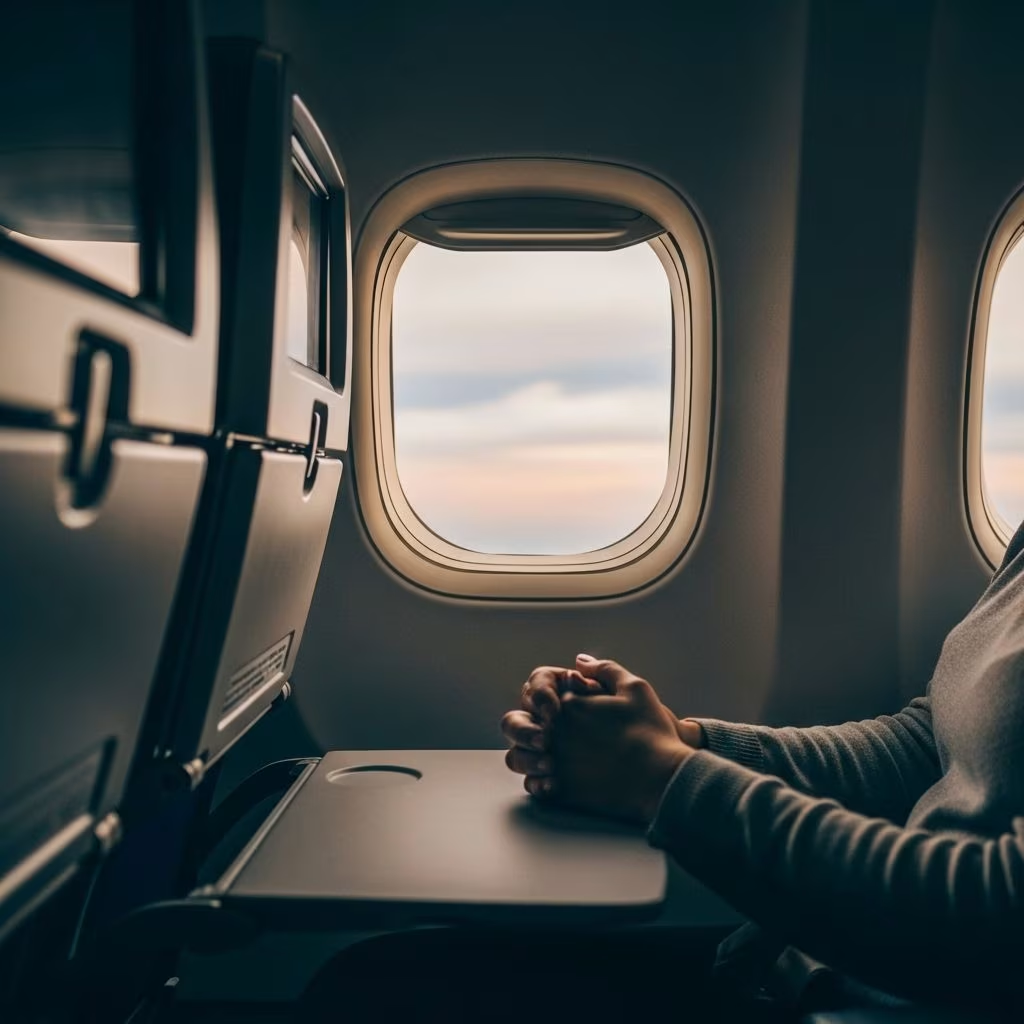
For many, flying can trigger intense anxiety or panic attacks, making travel a daunting and stressful experience. Understanding why panic attacks occur during air travel, and learning how to respond effectively, can make flying safer and much more comfortable. This comprehensive guide illuminates what causes panic on planes and presents evidence-based strategies for preventing and managing in-flight anxiety.
Understanding In-Flight Panic Attacks
Panic attacks are sudden, overwhelming episodes of fear or discomfort, marked by physical and psychological symptoms such as heart palpitations, sweating, trembling, shortness of breath, chest pain, nausea, or a fear of losing control. Experiencing a panic attack while flying can feel especially frightening due to the enclosed space and perceived lack of escape options.
- Triggers: Common triggers for panic attacks on planes include fear of heights, turbulence, claustrophobia, fear of losing control, and catastrophic thinking about what could go wrong during the flight.
- Physiological Response: Panic attacks activate the body’s fight-or-flight system, even when no real danger exists. The physical environment of an aircraft—pressurized cabins, unfamiliar noises, and vibrations—can amplify these sensations.
Why Flying Can Trigger Panic Attacks
Understanding the unique stressors associated with flying can help you develop compassion for yourself and form a practical plan to manage your anxiety:
- Lack of Control: Handing over control to pilots and crew can heighten anxiety, especially for those used to being in charge.
- Confinement: Limited personal space may lead to feelings of claustrophobia.
- Turbulence: Unexpected bumps or movements can trigger catastrophic thoughts, even though turbulence is rarely dangerous.
- Anticipatory Anxiety: Worrying about possible panic before or during a flight can intensify symptoms.
Preparing for Your Flight
Proper preparation before travel day is a cornerstone of anxiety management. Effective strategies include:
- Identify Your Triggers: Reflect on what aspects of flying make you anxious. Is it turbulence, takeoff, tight spaces, or something else? Awareness allows targeted coping techniques.
- Gather Factual Knowledge: Learn about the safety measures and design of modern airplanes. Understanding how rarely accidents occur and how turbulence is handled can counter catastrophic thinking.
- Consult a Professional: If past experiences have been particularly tough, consider CBT, exposure therapy, or consulting an anxiety specialist.
- Arrange Distractions: Prepare books, music, puzzles, or movies to occupy your mind during the flight.
Anticipatory Anxiety and How to Manage It
Anticipatory anxiety is the intense worry that arises while thinking about an upcoming flight. For many people, this fear is actually more severe than the anxiety they experience onboard.
- Normalize Your Reactions: Remind yourself that feeling anxious before a flight is common; it doesn’t predict how you’ll feel while in the air.
- Ground Your Thoughts: Replace “what if” worries with factual affirmations about airline safety and your ability to cope.
- Mindfulness Techniques: Try meditation, guided imagery, or progressive muscle relaxation leading up to your travel date.
Distinguishing Fear from Danger
On airplanes, the body reacts similarly to perceived and actual threats. It’s often difficult to distinguish anxiety from genuine danger—but doing so is crucial for calming panic:
- Label Your Emotions: Remind yourself: “This is anxiety, not danger.”
- Challenge Anxious Thinking: Anxiety exaggerates risk. Recall evidence of air travel safety and acknowledge that discomfort, though unpleasant, is temporary.
- Use Logic: Ask yourself, “What evidence do I have for this fear? How likely is it really?”
Immediate Coping Strategies on the Plane
If a panic attack strikes during a flight, use the following actionable steps to regain calm and control:
- Slow Your Breathing: Panic attacks often make your breathing shallow and rapid. Focus on slowing your inhalations and exhalations—aim for breathing in for four seconds, holding for four seconds, and exhaling for four seconds. Controlled breathing reduces physical symptoms and restores calm.
- Practice Mindfulness: Focus on the present moment. Notice what you can see, hear, touch, and smell around you. Allow thoughts and sensations to come and go without judgment.
- Distract Yourself: Engage with an activity: listen to music, do a crossword, or talk with a seatmate. Keeping your mind active can reduce the focus on anxious sensations.
- Accept the Feelings: Instead of fighting panic, gently accept the sensations. Often, anxiety lessens when you stop resisting it.
- Tell a Seatmate: If you’re comfortable, let someone nearby know what’s happening. Their support or simply knowing they’re aware can be reassuring.
Breathing Exercise Example
- Sit upright with your feet flat on the floor.
- Place your hands on your lap or stomach.
- Breathe in gently through your nose for a count of four.
- Hold your breath for a count of four.
- Exhale slowly through your mouth for a count of four.
- Repeat for several minutes or until you feel more relaxed.
Managing Turbulence and Common In-Flight Anxieties
Turbulence is frequently cited as a trigger for mid-flight anxiety but is rarely a cause of harm. Understanding turbulence and normalizing the sensation can help:
- Learn About Airplane Design: Aircraft and pilots are well-equipped to handle turbulence safely.
- Refocus Your Attention: Remind yourself: “The plane is designed for this. I am safe.”
- Use Soothing Techniques: Play calming music, visualize a peaceful place, or use guided audio meditations during turbulence.
Communicating With Fellow Passengers and Crew
Educating your traveling companions or flight attendants about your anxiety can transform the support you receive during a panic episode:
- Be Direct About Your Needs: Let them know what triggers your anxiety and what might help—whether it’s a distraction, reassurance, or just a little understanding.
- Request Discreet Support: Flight attendants are trained to help nervous flyers. Asking for guidance or just a friendly check-in can be helpful.
Post-Flight and Long-Term Anxiety Management
After your flight, reflect constructively on your experience. Treat each flight as a valuable opportunity to retrain your response to anxiety.
- Practice Exposure: The more flights you take, the more your brain will learn that flying, though uncomfortable, is safe.
- Meditation and Relaxation: Build ongoing practices such as mindfulness meditation or yoga into your daily routine.
- Cognitive Behavioral Therapy (CBT): This evidence-based therapy helps identify and modify negative thought patterns about flying.
- Medication: In some cases, short-term medication can help reduce the intensity of anticipatory anxiety. Always consult with a healthcare provider for a personalized plan.
- Review Your Experience: After landing, note what strategies worked. Write in a journal to help yourself progress over time.
Healthy Habits to Reduce Risk of Future Attacks
- Limit Caffeine and Alcohol: Both can increase anxiety and the risk of panic attacks. Avoid them in the hours before and during your flight.
- Maintain Good Sleep Hygiene: Being well-rested reduces stress levels and increases your ability to cope with anxiety.
- Exercise: Regular physical activity is linked to lower baseline anxiety. Even light pre-travel exercise can help.
Table: Common Panic Attack Symptoms During Flights
| Physical Symptom | Psychological Symptom |
|---|---|
| Rapid heartbeat | Fear of losing control |
| Shortness of breath | Sense of unreality |
| Trembling or shaking | Dread, terror, or fear of dying |
| Nausea | Fear of going crazy or fainting |
| Chest pain | Feeling trapped |
Frequently Asked Questions (FAQs)
Q: What should I do if I have a panic attack while flying?
A: Use slow, deep breathing, distract yourself, focus on the facts rather than fears, and let a seatmate or flight attendant know if you need support. Remember, panic attacks are uncomfortable but not dangerous.
Q: What are the best ways to prepare for flying if I have a history of panic attacks?
A: Identify your triggers, arm yourself with facts about flight safety, pack calming distractions, and consider speaking to a mental health professional about treatment or preventive strategies before your trip.
Q: Are there medications that can help with panic attacks during flights?
A: Some people benefit from short-term use of anti-anxiety medications, but these should only be used under the supervision of a healthcare provider. Non-medication options, such as therapeutic breathing exercises, are effective for many.
Q: Will exposure to flying reduce my fear over time?
A: Yes. Gradual, repeated exposure—paired with healthy coping techniques—can significantly reduce the intensity and frequency of your anxiety triggers.
Seeking Help and Building a Support System
Experiencing panic attacks on flights is common and nothing to be ashamed of. Connecting with support groups, consulting professionals, and learning about anxiety equips you to travel with increased confidence and control.
- Join Support Communities: Online or local support groups can offer encouragement and shared experiences.
- Consult a Therapist: Specially trained mental health professionals can provide tailored interventions.
- Educate Your Network: Let friends and family know what helps you so they can provide effective assistance.
Additional Resources
- Webinars and resources from anxiety organizations
- Books and articles about fear of flying
- Peer-support forums and stories of overcoming flight anxiety
Whether you fly rarely or frequently, the right preparation and coping tools can transform your travel experience. Every flight becomes an opportunity to build resilience, expand your horizons, and reclaim the joy of aviation.
References
- https://www.calmclinic.com/panic/planes-and-flying
- https://adaa.org/learn-from-us/from-the-experts/blog-posts/consumer/8-steps-overcoming-your-fear-flying
- https://manhattancbt.com/panic-attack-plane/
- https://my.clevelandclinic.org/health/diseases/22431-aerophobia-fear-of-flying
- https://www.calm.com/blog/flight-anxiety-tips
- https://www.health.harvard.edu/mind-and-mood/panic-attacks-recognizing-and-managing-panic-attacks-and-preventing-future-attacks


