


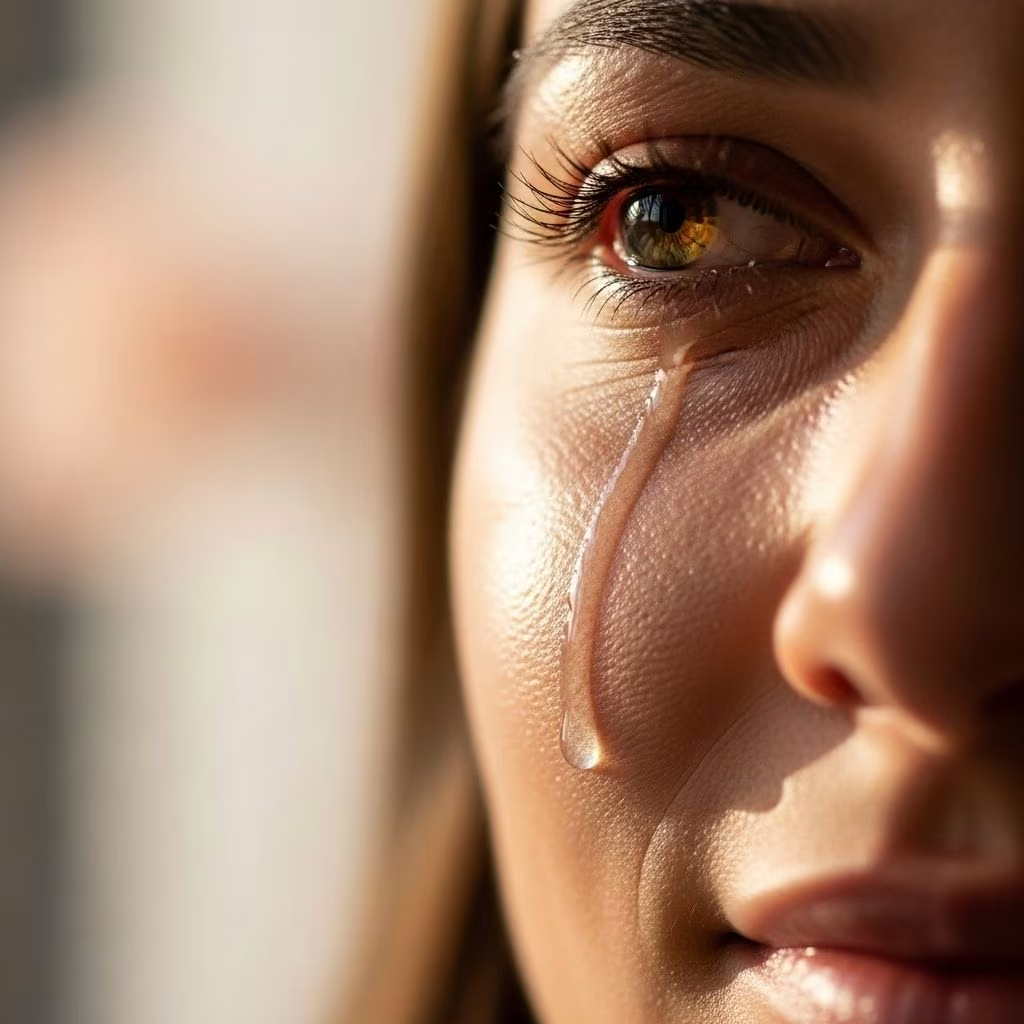
Understanding Happy Tears: Why Do We Cry When We’re Happy?
Crying is often associated with sorrow, pain, or frustration, yet many people also shed tears in moments of overwhelming happiness. Whether at weddings, reunions, graduations, or after personal achievements, these “tears of joy” reflect a complex emotional process. But what truly causes us to cry when we’re filled with positive emotions, and what purpose does this striking response serve?
What Are Happy Tears?
Happy tears are emotional tears shed in response to intense positive feelings—like joy, pride, gratitude, relief, or love. Unlike tears caused by physical pain or sadness, happy tears emerge when we experience something deeply meaningful and joyful.
- Typical triggers: Major life milestones, reunions, acts of kindness, birth of a child, or personal accomplishments.
- Physical signs: Tears running down the face, flushed cheeks, trembling, or altered breathing.
- Social impact: Often shared with others in emotionally charged group events, reinforcing bonds.
The Science Behind Crying When Happy
For decades, researchers viewed crying mainly through the lens of sadness or distress, but recent studies suggest that tears of happiness have a distinct biological and psychological rationale. Central to this understanding is the concept of dimorphous expression, which refers to the phenomenon where we respond to very strong positive emotions with seemingly ‘contrary’ negative behaviors—like crying or feeling an aggressive urge to pinch a baby’s cheeks.
Dimorphous Expressions Explained
- Definition: Dimorphous expressions are emotional responses that appear opposite to the emotional trigger. Examples include crying when happy or nervous laughter during stress.
- Purpose: These reactions help emotionally overwhelmed individuals regain equilibrium. By expressing sadness-like responses in the face of joy, people regulate and return to a balanced emotional state.
- Scientific basis: Oriana Aragón’s Yale studies revealed that participants exposed to highly positive emotional stimuli (pictures of babies) not only felt joy but also reported urges commonly associated with aggression or protection, like wanting to pinch cheeks. Those who displayed stronger dimorphous expressions showed a greater decrease in positive emotion minutes later, suggesting these expressions quickly restore balance after emotional highs.
Biological Mechanisms Involved in Happy Tears
Crying is a sophisticated physiological process involving multiple systems:
- Autonomic Nervous System: Crying reflects activation of both the sympathetic (arousal, heart rate) and parasympathetic (calming) nervous systems. Shortly before and during crying, heart rate increases and breathing slows, with parasympathetic activity rising after crying has begun. This biological shift aids in emotional self-regulation.
- Neurochemicals: Emotional crying triggers the release of oxytocin and endorphins (natural painkillers), producing calming and uplifting effects. These substances reduce stress and foster feelings of connection, relief, and well-being.
- Brain Regions: The anterior cingulate cortex (ACC) plays a key role, orchestrating responses to both distress and extreme joy. Hormones like prolactin and testosterone may influence an individual’s propensity to cry, and further research is mapping specific neural circuits behind emotional crying.
Why Do We Cry When Overwhelmed by Positive Feelings?
Moments that inspire happy tears are typically emotionally charged, deeply personal, and meaningful. But why do intense joy and fulfillment sometimes evoke crying, as opposed to laughter or smiles?
- Restoring Emotional Balance: Extreme happiness can push us beyond our emotional comfort zone, generating feelings that need to be harmonized. Crying acts as a counterweight, helping the body and mind settle back into equilibrium.
- Signal of Importance: Crying at joyful milestones can signify that an event is profoundly significant, amplifying the experience and helping us process its magnitude.
- Social Bonding: Emotional tears, especially in group settings (weddings, graduations), foster deeper connections, empathy, and feelings of shared accomplishment.
- Release Mechanism: Tears provide a physical outlet for overwhelming feelings, relieving built-up stress and energy.
Psychological and Emotional Benefits of Happy Tears
Crying when happy not only soothes the nerves but also yields several mental health benefits:
- Stress Relief: Shedding tears can lower levels of tension, both physical and mental.
- Improved Mood: The release of ‘feel-good’ chemicals (oxytocin, endorphins) following tears often helps people feel lighter, calmer, and more content.
- Increased Resilience: Research suggests individuals who express emotion freely—including crying when happy—cope better with stress and recover more swiftly from emotional highs or lows.
- Deeper Relationships: Vulnerable displays of joy, like crying, strengthen trust and intimacy in personal relationships, making interactions more authentic and validating shared experiences.
- Normalization of Emotions: It reminds us—and those around us—that emotional complexity is normal, and that happiness can co-exist with vulnerability.
Happy Tears vs. Sad Tears: Key Differences
| Category | Happy Tears | Sad Tears |
|---|---|---|
| Trigger | Positive events, joy, relief, pride | Loss, pain, frustration, despair |
| Physiological Response | Mixed arousal, calming effects (endorphins/oxytocin) | Stress response, emotional catharsis |
| Function | Restores emotional equilibrium, deepens social bonds | Releases grief, signals distress |
| Common Contexts | Weddings, reunions, accomplishments | Loss, disappointment, difficult news |
| Aftereffect | Improved mood, calming | Relief, fatigue, introspection |
When Are Happy Tears Most Likely to Occur?
- Life Milestones: Graduation, weddings, achievements, retirement.
- Reunions: Meeting loved ones after long separation.
- Miraculous Events: Recovery from illness, birth of a child, overcoming trauma.
- Acts of Kindness: Witnessing or receiving generous or selfless deeds.
Personalities and Happy Tears
- People with higher emotional openness or sensitivity may experience happy tears more frequently.
- Individuals who are comfortable expressing emotions outwardly are more likely to cry when overwhelmed.
- Cultural attitudes toward emotional expression shape how freely people display happy tears in public or private contexts.
Potential Downsides and Misunderstandings
While happy tears are generally beneficial, they may be misunderstood:
- Social stigma: In some cultures, crying (even when happy) may be seen as weakness or lack of control.
- Misinterpretation: Those witnessing happy tears may mistake them for sadness or distress, requiring careful communication.
- Overwhelm: In rare cases, tears during positive events might signal underlying emotional overload or unresolved feelings; awareness is key for mental health.
How to Embrace and Manage Happy Tears
- Acknowledge the Emotion: Accept that tears in joyful moments are natural and common.
- Share Your Joy: If comfortable, explain your tears to others—they may deepen the emotional resonance and connection of the experience.
- Practice Self-Compassion: Allow yourself to feel and react fully during powerful positive events; there is strength in vulnerability.
- Reflect: Take time to understand why an event moves you so deeply and what values or relationships it reflects.
Frequently Asked Questions (FAQs)
Q: Is crying when happy normal?
A: Yes, crying during joyful or meaningful moments is a typical, healthy part of the human emotional spectrum.
Q: What causes happy tears?
A: Happy tears result from an emotional dimorphous expression—a response that balances extreme positive emotions by restoring equilibrium through outward sadness-like behaviors.
Q: Are there health benefits to crying when happy?
A: Yes. Crying releases soothing chemicals (endorphins, oxytocin), reduces stress, and can improve mood and social bonds.
Q: Do all people cry when happy?
A: Not everyone experiences happy tears, and those who do may do so more or less frequently depending on personality, culture, and comfort with emotional displays.
Q: Can crying when happy indicate another underlying issue?
A: Rarely, frequent or uncontrollable crying—happy or otherwise—may be a sign of emotional regulation challenges. If tears interfere with daily life, consider speaking with a mental health professional.
Happy Tears in Culture and Society
The meaning and acceptance of happy tears varies by cultural background. In many societies, sharing tears publicly signals strong emotional investment and builds group cohesion. In others, it may be seen as a private matter. Understanding and respecting these differences is important for emotional intelligence and sensitivity.
Key Takeaways
- Happy tears are a natural response to overwhelming joy, relief, or meaning.
- They act as emotional regulators, helping us return to equilibrium after intense experiences.
- Tears of happiness release beneficial chemicals, improve mood, and deepen social bonds.
- Embracing and communicating about happy tears can foster greater understanding and connection.
References
- https://www.happy-neuron.com/scientific-news/why-do-we-cry-when-we-re-happy
- https://www.yalescientific.org/2015/03/qa-what-causes-happy-tears/
- https://pmc.ncbi.nlm.nih.gov/articles/PMC6201288/
- https://www.webmd.com/balance/what-to-know-tears-of-happiness
- https://www.psychologytoday.com/us/blog/brain-babble/201308/why-do-we-cry-when-were-happy
- https://www.health.harvard.edu/blog/is-crying-good-for-you-2021030122020


