
 Living Well
 Drive-Reduction Theory: Motivation, Homeostasis, and Behavior
Drive-Reduction Theory explains motivation as the drive to reduce internal tension and restore homeostasis. It highlights how hunger,…
 Living Well
 Drive-Reduction Theory explains motivation as the drive to reduce internal tension and restore homeostasis. It highlights how hunger,…
 Living Well
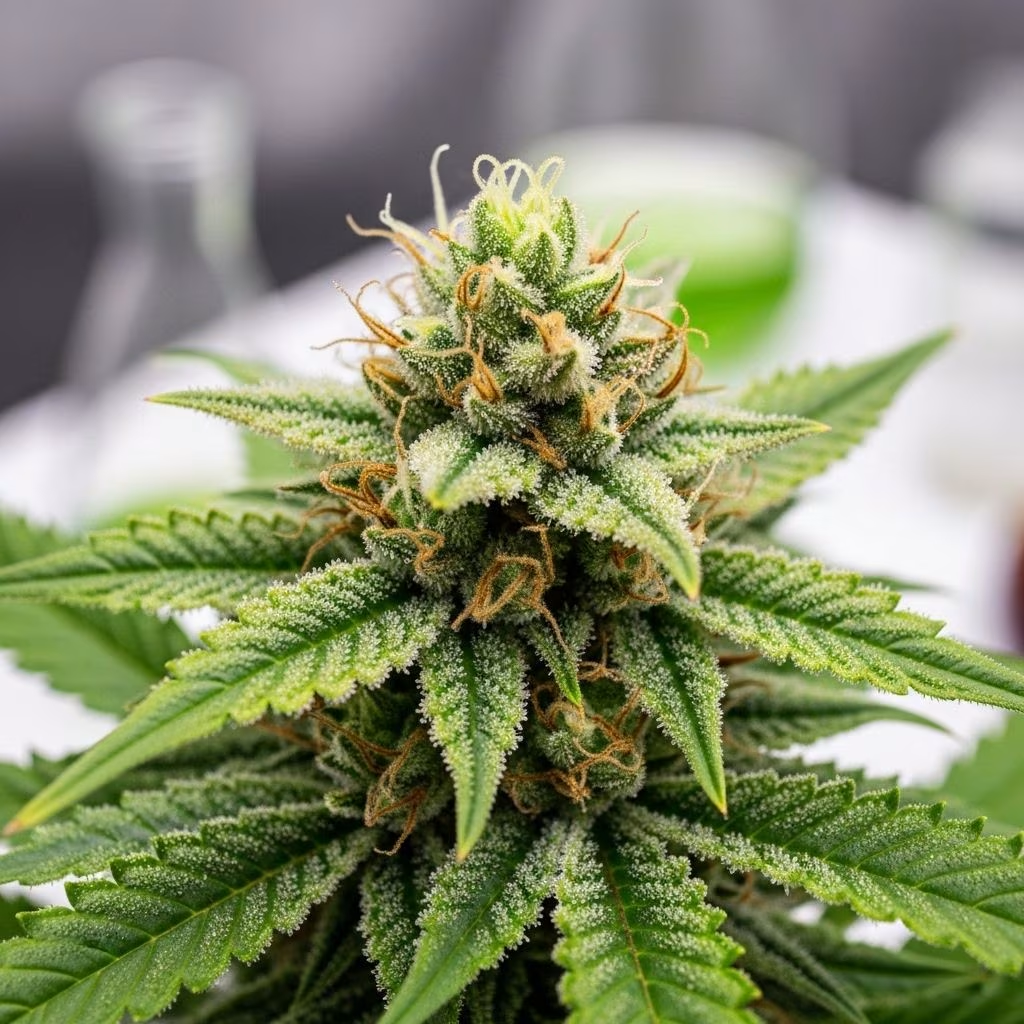
 Cannabigerol (CBG) is a non-psychoactive cannabinoid gaining attention for its potential benefits in inflammation, anxiety, pain, and neuroprotection.…
 Living Well
 Unconditional positive regard is a core humanistic psychology principle that emphasizes complete, nonjudgmental acceptance of a person. It…
 Living Well
 Moral principles are the values and standards that help people tell right from wrong and act ethically. This…
 Living Well
 Freudian slips are accidental speech, memory, or action errors that Freud believed could reveal unconscious thoughts and desires.…
 Living Well
 Erikson’s identity vs. role confusion stage explains how adolescents develop a stable sense of self through exploration and…
 Living Well
 A dependent variable is the outcome measured in an experiment or study. It changes in response to the…
 Living Well
 This guide explains what theories are in science and psychology, how they are developed, and why they matter.…
 Living Well
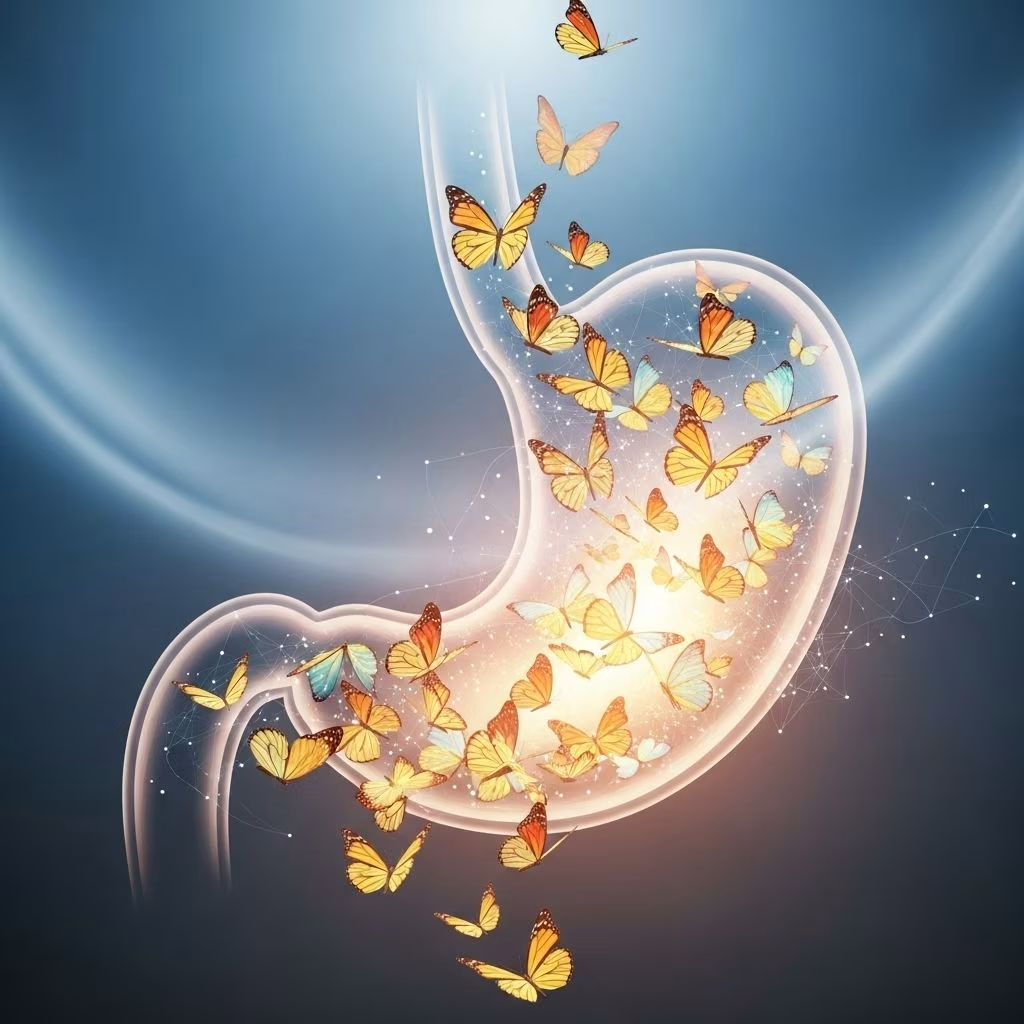
 Butterflies in the stomach are a common response to anxiety, excitement, and anticipation, driven by the gut-brain axis.…
 Living Well
 The Myers-Briggs Type Indicator (MBTI) is a popular personality assessment based on four preference pairs that form 16…