


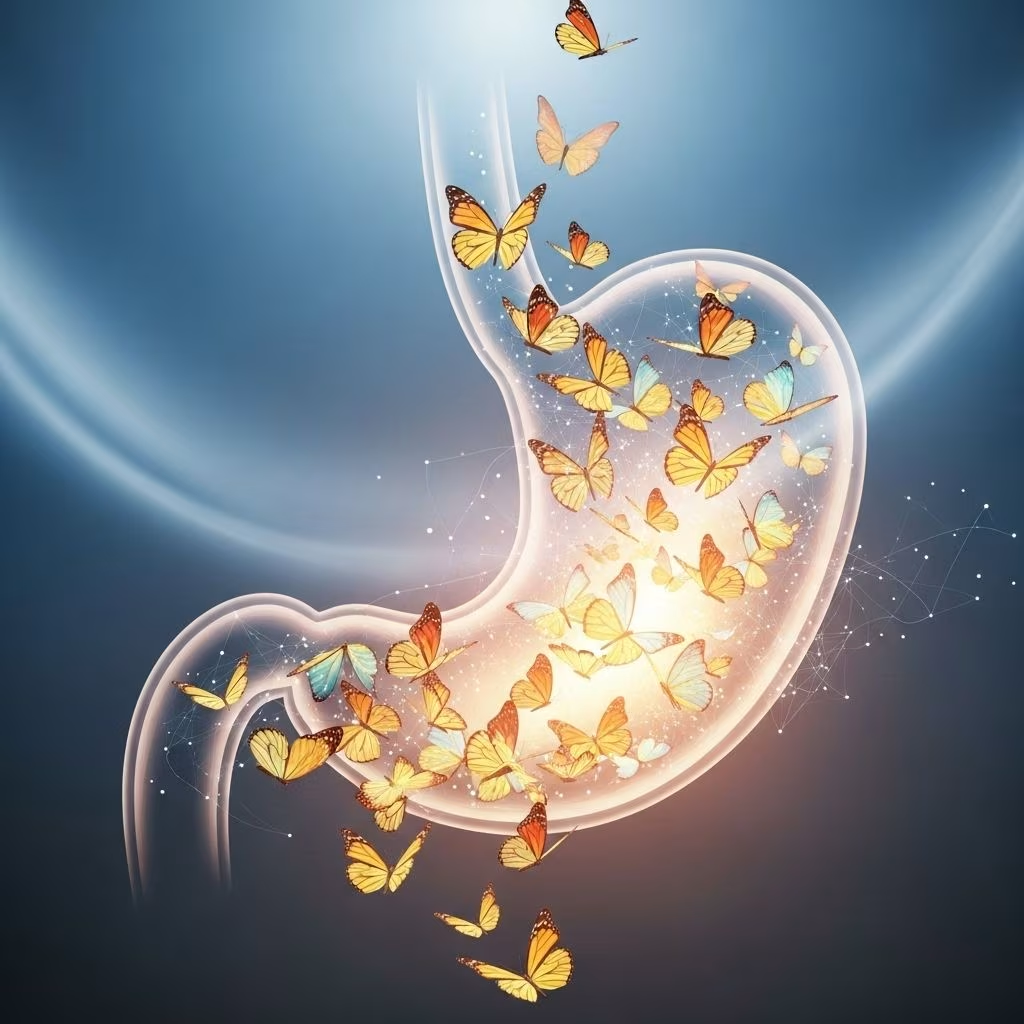
The sensation known as “butterflies in the stomach” is one of the most universally recognized bodily reactions to intense emotions such as anxiety, excitement, and even love. This distinctive fluttering feeling often arrives during moments of anticipation, nervousness, or joy, and serves as a prime example of the body’s close ties between the gut and the brain. But what exactly causes this sensation, and should it ever be a cause for concern? This in-depth guide explores the science, psychological significance, and practical management strategies associated with the butterflies-in-stomach experience.
What Does ‘Butterflies in the Stomach’ Mean?
When people describe having ‘butterflies in their stomach,’ they are referring to a fluttering or trembling sensation within the abdomen. This feeling is often accompanied by other physical symptoms such as nausea, rapid heartbeat, or even lightheadedness. Most commonly, it occurs during periods of heightened emotion—whether those emotions are positive, such as excitement, or negative, like anxiety and fear.
- Common descriptions: fluttering, trembling, queasiness, uneasiness, warmth in the stomach, or feeling sickly.
- Frequency: Can happen occasionally, frequently, or persistently, and with varying intensity.
- Associated with: Nervousness (before a big event), anticipation (awaiting news), and romantic attraction.
The Biology Behind the Sensation: Gut-Brain Axis
The science of butterflies in the stomach is rooted in the communication between the brain and digestive system. This interaction takes place via what is known as the gut-brain axis, a complex network involving the central nervous system, the enteric nervous system (sometimes dubbed the ‘second brain’), hormones, and even gut microbiota.
When the brain perceives a threat or heightened emotion, it signals the release of adrenaline (the fight-or-flight hormone), which in turn temporarily shifts blood flow away from the gastrointestinal (GI) tract to vital muscles, preparing the body for action. This sudden change can affect gut motility and secretions, resulting in that familiar butterfly sensation. Conversely, positive excitement or anticipation triggers similar physical reactions due to the overlap in the body’s response to emotional arousal.
The Role of the Enteric Nervous System
- The enteric nervous system governs the digestive tract and contains as many neurons as the spinal cord.
- It communicates bi-directionally with the brain, influencing mood and emotion, while also being affected by them.
- Changes in this system can result in digestive symptoms such as queasiness, cramps, or ‘butterflies.’
The Impact of Gut Microbiota
- Emerging evidence points to the gut microbiome’s ability to influence the stress response and emotional well-being.
- Disruptions or imbalances in gut bacteria can affect how intensely the butterflies sensation is experienced.
Major Causes of the ‘Butterflies’ Sensation
While the sensation is frequently linked to anxiety or anticipation, there are several potential causes. Understanding them helps normalize the experience and identifies when medical attention is necessary.
1. Anxiety and Stress
Anxiety and stress are leading causes of butterflies in the stomach. When a person experiences anxiety, the brain sends signals that shift the body into a higher state of arousal:
- Fight-or-Flight Response: Triggers adrenaline release, increasing heart rate and diverting resources away from the gut.
- Physical Effects: Causes motility changes in the gut, leading to fluttering, tension, or queasiness.
- Emotional Symptoms: Includes nervousness, worry, or feelings of dread, which can intensify physical symptoms.
2. Excitement and Positive Emotion
Butterflies aren’t just for negative emotions. Excitement, anticipation, and happiness can also create the sensation:
- Dopamine and Oxytocin Release: High states of anticipation trigger the release of ‘feel-good’ neurochemicals.
- Examples: Awaiting good news, starting a new relationship, or embarking on an adventure.
3. Fear and Apprehension
- Fearful situations, such as public speaking or examinations, heighten the fight-or-flight response and can trigger intestinal symptoms.
4. Anticipation (Positive and Negative)
- The sense of something imminent—whether desirable or daunting—can prompt butterflies in the stomach through increased adrenaline release.
5. Other Causes
- Digestive Disorders: Conditions like irritable bowel syndrome (IBS) can mimic or intensify the butterfly sensation due to heightened gut sensitivity or inflammation.
- Hormonal Changes: Pregnancy, menopause, or menstrual cycles may cause similar sensations.
- Food Sensitivities: Consumption of caffeine, spicy foods, or certain allergens can induce gut activity mimicking ‘butterflies.’
- Medications: Side effects of certain pharmaceuticals for anxiety, depression, or other conditions might precipitate gastrointestinal symptoms.
Symptoms Commonly Associated with Stomach Butterflies
The experience of butterflies in the stomach is rarely isolated and may be accompanied by a variety of physical and psychological symptoms. Recognizing them can help in distinguishing normal sensations from ones that may warrant medical attention.
- Fluttering, queasiness, or uneasy stomach sensation
- Nausea or mild stomach upset
- Increased heart rate or palpitations
- Shaking or trembling
- Difficulty focusing or concentration lapses
- Dry mouth or trouble swallowing
- Lightheadedness or feeling dizzy
- Sweaty or clammy hands
- Shortness of breath
| Physical Symptom | Potential Emotional Trigger |
|---|---|
| Fluttering stomach | Anxiety, excitement, anticipation |
| Nausea | Stress, fear, digestive disorder |
| Racing heart | Fight-or-flight, positive anticipation |
| Sweaty palms | High arousal (emotional or physical) |
| Concentration difficulty | High adrenaline states, nervousness |
When Should You Be Concerned?
For most people, butterflies in the stomach are normal and temporary. However, you should consult a healthcare provider if you experience:
- Bouts of intense or persistent abdominal pain
- Accompanying severe symptoms such as vomiting, persistent diarrhea, or bleeding
- Signs of a digestive disorder (e.g., unexplained weight loss, chronic discomfort)
- Emotional distress that interferes with daily functioning
Managing and Calming the Butterfly Sensation
If the sensation is manageable and does not suggest an underlying medical condition, several strategies can help reduce the occurrence and intensity of butterflies in the stomach:
1. Mindfulness and Relaxation Techniques
- Deep Breathing: Inhale slowly for four counts, hold for four, exhale for four—repeat several cycles to calm bodily arousal.
- Progressive Muscle Relaxation: Systematically tensing and relaxing muscles can interrupt the fight-or-flight cascade.
- Mindful Awareness: Focusing on the present moment can quiet anxious or anticipatory thoughts.
2. Cognitive Restructuring
- Challenge irrational beliefs or catastrophic thinking about upcoming events.
- Practice positive self-talk and mentally rehearse coping with anxiety-inducing situations.
3. Lifestyle Adjustments
- Balanced Diet: Avoid foods and beverages known to irritate the gut or increase anxiety (e.g., caffeine, highly spiced dishes).
- Physical Activity: Engage in regular movement to reduce overall stress.
- Consistent Sleep Patterns: Prioritize rest, as sleep deprivation increases bodily and emotional reactivity.
4. When to Seek Professional Help
- If symptoms are chronic, severe, or interfere with daily life, consulting a healthcare provider or mental health professional may be beneficial.
- Persistent gut discomfort may warrant evaluation for anxiety disorders, IBS, or other gastrointestinal pathologies.
The Positive Side of Butterflies in the Stomach
Experiencing butterflies is not always a negative sign. Sometimes, it signals excitement, motivation, or engagement. The fluttering sensation can accompany positive life changes, personal growth, or joyful anticipation—serving as a physical reminder of meaningful events.
- Anticipating opportunities: New jobs, performances, or positive events can trigger beneficial butterflies, sharpening focus and heightening engagement.
- Romantic connection: The sensation is often linked to falling in love or deepening emotional bonds.
The Butterflies Sensation in Children and Adolescents
Younger people may be especially prone to experiencing butterflies, particularly in social or performance situations, due to ongoing emotional and cognitive development. Teaching children coping strategies early—such as deep breathing or talking about feelings—can help normalize the sensation and foster resilience.
Frequently Asked Questions (FAQs)
What exactly causes the ‘butterflies in the stomach’ feeling?
The sensation is primarily caused by the body’s fight-or-flight response to stress, anxiety, or excitement, mediated by adrenaline and the gut-brain axis.
Are butterflies in the stomach dangerous?
No, in most cases the sensation is normal and benign. However, if it’s persistent or combined with severe symptoms, consult a doctor.
Can positive emotions cause butterflies in the stomach?
Yes, positive emotions like joy, anticipation, or attraction can also trigger the butterfly feeling due to similar neurophysiological changes.
How can I calm butterflies in my stomach before a stressful event?
Use deep breathing, progressive relaxation, mindful focus, and positive self-talk to reduce physiological arousal and anxiety.
When should I seek help for persistent butterflies in the stomach?
Seek medical advice if you experience chronic discomfort, severe symptoms (like pain, vomiting, or weight loss), or if anxiety impairs daily functioning.
References and Further Reading
- For an in-depth look at the gut-brain axis, visit Harvard Health’s resources on the topic.
- Additional reading on the connection between anxiety and the digestive system can be found at Medical News Today and Calm Clinic.
- Research on the gut microbiome’s influence on stress is available in scientific journals such as PMC.
References
- https://www.anxiousminds.co.uk/understanding-stomach-butterflies/
- https://www.calmclinic.com/anxiety/stomach-butterflies
- https://www.anxietycentre.com/anxiety-disorders/symptoms/butterflies-in-the-stomach-anxiety/
- https://www.medicalnewstoday.com/articles/321611
- https://pmc.ncbi.nlm.nih.gov/articles/PMC10683179/
- https://www.health.harvard.edu/diseases-and-conditions/the-gut-brain-connection
- https://www.calm.com/blog/butterflies-in-stomach


