


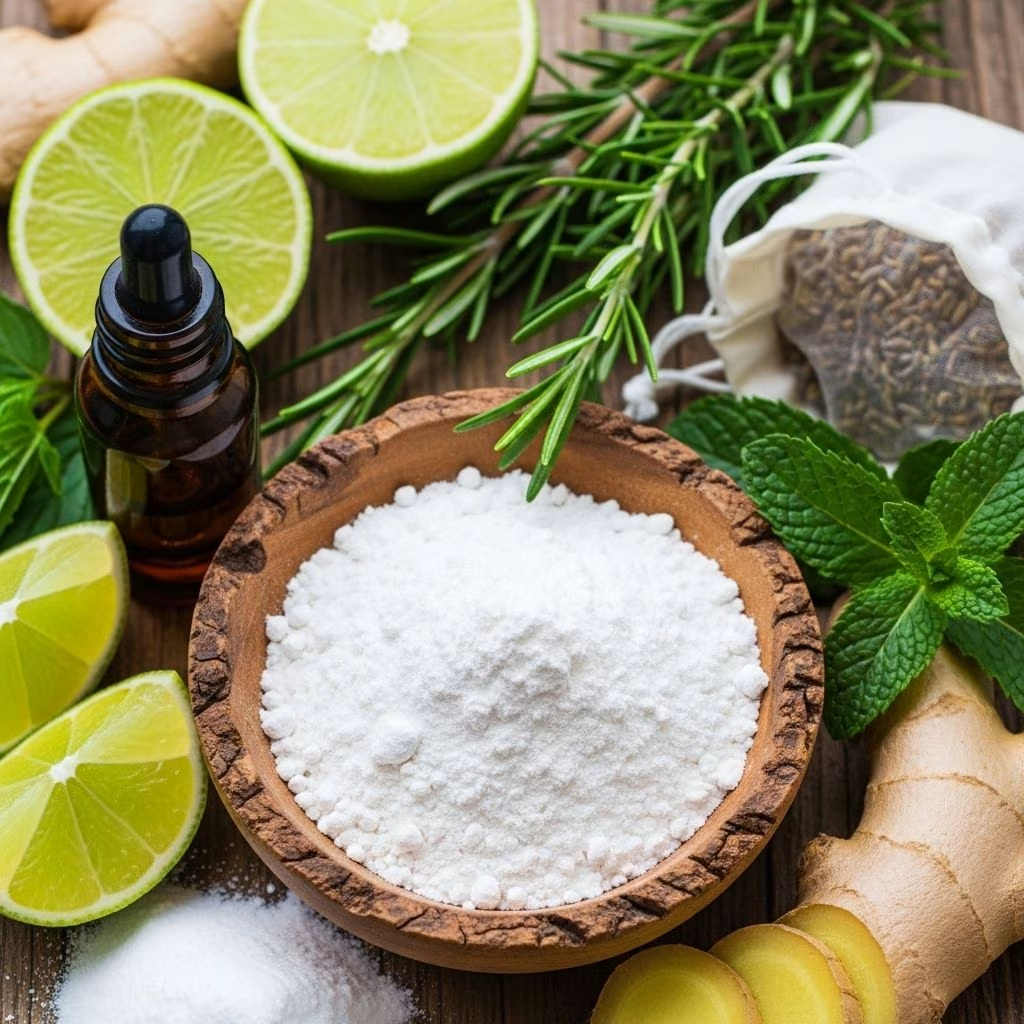
Home Remedies for Foot Fungus That Really Work
Foot fungus, also known as tinea pedis or athlete’s foot, is a common condition that affects millions of people worldwide. Characterized by itching, redness, flaky skin, and sometimes blisters or cracking, it is caused by a group of fungi that thrive in warm, moist environments. Public showers, locker rooms, communal pools, and even regular household spaces can provide the perfect environment for these fungi to grow and spread. Fortunately, there are a variety of home remedies and preventive strategies that can help manage and even eliminate foot fungus effectively.
Understanding Foot Fungus
Foot fungus primarily refers to fungal infections affecting the skin (athlete’s foot) or nails (onychomycosis). The fungi responsible are dermatophytes, which feed on keratin—the protein in your skin and nails. Symptoms may include:
- Itching and burning, especially between the toes
- Red, scaly, or cracked skin
- Blisters or ulcers
- Discoloration or thickening of the nails
- Unpleasant foot odor
Left untreated, foot fungus can spread to other parts of the body or lead to secondary bacterial infections. Early and consistent intervention is crucial.
Popular Home Remedies for Foot Fungus
Many natural and household remedies can be used to address mild to moderate cases of foot fungus. These remedies are often best suited for early-stage infections and as complements to medical treatments for more persistent cases.
1. Tea Tree Oil
Tea tree oil is a powerful essential oil with proven antifungal and antibacterial properties. This natural remedy is commonly used for skin infections, including foot fungus.
- Mix a few drops of tea tree oil with a carrier oil such as coconut or olive oil.
- Apply the diluted oil directly to the affected area twice daily using a cotton ball.
Some studies have shown that tea tree oil can be effective in relieving symptoms like itchiness and scaling, though skin irritation can occur in sensitive individuals. Always patch test before full application and discontinue use if a rash develops.
2. Vinegar Soaks
Vinegar creates an acidic environment that inhibits fungal growth. Both white vinegar and apple cider vinegar are commonly used.
- Mix one part vinegar with four parts warm water.
- Soak your feet for 15–20 minutes daily.
- Dry feet thoroughly afterward, especially between the toes.
This method can help reduce itching, eliminate odor, and may gradually clear mild infections.
3. Garlic
Garlic contains allicin, a compound with natural antifungal actions. It is regarded by some as a surprisingly effective cure for mild fungal infections.
- Crush several cloves of fresh garlic into a paste.
- Apply the paste to the affected skin for 15–30 minutes, then rinse thoroughly.
Repeat daily. Consider using caution if you have sensitive skin, as garlic can cause burns or irritation if left on too long.
4. Baking Soda
Baking soda can help absorb moisture, neutralize foot odor, and create an inhospitable environment for fungi.
- Add a few tablespoons of baking soda to a basin of warm water for a foot soak.
- Create a paste with water and baking soda, apply to affected areas, leave for 15 minutes, then rinse off.
- Alternatively, sprinkle baking soda inside shoes and socks to reduce moisture buildup.
While baking soda will not kill fungus, it can slow its growth and provide symptom relief.
5. Saltwater Soaks
Salt draws out moisture and can help dry blisters caused by fungal infections.
- Mix a few tablespoons of salt into a basin of warm water.
- Soak feet for 10–15 minutes daily.
This method provides relief from itching and swelling, though it is best for mild cases.
6. Vicks VapoRub
Vicks VapoRub contains menthol, camphor, and eucalyptus oil, ingredients that have been shown to have mild antifungal properties.
- Apply a thin layer of Vicks VapoRub to clean, dry feet or nails.
- Repeat nightly for several weeks.
Some anecdotal reports and small studies suggest this method can improve the appearance of fungal nails and may help with athlete’s foot as well.
7. Oregano Oil
Like tea tree oil, oregano oil contains potent compounds (notably thymol) with antifungal benefits.
- Dilute oregano oil with a carrier oil (e.g., olive oil) before applying to the skin.
- Apply 2–3 times daily for up to several weeks.
Oregano oil can be combined with tea tree oil for a more robust effect but always do a patch test first to check for skin sensitivities.
8. Olive Leaf Extract
Olive leaf extract, available as a topical or oral supplement, contains oleuropein, a compound with strong antifungal and antimicrobial properties.
- Use creams or ointments directly on affected areas.
- Consider oral capsules (follow product instructions) as a complementary approach.
This remedy is less common but can provide additional support for immune function and healing.
9. Ozonated Oils
Ozonated oils, such as ozonated olive oil, are created by infusing oils with ozone and oxygen. These oils have antimicrobial properties that target fungi and bacteria.
- Apply a few drops to clean, dry toenails or skin twice a day.
This option can be purchased from health stores and is used to speed recovery and prevent reinfection.
10. Hydrogen Peroxide and Rubbing Alcohol
Both hydrogen peroxide and rubbing alcohol are known for their disinfectant qualities.
- Soak a cotton ball in hydrogen peroxide or rubbing alcohol and dab on the affected areas.
- Be aware these substances can dry or irritate the skin; use infrequently and with caution.
These may help disinfect mild fungal infections and are sometimes used alongside other remedies.
11. Neem Oil
Neem oil has a long history of use in Ayurvedic medicine for its antifungal activity.
- Apply directly to the infected skin or nails 2–3 times daily.
It’s generally well-tolerated and may help speed recovery when used with other natural remedies.
Essential Tips for Preventing and Managing Foot Fungus
Preventing foot fungus is critical, especially for those prone to recurrence. Incorporate the following habits into your daily routine:
- Maintain impeccable foot hygiene: Wash feet daily with soap and water, and dry thoroughly—especially between toes.
- Avoid walking barefoot in communal areas: Wear sandals in public showers, pools, and locker rooms.
- Keep feet dry: Moisture enables fungal growth. Use talcum or antifungal powder to keep feet dry.
- Change socks daily and rotate shoes to allow them to air out between uses.
- Choose moisture-wicking socks and breathable footwear made from natural materials.
- Disinfect shoes regularly by using sprays or sprinkling baking soda inside.
- Never share shoes or towels with others to avoid cross-contamination.
- Clip toenails regularly and keep them clean and dry.
When to Seek Professional Help
Most mild cases of foot or nail fungus respond to home remedies and over-the-counter treatments. However, you should consult a healthcare provider if:
- There is no improvement after 2–4 weeks of consistent home treatment.
- The infection spreads to other areas of the body or worsens.
- You experience severe pain, swelling, oozing, or signs of a secondary bacterial infection (such as redness or pus).
- You have underlying health conditions such as diabetes, circulatory disorders, or immune suppression.
Prescription oral or topical antifungal medications may be necessary for persistent or recurring infections.
Always follow medical advice on the use of home and over-the-counter remedies, especially if you have skin sensitivities or allergies.
Table: Comparison of Home Remedies for Foot Fungus
| Remedy | Main Action | Ease of Use | Potential Side Effects |
|---|---|---|---|
| Tea Tree Oil | Antifungal, Antibacterial | Moderate (requires dilution) | Skin irritation/allergy |
| Vinegar Soak | Antifungal, pH alteration | Easy | Skin irritation if overused |
| Garlic | Antifungal | Moderate (preparation needed) | Possible burns or irritation |
| Baking Soda | Absorbs moisture | Easy | Generally safe |
| Saltwater Soak | Soothes, dries blisters | Easy | Dryness/irritation with overuse |
| Vicks VapoRub | Mild Antifungal | Easy | Minimal if used topically |
| Oregano Oil | Antifungal | Moderate (requires dilution) | Skin irritation |
| Olive Leaf Extract | Antifungal, supporting immune system | Moderate (topical or oral) | Possible GI upset when taken orally |
| Ozonated Oils | Antimicrobial | Easy | Rare irritation |
| Hydrogen Peroxide / Alcohol | Disinfects | Easy | Skin dryness, irritation |
| Neem Oil | Antifungal | Easy | Generally safe |
Frequently Asked Questions (FAQs)
Q: Are home remedies as effective as prescription medications for foot fungus?
A: Home remedies can be very effective for mild and early-stage infections, but persistent or severe cases often require prescription antifungal treatment. Home remedies are most useful as complementary therapies or preventive measures.
Q: Can I use more than one home remedy at the same time?
A: Yes, combining remedies like vinegar soaks, tea tree oil, and careful hygiene can enhance effectiveness. However, test for skin sensitivity with new treatments, and avoid using multiple strong agents simultaneously to minimize irritation.
Q: How long does it take to see improvement with home remedies?
A: Improvement often takes 2–4 weeks of consistent daily application. For stubborn infections, or if there is no improvement after this period, consult a healthcare professional.
Q: Can toenail fungus be treated at home?
A: Some cases of toenail fungus can be improved with home remedies, but nail infections are often more difficult to eradicate and tend to require a longer course of treatment. Seek medical advice for severe, painful, or nonresponsive cases.
Q: What steps can help prevent re-infection after treatment?
A: Keep feet dry, disinfect shoes and socks, avoid sharing personal items, use antifungal powder, and maintain strict foot hygiene to prevent recurrence of infection.
Final Thoughts
Foot fungus is a stubborn but manageable condition when addressed promptly and consistently. Incorporate proven home remedies such as tea tree oil, vinegar soaks, and garlic with disciplined hygiene and lifestyle changes for best results. For persistent or severe cases, do not hesitate to consult with a healthcare professional to avoid complications.
References
- https://www.centralpharmacymi.com/blogs/foot-fungus-how-to-identify-treat-and-prevent-it
- https://www.thepodiatrygroup.com/2025/07/11/athletes-foot-fungus-treatment-for-all-ages/
- https://midwestpodiatrycenters.com/blog/10-home-remedies-fungal-toenails/
- https://www.medicalnewstoday.com/articles/319563
- https://www.healthline.com/health/home-remedies-for-athletes-foot
- https://www.mayoclinic.org/diseases-conditions/athletes-foot/diagnosis-treatment/drc-20353847
- https://www.altitudedermatology.com/blog-post/foot-fungus-treatment-guide
- https://www.youtube.com/watch?v=Fxr8G8owx2k
- https://www.webmd.com/skin-problems-and-treatments/otc-home-remedies-foot-fungus


