


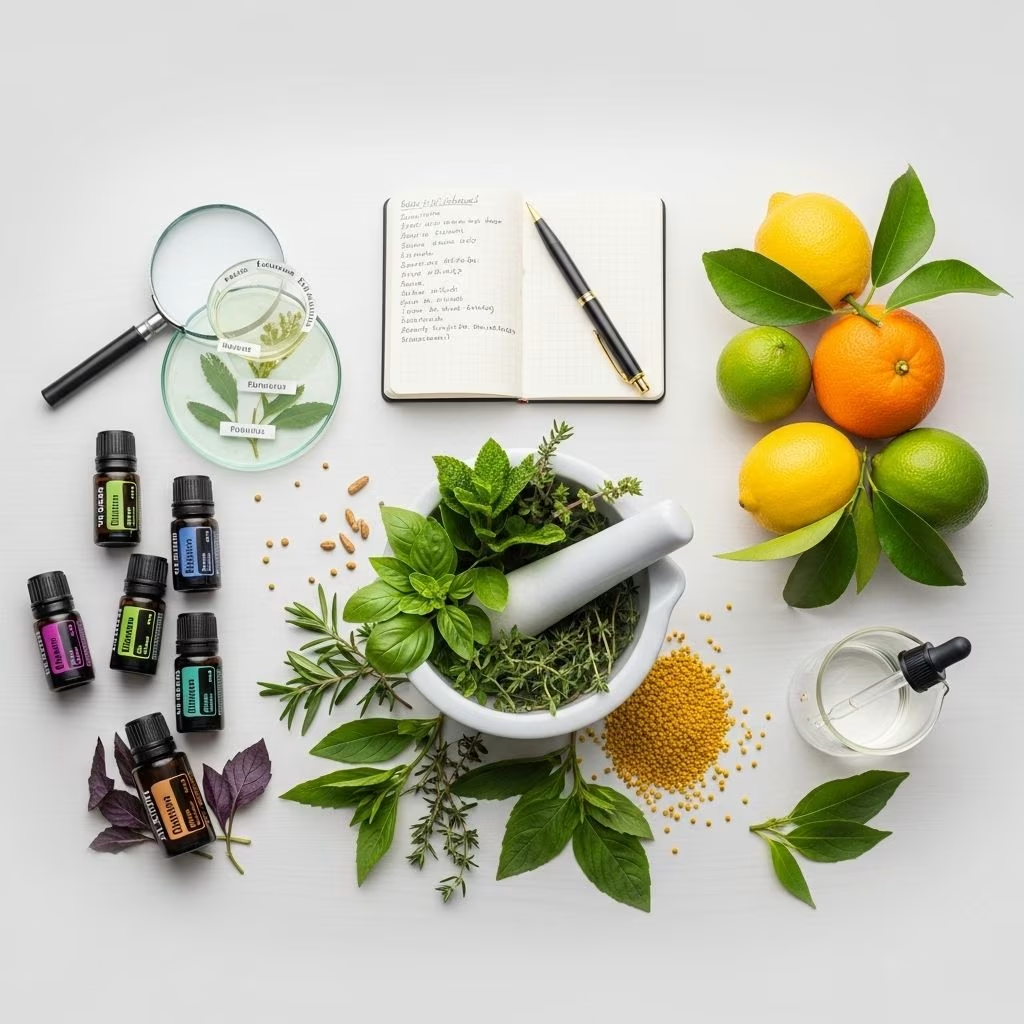
Natural Remedies for Allergy Relief
Each year, millions face the discomfort of seasonal allergies—sneezing, congestion, itchy eyes, and fatigue. While over-the-counter medications offer relief for some, many individuals seek natural remedies for allergy relief to either avoid side effects or complement standard treatments. Here, we explore effective science-backed strategies, foods, herbs, and holistic approaches to ease allergy symptoms naturally and safely.
Understanding Allergies and Their Triggers
Allergic reactions occur when the immune system overreacts to harmless substances called allergens, such as pollen, dust mites, animal dander, or mold. Typical symptoms include:
- Sneezing
- Nasal and sinus congestion
- Runny nose
- Itchy or watery eyes
- Scratchy throat
- Fatigue
Key triggers for seasonal allergies are usually environmental, often appearing or worsening during certain months of the year. Tree and grass pollen predominate in spring and early summer, while ragweed pollen is common in late summer and fall. Understanding your triggers can help tailor your relief plan.
Why Choose Natural Remedies?
While conventional medications can be effective, they may cause side effects such as drowsiness or rebound congestion. Natural remedies offer—
- Fewer side effects for most users
- An option for those seeking holistic or plant-based approaches
- The ability to complement pharmaceutical treatments
- Potential benefits for overall wellness and immune health
Note: Always consult with your healthcare provider before starting a new remedy, especially if you have severe allergies, asthma, or other chronic health concerns.
Science-Backed Natural Remedies for Allergy Relief
1. Dietary Spirulina
Spirulina, a blue-green algae, has been studied for its anti-allergic properties. According to a 2015 study, dietary spirulina demonstrated significant antiallergic protective effects in individuals with allergic rhinitis. Regular consumption may help reduce nasal inflammation, congestion, and immune overreaction during allergy season.
- Spirulina is widely available as a powder or tablet supplement.
- For best results, select standard doses recommended on reputable products and consult your healthcare provider.
2. Black Elderberry
Black elderberry (Sambucus nigra) is well-regarded for supporting immune health and easing cold and allergy symptoms. Some studies suggest that compounds in elderberry can reduce inflammation and modulate immune response, potentially helpful for allergy sufferers.
- Elderberry is available as syrup, gummies, or lozenges.
- It’s safe for most, but not recommended for young children, pregnant women, or those with certain autoimmune conditions without medical advice.
3. Quercetin
Quercetin is a flavonoid abundantly found in apples, onions, berries, and leafy greens. Research supports its role as a natural antihistamine, helping to stabilize immune cells and reduce the release of histamine that causes symptoms.
- Can be consumed through diet or as supplements.
- Often paired with vitamin C for enhanced absorption.
4. Local Honey
Eating small amounts of local honey is a popular natural remedy, thought by some to help ‘desensitize’ the body to local pollens. Although limited scientific evidence supports this, some allergy sufferers report benefits anecdotally.
- Choose raw, unfiltered honey from your area for potential exposure to relevant pollens.
- Not suitable for infants under 12 months.
5. Nasal Irrigation (Neti Pot)
Saline nasal rinses or neti pots flush allergens and mucus from the nasal passages, offering immediate relief from congestion and sinus pressure.
- Use distilled or sterile water only.
- Irrigate one to two times daily during peak allergy season.
6. Probiotics
Gut health is closely linked to immune function. Probiotics—beneficial bacteria found in yogurt, fermented foods, and supplements—may help modulate allergic responses in some people.
- Consider incorporating a variety of probiotic-rich foods into your diet.
- Probiotic supplements are widely available but discuss options with your provider.
Nutritional Strategies for Allergy Prevention
Nutrition plays a significant role in immune regulation and inflammation:
- Eat plenty of fruits, vegetables, and whole grains—for antioxidants and minerals.
- Include lean proteins, such as fish, poultry, beans, and nuts.
- Stay hydrated to help thin mucus and promote sinus drainage.
- Reduce processed foods, sugar, and saturated fats, which may worsen inflammation.
Lifestyle and Environmental Tips to Reduce Allergens
Environmental control remains the most effective strategy for reducing allergy symptoms day-to-day. Try these practical steps:
- Check daily pollen counts in your area to plan outdoor activities for lower-risk times.
- Shower and change clothes after spending time outside to remove pollen.
- Use HEPA filters in your home’s HVAC system and vacuum.
- Keep windows closed during high pollen periods.
- Wipe down pets who go outdoors to avoid tracking pollen inside.
- Wash bedding frequently in hot water.
Exercise and Allergy Relief
Regular exercise supports a healthy immune system and may reduce the intensity or duration of allergy symptoms. However, always consult your doctor regarding the best forms and timing of exercise, especially during heavy pollen days.
Stress Management
Chronic stress can worsen allergic reactions by triggering inflammatory chemicals in the body. Mindfulness, meditation, breathing exercises, and adequate sleep can aid in reducing your vulnerability to allergies.
Precautions When Using Natural Remedies
While many natural remedies for allergy relief are safe when used appropriately, there are important cautions:
- Do not use home remedies to treat severe allergic reactions like anaphylaxis. This can be life-threatening and requires immediate medical attention.
- Always consult your healthcare provider before starting a supplement, especially if you have underlying health conditions or take prescription medications.
- Monitor for allergic reactions or new symptoms when trying a new food, herb, or supplement.
- Many herbal and natural products are not rigorously regulated; choose trusted brands.
Evidence-Based Table: Common Remedies and Scientific Support
| Remedy | Main Benefit | Scientific Support | Notes |
|---|---|---|---|
| Spirulina | Reduces inflammation, improves symptoms | 2015 study suggests efficacy in allergic rhinitis | Safe for most, check allergy to algae |
| Elderberry | Supports immune modulation | Preliminary studies, traditional use | Best as part of broad immune support |
| Quercetin | Natural antihistamine | Lab and some clinical evidence | Can be used with vitamin C |
| Local Honey | Traditional use, anecdotal support | Limited scientific evidence | Safe for most adults, avoid in infants |
| Nasal Irrigation | Flushes pollen, relieves congestion | Widely studied, effective | Use sterile water, clean equipment |
| Probiotics | Immune balance, gut health | Emerging evidence | Use reputable products |
When to Seek Medical Help
Most hay fever and mild allergy symptoms can be managed with the above natural and lifestyle remedies. However, immediate medical attention is crucial if you experience:
- Severe or persistent sore throat
- High fever, headache, or neck stiffness
- Difficulty breathing or swallowing
- Swelling of the face, lips, tongue, or throat (signs of anaphylaxis)
- Symptoms worsening or lasting more than 7 days
Children under four years of age or those with other medical conditions should always receive medical oversight for allergy management.
Best Practices: Summary Checklist for Natural Allergy Relief
- Eat a balanced, nutrient-rich diet emphasizing fruits, vegetables, and whole grains.
- Try science-backed supplements like spirulina or quercetin (with provider’s guidance).
- Use saline nasal irrigation daily during high pollen days.
- Reduce indoor allergens with air filters and frequent cleaning.
- Monitor pollen counts and minimize outdoor exposure during peaks.
- Practice regular exercise and stress management techniques.
- Never rely exclusively on home remedies for severe allergies or asthma.
Frequently Asked Questions (FAQs) About Natural Allergy Relief
Q: Can natural remedies completely cure allergies?
A: No, natural remedies cannot cure allergies. They may significantly reduce symptoms, but allergies reflect immune system traits often present lifelong. The most effective approach combines avoidance, symptom management, and a healthy lifestyle.
Q: Is spirulina safe for everyone?
A: Spirulina is generally safe for most adults. People with allergies to algae or seafood, autoimmune diseases, or certain metabolic disorders should consult a healthcare provider before use.
Q: How quickly does elderberry work for allergy relief?
A: Elderberry is best used for immune system support and may help mitigate some symptoms, but does not provide immediate relief. It should be integrated into a long-term wellness plan rather than as a quick fix.
Q: What foods should I avoid if I have allergies?
A: While most outdoor allergies are triggered by pollens rather than foods, some people with pollen allergies experience oral allergy syndrome to fresh fruits or vegetables. Common triggers include apples, cherries, celery, and carrots. Consult an allergist if you suspect food-related symptoms.
Q: Are there specific herbs besides spirulina and elderberry that help allergies?
A: Some studies suggest butterbur, stinging nettle, and bromelain may offer relief. Always discuss herbal use with a medical professional to avoid interactions or side effects.
Disclaimer
*These statements have not been evaluated by the Food and Drug Administration. This article is not intended to diagnose, treat, cure, or prevent any disease. Always consult your healthcare provider for personal medical advice. Make your health a priority—when you feel better, you live better.
References
- https://hsastore.com/sambucol-homeopathic-cold-and-flu-relief-tablets/40542m.html
- https://fsastore.com/sambucol-homeopathic-cold-and-flu-relief-tablets/40542m.html
- https://sambucolusa.com/blogs/news/natural-remedies-for-allergy-relief
- https://www.iherb.com/c/sambucol/seasonal-allergies
- https://www.walgreens.com/store/c/productlist/sambucol-shop-allergy-&-cold-relief/N=20006016-308426
- https://www.walmart.com/browse/health-medicine/sambucol/976760_1005863_3439831
- https://sambucolusa.com/blogs/news
- https://theelderberryco.com/blogs/news/how-to-use-elderberries-to-breathe-easy-during-allergy-season


