


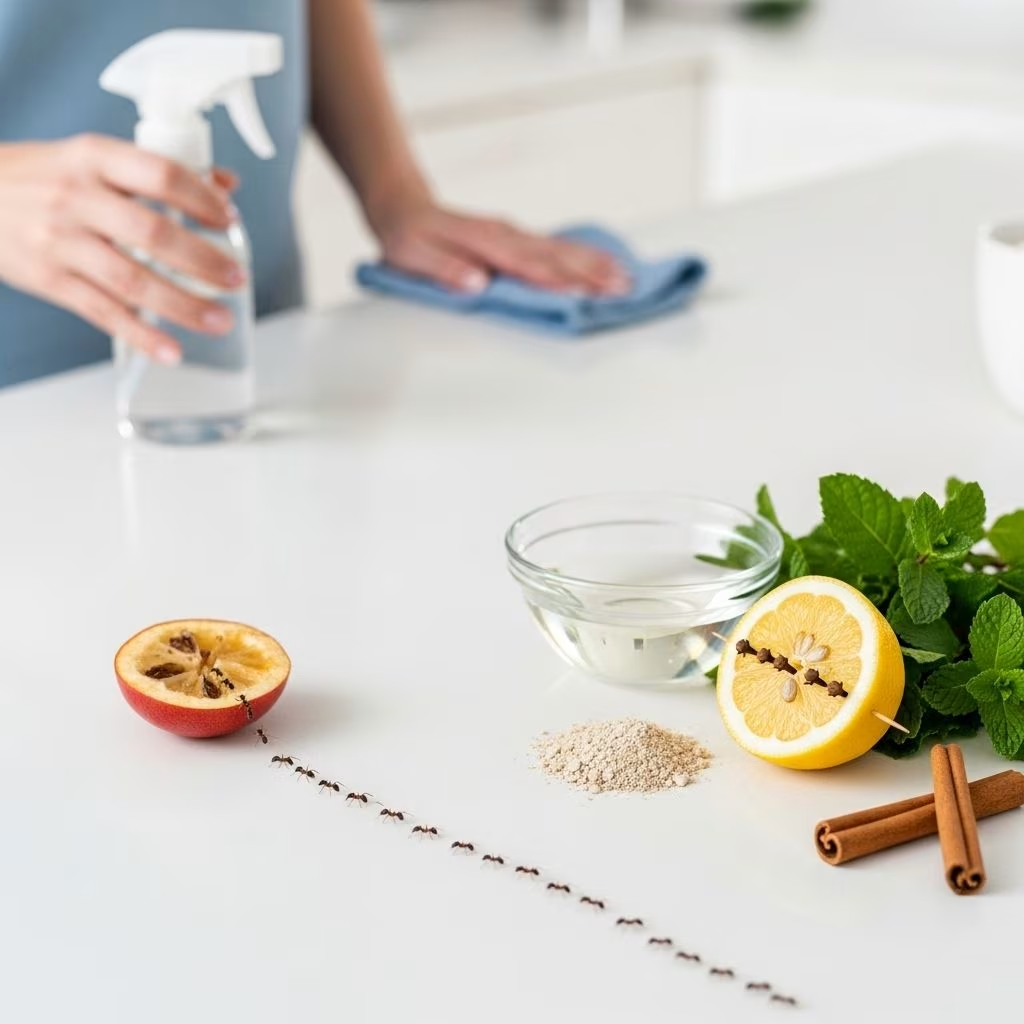
Ants are common household pests that can quickly become a nuisance in kitchens, pantries, bathrooms, and beyond. While chemical ant killers are readily available, many households prefer natural, eco-friendly solutions that are safer for children, pets, and the environment. This in-depth guide explores proven home remedies for ants, detailing natural removal techniques, prevention strategies, and answers to frequently asked questions.
Why Do Ants Invade the Home?
Understanding the behavior of ants is the first step toward effective control. Ants enter homes primarily in search of food, water, and shelter. Scent trails left by foragers help the colony locate and exploit food sources rapidly. Certain times of the year—especially spring and summer—tend to see increased activity as ant colonies expand and search for sustenance.
Key reasons ants invade your home:
- Accessible food sources: Uncovered food, crumbs, or sweet spills are particularly attractive.
- Moisture: Leaky faucets and damp areas draw ants, as they need water for survival.
- Shelter: Ants nest in walls, under floors, and behind baseboards, especially if they find entry points through small cracks or gaps.
Top Home Remedies for Ants
Multiple natural and household options can deter or eliminate ants effectively. Below, you’ll find the most effective home remedies, including how to prepare and use each one.
1. White Vinegar Solution
Vinegar is a powerful repellent that removes scent trails used by ants to communicate and navigate. Its acidic smell confuses ants, disrupting their ability to return to food sources.
- Mix equal parts white vinegar and water in a spray bottle.
- Spray directly on ant trails, entry points, countertops, and floors.
- Wipe up excess to remove both ants and lingering pheromone trails.
- Repeat daily for continued effectiveness.
2. Essential Oils (Peppermint, Tea Tree, Eucalyptus, Lemon Eucalyptus)
Many essential oils naturally repel ants due to their strong scents and compounds:
- Peppermint oil: Acts as a potent ant deterrent; mix 10-15 drops with a cup of water, spray near doors, windows, and along ant trails. You can also soak cotton balls and leave them in affected areas.
- Tea tree oil: Mixed with water, works well as a spray or on cotton balls.
- Lemon eucalyptus oil: Contains citronella, a known natural insect repellent. Use on cotton balls and replace them weekly.
- Eucalyptus oil: Similar applications to peppermint; note strong scent.
Caution: Keep essential oils out of reach of children and pets, as some oils can cause irritation if ingested or applied directly to skin.
3. Diatomaceous Earth (Food-Grade)
Food-grade diatomaceous earth (DE) is a natural powder made from fossilized algae. It kills ants via physical action—by damaging their exoskeletons and dehydrating them.
- Sprinkle a thin layer of DE along baseboards, windowsills, under appliances, and known entry points.
- Keep dry for best results (moisture reduces efficacy).
- Safe for humans and pets when not inhaled in large quantities.
4. Boric Acid or Borax Baits (with Sugar or Peanut Butter)
Boric acid and borax are frequently used in DIY ant baits. These substances work as slow-acting poisons: ants carry tainted food back to the colony, gradually eliminating the population.
- For Sugar Ants: Mix ½ teaspoon boric acid or borax with 8 teaspoons sugar and enough water to form a syrup. Soak cotton balls in the mixture, then place near ant trails.
- For Protein-preferring Ants: Replace sugar with a dab of peanut butter or greasy food.
- Keep away from children and pets.
5. Baking Soda and Sugar Trap
This method targets the ants’ digestive systems. Sugar attracts the ants, and baking soda disrupts digestion.
- Mix equal parts baking soda and sugar.
- Sprinkle the blend in shallow dishes or directly along ant trails and common activity zones.
- Monitor and refresh regularly.
6. Lemon Juice
Like vinegar, lemon juice removes ant trails and deters activity.
- Squeeze fresh lemon juice and apply around entry points (doors, windowsills).
- Alternatively, mix with water in a spray bottle and spray directly onto ant trails or suspected entry areas.
7. Cinnamon
Ground cinnamon or cinnamon sticks serve as strong ant deterrents. Ants dislike the pungent aroma, which also disrupts scent trails.
- Sprinkle ground cinnamon along entry points, baseboards, or near food storage.
- Place whole cinnamon sticks in cabinets or pantries for ongoing protection.
8. Coffee Grounds
Used coffee grounds act as a mild repellent:
- Sprinkle fresh, used coffee grounds around windowsills, door thresholds, and entry points.
- Replace grounds every few days or after rain for continued effectiveness.
9. Cornmeal
Cornmeal is sometimes used as a slow-acting bait—ants collect and return it to the nest but are unable to digest it, ultimately reducing the population over time.
- Place small heaps near ant trails and paths.
- Check and refresh as needed.
10. Bay Leaves
Bay leaves are aromatic and act as a mild repellent for ants and other pantry pests:
- Place dried bay leaves in food containers, pantries, and along known ant entry points.
- Crush leaves to release more aroma for increased potency.
11. Soap and Water Solution
Soap and water can kill ants by breaking down their exoskeleton and suffocating them:
- Mix a few drops of dish soap with water in a spray bottle.
- Spray directly on visible ants and wipe up residue, removing scent trails.
12. Sealing Entry Points
Physical exclusion is a critical step in long-term control:
- Use caulk to seal cracks, gaps, and crevices in walls, baseboards, windows, and around utility lines.
- Install door sweeps and weather stripping for additional protection.
Ant Repellents vs. Ant Killers: Understanding the Difference
| Method | Repels or Kills? | Best Use |
|---|---|---|
| Vinegar, Essential Oils, Lemon Juice, Cinnamon, Coffee Grounds, Bay Leaves | Primarily Repels | Drive ants away, prevent re-infestation |
| Boric Acid/Borax Baits, Baking Soda Trap, Diatomaceous Earth, Soap and Water | Primarily Kills | Eliminate colonies and target severe infestations |
| Sealing Entry Points, Cleaning | Prevents & Repels | Long-term protection and maintenance |
Prevention: Keeping Ants Out
The most effective ant management strategies combine direct removal with proactive prevention:
- Maintain cleanliness: Wipe down countertops, sweep floors, and clean up crumbs/spills immediately. Ants gravitate to easily accessible food sources.
- Store food in airtight containers: Both dry goods and leftovers should be protected to deny ants access.
- Empty trash frequently: Dispose of garbage regularly and use sealed bins.
- Fix leaks and eliminate standing water: Address drippy faucets, leaking pipes, and pet water bowls to remove moisture that attracts ants.
- Inspect and seal entry points: Close any gaps around doors, windows, and utility entrances.
- Trim vegetation away from your house: Trees, shrubs, and branches in contact with the home can give ants an easy bridge indoors.
Safety Tips for Home Remedies
- Keep toxic materials (boric acid, borax) out of reach of children and pets.
- Use food-grade diatomaceous earth indoors to ensure safety for humans and animals.
- Read product labels and MSDS sheets for all ingredients, even natural ones.
- Ventilate well when applying essential oils, vinegar, or lemon juice sprays, especially in enclosed areas.
Comparison Table: Home Remedies at a Glance
| Remedy | Main Action | Effective For | Safety |
|---|---|---|---|
| White Vinegar | Repels & cleans trails | All ant types | Safe (avoid eyes/skin contact) |
| Essential Oils (e.g., Peppermint, Tea Tree, Eucalyptus) | Repels | Most household ants | Safe if diluted; avoid ingestion and eye contact |
| Diatomaceous Earth (Food-Grade) | Kills by dehydration | Indoor and outdoor use | Safe food-grade only, avoid inhaling dust |
| Boric Acid/Borax Bait | Kills colony | Sugar and protein-feeding ants | Toxic if ingested by kids/pets |
| Baking Soda and Sugar | Kills (digestive effect) | Common household ants | Low toxicity (but still supervise use) |
| Cinnamon, Coffee Grounds, Lemon Juice, Bay Leaves | Repels | Good for mild infestations/prevention | Safe |
| Cornmeal | Kills (digestive disruption) | Outdoors or along trails | Safe |
Frequently Asked Questions (FAQs)
Q: How long do home remedies take to work against ants?
Some repellents like vinegar, lemon juice, and essential oil sprays can drive away ants almost immediately. Baits (boric acid, baking soda, cornmeal) are slower, taking several days to weeks to fully impact the colony, as ants carry poisoned food back to the nest over time.
Q: Are natural remedies as effective as commercial ant killers?
Natural remedies are highly effective for small to moderate infestations and in preventing recurrence when combined with good hygiene and exclusion. Severe infestations or certain resistant ant species may require professional-grade baits or intervention.
Q: Can I use multiple remedies at the same time?
Yes, combining remedies—such as repellent sprays for trails and baits for colony elimination—can enhance effectiveness. Ensure compatibility and avoid applying repellents near bait stations, as this may repel ants from taking bait.
Q: Are home remedies safe for pets and children?
Most are, such as vinegar, lemon juice, baking soda, coffee grounds, and cinnamon. Extra care is required with boric acid/borax baits and essential oils: keep out of reach of children and pets, use only as directed, and avoid areas accessible to crawling infants or animals.
Q: Why do I keep seeing ants even after trying these remedies?
If ants persist, revisit preventive steps—look for overlooked food sources, unsealed entry points, or moisture problems. Larger colonies or certain ant species (like carpenter ants or fire ants) may necessitate professional pest control intervention.
When to Call a Professional Exterminator
If DIY remedies and prevention fail to control an ant infestation within two to three weeks, or if you identify potentially destructive species (such as carpenter ants capable of damaging wood structures), consult a licensed pest management professional. They can identify the species and implement safe, targeted treatments to protect your home long term.
Final Tips for Sustainable Ant Control
- Be persistent: Repeat remedies and reinforce prevention regularly until results are conclusive.
- Rotate between different methods if ants appear to adapt.
- Monitor for seasonal patterns, increasing vigilance in warmer months.
Natural, home-based ant control is both accessible and effective—just combine immediate solutions, ongoing prevention, and thoughtful safety practices for a healthier, pest-free home.
References
- https://www.nativepestmanagement.com/blog/2025/february/10-solutions-to-get-rid-of-sugar-ants-naturally/
- https://www.bugoutservice.com/ant-exterminators/ant-control/natural-ways-to-get-rid-of-ants/
- https://www.healthline.com/health/how-to-kill-ants
- https://www.youtube.com/watch?v=XTXRHQjrWBI
- https://www.pestex.ca/4-effective-home-remedies-prevent-ant-invasion/


