


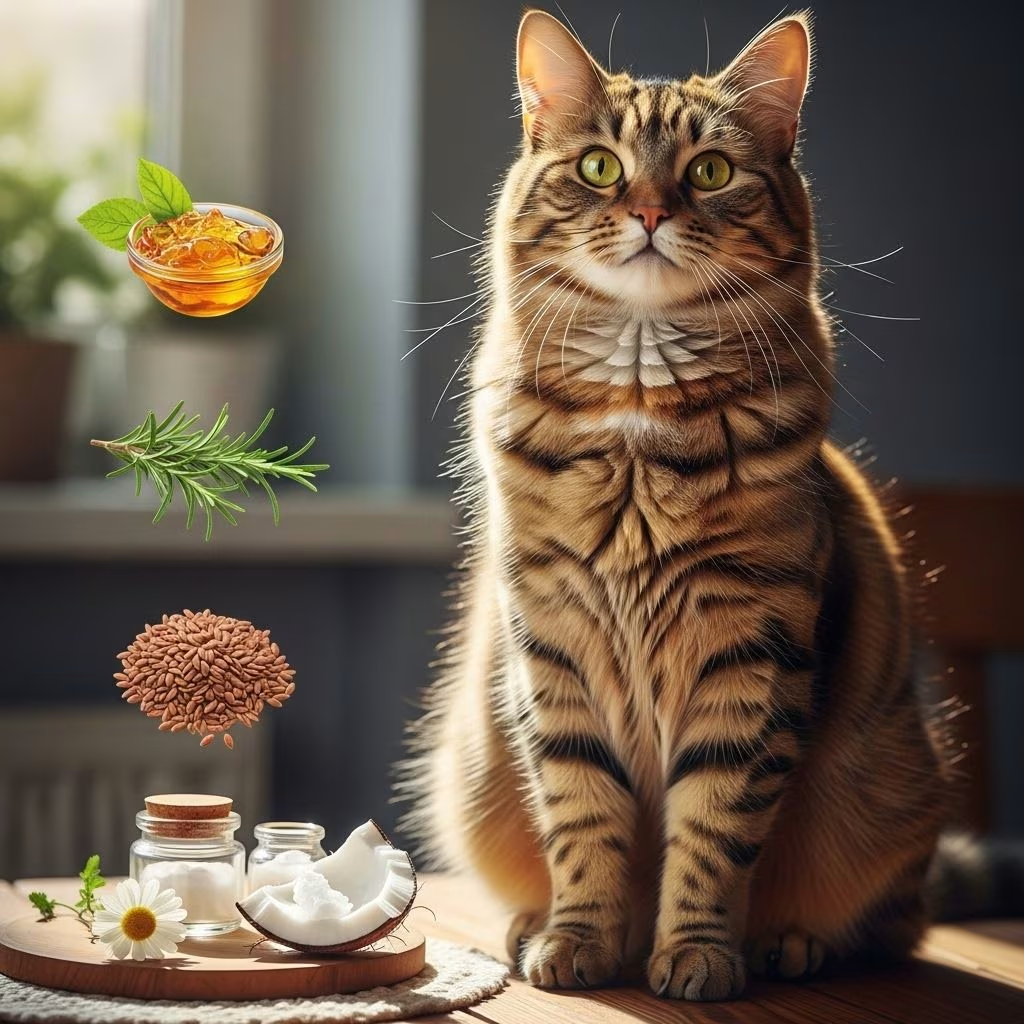
When your cat’s fur begins to lose its sparkle or soft caress, it’s tempting to reach for chemical-heavy shampoos or grooming products. However, long before the rise of commercial solutions, clever cat owners relied on the wisdom of grandmothers—using household remedies to enhance feline coats, tackle dander, prevent matting, and keep their beloved companions radiant. In this guide, discover five of these traditional, natural remedies, their benefits, and practical tips to nurture your cat’s fur safely.
Why Natural Coat Care Matters for Cats
A cat’s coat is more than beautiful; it serves as a barrier against external elements, regulates temperature, and signals the animal’s overall health. Coat issues—such as dullness, dandruff, mats, and excessive shedding—often point to underlying imbalances. Addressing these naturally not only preserves your cat’s comfort but also avoids harsh chemicals that can disrupt the skin’s delicate ecosystem or cause adverse reactions.
- Gentle on the skin: Household remedies use mild, non-toxic ingredients.
- Supports the skin’s natural balance: By nourishing and cleaning without stripping essential oils.
- Fosters bonding: The grooming process becomes a trusting, soothing ritual for both pet and owner.
1. The Power of a Rosemary Rinse: Restoring Shine & Soothing Skin
One of the oldest and most popular remedies for a lacklustre or flaky coat is a rosemary rinse. Rosemary’s natural antimicrobial properties ease dander and soothe irritated skin, while its subtle, pleasant fragrance makes it far more acceptable to cats than artificial scents.
- Boil several fresh rosemary sprigs in water, allowing the solution to cool completely.
- Apply the cooled infusion to your cat’s fur with a soft cloth during a gentle brushing session.
- Optional: Add a teaspoon of apple cider vinegar to the cooled mixture for enhanced skin-balancing effects.
- The solution removes loose flakes, nourishes follicles, and helps distribute oils across the coat.
Use the rinse during grooming, focusing on areas prone to dander. Avoid getting the liquid in your cat’s eyes or ears, and stop immediately if you observe signs of irritation.
2. Tackling Mats and Tangles: Cornstarch & Coconut Oil Treatment
Matting may seem unavoidable—especially in long-haired breeds or older cats who struggle with self-care—but traditional remedies offer a solution that protects both fur and feline dignity. For decades, families have combined cornstarch and coconut oil to help break up stubborn mats, avoiding the trauma (and risk) of scissors near sensitive skin.
- Mix equal parts cornstarch and coconut oil into a thick paste.
- Gently work the paste into the base of each mat with your fingers—never tug or pull forcefully.
- Allow to sit for 10 minutes. The cornstarch absorbs the oils that cause clumps, while coconut oil softens keratin bonds.
- Tease the mat apart gently using your fingers or a special mat-comb, followed by careful brushing.
- Pro tip: Use arrowroot powder instead of cornstarch as a preventive dry shampoo—brushed through the fur weekly to manage oils before mats form.
Always reward your cat during the process, making it a reassuring, positive experience. Bald patches or broken skin mean professional help is needed.
3. The Beer and Egg Miracle: Deep Conditioning and Sheen
Just as beer and eggs have been staples of vintage human haircare, they also offer substantial benefits for your cat’s coat—when used properly and with safety as the utmost priority‘).
Beer Rinse (Alcohol-Free)
- Use only alcohol-free beer. Classic home wisdom is that nutrients in beer strengthen hair, add gloss, and help detangle.
- After a gentle bath, lightly sponge lukewarm beer over your cat’s body (avoiding the face and genital area).
- Let it sit for about three minutes, then rinse thoroughly with clean water and towel dry gently.
Egg Conditioning Mask
- Use egg yolk for dark, short fur; egg white for light-coloured, long fur.
- Beat the yolk (or white) with warm water, then apply with a sponge to clean, damp fur (avoiding the face and genitals).
- Massage gently, then rinse after five minutes to remove all residue.
- Dry your cat thoroughly and brush the fur to distribute natural oils and achieve a healthy shine.
Caution: Egg and beer residues can become sticky and uncomfortable if not rinsed thoroughly. Always prioritize your cat’s comfort and keep sessions short and soothing.
4. The Honey Bath: Nature’s Silky Coat Solution
Honey has long been valued for its conditioning and fortifying properties. As a rich source of vitamins and minerals, honey nourishes the hair shaft, restoring softness, strength, and luster to damaged or dry coats.
- Combine a tablespoon of pure honey with half a litre of warm water and blend thoroughly.
- Apply the solution to your cat’s clean, wet coat using a soft sponge, again being careful to avoid the face and sensitive areas.
- Massage gently, then let sit for several minutes before rinsing thoroughly with lukewarm water.
- Dry and brush as usual, ensuring your cat feels secure throughout the process.
Due to honey’s sticky nature, ensure a full rinse to leave the coat soft but residue-free. Leftover honey mixture can be refrigerated for up to a week.
5. Dietary Remedies: Nourishing Fur from Within
What your cat eats profoundly affects coat health. Grandmother-approved wisdom holds that protein- and fat-rich foods underpin a shiny, resilient fur. This is now confirmed by modern nutrition: a well-formulated feline diet with 25–30% protein and healthy fats nourishes the whole skin and fur system.
- Prioritize high-protein foods—lean meats such as chicken, turkey, or properly balanced commercial cat food.
- Ensure dietary fats are present for moisture balance and strength. Omega-3 and omega-6 fatty acids are especially important.
- For occasional variety, incorporate small amounts of fish (avoid bones and heavy seasoning), or supplement with a veterinary-approved oil.
- Always provide fresh, clean water daily; dehydration quickly leads to a brittle, dull coat.
Avoid excessive treats or fatty scraps and monitor for allergies, introducing new ingredients gradually.
Extra Touches: Other Gentle Home Treatments
Easing Shedding and Dander Naturally
- Use a rubber grooming glove during cuddles to capture shed hair and distribute oils.
- For heavy shedders, a slicker brush followed by a dampened chamois cloth mimics a mother cat’s tongue—an intuitive way to finish the session and calm your cat.
Paw Pads and Ears: Supporting Total Coat Health
- For dry, cracked paws, blend beeswax, shea butter, and a drop of vitamin E. Rub into pads just before playtime so your cat is distracted and less likely to lick it off.
- Ears can harbor wax and debris. Gently clean with a drop of warm olive oil, rubbed into the ear canal and wiped away with a cotton round (never insert deep inside).
Making Cat Grooming a Positive Ritual
The secret to gorgeous, trouble-free fur isn’t a one-off deep clean but consistent, loving care. Even a minute or two daily—paired with treats, cheerful conversation, and a gentle touch—prevents problems long before they take root. Learn to recognize your cat’s signals, combine practical tips with warm ritual, and nurturing their coat becomes a joy for you both.
Frequently Asked Questions (FAQs)
Q: Can I use essential oils or strong herbal solutions on my cat?
A: Most essential oils are unsafe for cats—especially tea tree, citrus, and eucalyptus. Always use mild herbal infusions (such as rosemary or chamomile) in very dilute concentrations and stop if irritation or distress develops.
Q: How do I introduce grooming to a cat who hates being handled?
A: Start with very short sessions and positive rewards, such as treats or soft praise. Use a soft glove or cloth rather than brushes at first. Always respect your cat’s cues—stop at the first sign of stress, and gradually increase duration as trust builds.
Q: What signs indicate my cat’s coat issues need a vet?
A: Persistent bald spots, open sores, bleeding, strong odor, or severe itchiness should be evaluated by a veterinarian to rule out parasites, infection, or metabolic disease.
Q: How often should I use these remedies?
A: Most natural treatments can be used once a week or as needed. Daily brushing (even briefly) is ideal for coat maintenance, while dietary and hydration improvements should become permanent habits.
Q: Can these remedies prevent hairballs?
A: Regular grooming reduces loose hair your cat might ingest, decreasing hairball formation. Adding a teaspoon of plain, unsweetened pumpkin to food (with your vet’s approval) can also help hair pass safely through the digestive tract.
Quick Comparison Table: Remedies for Cat Coat Care
| Remedy | Main Ingredients | Benefits | Frequency |
|---|---|---|---|
| Rosemary Rinse | Rosemary sprigs, water, optional apple cider vinegar | Soothes skin, reduces dander, adds shine | Weekly / as needed |
| Cornstarch & Coconut Oil | Cornstarch, coconut oil (or arrowroot powder) | Detangles mats, prevents clumping, softens fur | When mats form / weekly prevention |
| Beer/Egg Conditioner | Alcohol-free beer, egg yolk or white, warm water | Deep conditioning, enhances gloss | Monthly / after bathing |
| Honey Bath | Pure honey, warm water | Strengthens, nourishes, and softens coat | Monthly / as needed |
| Dietary Upgrades | High-quality protein, healthy fats, plenty of water | Supports fur growth, resilience, and shine | Daily |
In Summary: Your Cat’s Coat, Naturally Radiant
Grandmothers’ favorite remedies endure because they blend tradition, science, and kindness. Keep your cat’s coat gleaming using time-honored, gentle techniques and a touch of patience—and enjoy the satisfaction of a healthier, happier feline friend.
References
- https://catcurio.com/blogs/catlove/natural-remedies-for-common-coat-problems-diy-solutions-for-dander-and-matting
- https://vetina.com/6-essential-home-remedies-to-enhance-the-fur-quality-of-your-long-haired-cat/
- https://www.catsbest.eu/long-haired-cats-fur-care/
- https://www.wellnesspetfood.com/blog/springtime-shedding-managing-your-cats-coat-during-the-seasonal-change/
- https://www.vetpharmacy.co.uk/blog/cat-skin-coat-care/
- https://www.theepochtimes.com/article/grandmothers-advice-natural-hair-care-1517168


