


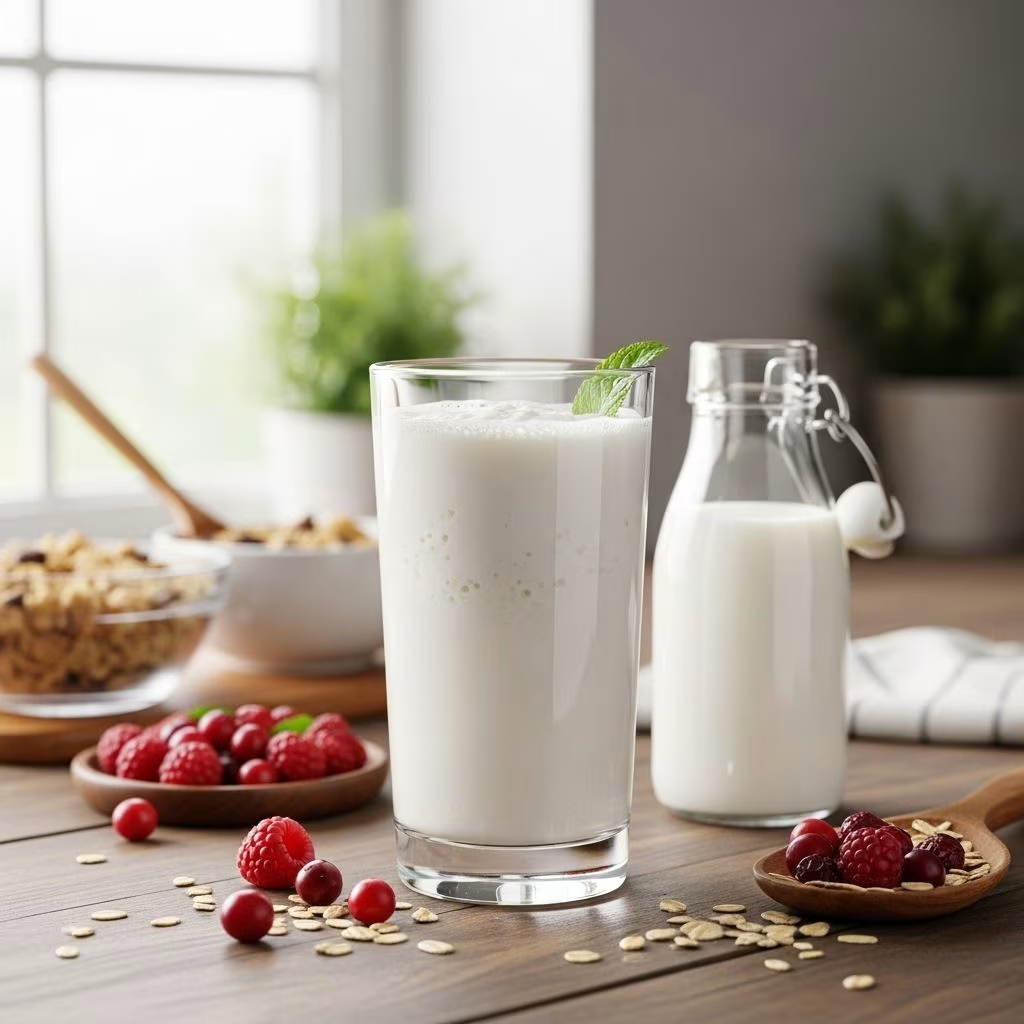
Kefir milk stands out as one of the oldest and most nutritionally dynamic fermented dairy drinks, renowned for its probiotic richness and distinctive tangy flavor. Once a traditional beverage in the Caucasus mountains, kefir has gained popularity worldwide, celebrated both for its health benefits and its unique culinary versatility.
What Is Kefir Milk?
Kefir milk is a fermented dairy beverage produced by adding kefir grains—a symbiotic culture of bacteria and yeasts encapsulated in a polysaccharide matrix—to milk from cows, goats, or sheep. Through fermentation, these microorganisms break down lactose and generate various bioactive compounds, transforming ordinary milk into a probiotic-rich, tangy, and creamy drink .
The process not only imparts health-promoting bacteria and yeasts but also alters the nutritional profile of the milk, making the resulting drink highly digestible and flavorfully complex .
Origins and History
Kefir is believed to have originated centuries ago in the mountainous Caucasus region, an area covering parts of modern-day Eastern Europe and Western Asia . The name “kefir” comes from the Turkish word “keif,” meaning “good feeling,” reflecting the sensation people experienced after drinking it.
- Historically, kefir was treasured by nomadic shepherds and consumed for its reputed health benefits, including digestive comfort and vitality.
- Traditional kefir-making was a closely guarded family tradition, with kefir grains handed down through generations.
How Is Kefir Milk Made?
The production of kefir revolves around kefir grains, not true grains, but rather gelatinous clusters composed of proteins, polysaccharides (known as kefiran), and a rich microbiome of bacteria and yeasts .
Kefir Grain Characteristics
- Kefir grains resemble small cauliflower florets, are ivory or pale yellow, and vary in size (0.3 to 3.5 cm in diameter) .
- They are elastic and irregular in shape, with a structure composed of proteins, mucopolysaccharides, lipids, vitamins (notably B and K), and minerals like calcium, phosphorus, and magnesium .
Fermentation Process
- Kefir grains are added to fresh milk and incubated at room temperature (20–25°C) for 12–48 hours.
- Throughout fermentation, lactose (milk sugar) is broken down by microbial enzymes (notably β-galactosidase) into lactic acid, carbon dioxide, ethanol, and a myriad of flavor compounds .
- This fermentation not only imparts a characteristic tang and effervescence but also predigests some milk components, enhancing digestibility and bioavailability of nutrients.
Once fermentation completes, grains are strained out and reused for future batches, while the resulting kefir drink is either chilled for consumption or used in recipes.
Nutritional Profile
Kefir milk is valued for its rich and dynamic nutritional profile. Its exact composition can vary depending on the type of milk, fermentation time, and grain origin .
| Nutrient | Typical Value per 100g | Function |
|---|---|---|
| Moisture | 90% | Hydration/Base |
| Sugars (mainly lactose-derived) | 6% | Energy, fermentation source |
| Fat | 3.5% | Satiety, flavor |
| Protein | 3% | Tissue repair, satiety |
| Ash (minerals) | 0.7% | Electrolytes |
| Probiotic bacteria & yeasts | Varies (over 60 strains) | Digestive and immune support |
| Vitamins (B group, K) | Present | Energy, metabolism, bone health |
| Calcium, phosphorus, magnesium | High | Bone strength |
| Amino acids (lysine, isoleucine, etc.) | Notable concentrations | Protein synthesis, metabolic health |
Fermentation increases levels of several essential amino acids, as well as B vitamins and vitamin K, enhancing the drink’s micronutrient density compared to plain milk .
Health Benefits of Kefir Milk
Kefir is widely studied for its promising health benefits, attributed mainly to its rich probiotic content and bioactive compounds produced during fermentation .
Key Kefir Health Benefits
- Gut Health & Digestion: Contains around 60 strains of beneficial probiotics, including lactobacillus, lactococcus, and streptococcus species, which help maintain a balanced gut flora and support digestion .
- Lactose Digestion: The fermentation process reduces lactose content by about one third, making kefir tolerable for many people with lactose intolerance. Some studies indicate that regular consumption can improve lactose digestion over time .
- Immune Support: Bioactive peptides, probiotics, and vitamins found in kefir may enhance immune surveillance and reduce inflammation .
- Antimicrobial Effects: Certain lactobacillus strains and yeasts present inhibit pathogens, contributing to overall gut and systemic health .
- Bone Health: Rich supplies of calcium, vitamin K2 (mainly in traditional kefir), phosphorus, and protein contribute to bone density and may reduce osteoporosis risk .
- Improved Nutrient Absorption: The production of acids during fermentation helps make minerals such as calcium and magnesium more bioavailable .
- Potential Cardiovascular Support: Early studies indicate kefir may help regulate cholesterol and blood pressure, likely due to bioactive peptides and effects on gut flora .
Kefir vs. Yogurt: What’s the Difference?
| Characteristic | Kefir | Yogurt |
|---|---|---|
| Bacterial Diversity | 60+ probiotic strains (bacteria & yeasts) | 2-7 probiotic strains (mainly bacteria) |
| Texture | Pourable, drinkable | Thick, spoonable |
| Taste Profile | Sharp, tangy, sometimes effervescent | Milder, creamy, rarely fizzy |
| Lactose Content | Lower, due to fermentation | Moderate |
| Production Method | Kefir grains; symbiotic fermentation | Starter cultures; lactic acid fermentation |
Both kefir and yogurt are healthy fermented dairy foods, but kefir’s broader microbial diversity and drinkable form distinguish it .
Taste and Types of Kefir Milk
The taste of kefir milk is notably distinct, thanks to the complex microbial fermentation and secondary metabolites. Understanding its sensory qualities helps in appreciating this drink.
Taste Profile
- Tartness: The most pronounced feature—ranging from mildly tangy to sharp, depending on the fermentation duration.
- Effervescence: Often slightly carbonated due to CO2 generated during fermentation.
- Creaminess: Usually creamier and thinner than yogurt, with a smooth consistency that coats the palate.
- Subtle Yeast Notes: Some detect mild alcoholic, bready, or earthy nuances arising from yeast fermentation, but the alcohol content is minimal (typically less than 1%).
Main Types of Kefir
- Milk Kefir: The classic version, made with cow, goat, or sheep milk.
- Water Kefir: A dairy-free alternative where kefir grains ferment sugar water. Lighter and less creamy, it doesn’t offer the same protein or calcium content as milk kefir .
- Raw Milk Kefir: Made with unpasteurized milk, which may boast unique probiotic strains but could pose safety risks and is illegal in many locales .
- Flavored or Store-bought: Commercial kefir often comes with added fruit flavors or sweeteners. Note that pasteurization post-fermentation reduces live probiotic counts .
Culinary Uses and Recipes
Kefir’s versatility shines in the kitchen. It can be enjoyed plain, but its unique properties lend themselves to various culinary applications.
- Drink as is: Chilled, poured into a glass; often used as a breakfast or between-meal drink.
- Breakfast Bowls: Poured over granola, oats, or fruit for an easy, probiotic-rich breakfast.
- Smoothies: Blended with berries, bananas, or greens for a creamy, tangy, gut-friendly smoothie.
- Salad Dressings: Substitute kefir for buttermilk or yogurt for a more complex flavor in dressings and dips.
- Baking: Used in place of milk or buttermilk in pancakes, muffins, and quick breads.
- Marinades: The acidity and enzymes in kefir are ideal for tenderizing meats.
- Sauces and Chilled Soups: Adds tang and creaminess to gazpacho, tzatziki, or cold beet soup.
How to Make Kefir Milk at Home
Homemade kefir is simple and rewarding. Here’s a basic method:
- Add 1-2 tablespoons of fresh kefir grains to about 500ml (2 cups) of milk in a glass jar.
- Cover the jar with a breathable cloth secured by a rubber band.
- Let the mixture ferment at room temperature (20–25°C) for 24–48 hours. The milk should thicken and develop a tangy smell.
- Strain out the grains using a fine mesh plastic or stainless steel strainer. The grains can be reused in the next batch.
- Store the strained kefir in the refrigerator and enjoy within a week.
Homemade kefir is often stronger and more probiotic-rich than many store-bought varieties, where post-fermentation pasteurization may reduce live cultures .
Potential Side Effects and Safety
Kefir is generally considered safe for most individuals, but some may experience mild digestive symptoms upon initial consumption, such as:
- Bloating or loose stools (as the digestive system adjusts to increased probiotics)
- Possible allergic reactions in those with milk protein allergies
- Rarely, reactions to histamines produced during fermentation
Raw milk kefir should be avoided by infants, the elderly, pregnant women, and immunocompromised individuals due to the risk of harmful bacterial contamination .
Frequently Asked Questions (FAQs)
Q: Is kefir milk suitable for those who are lactose intolerant?
A: Yes, fermented kefir has lower lactose content than regular milk and contains enzymes that help break down remaining lactose, making it tolerable for many with lactose intolerance .
Q: How often should I drink kefir to experience health benefits?
A: Even small daily servings (1 cup/240ml) can introduce beneficial probiotics and nutrients to support digestion and overall health. Individuals new to kefir may want to start with smaller amounts.
Q: How is kefir different from buttermilk?
A: While both are tangy, fermented dairy drinks, kefir contains a much higher and more diverse probiotic population, and is traditionally made with kefir grains rather than bacterial cultures.
Q: Can kefir milk be consumed by children?
A: Yes, in most cases it’s safe for children, unless they have milk allergies or specific medical concerns. Homemade kefir should be prepared with pasteurized milk for young children.
Q: Can I use non-dairy milks to make kefir?
A: Some plant-based milks (e.g., coconut, soy, almond) can be fermented with kefir grains, but the resulting drink will differ in taste, texture, and probiotic profile compared to milk-based kefir .
In summary, kefir milk is a nutritionally robust, probiotic-rich fermented beverage with deep traditional roots and wide-ranging health benefits. Its unique tangy taste, culinary versatility, and potential to support gut health and overall wellness make it a remarkable addition to a balanced diet.
References
- https://www.cambridge.org/core/journals/nutrition-research-reviews/article/milk-kefir-nutritional-microbiological-and-health-benefits/1393DC2B8E5F08B0BE7BD58F030D387B
- https://www.webmd.com/diet/kefir-good-for-you
- https://pmc.ncbi.nlm.nih.gov/articles/PMC4626640/
- https://zoe.com/learn/what-is-kefir
- https://en.wikipedia.org/wiki/Kefir
- https://culturesforhealth.com/blogs/learn/milk-kefir-milk-kefir-grains-composition-bacteria-yeast
- https://www.droracle.ai/articles/132371/what-is-kefir
- https://www.healthline.com/health/kefir-vs-yogurt


