


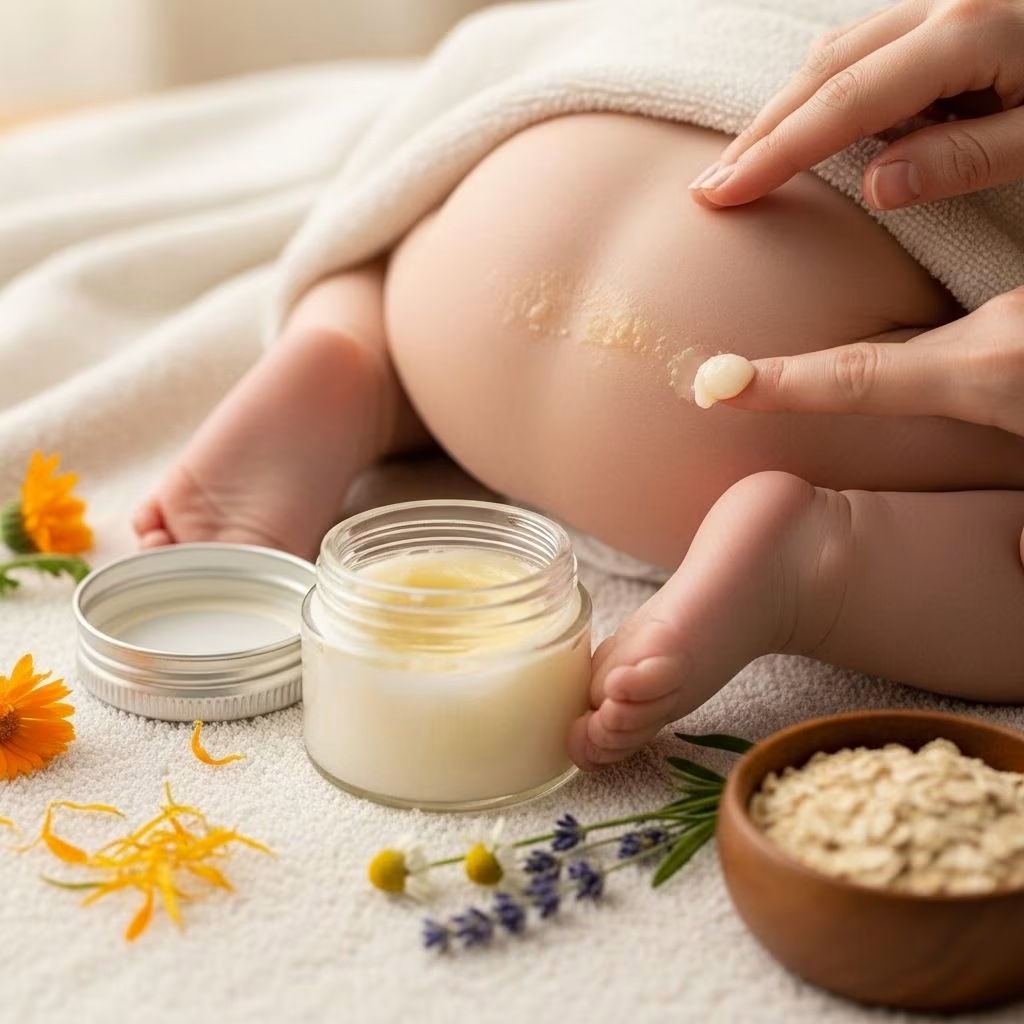
Natural Remedies for Diaper Rash: Gentle Care for Delicate Skin
Diaper rash is a common concern for parents, appearing as inflamed, red skin in the diaper area. It can make babies uncomfortable and lead to restless nights. While there are many commercial creams and treatments available, a growing number of parents are turning to natural remedies for their gentle effectiveness and minimal side effects. This article explores the best natural ways to soothe and prevent diaper rash, offering science-backed solutions, prevention strategies, and important caveats for what to avoid.
Understanding Diaper Rash
Diaper rash, also called diaper dermatitis, results from prolonged moisture, friction from diapers, and sometimes reactions to ingredients in wipes or creams. It often shows up as red patches, bumps, or even raised, raw areas on your baby’s bottom and genital region. Certain factors, like introducing new foods or antibiotics, can also trigger more rashes.
Main Causes of Diaper Rash
- Prolonged wetness: Wet or soiled diapers, especially if left on for extended periods.
- Irritation: Rubbing from diapers or reactions to chemicals in wipes/soaps.
- Yeast (Candida) infections: Rashes that last over two days or appear after antibiotics may be yeast-related.
- Introduction of new foods: Dietary changes can alter stool acidity, irritating sensitive skin.
- Allergic reactions: Sensitivity to certain lotions, wipes, or detergents.
Natural Remedies: Safe and Soothing Treatments
Frequent Diaper Changes
Simple and highly effective, changing your baby’s diaper immediately after it becomes wet or soiled prevents prolonged exposure to moisture and irritants. Frequent changes are the cornerstone of preventing and healing diaper rash.
Key Tip: Check diapers every 2 hours during the day and change immediately after bowel movements.
Gentle Cleansing
When cleaning the diaper area, avoid harsh soaps and wipes, which can aggravate irritation. Instead:
- Use lukewarm water and a soft, clean cloth.
- Choose fragrance-free, alcohol-free wipes if needed.
- Gently pat dry, never rub.
Airing Out Time
Allowing a baby’s skin to breathe is essential for healing and prevention:
- Let your baby go without a diaper for short periods on a clean towel or blanket.
- Encourage a little diaper-free playtime each day.
- For boys, place a cloth over the genital area to avoid surprise messes.
Natural Diaper Rash Creams and Barriers
Natural barrier creams protect against moisture and soothe existing rashes. Look for products or ingredients that feature:
- Zinc oxide: Creates a protective barrier, allowing skin to heal.
- Calendula: A flower extract with anti-inflammatory and healing properties.
- Chamomile: Calms and soothes redness and irritation.
- Beeswax, olive oil, and cod liver oil: Natural barriers that lock in moisture and prevent further irritation.
Breast Milk
Research shows that breast milk is just as effective as traditional medicated creams for diaper rash due to its natural antibacterial and healing properties. Application options:
- Apply a few drops directly to clean, dry skin and let air dry before diapering.
- Add breast milk to bath water for widespread or resistant rashes.
Coconut Oil
Coconut oil’s natural moisturizing, antimicrobial, and anti-inflammatory properties make it a popular choice.
- Apply a thin layer to the affected area several times daily.
- It forms a light barrier and may promote healing.
Note: While widely recommended, evidence is mixed on coconut oil’s solo effectiveness, but many parents report positive experiences.
Olive Oil
Olive oil is gentle, hydrating, and has mild antibacterial properties.
- Massage a small amount (about half a tablespoon) onto clean, dry skin.
- Use after each change as a preventive and healing measure.
Oatmeal Baths
Colloidal oatmeal (finely ground) offers soothing relief from itching and redness.
- Add 1 tablespoon of colloidal oats to a lukewarm bath.
- Let your baby soak for 10–15 minutes, gently patting dry afterwards.
- Reduces inflammation and promotes faster healing.
Aloe Vera Gel
Aloe vera is celebrated for its soothing, cooling, and healing qualities.
- Choose a pure, organic gel (95–100% aloe vera).
- Apply a thin layer to the rash and allow it to dry before putting on a new diaper.
- Repeat until redness subsides.
Apple Cider Vinegar
Apple cider vinegar’s natural antifungal and antibacterial effects may be helpful, particularly for yeast-related rashes.
- Add 2 tablespoons of apple cider vinegar to a bowl of lukewarm water.
- Gently wipe the area, or soak for a few minutes, then allow skin to air dry before diapering.
Herbal Remedies
- Chamomile tea: Brew, cool, and apply with a soft cloth to inflamed skin.
- Lavender tea: Similar use; provides a calming effect and may reduce redness.
Baking Soda Baths (Caution)
Baking soda may neutralize acidity and offer soothing relief. However, excessive exposure can sometimes irritate, especially in sensitive babies.
- For spot treatment, create a paste (mix baking soda with water) and apply to the rash for a few minutes before rinsing off gently.
- Add 1–2 tablespoons to a bathtub for short soaks.
Use baking soda remedies occasionally, as overuse may dry or irritate young skin.
Probiotics and Diet
Some diaper rashes, especially yeast infections, can be affected by your baby’s gut health. Probiotics may help balance healthy skin flora from the inside out.
- Consider probiotic drops for infants (check with your pediatrician). For breastfeeding parents, including probiotic-rich foods in your diet can pass on the benefits.
Prevention: Building Daily Habits to Avoid Diaper Rash
- Frequent diaper changes: Don’t allow prolonged exposure to wetness or stool.
- Choose breathable diapers: Some babies are sensitive to disposable diaper materials; try switching brands or using cloth if needed.
- Limit or avoid powders: Avoid talcum or fragranced powders, which can irritate lungs and skin.
- Preference for unscented, mild products: Detergents, wipes, and lotions should be gentle, fragrance-free, and dye-free.
- Include daily air-out time: Make this a routine to maintain dry, healthy skin.
- Protect during illness or after antibiotics: Yeast rashes often follow antibiotics or diarrhea; extra diligence with prevention can help.
Treatments and Remedies to Avoid
Some home remedies are unproven or may make rashes worse, especially if the cause is yeast:
- Cornstarch: Can worsen yeast-based rashes as it provides food for fungal growth.
- Baking soda (overuse): Too much exposure can cause skin irritation or even burns—use sparingly.
- Coconut oil (as sole treatment): While moisturizing, it doesn’t address underlying bacterial/yeast issues alone. Use alongside other proven remedies.
- Essential oils: Many are too harsh or may cause allergic reactions in infants.
When to Call the Doctor
- Rash isn’t improving after two or three days of home care.
- Open sores, oozing, blisters, or bleeding occur.
- Yellowish, crusty spots develop (possible bacterial infection).
- Baby develops a fever along with the rash.
Table: Common Natural Remedies for Diaper Rash
| Remedy | Main Benefit | How to Apply | Notes / Warnings |
|---|---|---|---|
| Breast Milk | Antibacterial, healing | Apply drops, air dry | Good as preventative too |
| Coconut Oil | Moisturizer, antimicrobial | Thin layer after cleansing | May combine with zinc oxide cream |
| Olive Oil | Hydrating, anti-inflammatory | Massage gently on skin | Use sparingly, avoid with fungal rashes |
| Aloe Vera | Cooling, soothing, healing | Apply gel, dry fully | Use 95%+ pure gel |
| Oatmeal Bath | Reduces redness, soothes itching | Add to bath, soak 10–15 min | Best for sensitive skin |
| Apple Cider Vinegar | Antifungal, antibacterial | Diluted wipe or bath | Avoid open wounds |
Frequently Asked Questions (FAQs)
Q: Are natural remedies safe for all babies?
A: Most natural remedies are gentle, but it’s important to monitor for sensitivities and consult your pediatrician for persistent or severe diaper rashes.
Q: Can I prevent diaper rash entirely?
A: While it’s difficult to eliminate risk altogether, frequent changing, gentle cleaning, air time, and using barrier creams greatly reduce the likelihood of diaper rash.
Q: How long should I wait before seeing improvement?
A: Mild cases should improve within 2–3 days of consistent care. If not, or if symptoms worsen, check with your healthcare provider.
Q: Can yeast or bacterial infections be treated naturally?
A: Natural remedies can help mild yeast rashes. However, persistent, oozing, or worsening symptoms may need prescription medications. Oils and breast milk have mild antifungal effects but aren’t substitutes for medical treatment when infection is present.
Q: Are diaper-free periods messy?
A: Messiness is possible, so place a towel or waterproof mat under your baby and supervise closely. The benefits for healing and prevention are worth a little preparation!
Summary: Gentle, Mindful Baby Care
Natural remedies, from regular airing out to breast milk and botanical creams, can provide comforting, effective relief for most diaper rashes. With attentive prevention and mindful product choices—combined with prompt treatment at the first signs of redness—you can keep your baby’s delicate skin happy and rash-free. Always pay attention to persistent or worsening symptoms and consult your doctor if in doubt.
References
- https://gimmethegoodstuff.org/blogs/guides-and-product-reviews/disposable-diapers-and-diaper-rash-prevention-and-natural-remedies
- https://www.toplinemd.com/childrens-medical-center-south-florida/natural-remedies-for-diaper-rash/
- https://www.happyhealthypediatrics.com/holistic-approaches-to-treating-diaper-rash-a-pediatricians-perspective/
- https://www.mustelausa.com/blogs/mustela-mag/natural-diaper-rash-remedies
- https://www.healthline.com/health/home-remedies-diaper-rash
- https://www.mayoclinic.org/diseases-conditions/diaper-rash/diagnosis-treatment/drc-20371641
- https://www.seattlechildrens.org/conditions/a-z/diaper-rash/
- https://my.clevelandclinic.org/health/diseases/11037-diaper-rash-diaper-dermatitis
- https://www.medicalnewstoday.com/articles/322472


