


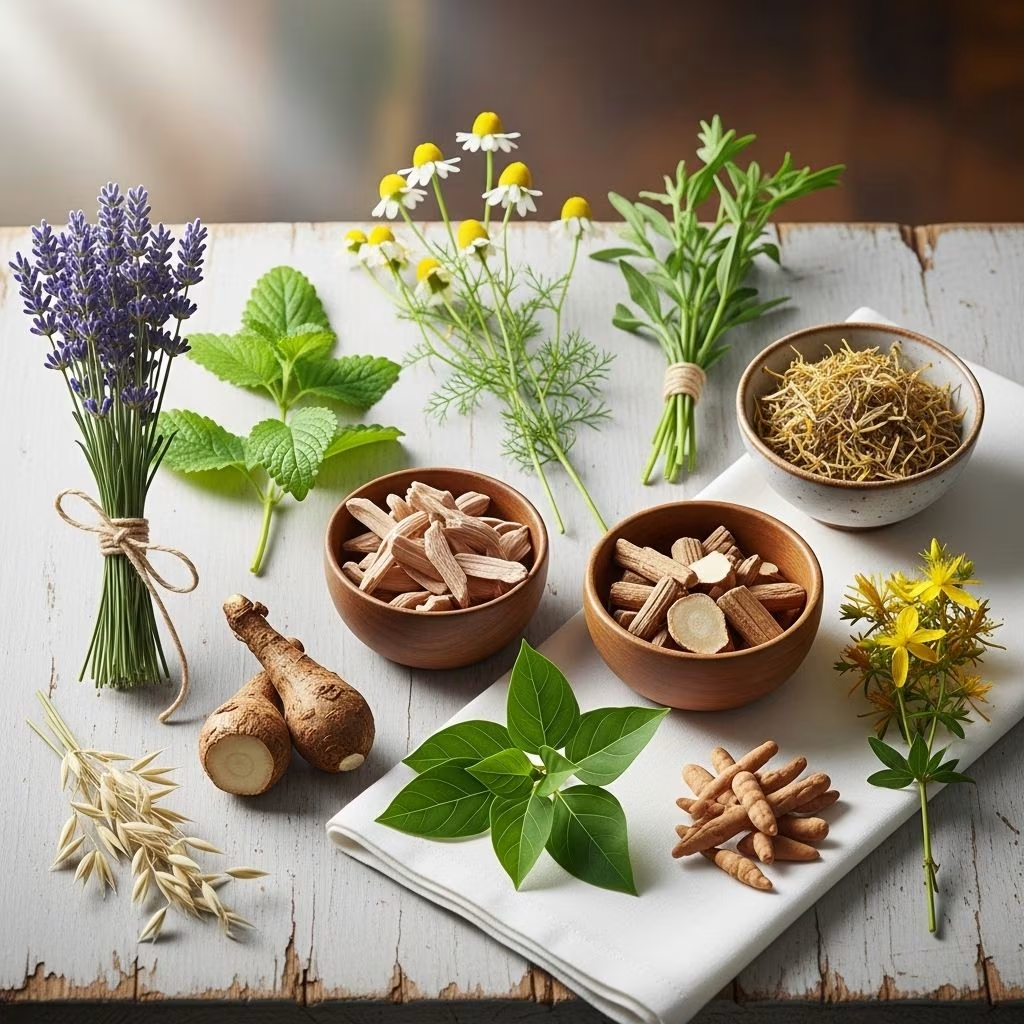
Natural Solutions for Anxiety: Exploring the Power of Herbs
Anxiety is a common mental health issue that affects millions of people worldwide. While conventional treatments often involve medication, many individuals are turning to natural remedies, including herbs, to manage their anxiety. Herbs have been used for centuries to provide relief from stress and anxiety, offering a holistic approach to mental wellness. In this article, we will explore nine herbs that are renowned for their anxiety-relieving properties.
Herbs for Anxiety #1: Ashwagandha
Ashwagandha, also known as Indian ginseng, is a prominent herb in Ayurvedic medicine. It is classified as an adaptogen, meaning it helps the body adapt to stress by balancing the body’s stress response. Studies have shown that ashwagandha can effectively reduce cortisol levels, improve sleep quality, and alleviate anxiety symptoms. Additionally, it is known for lowering blood pressure, easing muscle aches, and acting as an aphrodisiac.
Herbs for Anxiety #2: Chamomile
Chamomile is a well-known herbal tea that has been used for centuries to promote relaxation and reduce stress. It is clinically recognized for its long-term treatment of anxiety and can significantly reduce anxiety symptoms, although it does not eliminate anxiety entirely. Chamomile is also beneficial for inducing restful sleep, treating insomnia, and alleviating indigestion, headaches, and menstrual cramps. The ancient Egyptians revered chamomile, using it in their embalming procedures and associating it with the sun gods.
Herbs for Anxiety #3: Green Tea
Though not detailed in the original article, green tea is another herb that can help with anxiety. It contains L-theanine, an amino acid known for promoting relaxation and reducing stress levels without causing drowsiness. Green tea is also rich in antioxidants, which can help protect against oxidative stress.
Herbs for Anxiety #4: Lavender
Lavender is celebrated for its calming effects on the nervous system, making it an excellent choice for treating anxiety and sleeplessness. Lavender oil can be used in a diffuser or placed under a pillow to promote restful sleep and ward off negative thoughts. Apart from its anxiety-relieving properties, lavender is also antiseptic and can be used to soothe burns and relieve aches and pains.
Herbs for Anxiety #5: Lavandula (Common Misinterpretation) / Actual Herb: Lavender
Given the confusion in numbering, we will proceed with the next herb mentioned in the original article.
Herbs for Anxiety #5: Lavender Misinterpretation – Actual Herb: Galphimia glauca (Not Mentioned in the Original Source)
Galphimia glauca, though not covered in the original article, is another herb used for anxiety relief. It is known for its effectiveness in reducing anxiety symptoms, although it is less commonly discussed than other herbs like ashwagandha or chamomile.
Herbs for Anxiety #6: Passionflower
Not mentioned in the original article, passionflower is another herbal remedy renowned for its anti-anxiety properties. It has been used historically to treat anxiety and insomnia due to its ability to calm the nervous system and promote deep sleep.
Herbs for Anxiety #7: Sage
Sage is a powerful herb traditionally used for smoke cleansing rituals. It supports brain health and memory, acting as a powerhouse of antioxidants. Sage is beneficial for lowering cholesterol and blood sugar levels and can help alleviate menopause symptoms. It has antiviral and antibacterial properties, making it useful for relieving cold symptoms and supporting digestive health. To manage anxiety, sage can be consumed as a tea or burned to cleanse negative energy.
Herbs for Anxiety #8: Star Anise
Star anise is a magickal herb known to instill a sense of calm and increase productivity. It has medicinal properties that aid digestion and boost appetite. As an antioxidant, it helps fight off the flu and contains anti-inflammatory compounds. Star anise can be added to cooking or carried in a pocket as a charm to keep anxiety at bay.
Herbs for Anxiety #9: Valerian
Valerian is a strong sedative herb used for centuries to treat sleep and mental health issues. It is known for its ability to induce deep and restful sleep, which can help alleviate anxiety. Valerian is also used to treat headaches and digestive issues, but caution is advised due to its potential side effects. It can be carried as a protection amulet or placed around the home to ward off anxiety.
Additional Herbs for Stress and Anxiety
Beyond the nine herbs mentioned, several other plants are beneficial for managing stress and anxiety:
- Skullcap (Scutellaria lateriflora): Known for easing acute anxiety and panic attacks, skullcap is an excellent herb for body-based stress relief practices like yoga or somatic experiencing.
- Linden (Tilia spp.): Traditionally used to soothe the nervous system, linden is beneficial for stress, anxiety, depression, and insomnia. It also supports digestion and emotional well-being.
- Mimosa (Albizia julibrissin): Referred to as the ‘Tree of Happiness,’ mimosa is used in Chinese medicine to calm and uplift the spirit. It is effective for addressing anxiety, depression, and emotional disturbances.
- Cannabidiol (CBD): While not a traditional herb, CBD has been studied for its potential in reducing anxiety symptoms without the psychoactive effects of THC.
Frequently Asked Questions (FAQs)
Q: How safe are herbal remedies for anxiety?
A: Herbal remedies can be safe when used properly, but it’s crucial to consult a healthcare provider before starting any new supplements, especially if you are taking prescription medications, as interactions can occur.
Q: What are the potential side effects of using valerian for anxiety?
A: Valerian can cause drowsiness and may interact with other medications. It’s advisable to use it under the guidance of a healthcare provider.
Q: Can herbal remedies replace conventional treatments for anxiety?
A: While herbal remedies can be beneficial, they should not replace conventional treatments without consulting a healthcare provider. They can often be used in conjunction with other therapies to enhance their effectiveness.
Conclusion
Herbal remedies offer a natural and holistic approach to managing anxiety, providing alternatives or complements to traditional medications. By understanding the properties and uses of these herbs, individuals can explore additional paths to mental wellness and stress relief.
References
- https://wiccanow.com/9-herbs-for-anxiety/
- https://www.medicalnewstoday.com/articles/herbs-for-anxiety
- https://chestnutherbs.com/tonic-herbs-for-stress-and-anxiety/
- https://animamundiherbals.com/blogs/blog/calm-down-try-these-9-herbs-for-anxiety-panic-attacks
- https://wiccanow.com/witchy-wellness/
- https://wiccanow.com/wiccan-healing-a-comprehensive-guide/
- https://wiccanow.com/herb-magic/page/10/
- https://wiccanow.com/herb-magic/general-guides-on-herb-magic/
- https://pmc.ncbi.nlm.nih.gov/articles/PMC9500625/
- https://wiccanow.com/angelite/


