


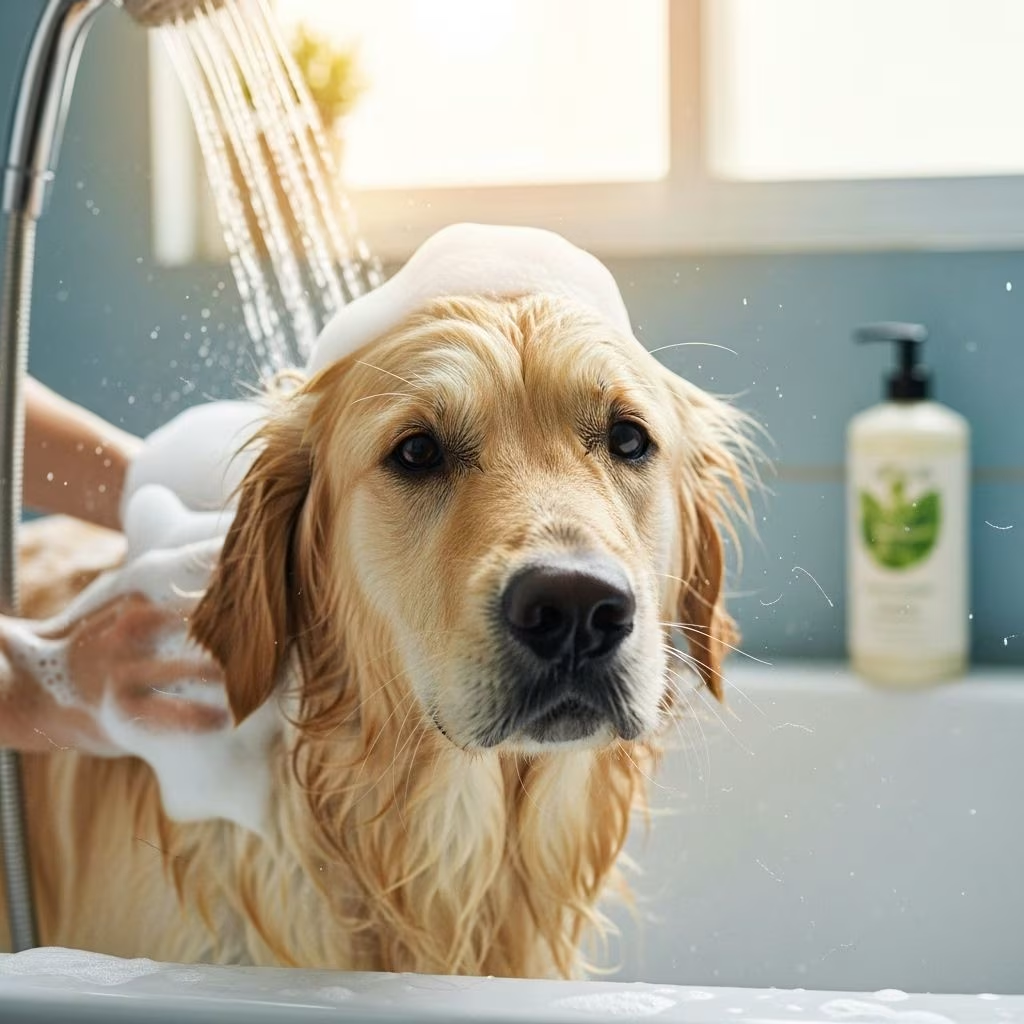
Pet hair loss can be a concerning issue for pet owners, affecting not only the appearance of your beloved companion but also their overall health and wellbeing. Natural anti-hairfall shampoos have emerged as a gentle yet effective solution, combining the wisdom of herbal remedies with modern pet care science. These specially formulated products address hair loss concerns while maintaining the natural balance of your pet’s skin and coat.
Understanding the root causes of pet hair loss and choosing the right natural shampoo can make a significant difference in your pet’s coat health. From environmental stressors to nutritional deficiencies, multiple factors contribute to excessive shedding and hair fall in pets. Natural remedies offer a holistic approach that works with your pet’s biology rather than against it, providing long-term benefits without the harsh side effects of chemical-laden products.
Understanding Pet Hair Loss and Its Causes
Hair loss in pets is a multifaceted condition that can stem from various underlying factors. Environmental pollutants, seasonal changes, poor nutrition, stress, and skin conditions all play crucial roles in determining the health of your pet’s coat. Modern pets face unique challenges that their ancestors never encountered, including exposure to indoor heating systems, air conditioning, and processed foods that may lack essential nutrients.
The natural shedding cycle of pets varies by breed, season, and individual health status. However, excessive hair fall that results in bald patches, thin coat areas, or constant shedding beyond normal limits indicates an underlying issue requiring attention. Stress-related hair loss has become increasingly common in urban environments where pets may experience anxiety from noise pollution, limited outdoor time, and changing household dynamics.
Nutritional deficiencies remain one of the primary contributors to poor coat health. Essential fatty acids, proteins, vitamins, and minerals form the building blocks of healthy hair growth. When these nutrients are lacking in your pet’s diet, the coat becomes dull, brittle, and prone to excessive shedding. Additionally, hormonal imbalances, parasitic infections, and allergic reactions can trigger significant hair loss requiring comprehensive treatment approaches.
The Power of Natural and Herbal Ingredients
Natural anti-hairfall shampoos harness the therapeutic properties of botanical extracts, essential oils, and herbal compounds that have been used for centuries in traditional medicine. These ingredients work synergistically to address multiple aspects of coat health simultaneously. Unlike synthetic chemicals that may provide quick superficial results, natural ingredients penetrate deeply into the skin and hair follicles, promoting genuine healing and regeneration from within.
Herbal formulations respect the delicate pH balance of pet skin, which differs significantly from human skin. The absence of harsh sulfates, parabens, synthetic fragrances, and artificial colors makes these shampoos suitable for pets with sensitive skin or those prone to allergic reactions. Natural ingredients provide gentle cleansing action while delivering vital nutrients directly to hair follicles, supporting the complete hair growth cycle from root to tip.
The effectiveness of herbal shampoos lies in their ability to address both symptoms and underlying causes of hair loss. Anti-inflammatory compounds soothe irritated skin, antimicrobial agents combat infections, and circulation-boosting ingredients enhance nutrient delivery to hair follicles. This comprehensive approach results in stronger, healthier hair growth that sustains itself naturally over time rather than relying on continuous chemical intervention.
Key Natural Ingredients for Hair Fall Prevention
Several powerful natural ingredients have demonstrated remarkable efficacy in combating pet hair loss. Aloe vera stands out as a supreme moisturizing and healing agent, providing deep hydration while reducing scalp inflammation. Its enzymatic properties help remove dead skin cells that may block hair follicles, creating an optimal environment for new hair growth. Aloe vera also balances the skin’s pH levels, preventing the overgrowth of harmful microorganisms that contribute to skin conditions and hair loss.
Rosemary oil has gained recognition as one of the most effective natural remedies for stimulating hair growth. This potent essential oil increases blood circulation to the scalp, ensuring hair follicles receive adequate oxygen and nutrients. Research has shown rosemary oil can produce results comparable to conventional hair growth treatments by strengthening hair roots and reducing hair fall. Its antimicrobial properties also protect against scalp infections while its antioxidants combat free radical damage.
Coconut oil serves as an excellent carrier oil and treatment ingredient, penetrating the hair shaft to prevent protein loss and strengthen hair from within. Rich in medium-chain fatty acids, coconut oil provides deep conditioning while creating a protective barrier against environmental damage. Its antifungal properties help maintain a healthy scalp ecosystem, reducing dandruff and irritation that can lead to excessive scratching and hair loss.
Neem extract offers powerful antibacterial and antifungal properties, making it invaluable for treating skin conditions that contribute to hair loss. This traditional remedy cleanses the scalp thoroughly while promoting healing of minor wounds and irritations. Neem also helps regulate oil production, preventing both excessive dryness and greasiness that can impair hair health.
Green tea extract provides potent antioxidants that protect hair follicles from oxidative stress and environmental damage. The polyphenols in green tea stimulate hair growth while reducing inflammation and supporting overall scalp health. This ingredient also helps strengthen hair roots, reducing breakage and shedding over time.
Benefits of Natural Anti-Hairfall Shampoos
Choosing natural anti-hairfall shampoos for your pet offers numerous advantages that extend beyond simple hair loss prevention. The gentle cleansing action of these products removes dirt, excess oils, and environmental pollutants without stripping away the natural protective oils that keep skin and coat healthy. This balanced approach maintains optimal moisture levels, preventing the dryness and irritation that often result from harsh chemical shampoos.
Enhanced hair strength and thickness develop gradually as natural ingredients nourish hair follicles and support the complete growth cycle. Unlike chemical treatments that may provide temporary cosmetic improvements, herbal formulations address the fundamental health of each hair strand. Proteins, vitamins, and minerals delivered through natural ingredients fortify hair structure, reducing breakage and promoting fuller, more resilient coats.
The improvement in overall skin health represents another significant benefit of natural anti-hairfall shampoos. Healthy skin provides the foundation for healthy hair growth, and herbal ingredients work to heal irritations, balance pH levels, and maintain the skin’s protective barrier. This holistic approach reduces the likelihood of recurring skin problems that contribute to chronic hair loss.
Suitability for all coat types and ages makes natural shampoos versatile additions to any pet care routine. Whether your pet has short or long hair, thick or thin coats, sensitive or resilient skin, natural formulations adapt to individual needs without causing adverse reactions. Puppies and senior pets particularly benefit from the gentleness of herbal products.
The absence of toxic chemical residues provides peace of mind for pet owners concerned about long-term health effects. Pets frequently lick their coats, potentially ingesting residues from grooming products. Natural ingredients pose minimal risk even when ingested in small amounts, making them safer choices for curious pets prone to self-grooming.
Natural vs. Chemical Shampoos: Making the Right Choice
The debate between natural and chemical pet shampoos centers on effectiveness, safety, and long-term impact on pet health. Chemical shampoos often promise rapid results through synthetic compounds designed to coat hair shafts, create artificial shine, or strip away oils completely. While these products may deliver immediate cosmetic improvements, they frequently fail to address underlying causes of hair loss and may even exacerbate problems over time.
Sulfates, commonly found in conventional shampoos, create abundant lather but can severely dry out skin and strip natural oils essential for coat health. Parabens used as preservatives have raised concerns about hormonal disruption and potential long-term health effects. Synthetic fragrances may trigger allergic reactions in sensitive pets, leading to scratching, irritation, and secondary hair loss from self-trauma.
Natural shampoos adopt a fundamentally different approach by working with the body’s natural processes rather than overriding them. These products may require slightly longer to show dramatic results, but the improvements they deliver prove more sustainable and comprehensive. By nourishing hair follicles, improving scalp health, and supporting natural growth cycles, herbal shampoos create lasting positive changes that continue even after discontinuing use.
The environmental impact also differs significantly between chemical and natural options. Synthetic ingredients may persist in water systems, affecting aquatic ecosystems and wildlife. Natural, biodegradable ingredients break down harmlessly, reducing your pet care routine’s ecological footprint. For environmentally conscious pet owners, this consideration adds another dimension to product selection.
How to Use Natural Anti-Hairfall Shampoo Effectively
Maximizing the benefits of natural anti-hairfall shampoo requires proper application techniques and consistent use. Begin by thoroughly wetting your pet’s coat with lukewarm water, ensuring the water penetrates to the skin. Cold water may not activate the shampoo’s ingredients optimally, while hot water can cause discomfort and dry out skin.
Apply a generous amount of shampoo, starting at the neck and working backward to prevent pests from fleeing to the head area. Massage the shampoo into the coat using gentle circular motions, focusing on the skin rather than just the hair surface. This massage action stimulates blood circulation, enhancing the delivery of nutrients to hair follicles while helping the shampoo’s active ingredients penetrate effectively.
Allow the shampoo to remain on the coat for three to five minutes, giving herbal extracts time to work their magic. This dwell time proves crucial for natural ingredients to interact with skin and hair, delivering therapeutic compounds deep into follicles. Some pets may resist standing still during this period, so having treats or toys available can help maintain cooperation.
Rinse thoroughly, ensuring no shampoo residue remains in the coat. Natural shampoos typically rinse more easily than chemical alternatives, but complete removal prevents skin irritation and ensures a clean, fresh coat. Pay special attention to areas with thick fur or skin folds where residue tends to accumulate.
For optimal results, use natural anti-hairfall shampoo once or twice weekly, depending on your pet’s lifestyle and coat condition. More frequent washing may be necessary for outdoor pets exposed to dirt and pollutants, while indoor pets may require less frequent bathing. Consistency matters more than frequency—regular use allows natural ingredients to build up therapeutic effects over time.
Complementary Natural Remedies for Hair Health
Natural anti-hairfall shampoo works most effectively when combined with other holistic approaches to pet health. Scalp massage between baths stimulates circulation, relieves stress, and strengthens the bond between you and your pet. Spend five to ten minutes daily gently massaging your pet’s skin in circular motions, paying attention to areas prone to hair loss.
Dietary improvements form the foundation of healthy coat maintenance. Ensure your pet receives adequate protein, omega-3 and omega-6 fatty acids, biotin, and zinc—all essential nutrients for hair growth and maintenance. High-quality pet foods formulated with whole food ingredients provide better nutritional support than products containing fillers and by-products.
Essential oil treatments can complement shampooing routines when used appropriately. Dilute therapeutic oils like lavender or chamomile with carrier oils and apply to affected areas between baths. Always research pet-safe essential oils, as some compounds toxic to humans prove harmless to pets and vice versa.
Stress reduction plays a vital role in preventing stress-related hair loss. Ensure your pet receives adequate exercise, mental stimulation, and quality time with family members. Create quiet spaces where your pet can retreat when feeling overwhelmed, and maintain consistent routines that provide security and predictability.
Regular grooming with appropriate brushes removes dead hair, distributes natural oils, and allows early detection of skin problems. Different coat types require different grooming tools and frequencies, so research the specific needs of your pet’s breed or coat type.
Recognizing When Professional Help Is Needed
While natural remedies effectively address many hair loss cases, certain situations require veterinary intervention. Sudden, severe hair loss accompanied by skin lesions, redness, or discharge indicates potential infection or serious skin disease requiring medical diagnosis and treatment. Parasitic infections like mange or ringworm demand specific treatments that natural shampoos alone cannot eliminate.
Hair loss occurring in symmetric patterns may signal hormonal imbalances requiring blood tests and targeted medical management. Conditions like hypothyroidism, Cushing’s disease, or reproductive hormone imbalances cause distinctive hair loss patterns that natural remedies cannot correct without addressing the underlying endocrine dysfunction.
If your pet exhibits signs of distress such as constant scratching, biting at affected areas, changes in behavior, loss of appetite, or lethargy alongside hair loss, prompt veterinary evaluation becomes essential. These symptoms may indicate allergic reactions, autoimmune conditions, or systemic illnesses requiring comprehensive medical care.
Natural anti-hairfall shampoos work best for prevention and treatment of mild to moderate hair loss related to environmental factors, nutritional deficiencies, or minor skin irritations. They serve as excellent adjunct therapies even when medical treatment becomes necessary, supporting skin health and promoting recovery without interfering with prescribed medications.
The Science Behind Natural Hair Growth Support
Understanding the biological mechanisms through which natural ingredients support hair health helps appreciate their therapeutic value. Hair growth occurs in distinct phases: anagen (active growth), catagen (transition), and telogen (resting). Natural anti-hairfall shampoos work by prolonging the anagen phase, shortening the telogen phase, and strengthening hair shafts to prevent premature breakage.
Improved blood circulation resulting from massage and circulation-stimulating ingredients like rosemary ensures hair follicles receive optimal oxygen and nutrient supplies. This enhanced delivery system supports cellular metabolism within follicles, promoting robust hair production and growth. Antioxidants in natural ingredients protect follicular cells from oxidative damage that can impair their function and shorten hair lifespan.
Anti-inflammatory compounds in herbal extracts reduce chronic inflammation that can damage hair follicles and impair their regenerative capacity. By creating a healthier scalp environment, these ingredients allow follicles to function optimally, producing stronger, more resilient hair strands that resist shedding and breakage.
Natural moisturizing factors in plant-based ingredients help maintain the skin’s barrier function, preventing excessive water loss that leads to dry, brittle hair prone to breakage. Proper hydration ensures flexibility in hair shafts, reducing mechanical damage from normal grooming and daily activities.
Choosing the Right Natural Anti-Hairfall Shampoo
Selecting the most appropriate natural shampoo for your pet requires consideration of several factors. Examine ingredient lists carefully, looking for whole plant extracts, essential oils, and recognizable natural compounds. Avoid products claiming to be natural while containing sulfates, parabens, synthetic fragrances, or artificial colors that undermine the benefits of herbal ingredients.
Consider your pet’s specific coat type and skin condition when evaluating products. Dry, flaky skin benefits from moisturizing ingredients like aloe vera and coconut oil, while oily skin responds better to astringent herbs like neem and tea tree oil. Pets with sensitive skin require especially gentle formulations free from potential irritants.
Research brand reputation and manufacturing practices, seeking companies committed to quality, sustainability, and ethical sourcing. Third-party certifications, transparency about ingredient origins, and positive customer reviews provide valuable insights into product effectiveness and company reliability.
Price considerations should balance affordability with quality. While natural ingredients may cost more than synthetic alternatives, their concentrated formulations often mean smaller amounts achieve effective results, providing good value over time. Investing in premium natural products may ultimately prove more economical than repeatedly purchasing cheaper products that fail to deliver results.
Frequently Asked Questions
Q: How long does it take to see results from natural anti-hairfall shampoo?
A: Natural shampoos typically require 4-8 weeks of consistent use before noticeable improvements appear. Hair growth cycles take time, and natural ingredients work gradually to strengthen follicles and promote healthy growth. Some pets may show improvements sooner, while others need longer treatment periods depending on the severity of hair loss and underlying causes.
Q: Can natural anti-hairfall shampoo be used on puppies?
A: Yes, natural shampoos are generally safe for puppies, as they contain gentle ingredients free from harsh chemicals. However, always check product labels for age recommendations and consult your veterinarian before starting any grooming routine with young pets. Puppies have more sensitive skin than adult dogs, so even natural products should be tested on a small area first.
Q: Are natural shampoos effective for all types of pet hair loss?
A: Natural shampoos work best for hair loss caused by environmental factors, mild skin conditions, nutritional deficiencies, and stress. They may not effectively treat hair loss from serious medical conditions like hormonal imbalances, autoimmune diseases, or severe parasitic infections. These conditions require veterinary diagnosis and targeted medical treatment, though natural shampoos can support recovery as complementary therapy.
Q: How often should I use natural anti-hairfall shampoo on my pet?
A: Most pets benefit from bathing with natural anti-hairfall shampoo once or twice weekly. Frequency depends on lifestyle, coat type, and specific skin conditions. Outdoor pets or those with oily coats may need more frequent washing, while indoor pets with dry skin may require less frequent bathing. Over-bathing can strip natural oils even with gentle products, so find the balance that works for your individual pet.
Q: Can I make my own natural anti-hairfall shampoo at home?
A: While homemade pet shampoos are possible, creating effective formulations requires knowledge of proper ingredient ratios, pH balance, and preservation methods. Commercially prepared natural shampoos undergo testing to ensure safety and efficacy. If attempting homemade versions, research thoroughly and consult with veterinary professionals to avoid creating products that may harm your pet’s skin or coat.
Q: Will natural shampoo help with seasonal shedding?
A: Natural anti-hairfall shampoos can help manage seasonal shedding by strengthening hair follicles and improving overall coat health. While they cannot eliminate normal seasonal shedding, which is a natural process, they can reduce excessive shedding and help the new coat grow in healthier and stronger. Combined with proper nutrition and regular grooming, natural shampoos minimize the impact of seasonal coat changes.
References
- https://www.orgoallnatural.com/blog/herbal-shampoo-for-hair-fall/
- https://www.goodrx.com/well-being/alternative-treatments/natural-hair-growth-products-remedies
- https://continentalhospitals.com/blog/top-10-natural-remedies-for-hair-loss-you-can-try-at-home/
- https://health.clevelandclinic.org/shampoo-for-hair-loss
- https://pmc.ncbi.nlm.nih.gov/articles/PMC10685248/
- https://www.kosmoderma.com/do-you-know-about-these-benefits-of-anti-hair-fall-shampoos/
- https://www.myfreebird.com/blogs/health/natural-remedies-hair-loss


