


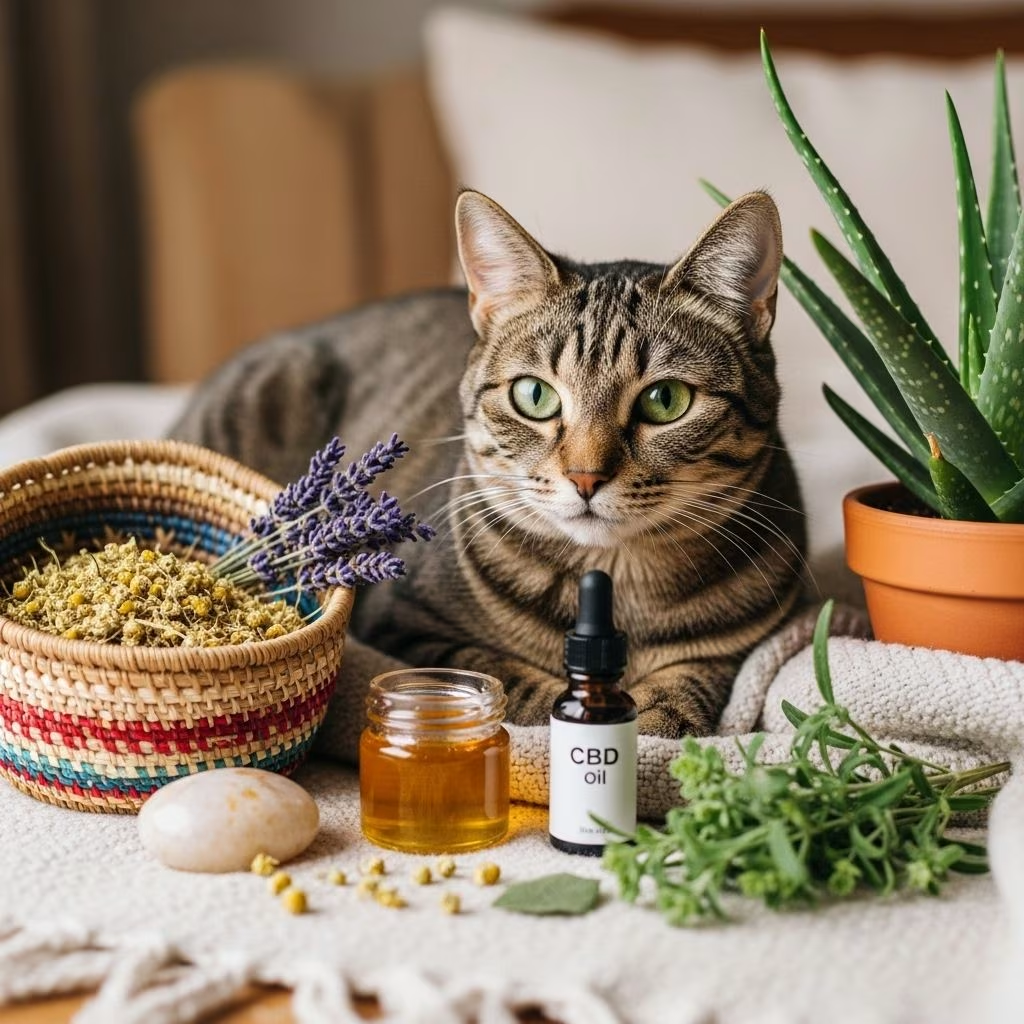
As cat owners increasingly seek gentler, more natural approaches to feline healthcare, the world of holistic remedies has opened up exciting possibilities for maintaining and improving our cats’ wellbeing. Natural remedies offer a complementary approach to traditional veterinary care, addressing common health concerns while minimizing exposure to synthetic chemicals and medications. This comprehensive guide explores nine effective natural remedies that can help keep your feline companion healthy, comfortable, and thriving.
Before implementing any natural remedy, it’s essential to understand that while these treatments can be highly effective for minor ailments and preventive care, they should never replace professional veterinary diagnosis and treatment for serious health conditions. Always consult with your veterinarian before introducing new treatments, especially if your cat has existing health issues or is taking medications.
Understanding Natural and Holistic Cat Care
Natural cat care focuses on using ingredients and methods derived from nature rather than synthetic pharmaceuticals. This approach emphasizes prevention, supporting the body’s natural healing mechanisms, and treating the whole animal rather than just isolated symptoms. Holistic care considers your cat’s physical health alongside their emotional wellbeing, environmental factors, and lifestyle habits.
The foundation of natural cat care rests on providing high-quality nutrition, maintaining a clean and stress-free environment, ensuring regular exercise and mental stimulation, and using gentle, natural remedies when health concerns arise. This approach recognizes that optimal health comes from balance across all aspects of your cat’s life.
Natural Remedy #1: Managing Allergies with Antihistamines
While environmental allergies are relatively uncommon in cats compared to dogs, some felines do experience seasonal sensitivities that manifest as increased sneezing, watery eyes, or skin irritation. When your cat shows signs of seasonal allergies, certain over-the-counter antihistamines can provide relief under veterinary guidance.
The key to using antihistamines safely involves selecting products without decongestants, which can be harmful to cats. Your veterinarian can recommend appropriate dosages based on your cat’s weight and specific symptoms. Interestingly, Benadryl (diphenhydramine), while commonly recommended for dogs, can cause agitation in some cats and is generally not the first choice for feline allergy relief.
Beyond medication, reducing allergen exposure helps manage symptoms naturally. Regular cleaning of your cat’s environment, using air purifiers with HEPA filters, and keeping windows closed during high pollen seasons can significantly decrease allergic reactions. Consider wiping your cat’s paws and coat with a damp cloth after outdoor exposure to remove environmental allergens.
Natural Remedy #2: Combating Dry Skin Naturally
Dry, flaky skin affects many cats, particularly during winter months when indoor heating reduces humidity levels. Since bathing cats presents significant challenges for most owners, dietary approaches and environmental modifications offer more practical solutions for addressing this common concern.
The foundation of healthy skin begins with nutrition. Feeding your cat a high-quality diet rich in essential fatty acids supports skin health from the inside out. Many commercial cat foods lack sufficient omega-3 fatty acids, making supplementation beneficial for cats with dry skin issues.
Omega-3 fatty acid supplements represent one of the most effective natural remedies for dry skin. Fish oils, particularly those derived from salmon or sardines, are excellent sources that most cats find palatable. Start with small amounts mixed into food, typically a quarter teaspoon for average-sized cats, and gradually increase if needed. Flaxseed oil and hemp seed oil provide alternative omega-3 sources for cats with fish sensitivities.
Environmental humidity plays a crucial role in skin health. Using a humidifier during dry seasons helps maintain optimal moisture levels in the air, preventing skin from becoming overly dry. Place humidifiers in rooms where your cat spends most time, or position a pan of water near heating vents to add moisture naturally.
Regular grooming with appropriate brushes helps distribute natural skin oils throughout your cat’s coat, preventing dryness and improving overall coat condition. Long-haired cats particularly benefit from daily brushing sessions that remove dead hair and stimulate oil production.
Natural Remedy #3: Preventing and Managing Hairballs
Hairballs represent a common concern for cat owners, especially during shedding seasons in spring and fall. While occasional hairballs are normal for cats, frequent occurrences indicate excessive hair ingestion that requires intervention. Natural approaches to hairball prevention focus on reducing loose hair and facilitating hair passage through the digestive system.
Increased brushing frequency serves as the most effective hairball prevention strategy. By removing loose hair before your cat ingests it during grooming, you significantly reduce the amount of fur accumulating in their digestive tract. Long-haired breeds require daily brushing, while short-haired cats benefit from brushing several times weekly, with increased frequency during shedding seasons.
When brushing alone proves insufficient, lubricating products such as Laxatone help move ingested hair through the digestive system more efficiently. These petroleum-based gels coat hair strands, allowing them to pass through rather than forming problematic clumps. Most cats find these products palatable, and they can be administered directly or mixed with food.
Dietary modifications also support hairball management. Foods formulated specifically for hairball control contain increased fiber content that helps move hair through the digestive tract. Adding small amounts of canned pumpkin (plain, not pie filling) to your cat’s diet provides natural fiber that aids digestion and hair passage.
Natural Remedy #4: Herbal Solutions for Stress and Anxiety
Cats experience stress from various sources including environmental changes, new pets or family members, loud noises, and disrupted routines. Chronic stress negatively impacts overall health, potentially leading to behavioral issues and physical ailments. Several herbs offer natural calming effects that help anxious cats relax without pharmaceutical intervention.
Catnip, while famous for creating playful euphoria in many cats, actually produces calming effects when ingested rather than inhaled. Offering small amounts of dried catnip in food or making catnip tea (cooled completely before serving) can help reduce anxiety in stressed cats. Not all cats respond to catnip, as sensitivity is genetically determined, affecting approximately 70% of the feline population.
Chamomile provides gentle sedative properties that promote relaxation and reduce nervous tension. This herb can be administered as a weak tea added to food or water, or incorporated into homemade treats. Chamomile also supports digestive health, making it particularly beneficial for cats whose stress manifests as gastrointestinal upset.
Valerian root offers powerful calming effects, though its strong odor may not appeal to all cat owners. This herb works particularly well for highly anxious cats or those experiencing temporary stress from events like veterinary visits or travel. Use valerian sparingly and under veterinary guidance, as it’s quite potent.
Creating a calming environment complements herbal remedies. Provide quiet retreats where your cat can escape household activity, maintain consistent routines, and consider using synthetic feline pheromone diffusers that promote feelings of security.
Natural Remedy #5: Supporting Digestive Health
Digestive issues ranging from occasional upset stomach to chronic problems affect many cats throughout their lives. Natural remedies can address minor digestive disturbances while supporting overall gastrointestinal health, though serious or persistent symptoms always warrant veterinary evaluation.
Fennel serves as an excellent digestive aid, relieving bloating, gas, and stomach discomfort. This herb contains compounds that relax intestinal muscles, reducing cramping and promoting comfortable digestion. Brew fennel into a weak tea, allow it to cool completely, and offer a teaspoon mixed with food or water.
Dandelion root supports liver function and acts as a gentle digestive stimulant, improving nutrient absorption and promoting regular elimination. This herb also provides mild diuretic effects that support kidney health. Like fennel, dandelion root can be prepared as tea and offered in small amounts.
Probiotic supplements containing beneficial bacteria help maintain healthy gut flora, supporting digestion and immune function. Many veterinary-formulated probiotics are available specifically for cats, or you can offer small amounts of plain, unsweetened yogurt with live cultures if your cat tolerates dairy.
Dietary consistency plays a crucial role in digestive health. Avoid sudden food changes, which can trigger gastrointestinal upset. When transitioning foods, do so gradually over 7-10 days by mixing increasing amounts of new food with decreasing amounts of current food.
Natural Remedy #6: Maintaining Urinary Tract Health
Urinary health concerns, including infections and crystal formation, pose serious risks to cats. While severe urinary issues require immediate veterinary care, natural approaches can support urinary tract health and potentially prevent problems from developing.
Cranberry supplements contain compounds that prevent harmful bacteria from adhering to urinary tract walls, reducing infection risk. While cranberry juice is too acidic and sugary for cats, specially formulated cranberry supplements designed for feline use provide benefits without risks. Always choose products specifically created for cats and follow dosage recommendations carefully.
Marshmallow root soothes and protects urinary tract tissues with its mucilage content, which forms a protective coating along the urinary system. This herb is particularly beneficial for cats recovering from urinary tract infections or those prone to inflammation.
Adequate hydration remains the most critical factor in urinary health. Encourage water consumption by providing multiple fresh water sources, using cat water fountains that appeal to cats’ preference for moving water, and incorporating wet food into the diet. Some cats prefer wide, shallow water bowls that don’t touch their whiskers.
Natural Remedy #7: Addressing Flea Infestations Naturally
Fleas can plague even strictly indoor cats, as these persistent parasites find ways inside through doors, windows, and even on human clothing. Natural flea control methods offer effective alternatives to harsh chemical treatments, though severe infestations may require professional-grade products.
Citrus-based repellents leverage fleas’ aversion to citrus scents. Rubbing leftover lemon, lime, or orange rinds gently on your cat’s coat creates an inhospitable environment for fleas. Use citrus sparingly, as some cats find the scent overwhelming, and never apply citrus essential oils directly to cats, as these can be toxic.
Cedar products, including cedar chips and cedarwood oil, naturally repel fleas. Place cedar chips around your cat’s sleeping areas, or apply diluted cedarwood oil (properly diluted according to feline-safe ratios) to collars for a natural flea collar effect. Ensure any essential oils used around cats are properly diluted and applied only to surfaces, never directly to skin.
Apple cider vinegar creates an acidic environment on skin that fleas find unappealing. Mix one part apple cider vinegar with two parts water and apply to your cat’s coat using a spray bottle or damp cloth, avoiding eyes, nose, and any broken skin. This mixture remains effective for 2-4 days. Start with a more diluted mixture if your cat has sensitive skin, and discontinue use if irritation occurs.
Regular grooming with a flea comb allows early detection and removal of fleas before populations explode. The fine teeth of flea combs trap fleas and their eggs, which can then be disposed of in soapy water. Consistent vacuuming of floors, furniture, and cat bedding removes flea eggs and larvae from the environment.
Natural Remedy #8: Herbal Solutions for Skin Irritations
Minor skin irritations, including small cuts, scratches, hot spots, and areas of mild inflammation, respond well to natural topical treatments. These remedies promote healing while soothing discomfort, though deep wounds or severe skin conditions require veterinary attention.
Calendula, also known as pot marigold, possesses powerful anti-inflammatory and antimicrobial properties that accelerate wound healing. Create a calendula spray by steeping petals in boiling water, cooling completely, straining, and transferring to a spray bottle. Apply this gentle preparation to minor skin irritations several times daily.
Aloe vera provides soothing relief for irritated skin, minor burns, and dry patches. Use pure aloe vera gel (not the green outer leaf, which can cause digestive upset if ingested) or aloe-based leave-in conditioners formulated for pets. Aloe’s cooling properties immediately ease discomfort while promoting tissue repair.
Oatmeal preparations calm itchy, inflamed skin naturally. Create a soothing paste by grinding plain oatmeal into fine powder, mixing with warm water, and applying to affected areas for 5-10 minutes before rinsing gently. Oatmeal baths, while challenging with cats, can provide relief for widespread skin irritation in tolerant felines.
For topical treatments, ensure your cat cannot immediately lick off applications by distracting them with play or food for several minutes after application. Consider using an Elizabethan collar for cats that persistently lick treatment areas.
Natural Remedy #9: Homemade Herbal Treats and Supplements
Creating your own herbal treats and supplements allows you to customize remedies for your cat’s specific needs while ensuring ingredient quality and freshness. Simple DIY preparations make natural healthcare both economical and effective.
Calming cat treats combine stress-reducing herbs with appealing ingredients cats enjoy. Mix one teaspoon each of dried chamomile and valerian with one-quarter cup oat flour, adding small amounts of water to form a dough. Shape into tiny treats and bake at 250°F until firm. These treats provide gentle calming effects perfect for anxious cats or stressful situations.
Digestive aid tea offers quick relief for minor stomach upset. Brew equal parts fennel and dandelion root into a weak tea, cool completely, and offer one teaspoon mixed with food or water. This preparation can be prepared in advance and stored in the refrigerator for up to three days.
Catnip pouches enrich your cat’s environment while providing mental stimulation. Fill small cotton fabric pouches with dried catnip, sew or glue shut, and offer as toys. Rotating catnip toys maintains novelty and interest, as cats can become temporarily desensitized to catnip with continuous exposure.
When creating homemade remedies, source herbs from reputable suppliers that provide organic, pesticide-free products specifically intended for consumption. Store dried herbs in airtight containers away from light and heat to preserve potency.
Important Safety Considerations
While natural remedies offer many benefits, they’re not without risks. Cats have unique metabolisms that process substances differently than humans or dogs, making some seemingly harmless natural products dangerous for felines. Never assume that “natural” automatically means “safe” for cats.
Essential oils require particular caution, as cats lack certain liver enzymes needed to metabolize them safely. Many essential oils considered safe for humans and dogs are toxic to cats, including tea tree, eucalyptus, pennyroyal, and citrus oils. When using herbs in any form, always verify feline safety through reliable veterinary sources.
Start with minimal doses when introducing any new remedy, monitoring your cat closely for adverse reactions. Signs of negative responses include vomiting, diarrhea, lethargy, loss of appetite, or behavioral changes. Discontinue any remedy that causes concerning symptoms and consult your veterinarian.
Maintain open communication with your veterinarian about all natural remedies you use, as herbs can interact with prescription medications. Your veterinarian can provide guidance on safe combinations and appropriate applications for your cat’s individual health status.
Integrating Natural Remedies into Your Cat’s Care Routine
Successfully incorporating natural remedies requires consistency, patience, and realistic expectations. Unlike pharmaceutical medications that often work quickly, natural remedies typically require sustained use to demonstrate full benefits. Plan for several weeks of consistent application before evaluating effectiveness.
Keep detailed records of remedies used, dosages, and your cat’s responses. This documentation helps identify what works best for your individual cat and provides valuable information for your veterinarian. Note any changes in symptoms, behavior, or overall health status.
View natural remedies as components of comprehensive wellness strategies rather than isolated treatments. Combine appropriate remedies with quality nutrition, regular exercise, mental enrichment, routine veterinary care, and a loving, stable home environment for optimal results.
Frequently Asked Questions
Q: Are natural remedies as effective as prescription medications for cats?
A: Natural remedies work effectively for mild to moderate health concerns and preventive care, but they cannot replace prescription medications for serious conditions. They’re best used as complementary approaches alongside traditional veterinary care or for addressing minor issues that don’t require pharmaceutical intervention.
Q: How long does it take for natural remedies to work in cats?
A: Natural remedies typically require consistent use over several weeks to demonstrate full effectiveness, though some provide more immediate relief. Herbal calming treatments may show effects within hours, while remedies for skin or digestive health usually need 2-4 weeks of regular application before significant improvement becomes apparent.
Q: Can I use herbs meant for humans on my cat?
A: Not all herbs safe for humans are safe for cats due to their unique metabolism. Always verify feline safety before using any herb, and preferably choose products specifically formulated for cats. Consult with a holistic veterinarian for guidance on appropriate herbs and dosages.
Q: What should I do if my cat refuses to take herbal remedies?
A: Try mixing remedies with especially appealing foods like tuna juice or meat baby food. Some cats accept remedies more readily when administered in treat form rather than as liquids or powders. If your cat consistently refuses a particular remedy, discuss alternative options with your veterinarian.
Q: Are there any natural remedies all cats should avoid?
A: Cats should never receive essential oils applied directly to their skin or fur, as they lack enzymes to metabolize them safely. Also avoid garlic and onions in any form, as these are toxic to cats. Tea tree oil, pennyroyal, wintergreen, and many other common herbs can be dangerous for felines.
Q: When should I see a veterinarian instead of trying natural remedies?
A: Seek immediate veterinary care for severe symptoms including difficulty breathing, inability to urinate, prolonged vomiting or diarrhea, suspected poisoning, severe injuries, sudden behavioral changes, or loss of consciousness. Natural remedies should not delay professional treatment for serious conditions.
Q: Can I combine multiple natural remedies for my cat?
A: While many natural remedies can be safely combined, introduce one at a time to monitor individual responses and identify any adverse reactions. Consult with a holistic veterinarian before combining multiple herbs or supplements, as interactions can occur even among natural products.
References
- https://holisticvetblend.com/blogs/news/holistic-treatment-for-cats-the-ultimate-beginners-guide-1
- https://pmc.ncbi.nlm.nih.gov/articles/PMC2978998/
- https://www.petmd.com/cat/general-health/vet-approved-home-remedies-cats
- https://sacredplantco.com/blogs/natures-pharmacy-exploring-the-historical-uses-and-health-benefits-of-medicinal-herbs/the-ultimate-guide-to-herbs-for-cats-safe-and-effective-natural-remedies-for-feline-health-and-wellness
- https://whiteoakvet.com/the-power-of-cat-herbal-medicine/
- https://vetbooks.ir/the-complete-guide-to-holistic-cat-care-an-illustrated-handbook/
- https://www.holistapet.com/blogs/home-remedies-for-cats
- https://www.barnesandnoble.com/w/the-complete-book-of-home-remedies-for-your-cat-deborah-mitchell/1132631806
- https://www.penguinrandomhouse.ca/books/196117/the-veterinarians-guide-to-natural-remedies-for-cats-by-martin-zucker/9780609803738


