


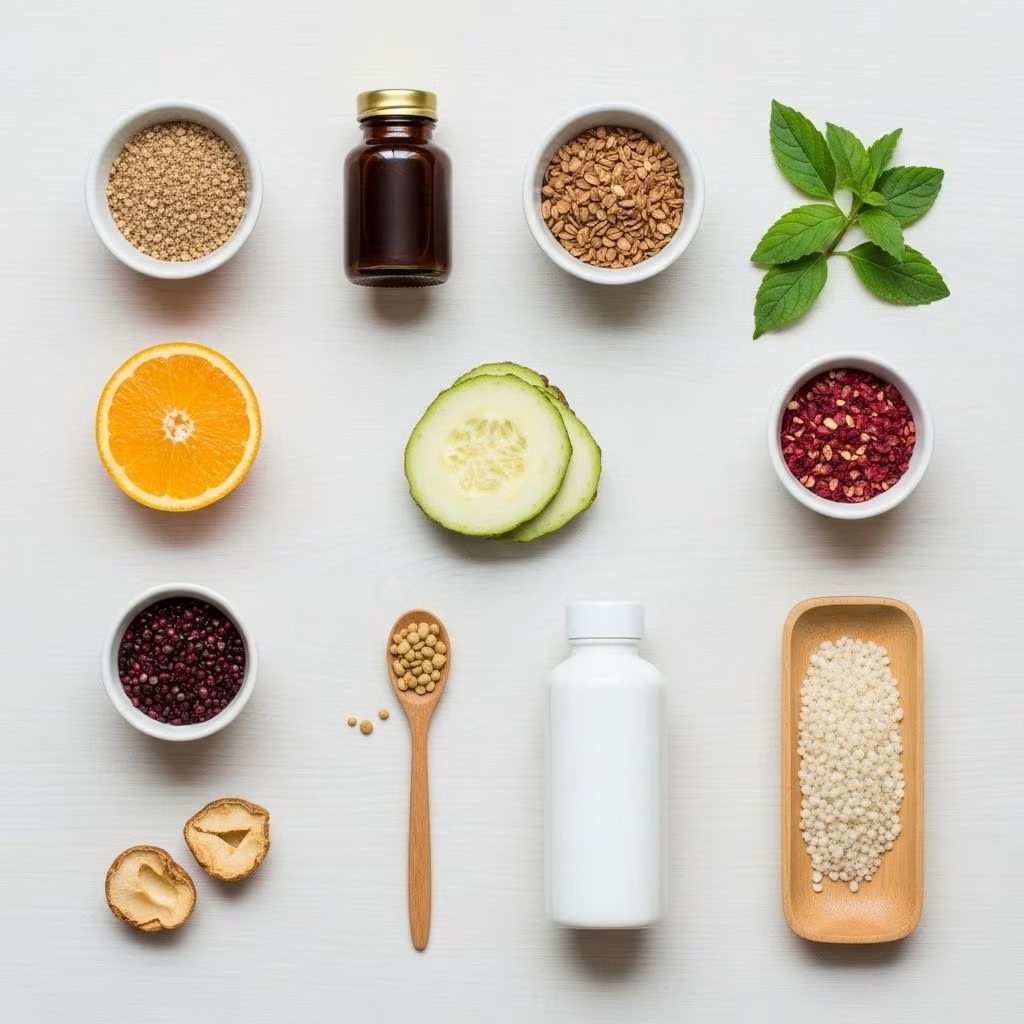
Introduction
Sunburn is a common summer woe, resulting from overexposure to ultraviolet (UV) rays. While sunburn can range from mild redness to severe blistering, mild cases can often be soothed with natural remedies you can find at home or in your pantry. These remedies help reduce pain, inflammation, and support skin repair—naturally and affordably.
Understanding Sunburn: Causes & Immediate Steps
Sunburn occurs when the skin is damaged by UV radiation, triggering inflammation, redness, pain, and sometimes blistering. Immediate action, such as getting out of the sun, cooling the skin, and hydrating, is crucial to minimize damage and discomfort.
9 Natural Sunburn Remedies You Can Make At Home
1. Cool Water & Lukewarm Baths
- How it helps: Cool water immediately soothes burning skin and reduces inflammation.
- How to use: Take a cool shower or bath; avoid hot water, which can worsen irritation. Briefly immerse in cool water if outdoors (e.g., lake, stream) but avoid chlorinated pools, which can further dry and irritate skin.
2. Aloe Vera
- How it helps: Aloe vera’s anti-inflammatory and cooling properties reduce redness and pain. Research suggests it may accelerate healing for mild burns.
- How to use: Apply fresh aloe vera gel directly from the plant, or use a pure, fragrance-free aloe-based lotion. Reapply as needed.
3. Oatmeal Baths
- How it helps: Colloidal oatmeal calms irritated skin and helps retain moisture.
- How to use: Stir a cup of colloidal oatmeal into a lukewarm bath; soak for 15–20 minutes. For a targeted treatment, make a paste with ground oats, milk, and honey.
4. Baking Soda or Cornstarch
- How it helps: These pantry staples soothe itching and reduce friction between skin and clothing.
- How to use: Add 2 ounces (60 mL) of baking soda to a cool bath and soak, or dust cornstarch lightly on affected areas.
5. Chamomile & Tea Compresses
- How it helps: Chamomile and tea contain compounds that reduce inflammation and soothe skin.
- How to use: Brew a strong cup of chamomile or black/green tea, let cool, soak a cloth, and apply as a compress. Add mint leaves for extra cooling.
6. Yogurt & Milk
- How it helps: These dairy products are natural soothers and may help calm inflammation.
- How to use: Apply plain, cold yogurt or chilled milk with a clean cloth to sunburned areas for 10–15 minutes, then rinse.
7. Coconut Oil
- How it helps: Coconut oil moisturizes, reduces peeling, and supports skin barrier repair.
- How to use: Apply a thin layer of unrefined coconut oil after skin has cooled—wait until the redness subsides, as applying oils too early may trap heat.
8. Cucumbers & Witch Hazel
- How it helps: Cucumber’s cooling effect and witch hazel’s astringent properties reduce redness and inflammation.
- How to use: Place chilled cucumber slices directly on the skin or apply witch hazel with a cotton pad.
9. Hydration & Nutrition
- How it helps: Drinking water and eating hydrating foods combat dehydration from sun exposure, aiding overall skin recovery.
- How to use: Increase water intake and consume fruits like watermelon, grapes, and oranges.
Using These Remedies Safely
While these remedies are generally safe for mild sunburn, there are important precautions:
- Avoid applying butter, petroleum jelly, or other heavy ointments, which can trap heat and worsen burns.
- Do not use ice directly on sunburned skin, as it can cause further damage.
- If blisters form, the sunburn covers a large area, or you experience fever, chills, or confusion, seek medical attention—these may be signs of severe sunburn or heatstroke.
- Always patch-test new remedies on a small area first, especially if you have sensitive skin or allergies.
Ingredients to Avoid
- Alcohol-based products: These can dry out and further irritate sunburned skin.
- Fragranced creams: Added perfumes may cause stinging or allergic reactions.
- Harsh exfoliants: Scrubbing or peeling can damage sensitive, healing skin.
Supplemental Tips for Sunburn Relief
| Tip | Description |
|---|---|
| Wear Loose Clothing | Choose breathable, loose fabrics to avoid friction and allow skin to breathe. |
| Stay Out of the Sun | Protect healing skin from further UV exposure to prevent worsening and long-term damage. |
| Moisturize Regularly | Apply gentle moisturizers to prevent peeling and soothe tightness, but avoid heavy creams on blistered skin. |
| Take Over-the-Counter Pain Relievers | NSAIDs like ibuprofen can help reduce pain and inflammation if needed. |
Frequently Asked Questions (FAQs)
Q: How long does sunburn last?
A: Mild sunburn typically improves within 3–5 days. Severe cases with blistering may take longer and require medical attention.
Q: Can aloe vera heal sunburn overnight?
A: While aloe vera can speed up healing and soothe discomfort, it does not cure sunburn overnight—consistent application helps over several days.
Q: Is it safe to use essential oils on sunburned skin?
A: Most essential oils are too concentrated and may irritate sunburned skin. If you wish to use them, dilute heavily in a carrier oil and patch-test first.
Q: Should I pop sunburn blisters?
A: No, popping blisters increases the risk of infection. Keep blisters clean and covered with a loose bandage.
Q: Does drinking water help sunburn?
A: Yes, hydration supports overall healing and combats dehydration from sun exposure.
Conclusion
Sunburn can be painful, but several natural remedies—using aloe vera, oatmeal, baking soda, chamomile, yogurt, coconut oil, cucumber, witch hazel, and simple hydration—can relieve discomfort, reduce inflammation, and promote healing. Always prioritize sun protection to prevent burns, and consult a healthcare provider for severe symptoms. With these home treatments, you can support your skin’s natural recovery while keeping your routine simple, effective, and gentle on your body and the environment.
References
- https://www.healthline.com/health/sunburn
- https://www.ebsco.com/research-starters/complementary-and-alternative-medicine/natural-treatments-sunburn
- https://www.tricitymed.org/2018/08/6-best-natural-ingredients-for-alleviating-sunburn-pain/
- https://demainbeauty.com/en/blogs/blog/notre-guide-de-remedes-naturels-pour-les-coups-de-soleil
- https://www.allinahealth.org/healthysetgo/heal/tips-for-healing-a-sunburn
- https://careteamplus.org/the-best-ways-to-treat-a-sunburn/
- https://health.clevelandclinic.org/sunburn-relief
- https://www.hollandandbarrett.com/the-health-hub/natural-beauty/skincare/suncare/sunburn-remedies/
- https://www.yalemedicine.org/news/how-to-treat-a-sunburn


