


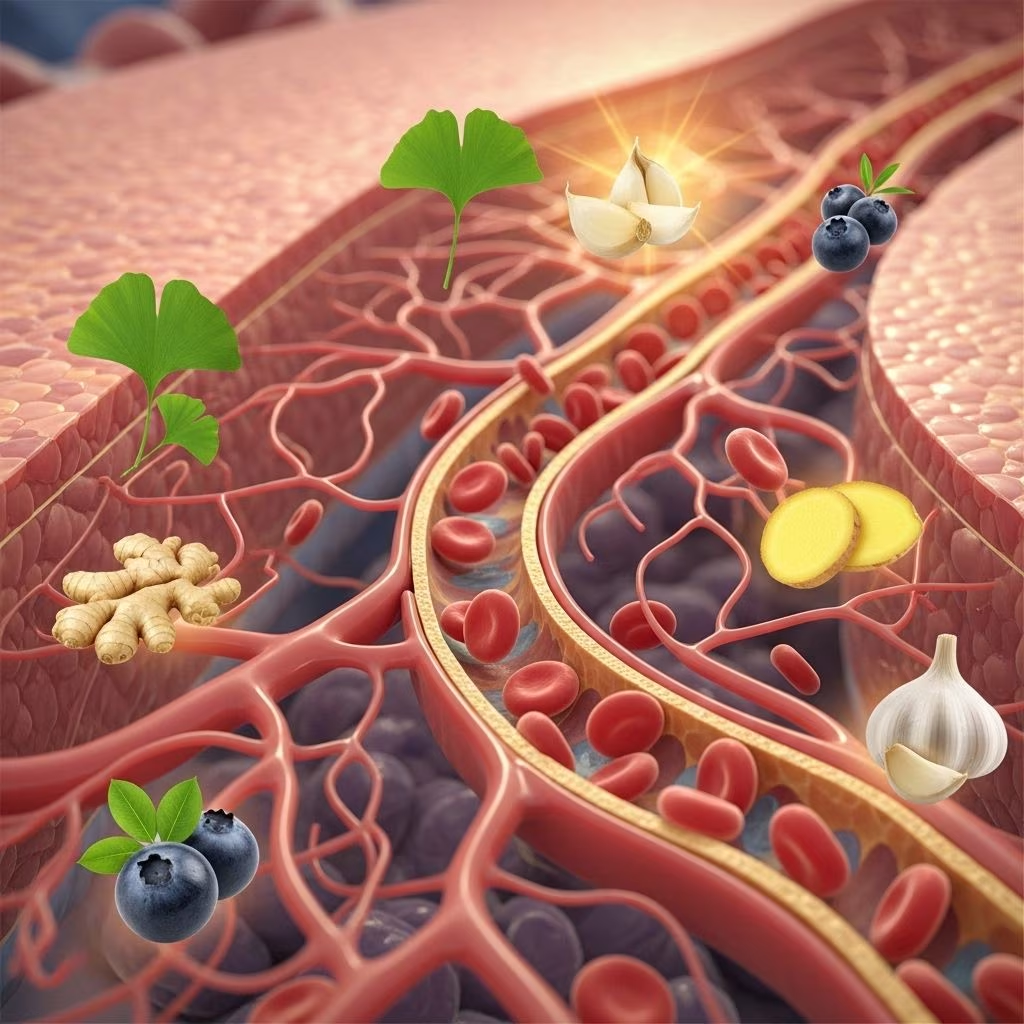
Microcirculation refers to the blood flow through the smallest vessels in the circulatory system, including arterioles, capillaries, and venules. These tiny blood vessels play a crucial role in delivering oxygen and nutrients to tissues while removing waste products. When microcirculation becomes impaired, it can lead to various health complications, including chronic venous insufficiency, varicose veins, tissue damage, and reduced organ function. Understanding how to improve microcirculation through both natural remedies and medical treatments is essential for maintaining optimal vascular health and overall well-being.
Understanding Microcirculation and Its Importance
The microcirculatory system represents the functional endpoint of the cardiovascular system, where the actual exchange of oxygen, nutrients, and metabolic waste occurs. These microscopic vessels have walls that are only one cell thick, allowing for efficient diffusion of substances between blood and surrounding tissues. When microcirculation functions properly, every cell in the body receives adequate oxygen and nutrients while waste products are efficiently removed.
Poor microcirculation can manifest in various ways, including cold hands and feet, numbness or tingling in extremities, slow wound healing, muscle cramps, skin discoloration, and persistent fatigue. Multiple factors can impair microcirculation, such as sedentary lifestyle, poor diet, diabetes, hypertension, smoking, aging, and chronic inflammatory conditions. Addressing these underlying causes while implementing targeted interventions can significantly improve microcirculatory function.
Natural Dietary Approaches for Enhanced Blood Flow
Nutrition plays a fundamental role in supporting healthy microcirculation. A diet rich in anti-inflammatory foods can strengthen blood vessel walls, reduce oxidative stress, and promote vascular dilation. Leafy greens like spinach and kale are excellent sources of nitrates, which the body converts to nitric oxide—a powerful vasodilator that relaxes blood vessel walls and improves blood flow throughout the microcirculatory system.
Berries and citrus fruits provide abundant vitamin C and flavonoids that strengthen capillary walls and reduce inflammation. These antioxidant-rich foods protect blood vessels from oxidative damage while supporting the production of collagen, an essential structural protein in vessel walls. Blueberries, strawberries, oranges, and grapefruits are particularly beneficial for vascular health.
Fatty fish such as salmon, mackerel, and sardines contain omega-3 fatty acids that reduce inflammation, prevent blood clot formation, and improve blood viscosity. These essential fats also help maintain the flexibility of blood vessel walls, allowing for better dilation and constriction as needed to regulate blood flow.
Beets are particularly powerful for improving microcirculation due to their high nitrate content. Traditional Chinese medicine has long recognized red foods as “blood tonics,” and modern science confirms that beets improve bile flow, enhance nutrient delivery, and promote vasodilation. The betalains in beets also provide anti-inflammatory benefits that protect the delicate endothelial lining of blood vessels.
Garlic and turmeric both promote vascular dilation and reduce inflammation through different mechanisms. Garlic contains allicin, which relaxes blood vessels and improves blood flow, while turmeric’s active compound curcumin reduces inflammatory markers that can damage blood vessels and impair circulation.
The Critical Role of Hydration in Circulatory Health
Water consumption directly impacts blood viscosity and circulatory efficiency. Dehydration causes blood to become thicker and more difficult to pump through small vessels, placing additional strain on the heart and reducing microcirculatory flow. Adequate hydration maintains optimal blood viscosity, supports healthy blood pressure, enhances lymphatic flow, and preserves vein elasticity.
Most adults should aim for at least eight glasses of water daily, though individual needs vary based on activity level, climate, and overall health status. Monitoring urine color provides a simple assessment of hydration status—pale yellow indicates adequate hydration, while darker urine suggests the need for increased fluid intake.
Herbal Supplements as Natural Circulation Boosters
Horse chestnut extract (Aesculus hippocastanum) stands as one of the most well-researched herbal remedies for venous health and microcirculation. This anti-inflammatory herb promotes normal tone of vein walls, thereby improving circulation through blood vessels. Clinical studies demonstrate that horse chestnut extract can reduce capillary leakage and decrease lower leg swelling associated with chronic venous insufficiency. In Europe, where it is widely used and regulated, horse chestnut extract is considered an effective alternative to compression stockings for managing venous disorders. The active compound aescin strengthens capillary walls and reduces fluid leakage into surrounding tissues.
Ginkgo biloba represents an ancient herbal remedy that has gained modern recognition for its circulatory benefits. This supplement supports blood flow by dilating blood vessels and reducing inflammation throughout the vascular system. Ginkgo’s antioxidant properties protect blood vessels from free radical damage while improving the flexibility of vessel walls. Research suggests it may be particularly beneficial for peripheral circulation issues and cognitive function related to cerebral blood flow.
Butcher’s broom (Ruscus aculeatus) has been used traditionally for centuries to support venous health and reduce leg swelling. The plant contains ruscogenins, compounds that constrict veins and reduce inflammation, making it particularly useful for conditions involving venous pooling and edema. Studies indicate that butcher’s broom can improve symptoms of chronic venous insufficiency, including heaviness, pain, and swelling in the legs.
Gotu kola (Centella asiatica) strengthens vein walls and improves blood flow, making it a staple in traditional medicine for treating varicose veins and promoting wound healing. This herb enhances collagen production in blood vessel walls, improving their structural integrity and resistance to damage. For capsule form, 100 mg taken 2-3 times daily is typical, while tea preparations can be consumed 1-2 cups daily.
Rutin and rutosides represent citrus flavonoid glycosides found in buckwheat, asparagus, berries, and citrus fruit rinds. These compounds have become widely accepted alternative treatments for venous disease symptoms in Europe and Latin American countries. Rutin acts beneficially on blood vessel health, positively affecting varicose veins, superficial venous insufficiency, and venous ulcers. Research demonstrates that rutins improve circulation, strengthen capillaries, reduce inflammation, and decrease venous edema. While generally safe for short-term use, rutin supplementation should be undertaken under professional guidance to ensure safety and optimal dosing.
Traditional Chinese Medicine Herbs for Angiogenesis and Circulation
Salvia miltiorrhiza (Danshen) has been used in Chinese medicine for thousands of years with proven effects on promoting perfusion of ischemic tissue and improving blood circulation. Salvianolic acid B, tanshinone IIA, and sodium tanshinone IIA sulfonate are key active compounds extracted from this herb. Salvianolic acid B promotes angiogenesis by increasing vascular endothelial growth factor (VEGF) expression, particularly in areas with compromised blood flow. Tanshinone IIA increases VEGF expression by elevating HIF-1α mRNA levels, resulting in enhanced angiogenesis and improved microcirculation.
Leonurus japonicus (Motherwort) from the Labiatae family demonstrates significant effects on improving coronary blood flow and microcirculation. This herb has traditionally been used to support cardiovascular health and may enhance the formation of new blood vessels in ischemic tissues.
Other Chinese herbs showing promise for microcirculation include Carthamus tinctorius (Safflower), Pueraria lobata (Kudzu), Astragalus, Panax ginseng (Asian Ginseng), and Panax notoginseng (Notoginseng). These natural medicines work through multiple mechanisms to promote angiogenesis, reduce inflammation, and improve blood flow through both large and small vessels.
Lifestyle Modifications for Improved Microcirculation
Regular physical exercise represents one of the most effective natural interventions for improving microcirculation. Physical activity stimulates the production of nitric oxide, promotes the formation of new capillaries, strengthens the heart’s pumping capacity, and reduces inflammation throughout the vascular system. Both aerobic exercises like walking, swimming, and cycling, as well as resistance training, provide circulatory benefits. Even moderate activity for 30 minutes most days of the week can significantly improve microcirculatory function.
Leg elevation helps reduce venous pooling and promotes blood return to the heart, particularly beneficial for individuals who spend long periods standing or sitting. Elevating the legs above heart level for 15-20 minutes several times daily can reduce swelling, alleviate discomfort, and improve overall circulation in the lower extremities.
Smoking cessation is crucial for vascular health, as tobacco smoke damages blood vessel linings, promotes inflammation, increases blood viscosity, and constricts blood vessels. Quitting smoking allows blood vessels to begin healing and improves circulation throughout the body within weeks of cessation.
Stress management impacts circulation through its effects on cortisol levels and the sympathetic nervous system. Chronic stress causes blood vessels to constrict, elevates blood pressure, and promotes inflammation. Practices such as meditation, deep breathing exercises, yoga, and adequate sleep support healthy microcirculation by reducing stress hormones and promoting vascular relaxation.
Hydrotherapy and Temperature-Based Treatments
Alternating hot and cold water therapy stimulates blood vessels and enhances circulation through a process called vascular gymnastics. Heat causes blood vessels to expand (vasodilation), while cold causes them to constrict (vasoconstriction). This alternation creates a pumping effect that improves blood flow and strengthens vascular tone.
To implement contrast hydrotherapy during showering or bathing, begin with warm water for 2-3 minutes, switch to cool (not ice cold) water for 30-60 seconds, and repeat the cycle 3-5 times, always ending with cool water. This practice stimulates circulation, reduces inflammation, and invigorates the entire circulatory system. However, individuals with certain cardiovascular conditions should consult healthcare providers before beginning contrast therapy.
Topical Treatments for Localized Circulatory Support
Witch hazel (Hamamelis virginiana) provides astringent and anti-inflammatory effects when applied topically, helping reduce the appearance and discomfort of varicose veins. This natural remedy tightens and tones blood vessel walls, reduces inflammation, and alleviates symptoms such as itching and discomfort associated with venous insufficiency. To use witch hazel, soak a cotton pad in the liquid extract and apply to affected areas 2-3 times daily.
Topical applications of certain essential oils diluted in carrier oils, such as cypress, peppermint, and helichrysum, may also support local circulation and provide symptomatic relief, though these should be used cautiously and never applied undiluted to skin.
Medical Treatments and Interventions
When natural remedies prove insufficient, medical interventions may be necessary to address significant circulatory impairment. Compression stockings provide graduated pressure that promotes venous return, reduces pooling, and alleviates symptoms of chronic venous insufficiency. These medical-grade garments are available in various compression levels and should be fitted properly by healthcare professionals.
Medications for improving microcirculation include vasodilators that relax blood vessel walls, antiplatelet agents that prevent clot formation, and medications specifically designed to improve blood viscosity. Certain medications target specific pathways involved in angiogenesis and vascular health, though the development of such drugs continues as an area of active research.
Therapeutic angiogenesis represents a promising medical approach for severe circulatory impairment, particularly following myocardial infarction or in peripheral arterial disease. This treatment strategy aims to stimulate the formation of new blood vessels to improve local microcirculation and restore blood supply to ischemic areas. While natural herbal medicines show promise in promoting angiogenesis through multiple mechanisms, including the regulation of growth factors and cell signaling pathways, this field continues to evolve with ongoing research.
Combining Natural and Medical Approaches
The most effective strategy for improving microcirculation often involves combining natural remedies with appropriate medical treatments. This integrative approach addresses multiple aspects of vascular health simultaneously, providing comprehensive support for the microcirculatory system. Natural medicines offer advantages including multitarget effects, multicomponent actions, fewer side effects, and lower costs compared to many pharmaceutical interventions.
However, individuals should always consult healthcare providers before starting supplements, particularly when taking other medications, as interactions can occur. Professional guidance ensures safe and effective treatment protocols tailored to individual health needs and circumstances.
Monitoring and Maintaining Microcirculatory Health
Regular assessment of circulatory health helps track progress and identify potential issues early. Signs of improved microcirculation include warmer extremities, reduced swelling, faster wound healing, increased energy levels, improved skin appearance, and reduced cramping or discomfort. Conversely, persistent symptoms despite intervention warrant medical evaluation to rule out underlying conditions requiring specialized treatment.
Maintaining improvements in microcirculation requires ongoing commitment to healthy lifestyle practices, including consistent exercise routines, nutrient-dense dietary choices, adequate hydration, stress management, and avoidance of circulatory risk factors such as smoking and prolonged immobility.
Frequently Asked Questions (FAQs)
Q: How long does it take to see improvements in microcirculation with natural remedies?
A: Most people notice initial improvements within 2-4 weeks of consistently implementing natural remedies and lifestyle changes. However, significant improvements in chronic conditions may require 2-3 months of sustained effort. Factors such as the severity of circulatory impairment, overall health status, and consistency with interventions influence the timeline for noticeable benefits.
Q: Can I take multiple herbal supplements for circulation simultaneously?
A: While many herbs complement each other, combining multiple supplements increases the risk of interactions and side effects. Always consult with a healthcare provider or qualified herbalist before combining supplements, especially if you take prescription medications. Professional guidance ensures safe combinations and appropriate dosing for your specific situation.
Q: Are natural remedies safe for everyone with circulation problems?
A: Natural remedies are not universally safe for all individuals. People with certain medical conditions, pregnant or nursing women, and those taking blood thinners or other medications should exercise caution. Some herbs can interact with medications or exacerbate certain health conditions. Professional consultation is essential before beginning any new treatment regimen.
Q: What foods should be avoided if I have poor microcirculation?
A: Foods that negatively impact circulation include those high in saturated and trans fats, excessive sodium, refined sugars, and processed foods. These contribute to inflammation, blood vessel damage, and increased blood viscosity. Limiting alcohol consumption and avoiding excessive caffeine also supports better microcirculatory health.
Q: How does exercise specifically improve microcirculation?
A: Exercise improves microcirculation through multiple mechanisms: it stimulates nitric oxide production for vasodilation, promotes angiogenesis (formation of new blood vessels), strengthens the heart’s pumping capacity, reduces inflammation, improves blood viscosity, and enhances oxygen delivery to tissues. Regular physical activity also helps regulate blood pressure and supports healthy endothelial function.
Q: When should I seek medical treatment instead of relying on natural remedies?
A: Seek immediate medical attention if you experience sudden severe pain, significant swelling, skin ulcers that won’t heal, persistent numbness or tingling, skin discoloration or coolness in extremities, or symptoms of blood clots such as warmth, redness, and swelling in one leg. These symptoms may indicate serious circulatory problems requiring urgent medical intervention.
References
- https://pmc.ncbi.nlm.nih.gov/articles/PMC9119779/
- https://hcic.io/enhancing-vascular-health-with-natural-remedies-a-focus-on-five-potent-plants/
- https://www.tnveincenter.com/blog-natural-remedies-to-boost-circulation-and-prevent-vein-issues/
- https://veinhealthcarecenter.com/patient-information.php?Alternative-Treatments-3
- https://health.clevelandclinic.org/how-to-improve-blood-circulation-naturally
- https://pmc.ncbi.nlm.nih.gov/articles/PMC8301032/
- https://www.healthline.com/nutrition/foods-that-increase-blood-flow
- https://cvhealthclinic.com/news/how-to-improve-circulation-naturally/
- https://bluewillowacu.com/nutrition/5-foods-for-micro-circulation/


