


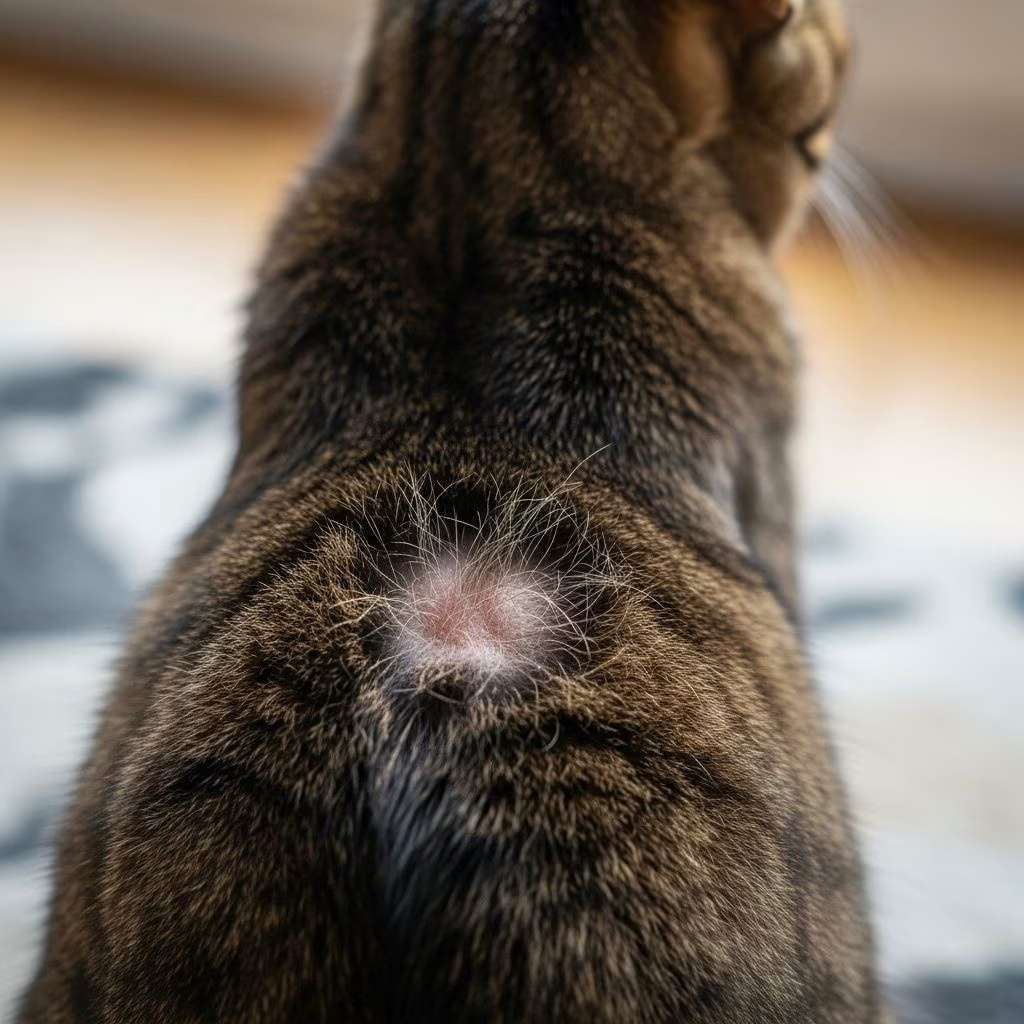
Cat Losing Hair on Back: Causes, Solutions, and Care
Cats are cherished for their lush, soft fur, so noticing your feline companion losing hair on its back can unsettle any pet owner. Hair loss in cats, especially on the back, can signal medical, environmental, or behavioral problems that require prompt attention. This guide examines the major causes, how to diagnose them, effective treatments, prevention tips, and answers to frequently asked questions.
What Does Cat Hair Loss on Back Look Like?
Cat hair loss—known medically as alopecia—can manifest as thinning fur, bald patches, or apparent skin irritation. On the back, affected cats may display:
- Patches of bald skin, especially near the base of the tail
- Red, inflamed, or scaly skin in the affected area
- Broken fur or uneven coat pattern
- Visible scratching, biting, or licking
The presence of secondary symptoms such as itchiness, lethargy, sores, or changes in behavior is an important clue to the underlying cause of hair loss.
Main Causes of Hair Loss on a Cat’s Back
Hair loss on a cat’s back can result from a variety of issues. Identifying the cause is crucial for effective treatment. The core causes include:
1. Parasites
Fleas, mites, and ticks are among the leading culprits.
- These pests cause intense itchiness, driving cats to scratch, bite, or groom the back excessively, which leads to bald patches.
- Flea allergy dermatitis, in which a single bite can trigger severe reaction, is particularly common at the base of the tail and back.
- Other parasites, such as Cheyletiella mites (“walking dandruff”) or Demodex mites, may also cause hair loss and skin irritation.
2. Skin Infections
Both fungal (notably ringworm) and bacterial infections can lead to hair loss.
- Bald, circular spots are classic for ringworm—a contagious fungal infection.
- Bacterial infections may follow scratching or biting, resulting in open sores, redness, and smelly or pus-filled lesions.
- Infected skin will often worsen without prompt treatment and can spread to other pets or humans.
3. Allergies
- Environmental allergies (pollens, dust, household chemicals) trigger itching and overgrooming, leading to localized hair loss.
- Food allergies can present with gastrointestinal upsets, itching, and symmetrical bald spots in addition to chronic irritation.
- Grooming product allergies rarely but sometimes cause skin reactions on areas touched during brushing.
4. Stress and Anxiety
Cats use grooming as a mechanism to self-soothe, especially when stressed. Overgrooming from stress, termed psychogenic alopecia, causes fur loss in reachable areas like the lower back, abdomen, and legs. Common stressors include:
- Sudden changes in environment or household
- New pets, people, or loud noises
- Boredom due to lack of enrichment
This behavioral hair loss can occur without overt skin changes, such as redness or sores.
5. Hormonal Imbalances and Metabolic Disease
- Hyperthyroidism (excess thyroid hormone), frequent in older cats, disrupts normal hair growth and can cause thinning hair and bald spots.
- Cushing’s disease (overproduction of cortisol) and diabetes mellitus may induce hair thinning or loss, often accompanied by increased thirst, appetite, or weight changes.
- Aging and genetics also play roles; some breeds and older cats naturally show hair thinning over time.
6. Poor Nutrition
Cats require a balanced diet for healthy coat growth. Deficiencies in:
- Protein
- Essential fatty acids
- Vitamins (B vitamins, Vitamin E)
can result in brittle, dry fur, excessive shedding, and slow regrowth.
7. Physical Causes & Injury
- Trauma such as bites or scratches from fights can create abscesses or wounds that lead to bald patches.
- Scars from injuries may prevent hair from regrowing in affected spots.
- Medical treatments and drugs occasionally have hair loss as a side effect.
8. Other Medical Conditions
- Leukemia, immune disorders, or rare genetic conditions can be associated with unexplained hair loss.
- Certain forms of cancer may affect skin or follicles.
How Is Cat Hair Loss on the Back Diagnosed?
Diagnosing the root cause of hair loss is essential for effective treatment. Your veterinarian may use the following diagnostic approach:
- Physical examination: Inspect the skin, coat quality, and extent of hair loss.
- Skin scrapings to check for external parasites and mites.
- Fungal cultures for ringworm and other surface infections.
- Blood tests for hormonal imbalances (thyroid, adrenal), diabetes, and organ disease.
- Allergy testing, food trials, or elimination diets for chronic skin issues.
- Behavioral assessment to evaluate for stress-induced grooming.
Early involvement of a veterinarian helps prevent complications and provides customized treatment.
Effective Treatments for Cat Hair Loss
Treatment depends on the underlying cause. Common solutions include:
- Parasite control: Regular flea, tick, and mite preventatives and thorough environmental cleaning.
- Treating infections: Antifungal creams for ringworm, antibiotics for bacterial skin infections.
- Managing allergies: Change grooming products, hypoallergenic diets, or prescribed antihistamines/immunosuppressants.
- Reducing stress: Address environmental stressors; increase playtime, provide hiding places, and use calming sprays.
- Hormonal therapies: Medications to manage thyroid or adrenal conditions.
- Improving nutrition: Switch to premium or veterinary-recommended diets with high protein, balanced fats, and essential vitamins.
- Wound management: Healing creams, cones to prevent licking, and surgical intervention for serious abscesses.
A veterinarian’s guidance is important for the most effective and safe outcomes.
Prevention Strategies for Cat Hair Loss
Preventive measures help keep your cat’s coat healthy and minimize future problems:
- Maintain regular parasite prevention routines (monthly flea and tick treatments).
- Feed a balanced, species-appropriate diet to support coat growth.
- Reduce sources of stress—keep routines consistent, avoid overcrowding, provide enrichment toys and vertical spaces.
- Avoid overuse of harsh grooming products or chemicals.
- Seek prompt veterinary care for skin injuries, changes in behavior, or sudden hair loss.
- Inspect your cat’s coat routinely for bald patches or excessive shedding.
When to Call the Vet
If hair loss is persistent, worsening, or accompanied by symptoms like:
- Redness or open sores
- Extreme itching or licking
- Weight loss, increased thirst, or appetite changes
- Lethargy or behavioral changes
it is essential to contact your veterinarian promptly. Early intervention can address underlying problems and restore your cat’s quality of life.
Home Care and Management Tips
- Brush your cat regularly with gentle tools to reduce shedding and spot skin changes early.
- Monitor the cat’s environment for allergens, parasites, or stressors.
- Trial dietary changes or supplements recommended by your vet.
- Try pheromone diffusers or sprays to calm anxious cats.
- Never use human topical treatments on cats unless explicitly directed by a veterinarian.
Frequently Asked Questions (FAQs)
Q: What are the most common causes of hair loss on a cat’s back?
A: The most common causes include fleas and other parasites, allergies, stress-induced overgrooming, skin infections (fungal and bacterial), hormonal disorders, and poor nutrition.
Q: Is hair loss on my cat’s back dangerous?
A: Hair loss itself is not dangerous, but it is often a symptom of an underlying condition that could require veterinary treatment, especially if accompanied by sores, behavioral changes, or other systemic problems.
Q: Can indoor cats get parasites that cause hair loss?
A: Yes, indoor cats can get fleas, ticks, or mites from other animals, used bedding, or even from humans tracking pests inside. Preventative treatments are still important.
Q: How can I tell if hair loss is due to stress?
A: Stress-induced hair loss (psychogenic alopecia) often presents with symmetrical bald spots on areas reachable by the tongue, such as the back, abdomen, or legs. It is usually not accompanied by skin sores or infection.
Q: Will my cat’s hair grow back after treatment?
A: In most cases, once the underlying issue is treated—be it parasites, allergies, or nutrition—the hair will regrow, although areas with scarring may stay bald.
Q: How can I prevent future episodes of hair loss?
A: Maintain a healthy diet, regular parasite control, adequate enrichment, and prompt veterinary checkups for new symptoms.
Comparison Table: Causes of Cat Hair Loss on Back
| Cause | Typical Symptoms | Treatment | Risk |
|---|---|---|---|
| Parasites (Fleas, Mites, Ticks) | Intense scratching, red spots, bald patches at base of tail/back | Flea/mite treatments, home cleaning | High, if untreated |
| Allergies (Food/Environment) | Itching, symmetrical hair loss, gastrointestinal upset | Diet change, allergen avoidance, vet-prescribed meds | Moderate-High |
| Skin Infections (Ringworm, Bacteria) | Circular bald spots, redness, sometimes odor or pus | Antifungals/antibiotics under veterinary guidance | High, contagious if untreated |
| Stress/Anxiety | Symmetrical bald patches, no sores | Environmental enrichment, stress reduction measures | Low-Moderate |
| Hormonal Diseases | Thinning fur, behavior changes, thirst/appetite shift | Medical management (thyroid/adrenal drugs) | High without treatment |
| Nutrition Deficiency | Poor coat quality, slow regrowth | Diet adjustment with vet guidance | Variable risk |
Conclusion: Supporting Your Cat’s Skin and Coat Health
Spotting hair loss on your cat’s back is a sign that further investigation is needed. By understanding the underlying causes—ranging from parasites and allergies to stress and metabolic disease—owners can act quickly to ensure proper diagnosis and care. Early intervention, healthy lifestyle, routine checkups, and a loving home are the keys to restoring your cat’s beautiful coat and comfort.
References
- https://pettownsendvet.com/blog/cat-losing-hair/
- https://arrowheadvets.com/blog/cat-is-losing-hair/
- https://bestfriends.org/pet-care-resources/cat-hair-loss-causes-and-treatment
- https://knutsfordvetsurgery.co.uk/why-does-my-cat-have-bald-patches/
- https://cottnercreekpetclinic.com/articles/cats-hair-is-falling-out
- https://www.petmd.com/cat/conditions/skin/alopecia-cats-what-it-and-why-your-cat-losing-hair
- https://thecatdoctor.co.uk/cat-health/hair-loss/
- https://ridgeviewanimalhospital.com/articles/cats-hair-is-falling-out
- https://www.purina.com/articles/cat/health/skin-fur-ears/cat-alopecia-hair-loss


