


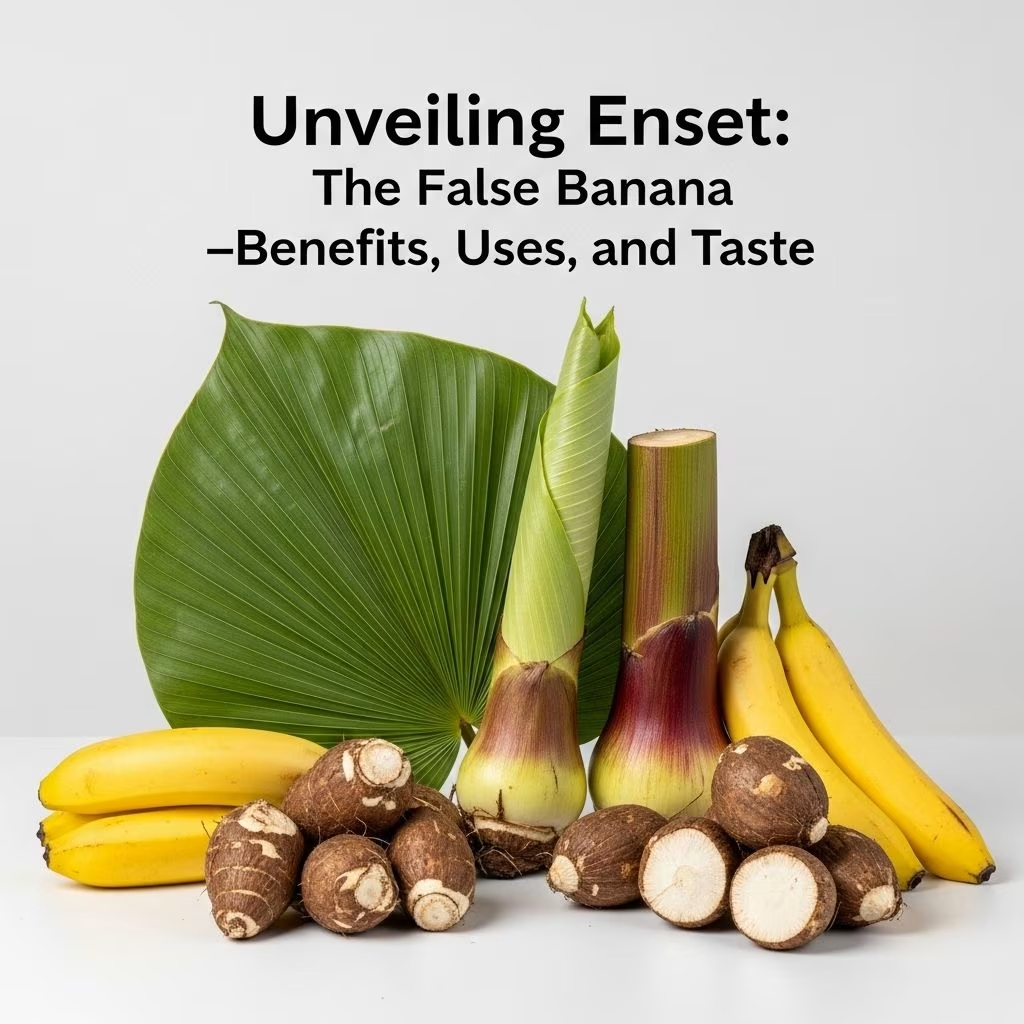
Introduction to Enset: The False Banana
Enset, commonly referred to as the false banana, is a giant herbaceous plant belonging to the Musaceae family, similar to bananas and plantains. However, unlike true bananas, it is not a fruit-bearing tree but a perennial crop with immense nutritional and cultural significance, particularly in Ethiopia. Enset is scientifically known as Ensete ventricosum and has been a staple food source for millions in Ethiopia, contributing significantly to food security and local economies.
Plant Description and Growth Habits
Enset plants can grow up to 10 meters tall, although the tallest recorded height is 13 meters. The ‘trunk’ of the enset is a pseudostem formed by tightly packed leaf bases, similar to bananas. The leaves are banana-like, reaching lengths of up to 5 meters with a distinctive pink midrib. The plant produces large flower clusters at the end of its life cycle, which are covered by purple bracts, but the fruits are inedible and have hard, black seeds.
Environmental and Agronomic Attributes
Enset is highly regarded for its drought tolerance and resilience, making it an ideal crop for regions with variable climates. It thrives well in high-rainfall areas but can adapt to drier conditions better than many other staple crops. This trait, combined with its resistance to diseases, positions enset as a valuable resource for food security.
Benefits and Uses of Enset
Enset is a versatile crop, offering a wide range of benefits and uses beyond its role as a food source.
### Culinary Uses- Food Staple: In Ethiopia, enset is processed into various staple foods like kocho (flatbread),
amicho (boiled corm), and bullla (pancakes and porridge). The starchy corms and pseudostems are the primary edible parts.- Nutritional Value: Enset is rich in fiber, vitamins, and minerals, providing essential nutrients for the local population.### Non-Culinary Uses- Agricultural Companion: Enset serves as a companion crop, supporting the growth of coffee and sorghum by providing shade and improving soil health.- Material Uses: The leaves are used for roofing and wrapping food, while the fibers are employed in rope and basket-making.- Animal Fodder: The midribs of the leaves serve as fodder for livestock.
Taste and Culinary Experience
The taste of enset-based dishes is often described as earthy and starchy, similar to potatoes. The texture varies depending on the preparation method; for example, kocho has a dense, flatbread-like texture, while amicho is softer and more like boiled vegetables. The flavor profile adapts well to various seasonings and spices, making it a versatile ingredient in Ethiopian cuisine.
FAQs
Q: Is Enset only grown in Ethiopia?
A: While Enset is primarily cultivated in Ethiopia, it is native to other parts of Africa as well. However, its domestication and widespread use as a food source are most prominent in Ethiopia.
Q: How often does Enset produce fruit?
A: Enset plants produce fruit only once in their lifetime, typically after 6 to 8 years, and then die shortly after flowering.
Q: Is Enset a true banana?
A: No, enset is not a true banana but belongs to the same Musaceae family, hence the name ‘false banana’. The fruit is not edible like bananas.
Conclusion
Enset, the false banana, plays a critical role in Ethiopian agriculture and culture, providing food security, supporting local economies, and offering a range of practical uses beyond its culinary applications. Its resilience and versatility make it an important crop for addressing global food challenges, particularly in regions facing climate variability and food insecurity.
References
- https://www.kew.org/plants/enset
- https://specialtyproduce.com/produce/False_Bananas_25036.php
- https://kids.kiddle.co/Enset
- https://en.wikipedia.org/wiki/Ensete_ventricosum
- https://rippleeffect.org/blog/all-you-need-to-know-about-enset/
- https://alliancebioversityciat.org/stories/enset-bananas-understanding-ethiopia-unique-crops
- https://www.kew.org/read-and-watch/enset-false-banana
- https://youngzine.org/news/sustainable-solutions/false-banana-gives-real-hope


