


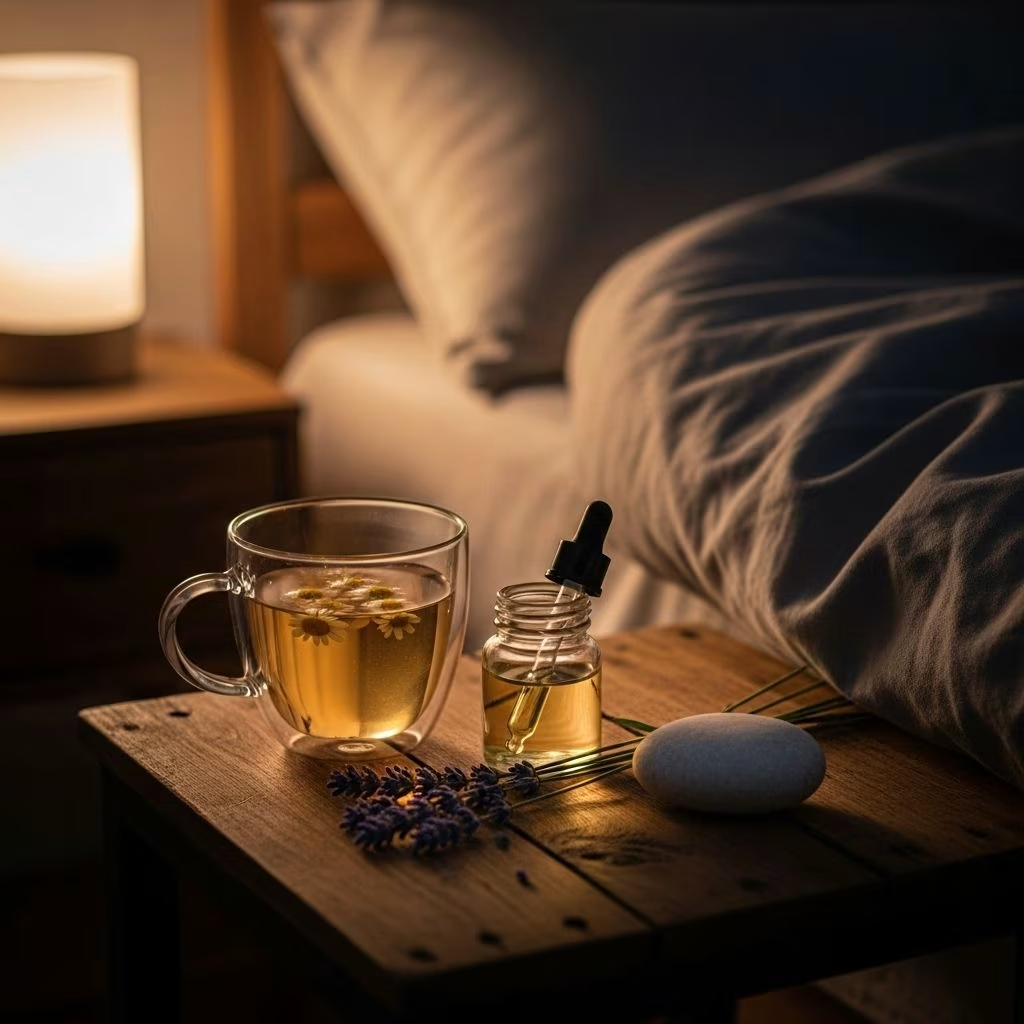
Natural Remedies for Better Sleep: Your Comprehensive Guide
Millions of people worldwide struggle with insufficient or poor-quality sleep. While pharmaceutical solutions exist, an increasing number of individuals turn to natural remedies to improve sleep, reduce the risk of side effects, and foster long-term health. This article explores proven herbal supplements, lifestyle adjustments, mind-body therapies, and more holistic strategies to achieve deep, restorative sleep.
Why Prioritize Sleep Health?
Quality sleep is crucial for physical and mental well-being. Chronic sleep deprivation increases risks of obesity, heart disease, diabetes, depression, and impaired immunity. A restorative night’s rest supports:
- Energy, mood, and cognitive performance
- Metabolic and cardiovascular health
- Hormonal balance and immune function
- Healthy weight maintenance
Improving sleep is a cornerstone of overall wellness. Thankfully, nature offers an array of effective, gentle remedies.
Understanding Sleep Disorders and Disturbances
Common sleep issues include:
- Insomnia (difficulty falling/staying asleep)
- Restless sleep or non-restorative sleep
- Waking up frequently or too early
- Daytime fatigue or irritability
Factors contributing to poor sleep can be physical (pain, medical conditions), psychological (stress, anxiety, depression), or environmental (noise, light, irregular routines).
Top Natural Remedies for Better Sleep
A variety of non-pharmaceutical remedies can work to promote restful sleep by addressing both the mind and body. Let’s explore the most supported options.
1. Herbal Teas and Supplements
- Chamomile
- Widely recognized for its calming and anxiety-reducing effects.
- Contains apigenin, an antioxidant that promotes relaxation by binding to specific brain receptors.
- Ideal as an evening tea to calm nerves and induce drowsiness.
- Valerian Root
- Used for centuries as a traditional sleep aid and stress reducer.
- May help increase levels of gamma-aminobutyric acid (GABA), a neurotransmitter that eases anxiety and fosters restorative sleep.
- Available as tea, capsules, or tinctures; doesn’t usually cause morning grogginess.
- Lavender
- Lavender aroma and extracts are shown to reduce anxiety, lower stress hormones, and improve sleep duration/quality.
- Try adding a few drops of lavender essential oil to a diffuser, pillow, or bath before bedtime.
- Passionflower
- This vine’s extracts and teas help boost GABA levels, promoting relaxation and easing insomnia.
- Particularly effective for those with nervous tension or racing thoughts at night.
- Tart Cherry Juice
- Rich in melatonin, tryptophan, and serotonin, tart cherry juice helps regulate sleep-wake cycles.
- Scientific studies have shown improved sleep quality, reduced insomnia severity, and increased total sleep time in adults consuming tart cherry juice regularly.
- Drink 8 ounces an hour or two before bedtime for best effect.
2. Nutritional Supplements for Sleep
- Magnesium
- Essential mineral for nerve function, muscle relaxation, and melatonin regulation.
- May reduce stress hormone (cortisol) levels while calming the body and mind.
- Obtained through dark leafy greens, nuts, seeds, and supplements.
- Melatonin
- A natural hormone produced as darkness falls, helping synchronize the circadian rhythm (sleep-wake cycle).
- Considered especially helpful for jet lag, shift work, and temporary insomnia.
- Often well-tolerated, but short-term use is best unless prescribed.
- CBD (Cannabidiol)
- Non-psychoactive compound from hemp, gaining attention for reducing stress, pain, and enhancing sleep.
- Generally considered safe but always check for interactions or side effects first.
3. Calming Bedtime Drinks
- Warm Milk: Classic and comforting, contains tryptophan and may help relax the nervous system.
- Chamomile Tea: See above; ideal 30-45 minutes before bed.
- Valerian and Passionflower Tea: Prepare by steeping roots and flowers; mild, earthy flavor and soothing.
- Coconut Water: Provides magnesium and potassium, hydrates the body, and prevents nighttime cramps.
Mind-Body Therapies and Lifestyle Strategies
Alongside natural supplements, certain practices support restful sleep by calming body, mind, and spirit.
1. Sleep Hygiene Essentials
- Consistent Sleep Routine
- Go to bed and wake at the same times daily, even on weekends.
- Limit Screen Time
- Restrict light exposure (especially blue light from devices) at least 1 hour before bedtime.
- Create a Dark, Calm Bedroom
- Use blackout curtains, eye masks, and eliminate unneeded noise.
- Keep the Bedroom Cool and Comfortable
- Ideal sleep temperatures: 60–67°F (15–19°C).
- Limit Stimulants Late in the Day
- Avoid caffeine, nicotine, and large meals 4–6 hours before bedtime.
2. Relaxation and Stress-Reduction Techniques
- Mindfulness Meditation
- Focuses attention on breathing and present-moment awareness; reduces rumination and triggers relaxation response.
- Gentle Yoga or Stretching
- Slow poses and deep breathing calm the body, reduce tension, and quiet the mind. Avoid vigorous exercise too close to bedtime.
- Breathing Exercises
- Slow, deep abdominal breaths (e.g., 4-7-8 breathing) activate the parasympathetic nervous system, preparing the body for sleep.
- Progressive Muscle Relaxation
- Systematically tensing and relaxing different muscle groups calms physical arousal and encourages drowsiness.
3. Additional Holistic Approaches
- Acupuncture and Acupressure
- Evidence supports benefits for sleep onset and quality; these techniques rebalance energy and relax the nervous system.
- Aromatherapy
- Using essential oils (like lavender or chamomile) via undiluted inhalation, pillow sprays, or bath soaks can support faster, deeper sleep.
- Massage Therapy
- Massage reduces muscle tension, calms the mind, and can be especially helpful for restless sleepers.
Precautions and Considerations
- Consult your healthcare provider before starting any new herbal or dietary supplement, especially if you take prescription medications or have chronic conditions. Some herbs may cause interactions or side effects.
- Avoid relying solely on supplements for ongoing or severe insomnia. Persistent sleep difficulties could signal underlying conditions that require a professional evaluation.
- Monitor quality and sources—herbal products are not tightly regulated; choose reputable brands to ensure potency and safety.
- Pregnant or breastfeeding individuals should be especially cautious with all herbal remedies and consult a healthcare provider first.
Table: Comparison of Popular Natural Sleep Remedies
| Remedy | Form | Main benefit | Key caution |
|---|---|---|---|
| Chamomile | Tea, extract, capsules | Reduces mild anxiety and helps sleep onset | Possible allergy for ragweed-sensitive |
| Valerian root | Tea, capsules, tincture | Improves sleep quality | May cause vivid dreams or stomach upset |
| Lavender | Essential oil, capsules, pillow spray | Reduces nervous tension | Essential oil can irritate skin if undiluted |
| Magnesium | Supplements, topical oils | Relaxes muscles, regulates sleep hormones | Excess may cause diarrhea |
| Melatonin | Supplements, tart cherries | Resets sleep-wake rhythms | Short-term use preferred |
| Passionflower | Tea, capsules | Calms mind, helps sleep onset | May cause drowsiness in some |
| CBD | Oils, gummies, capsules | Reduces pain, anxiety | Check for drug interactions |
| Tart cherry | Juice, capsules, dried fruit | Boosts melatonin/myo-inositol | Sugar content in juices |
Frequently Asked Questions (FAQs)
Q: Are natural sleep remedies safer than prescription sleep aids?
A: Most natural remedies such as herbal teas or magnesium supplements are generally safer and less likely to cause dependency than prescription sleeping pills. However, adverse reactions, interactions, or side effects are still possible. Always consult a healthcare provider, especially if you have underlying health issues or take medications.
Q: How soon do natural remedies start working?
A: Some herbal teas (like chamomile or valerian) may work within 30–60 minutes, while supplements (like magnesium or melatonin) could take a few days to a few weeks to show full benefit depending on the individual and dosage.
Q: Can I combine herbal teas and supplements?
A: Combining one or two mild remedies (e.g., a cup of chamomile tea with magnesium) is usually safe, but avoid mixing multiple tranquilizing herbs or supplements without consulting your healthcare provider first.
Q: Will natural sleep aids cure chronic insomnia?
A: They can help manage symptoms and support better sleep, but persistent or severe insomnia may require comprehensive evaluation and treatment by a sleep specialist or medical professional.
Q: Are these remedies suitable for children or older adults?
A: Some may be appropriate, but dosages and safety precautions vary. Always check with a healthcare provider before giving any new supplement or herb to children, elderly adults, pregnant, or breastfeeding individuals.
Conclusion: Restful Sleep is Within Reach
Safe, natural sleep remedies provide gentle and effective alternatives to pharmaceutical options. By embracing a holistic approach—including herbs, supplements, lifestyle adjustments, and relaxation practices—you can improve both sleep quantity and quality. If sleep issues persist, seek guidance from a qualified healthcare provider to rule out underlying health concerns and tailor your strategy to your unique needs.
References
- https://www.ncoa.org/article/natural-sleep-remedies/
- https://blog.ochsner.org/articles/7-healthy-drinks-that-help-you-sleep-better/
- https://pmc.ncbi.nlm.nih.gov/articles/PMC11321869/
- https://www.webmd.com/women/natural-sleep-remedies
- https://www.sleepfoundation.org/sleep-aids/natural-sleep-aids
- https://www.healthline.com/health/healthy-sleep/insomnia-home-remedies
- https://www.health.harvard.edu/newsletter_article/8-secrets-to-a-good-nights-sleep
- https://www.allinahealth.org/healthysetgo/thrive/how-to-get-better-sleep-naturally


