


What Is Fukushu Kumquat?
The Fukushu kumquat, scientifically known as Fortunella obovata, represents one of the most intriguing and rare varieties within the citrus family. This distinctive fruit originated from a natural crossing in Japan and has earned recognition among citrus enthusiasts for its unique characteristics and exceptional cold tolerance. Unlike many citrus fruits, Fukushu kumquats are entirely edible, including both the sweet rind and tart flesh, making them a fascinating culinary ingredient and ornamental plant.
Also known by various names including Changshou kumquats, Chojukinkan, Fuzhou kumquat, and Jiangsu, this variety belongs to the Rutaceae family and stands out for its larger size compared to other kumquat varieties. The Fukushu kumquat tree is naturally thornless, making it an excellent choice for home gardeners and those seeking an ornamental citrus tree with practical benefits.
What makes Fukushu kumquats particularly special is their versatility and adaptability. These trees can thrive both in ground plantings, reaching up to three meters in height, and in containers, where they maintain a more compact growth habit perfect for patios and small spaces. This adaptability, combined with their cold hardiness, has made them increasingly popular among citrus growers in regions where other citrus varieties might struggle.
Physical Characteristics and Appearance
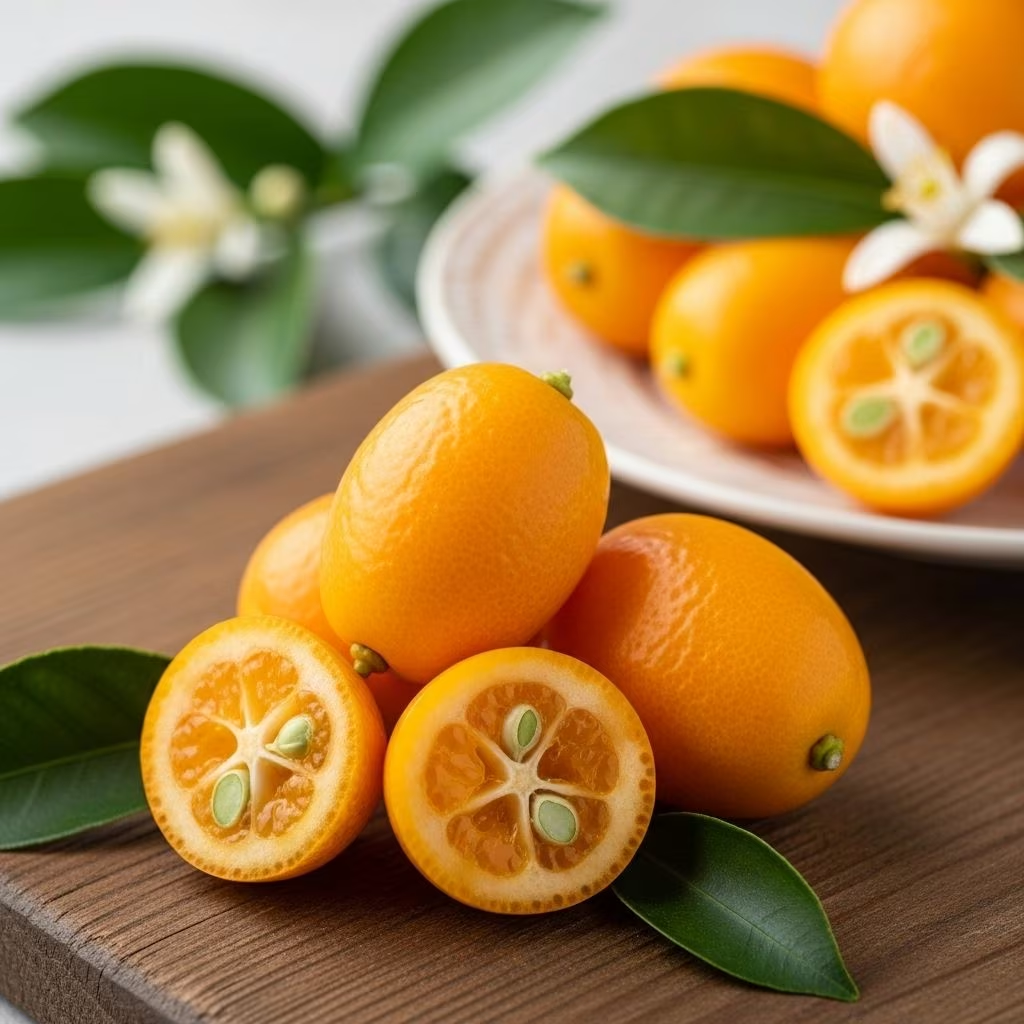
Fukushu kumquats are notably larger than their kumquat cousins, averaging 3 to 7 centimeters in diameter. Their distinctive round to oval, bell-shaped appearance sets them apart from other varieties, featuring a slightly depressed apex that gives them their characteristic look. The fruit’s shape is often described as unique within the kumquat family, making them easily identifiable.
The rind of Fukushu kumquats is thin, glossy, and semi-smooth, covered with prominent oil glands that create a textured surface appearance. As the fruits ripen naturally on the tree, their color transitions beautifully from golden to a rich, dark orange hue. This color progression serves as an excellent indicator of ripeness and optimal harvest time.
Beneath the attractive exterior lies thick, dense flesh divided into 5 to 8 segments. The orange-colored flesh has an aqueous, tender consistency and typically contains a few large, cream-colored seeds. The tree itself is highly ornamental, featuring broad, glossy leaves that are larger than those found on other kumquat species. During the growing season, the tree produces fragrant white flowers that bloom throughout the summer, adding to its ornamental appeal.
Taste Profile and Flavor
The flavor profile of Fukushu kumquats is complex and distinctive, offering a unique taste experience that sets them apart from other citrus fruits. The edible rind provides a sweet flavor with occasional acrid notes, while the flesh delivers a tart, acidic punch. This combination creates a tangy, sweet, and sharp flavor profile with subtle fruity and floral undertones.
What makes the Fukushu variety particularly appealing is the balance between the sweet rind and tart interior. Unlike some kumquat varieties where one flavor dominates, Fukushu kumquats offer a harmonious blend that makes them excellent for fresh eating. The sweet-tart combination provides a refreshing and invigorating taste experience that appeals to those who enjoy complex flavors.
The texture contributes significantly to the overall eating experience. The thin, tender rind contrasts beautifully with the juicy, aqueous flesh, creating a satisfying mouthfeel. Most consumers choose to discard the large seeds rather than consuming them, though the rest of the fruit is entirely edible and enjoyable.
Nutritional Benefits and Health Properties
Fukushu kumquats are nutritional powerhouses, packed with essential vitamins, minerals, and beneficial compounds that contribute to overall health and wellness. Like other kumquat varieties, they serve as an excellent source of vitamin C, which plays a crucial role in strengthening the immune system, reducing inflammation, and boosting collagen production for healthy skin.
The nutritional profile of Fukushu kumquats includes significant amounts of dietary fiber, which helps regulate the digestive tract and promotes healthy gut function. They also provide manganese, vitamin A, and calcium, along with smaller amounts of iron, zinc, potassium, vitamin E, and copper. This diverse mineral content supports various bodily functions and contributes to overall nutritional well-being.
One of the most interesting aspects of Fukushu kumquats is the presence of essential oils, particularly limonene, concentrated in the sweet peel. These oils, along with various flavonoids, offer potent antioxidant and anti-inflammatory properties. These compounds help protect cells from oxidative stress and may contribute to reduced inflammation throughout the body.
In Traditional Chinese Medicine, Fukushu kumquats have been utilized for centuries as a natural remedy for respiratory ailments. They are traditionally used to address sore throats, congestion, and coughs. The typical preparation involves mashing the fruits and mixing them with ginger, salt, and honey, then steeping the mixture as a soothing tea. Alternatively, the fruits can be chewed and swallowed raw for their medicinal benefits.
Culinary Uses and Applications
The culinary versatility of Fukushu kumquats makes them valuable ingredients in both sweet and savory applications. Their thick flesh and balanced sweet-tart flavor profile lend themselves well to various culinary preparations and mixology uses, making them increasingly popular among chefs and home cooks alike.
Fresh Applications
Fukushu kumquats can be enjoyed fresh as a healthy snack, simply washed and consumed whole after discarding the seeds. They make excellent additions to fresh fruit salads, where their tangy sweetness complements other fruits beautifully. Sliced Fukushu kumquats can be tossed into green salads, chopped into fresh salsa, or mixed into yogurt for added flavor and nutrition.
Pickling Fukushu kumquats creates a tangy, subtly sweet condiment that works wonderfully in various dishes. Pickled kumquats can be sliced and layered over avocado toast, mixed into grain bowls and salads, or served alongside seafood and meat dishes as a flavorful accompaniment.
Cooked and Processed Uses
When cooked, Fukushu kumquats transform into delicious preserves, including jellies, jams, marmalade, and chutney. Their natural pectin content makes them ideal for these applications. They can also be blended into purees for use in desserts or infused into vinaigrettes, sauces, and syrups that add citrusy complexity to dishes.
In baking applications, Fukushu kumquats shine in muffins, cakes, scones, and other pastries, where their flavor adds brightness and complexity. They can be candied to create sweet treats or incorporated into chocolate confections for an interesting flavor contrast.
Beverage Applications
Fukushu kumquats excel in beverage applications, particularly in mixology. They can be used to flavor teas, wines, and cocktails, where their unique flavor profile adds sophistication and complexity. The fruits work particularly well in citrus-forward cocktails and can be muddled, juiced, or used as garnishes.
Growing Fukushu Kumquats
Growing Fukushu kumquats can be a rewarding experience for both novice and experienced gardeners. These trees are known for their hardiness and adaptability, making them more forgiving than many other citrus varieties. Understanding their growing requirements and care needs is essential for successful cultivation.
Climate and Hardiness
Fukushu kumquats are renowned for their exceptional cold tolerance compared to other citrus varieties. They thrive in USDA zones 8-11 and can tolerate temperatures down to 32°F (0°C). For gardeners in zones 4-7, container growing offers the flexibility to move trees indoors during winter months, extending their growing range significantly.
The trees prefer full sun exposure but can tolerate partial shade, though fruit production may be reduced in shadier conditions. They adapt well to various soil types but perform best in well-draining, slightly acidic to neutral soil with a pH range of 6.0-7.0.
Planting and Spacing
When planted in the ground, Fukushu kumquat trees can reach heights of 10-15 feet, while container-grown specimens typically remain more compact at 6-8 feet. This size difference makes them suitable for various landscape applications, from small garden spaces to larger properties.
For ground planting, space trees at least 8-10 feet apart to allow for proper air circulation and growth. Container growing requires pots with adequate drainage and sufficient size to accommodate root growth as the tree matures.
Care and Maintenance
Fukushu kumquats are self-fertile, meaning they don’t require cross-pollination from other trees to produce fruit. This characteristic makes them ideal for single-tree plantings or small-space gardening. The trees are naturally thornless, making maintenance and harvesting safer and more pleasant.
Regular watering is essential, especially during the growing season and fruit development periods. However, avoid overwatering, as kumquats prefer slightly dry conditions between waterings. Fertilize regularly during the growing season with a citrus-specific fertilizer to promote healthy growth and fruit production.
Comparison with Other Kumquat Varieties
Understanding how Fukushu kumquats compare to other popular varieties helps gardeners and consumers make informed choices based on their preferences and growing conditions.
| Variety | Shape | Size | Flavor Profile | Special Characteristics |
|---|---|---|---|---|
| Fukushu | Round to oval, bell-shaped | Large (3-7 cm) | Sweet rind, tart flesh, balanced | Cold-hardy, thornless, ornamental |
| Nagami | Oval | Small to medium | Tart, acidic | Most common variety |
| Meiwa | Round | Medium | Sweeter, less acidic | Preferred for fresh eating |
The Fukushu variety stands out for its larger size and unique bell shape, making it easily distinguishable from other kumquat varieties. Its balanced flavor profile and cold hardiness make it particularly appealing for gardeners in cooler climates who want to grow citrus successfully.
Storage and Preservation Tips
Proper storage of Fukushu kumquats is essential for maintaining their quality, flavor, and nutritional value. Understanding the best storage methods can help extend their usable life and ensure optimal enjoyment.
Short-term Storage
Fresh, whole Fukushu kumquats should be stored unwashed in a plastic bag in the refrigerator’s crisper drawer. Under these conditions, they typically maintain their quality for 1 to 2 weeks. The key is maintaining proper humidity while preventing moisture buildup that could lead to spoilage.
For optimal freshness, avoid washing the fruits until ready to consume them. The natural waxy coating on the rind helps protect the fruit and extend its storage life.
Long-term Preservation
For longer storage, Fukushu kumquats can be frozen whole or sliced. Frozen kumquats work well in cooked applications like jams, jellies, and baked goods, though the texture may be softer after thawing. They can also be preserved through various methods including pickling, candying, or making into preserves.
Dehydrating Fukushu kumquats creates a concentrated, intensely flavored snack that can be stored for extended periods. The dehydrated fruits work well in trail mixes, baked goods, or as standalone snacks.
Frequently Asked Questions
Q: Are Fukushu kumquats safe to eat whole, including the peel?
A: Yes, Fukushu kumquats are completely safe to eat whole, including the peel and flesh. The peel is actually sweet and provides much of the fruit’s unique flavor profile. Most people only discard the seeds.
Q: How do Fukushu kumquats taste compared to regular oranges?
A: Fukushu kumquats have a more complex flavor than oranges, with a sweet, sometimes slightly bitter rind and tart, acidic flesh. The combination creates a unique sweet-tart experience that’s more intense and concentrated than typical oranges.
Q: Can I grow Fukushu kumquats indoors?
A: Yes, Fukushu kumquats can be grown indoors in containers, making them excellent houseplants in colder climates. They need bright light, good drainage, and regular care but can successfully fruit indoors with proper conditions.
Q: When is the best time to harvest Fukushu kumquats?
A: Fukushu kumquats are best harvested when they reach a deep orange color and give slightly to gentle pressure. They’re available year-round but peak during winter months. The fruits should be fully colored and aromatic when ready.
Q: What health benefits do Fukushu kumquats provide?
A: Fukushu kumquats are rich in vitamin C, fiber, and antioxidants. They support immune function, digestive health, and provide anti-inflammatory benefits. Traditional medicine also uses them for respiratory issues like sore throats and coughs.
Q: How cold-hardy are Fukushu kumquat trees?
A: Fukushu kumquats are among the most cold-hardy citrus varieties, tolerating temperatures down to 32°F (0°C) and thriving in USDA zones 8-11. They can be grown in containers in colder zones and brought indoors for winter protection.
Conclusion
Fukushu kumquats represent a remarkable achievement in citrus cultivation, offering a unique combination of hardiness, flavor, and versatility that makes them valuable for both culinary and ornamental purposes. Their distinctive sweet-tart flavor profile, impressive nutritional benefits, and adaptability to various growing conditions make them an excellent choice for gardeners and food enthusiasts alike.
Whether enjoyed fresh as a healthy snack, incorporated into gourmet cooking applications, or grown as an attractive landscape tree, Fukushu kumquats offer something special for everyone. Their cold tolerance opens up citrus growing possibilities in regions where other varieties might struggle, while their self-fertile nature and compact growth habit make them perfect for small-space gardening.
As interest in unique, flavorful fruits continues to grow, Fukushu kumquats are likely to gain increasing recognition and appreciation. Their combination of practical benefits, ornamental value, and exceptional flavor makes them a worthy addition to any garden or kitchen repertoire. For those seeking to explore the wonderful world of specialty citrus, Fukushu kumquats provide an excellent starting point that rewards both the grower and the consumer with their distinctive characteristics and delightful taste experience.
References
- https://specialtyproduce.com/produce/Fukushu_Kumquats_11554.php
- https://www.fourwindsgrowers.com/products/fukushu-kumquat-tree
- https://www.gardenia.net/plants/common-names/kumquat
- https://citrusvariety.ucr.edu/crc3475
- https://www.logees.com/products/changshou-kumquat-fortunella-obovata-fukushu-1901
- https://www.pearsonranch.com/collections/fukushu-kumquats
- https://www.waysidegardens.com/products/citrus-fukushu-kumquat-tree-29502
- https://www.nparks.gov.sg/florafaunaweb/flora/7/4/7427


