


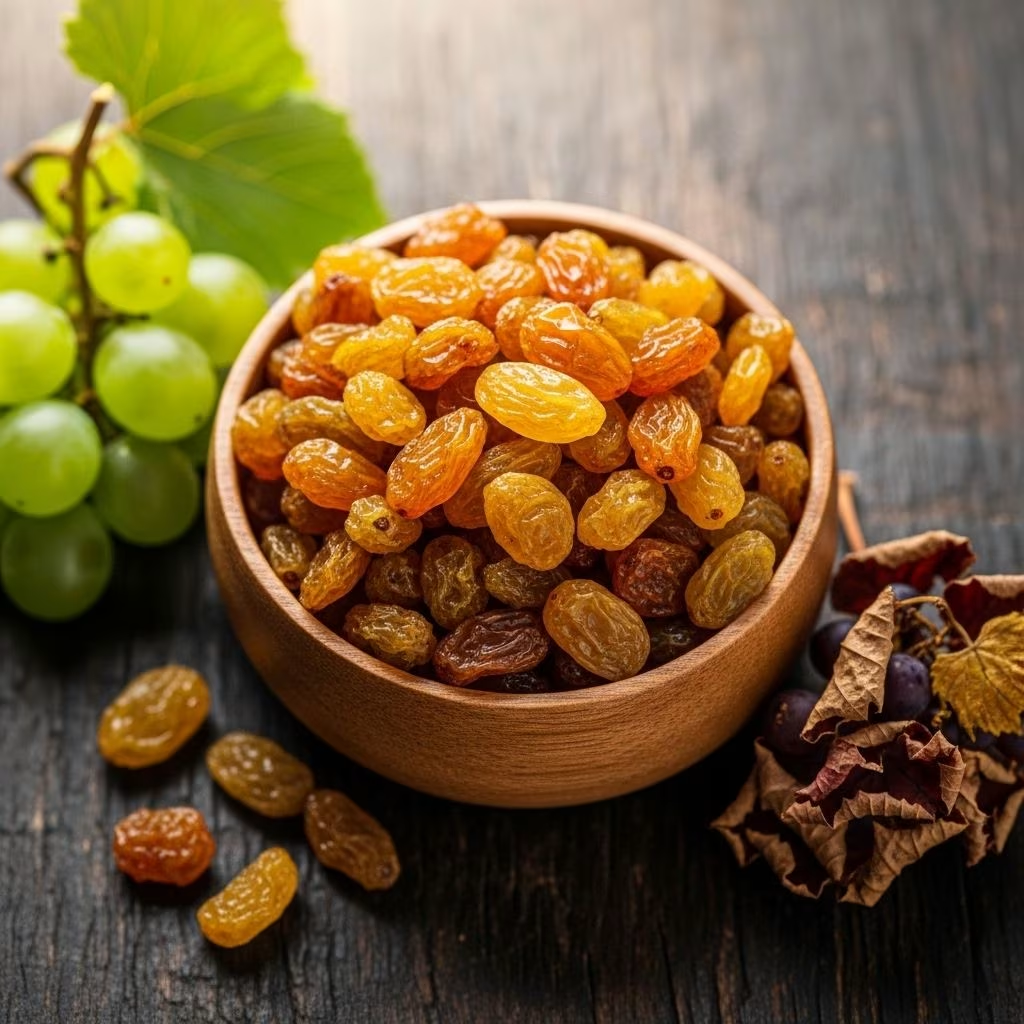
What Are Golden Raisins?
Golden raisins are a type of dried grape, specifically crafted from green or yellow grape varieties, most commonly Thompson Seedless or Sultana grapes. They are distinguished from regular (often called natural or dark) raisins by their light golden hue, plumpness, and a unique processing method that preserves their color and moisture.
The production of raisins dates back to ancient times, with evidence of grape drying in Persia and Egypt as early as 2000 BC. Golden raisins, however, became prominent only after the development of sulfur dioxide treatment, which prevents enzymatic browning, thus retaining their sunny color even after drying.
How Are Golden Raisins Made?
The process of making golden raisins involves several key steps:
- Selection of Grapes: Green or yellow grape varieties, mainly Thompson Seedless or Sultana, are chosen for their mild flavor and seedless nature.
- Sulfur Dioxide Treatment: The grapes are treated with sulfur dioxide before drying to prevent enzymatic browning and preserve their light color.
- Drying: The grapes are carefully dried, often with controlled exposure to heat and humidity to avoid the caramelization that dark raisins undergo.
- Coating: Sometimes, golden raisins are coated with a vegetable oil solution before dehydration to maintain moisture and plumpness.
Golden Raisins vs. Regular Raisins
The primary differences between golden and regular raisins are evident in their appearance, taste, and production process.
| Feature | Golden Raisins | Regular (Dark) Raisins |
|---|---|---|
| Color | Golden yellow | Dark brown or black |
| Grape Variety | Thompson Seedless, Sultana (green/yellow grapes) | Thompson Seedless, Muscat, or others (various colors) |
| Treatment | Sulfur dioxide | None (sun- or shade-dried) |
| Texture | Plump, juicier, chewy | Drier, more wrinkled |
| Taste | Fruitier, slightly tart, less caramelized | Deeper, caramelly, sweeter |
| Moisture | Retains more moisture | Typically drier |
Golden raisins are often described as fruitier and juicier than their dark counterparts, with a more nuanced flavor that retains some of the grape’s natural tartness.
Taste and Texture
Golden raisins are prized for their naturally sweet, mild, and slightly tart flavor profile. Their texture is notably plump and chewy, owing to the moisture retained during processing. Unlike dark raisins, which undergo more caramelization and develop a deeper, more robust sweetness, golden raisins are subtler and brighter in flavor—making them a favorite among bakers, chefs, and snackers seeking a lighter touch.
Culinary Uses
Golden raisins are incredibly versatile in the kitchen. Their sweetness and texture make them suitable for both sweet and savory applications:
- Baking: Widely used in cakes, muffins, breads, cookies, and scones, where they add natural sweetness and moisture. Chef Ina Garten, for instance, prefers golden raisins for their flavor and color in apple spice cakes.
- Salads: Their chewy texture and mild sweetness balance savory salads, especially those with greens, grains, or roasted vegetables.
- Rice Dishes: Popular in pilafs, biryanis, and couscous, where they add a sweet note and chewy contrast.
- Trail Mixes: Commonly included in nut and seed mixes for a natural energy boost and sweetness.
- Chutneys & Sauces: Used in sweet and tangy preparations, complementing meats, poultry, and curries.
- Stuffing: Featured in Mediterranean and Middle Eastern stuffed dishes, such as stuffed grape leaves and peppers.
Golden Raisins in Global Cuisines
Golden raisins are celebrated across culinary traditions:
- Mediterranean & Middle Eastern: Used in tagines, rice dishes, and desserts for a touch of sweetness and color.
- South Asian: Incorporated into biryanis, pulaos, and sweets, balancing spices with their natural sugar.
- Western Baking: Essential in fruitcakes, scones, and holiday breads.
- North African: Featured in couscous and tagines, harmonizing with savory ingredients.
Health Benefits
Golden raisins offer a range of health benefits, thanks to their nutritional profile:
- Quick Energy: High in natural sugars and carbohydrates, making them a great snack for instant energy.
- Digestive Health: Rich in dietary fiber, which supports healthy digestion and helps prevent constipation.
- Essential Minerals: Good source of iron, potassium, and copper—important for blood health, muscle function, and immune support.
- Antioxidants: Contain polyphenols, quercetin, and resveratrol that help protect cells from oxidative stress.
- Bone Health: Provide small amounts of calcium and magnesium.
- Healthy Snacking: Can satisfy sweet cravings naturally, reducing the need for processed sugars.
Nutritional Value
Here’s a typical nutritional breakdown per 1/4 cup (40g) serving of golden raisins (average values):
| Nutrient | Amount |
|---|---|
| Calories | ~120 |
| Carbohydrates | 32g |
| Sugars | 29g |
| Dietary Fiber | 1.6g |
| Protein | 1g |
| Iron | 0.7mg (4% DV) |
| Potassium | 250mg (7% DV) |
| Calcium, Magnesium, Phosphorus, Vitamin B6 | Trace amounts |
Golden raisins are a natural source of energy and essential nutrients, but their high sugar content means they should be enjoyed in moderation, especially for those monitoring blood sugar or calorie intake.
Storage and Shelf Life
Golden raisins have a long shelf life due to their low moisture content and sulfur dioxide treatment. To maximize freshness:
- Store in an airtight container in a cool, dark place.
- Refrigeration extends shelf life if needed, though it’s not required for unopened packages.
- Avoid exposure to moisture and heat to prevent spoilage or mold.
Potential Health Considerations
While golden raisins are generally safe and nutritious, there are a few considerations:
- High Sugar Content: Those with diabetes or weight management goals should consume golden raisins in moderation.
- Sulfite Sensitivity: Some individuals may be sensitive or allergic to sulfites, used in the preservation process; always check labels if this is a concern.
- Dental Health: Due to their stickiness, they should be consumed with care to avoid potential tooth decay.
Frequently Asked Questions
Q: Are golden raisins healthier than regular raisins?
A: Nutritionally, both are similar in macronutrients, but golden raisins have a milder flavor and retain more moisture. The main difference is the processing method and the resulting taste and texture.
Q: Can golden raisins be used interchangeably with regular raisins in recipes?
A: Yes, but expect a difference in color and a slightly fruitier, less caramelized taste when using golden raisins.
Q: Are golden raisins safe for those with sulfite allergies?
A: Golden raisins are treated with sulfur dioxide, a sulfite, so those with sulfite sensitivities should avoid them or check for sulfite-free options.
Q: How do I properly store golden raisins?
A: Keep them in an airtight container in a cool, dark place. Refrigeration is optional but can extend freshness.
Q: Why do golden raisins taste different from dark raisins?
A: The sulfur dioxide treatment and less caramelization during drying preserve a fruitier, less sweet, and slightly tart profile in golden raisins.
Q: Where are golden raisins produced?
A: Major producers include the United States (California), Turkey, Greece, and Australia, each offering subtle flavor variations based on climate and grape variety.
Conclusion
Golden raisins are a delightful, versatile dried fruit, prized for their mild, sweet-tart flavor, chewy texture, and sunny appearance. Whether used in baking, salads, or international dishes, they add a unique touch to both sweet and savory recipes. While offering valuable nutrients and health benefits, they should be enjoyed in moderation due to their sugar content. With proper storage, they remain a convenient, nutritious pantry staple—ready to elevate your next culinary creation.
References
- https://www.wisdomlib.org/ingredients/golden-raisins
- https://macclite.com/blogs/health-life-macclite/golden-raisin-uses-and-benefits-and-important-facts
- https://www.tastingtable.com/1499532/what-makes-golden-raisins-difference/
- https://www.ams.usda.gov/grades-standards/raisin-grades-standards
- https://www.sunmaid.com/wp-content/uploads/2019/02/US-Edition_Ch5.pdf
- https://www.merriam-webster.com/dictionary/golden%20raisin
- https://www.webmd.com/diet/raisins-good-for-you


