


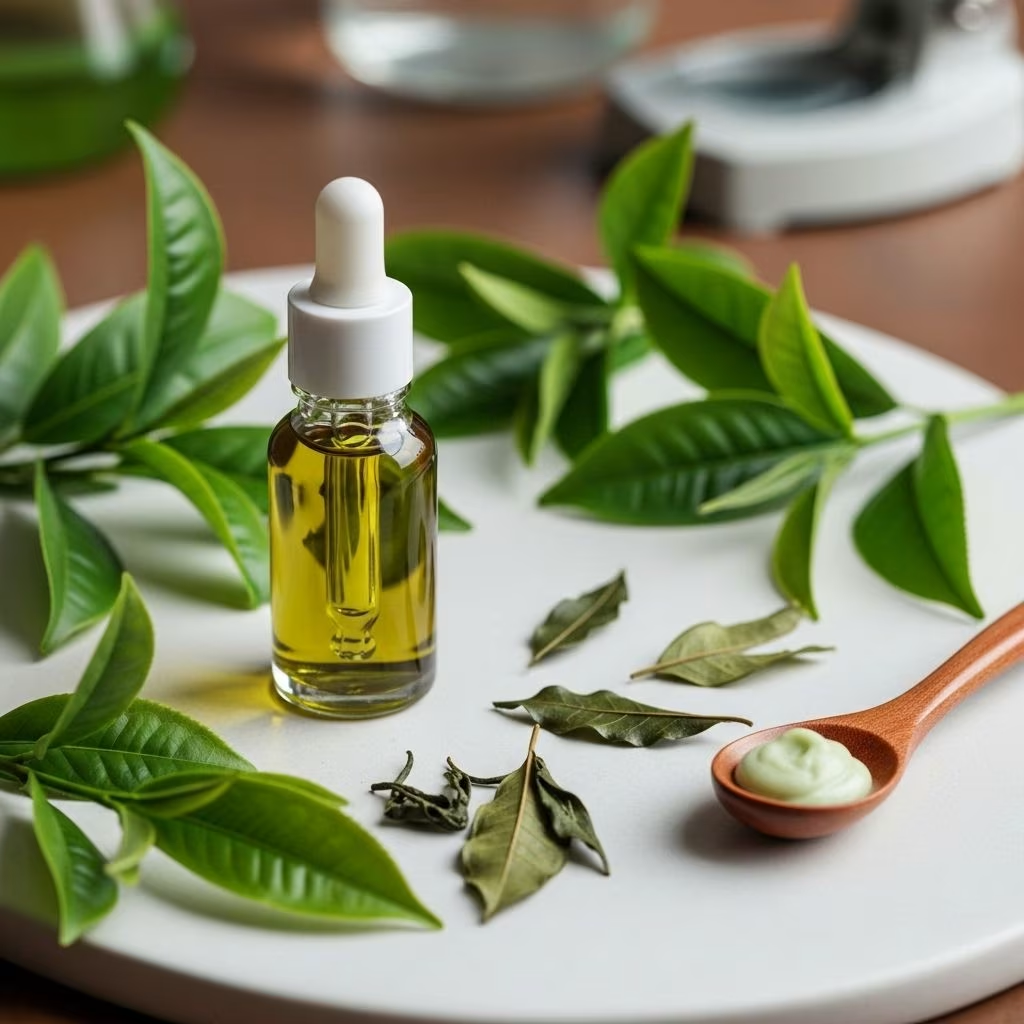
Green tea extract, derived from the leaves of Camellia sinensis, has long been cherished in traditional medicine and modern health circles alike. Its surge in popularity within skincare is powered by robust scientific research highlighting its remarkable benefits—from protecting against UV damage and premature aging to fighting acne and enhancing skin texture. Yet, as with any botanical ingredient, its use warrants a careful look at both benefits and potential side effects. This comprehensive guide dives deep into what green tea extract does for your skin, its uses in cosmetic and therapeutic applications, and what you should know before incorporating it into your routine.
What is Green Tea Extract?
Green tea extract is a concentrated form of the bioactive compounds found naturally in green tea leaves. While green tea itself has been consumed for thousands of years for its health-promoting properties, the extract delivers these key components in a more potent form. Extracts can be formulated as powders, capsules, or liquids, and are also commonly used in topical creams, lotions, serums, and masks.
Key Compounds in Green Tea Extract
- Catechins: A group of polyphenols with remarkable antioxidant and anti-inflammatory properties. The most significant is epigallocatechin gallate (EGCG), known for its ability to neutralize free radicals, reduce cell damage, and regulate cell growth.
- Flavonoids: These compounds offer additional antioxidant support, helping prevent oxidative stress in the skin.
- Caffeine: Provides mild astringent effects, helping tighten skin and reduce puffiness.
- Vitamins B, C, and E: Support overall skin health through hydration, repair, and protection from environmental factors.
How Green Tea Extract Works on Skin
Green tea extract exerts its effects through several interconnected mechanisms:
- Its antioxidant catechins scavenge free radicals—unstable molecules produced by UV light and pollution—that damage skin cells and accelerate aging.
- It modulates the body’s inflammatory response, helping to calm redness and swelling associated with conditions like acne and eczema.
- Green tea catechins influence cellular activity in the skin, including regulation of sebum (oil) production, supporting skin structure by stimulating collagen and elastin synthesis, and protecting cellular DNA from damage.
Science-Backed Skin Benefits of Green Tea Extract
Antioxidant Protection
Green tea extract is a powerful source of antioxidants, particularly EGCG, which neutralizes free radicals responsible for skin aging and cellular damage. These antioxidants shield the skin from pollution, UV rays, and other environmental stressors, potentially slowing the onset of wrinkles, fine lines, and hyperpigmentation.
Anti-inflammatory Action
The catechins, flavonoids, and other components in green tea exert marked anti-inflammatory effects. By downregulating pro-inflammatory enzymes like cyclooxygenase and modulating immune cell infiltration, green tea helps calm flare-ups in sensitive skin types and inflammatory skin conditions such as acne, eczema, and psoriasis.
UV Protection and Photodamage Defense
Clinical evidence shows green tea extract (both orally and topically applied) significantly reduces UV-induced skin damage, including erythema (redness), sunburn cells, and DNA damage. In a controlled human study, volunteers who consumed green tea beverages daily for 12 weeks showed reduced skin reddening and improved resilience to UV light, along with increased skin hydration and elasticity. These results support its use as a natural adjunct to sunscreen or after-sun care.
Acne and Oil Control
By regulating pathways involved in sebum (oil) production—such as the MLPK-SREBP-1, PI3K, and mTOR signaling—green tea extract helps reduce excess oiliness and diminish acne lesions. Its antibacterial and anti-inflammatory properties further inhibit the growth of acne-causing bacteria and decrease redness associated with pimples. Some studies also show oral supplementation with green tea extract leads to a statistically significant reduction in acne lesions within weeks.
Skin Regeneration and Anti-Aging
Green tea extract stimulates the production of collagen, elastin, and fibronectin, which are vital for maintaining skin firmness, elasticity, and a youthful appearance. Regular use can visibly improve skin texture, structure, and smoothness, while its genoprotective effects help prevent the development of age spots and support an even skin tone.
Wound Healing and Skin Repair
Research points to a role for green tea extract in promoting wound healing and tissue repair. By boosting circulation and oxygen delivery to the skin, it facilitates regeneration, reduces scarring, and supports post-procedure skin recovery after treatments like laser, chemical peels, or microneedling.
| Benefit | Supporting Compound/Mechanism | Typical Results |
|---|---|---|
| Antioxidant Protection | EGCG, Polyphenols | Reduces oxidative damage, prevents premature aging |
| Anti-inflammatory Action | Catechins, Flavonoids | Soothed skin, reduced redness and swelling |
| UV Protection | Polyphenols, Catechins | Decreased UV-induced erythema; improved skin resilience |
| Acne & Oil Control | EGCG, Sebum Regulation Pathways | Less oiliness, decreased acne lesions |
| Skin Regeneration | Collagen/Elastin Modulation | Improved texture, elasticity, and firmness |
Common Uses of Green Tea Extract in Skincare
- Anti-aging creams and serums: For reducing wrinkles, fine lines, and enhancing skin resilience.
- Acne treatments: Lotions, gels, or spot treatments targeting pimples and excess sebum.
- Moisturizers: Infusions to hydrate and soothe while delivering antioxidant benefits.
- SPF formulations: Added to sunscreens and after-sun care for enhanced UV protection.
- Eye creams: Targeting puffiness and dark circles with caffeine and antioxidants.
- Cleansers and toners: For gently purifying, balancing, and calming irritated skin.
- Oral supplements: Capsules or beverages intended to support skin from within.
How to Use Green Tea Extract for Skin Health
- Topical application: Choose products containing standardized doses of green tea extract (often 2–5%) for direct skin delivery.
- Oral supplementation: Capsules or concentrated drinks may deliver systemic benefits. Always follow dosing instructions and consult with a healthcare provider.
- DIY options: Brewed green tea can be cooled and applied as a facial mist, compress, or ingredient in homemade masks.
For optimal outcomes, select products with stabilized, high-quality green tea extract, and combine with sunscreen for daytime use.
Potential Side Effects and Precautions
Despite its strong safety record, green tea extract can cause side effects, especially at high doses or in sensitive individuals:
- Skin irritation: Rarely, topical green tea preparations may cause redness, itching, or mild contact dermatitis—especially in those with allergies to tea or related plants.
- Photosensitivity: Although it protects against UV, overuse or improper formulation could potentially lead to increased sensitivity.
- Systemic effects: Oral supplements may trigger digestive upset, increased heart rate, or insomnia—mainly due to caffeine content.
- Liver toxicity: Excessively high oral doses of green tea extract have been associated with rare cases of liver injury. Safe when used at recommended dosages.
Precaution: If you experience persistent irritation, discontinue use and seek advice from a dermatologist.
Who Should Use—and Who Should Avoid—Green Tea Extract?
- Ideal for: Most adults seeking to prevent aging, support sensitive or acne-prone skin, and recover from sun exposure.
- Should be cautious or avoid:
- Individuals with known allergies to green tea or its related compounds.
- People with underlying liver conditions (when considering oral supplementation).
- Pregnant or breastfeeding women (consult with a healthcare provider before use).
- Children, unless specifically directed by a healthcare professional.
Frequently Asked Questions (FAQs)
Does green tea extract lighten skin?
Green tea extract can improve overall skin tone and diminish the appearance of hyperpigmentation by inhibiting excess melanin production and reducing oxidative stress, but substantial skin lightening is unlikely without consistent, long-term use.
What is the best way to use green tea extract for acne?
Topical gels or creams with 2–3% green tea extract can significantly reduce acne lesions and oiliness—often with less irritation compared to harsher active ingredients. Oral supplements are an additional option but should be used carefully and under medical guidance.
Is green tea extract safe for sensitive skin?
Generally, yes. Its anti-inflammatory properties make it suitable for sensitive, redness-prone skin, but patch testing prior to full-face application is advised.
Can you use green tea extract every day?
Daily use is safe and may optimize benefits, provided you do not develop any irritation and use within recommended guidelines.
Are there any drug interactions or contraindications?
High-dose oral green tea extract may interact with medications such as blood thinners, beta-blockers, or certain antibiotics. Always consult with a healthcare provider before adding new supplements.
Conclusion
Green tea extract is a scientifically supported, multi-functional ingredient that offers substantial benefits for various skin concerns. Its potent antioxidants, anti-inflammatory compounds, and unique catechins help prevent environmental and UV damage, soothe inflammatory conditions, control oil, and support youthful skin structure. While generally safe, it’s important to respect recommended dosages and be mindful of personal sensitivities. Whether incorporated into topical skincare or taken as a supplement, green tea extract stands out as a modern skincare ally rooted in centuries-old tradition and confirmed by emerging research.
References
- https://pmc.ncbi.nlm.nih.gov/articles/PMC9370301/
- https://joshrosebrook.com/blogs/articles/the-benefits-of-green-tea-in-skin-care
- https://www.goodrx.com/health-topic/dermatology/green-tea-benefits-for-skin
- https://pmc.ncbi.nlm.nih.gov/articles/PMC3390139/
- https://www.healthline.com/health/benefits-of-green-tea-for-skin
- http://impactfactor.org/PDF/IJCPR/14/IJCPR,Vol14,Issue3,Article5.pdf


