


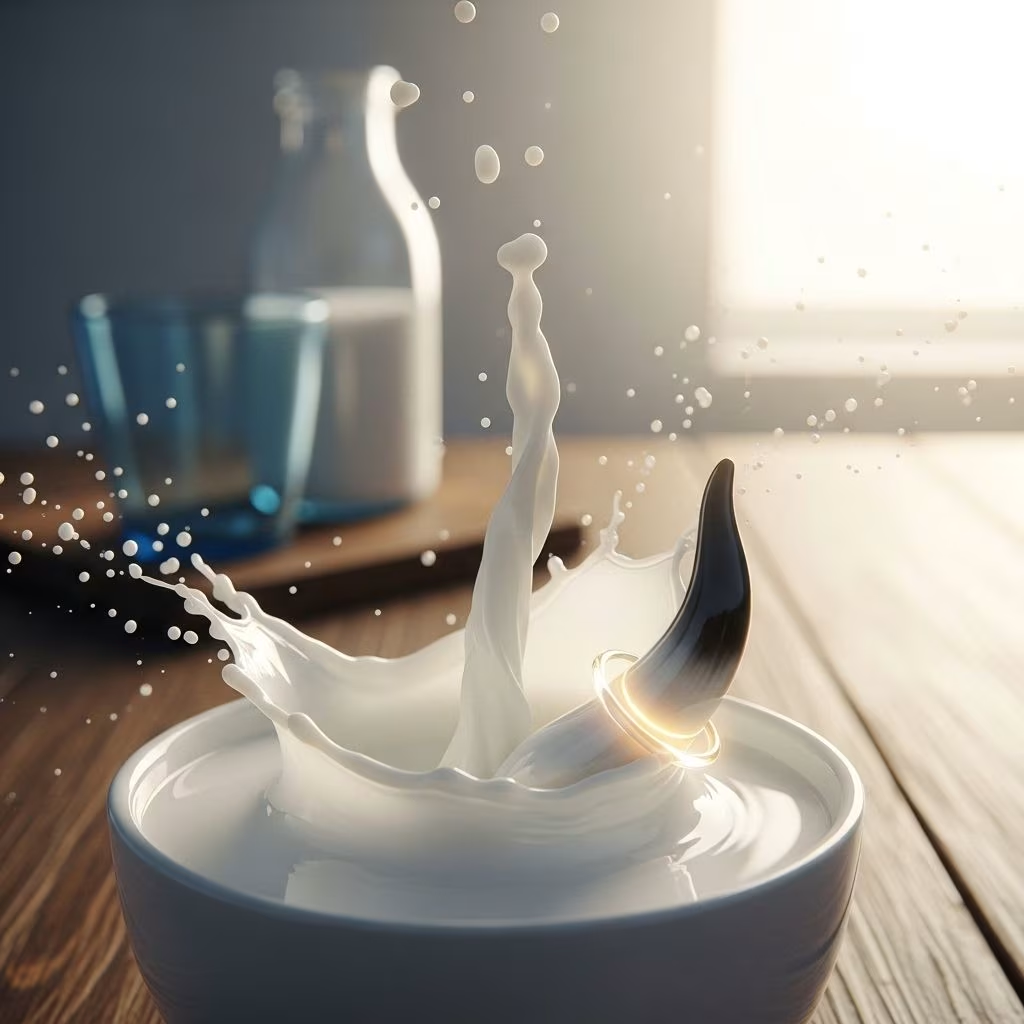
Cow’s milk is a staple beverage and food ingredient worldwide, valued for its rich nutritional profile, culinary versatility, and distinct taste. It plays a pivotal role in many cultures and diets, providing essential nutrients and a base for numerous dairy products. This article explores what cow’s milk is, its composition, health benefits, everyday uses, and unique taste characteristics.
What Is Cow’s Milk?
Cow’s milk is the liquid produced by female cows to nourish their young calves. Widely consumed by humans, it is a foundational food in many diets around the world. The process of obtaining milk typically involves mechanical milking, pasteurization for safety, and subsequent distribution for direct consumption or transformation into various dairy products such as cheese, yogurt, and butter.
Fresh cow’s milk contains a blend of water, proteins, fats, carbohydrates, vitamins, and minerals, making it notable for its nourishing qualities. The composition—roughly 87% water and 13% solid nutrients—varies with breed, feed, lactation period, and processing methods.
Nutritional Profile of Cow’s Milk
One of the primary reasons for cow’s milk’s global popularity is its rich and diverse nutritional content. It is considered particularly important for children, adolescents, and adults needing sufficient nutrients to support development and health.
Key Nutrients in Cow’s Milk (per 1 cup or 244 g, whole milk)
- Calories: 149-146 kcal
- Protein: 8 grams (high biological value, contains all essential amino acids)
- Fat: 8 grams (including saturated and unsaturated fats)
- Carbohydrates: 12 grams (all as lactose)
- Calcium: 28% of the Recommended Daily Allowance (RDA)
- Vitamin D: 24% RDA (when fortified)
- Riboflavin (B2): 26% RDA
- Vitamin B12: 18% RDA
- Potassium: 10% RDA
- Phosphorus: 22% RDA
- Vitamin A: Present in variable amounts
- Magnesium, zinc, choline, selenium: Present in lesser but significant amounts
Milk is also a source of bioactive compounds such as conjugated linoleic acid (CLA), omega-3 fatty acids, immunoglobulins, and antioxidant vitamins like vitamin E and beta-carotene. The nutritional density, and even taste, is affected by factors like the cow’s feed, breeds, and processing.
| Nutrient | Amount per cup (whole milk) | Health Role |
|---|---|---|
| Protein | 8g | Builds and repairs body tissues, supports immune function |
| Fat | 8g | Energy source, supports vitamin absorption, cell health |
| Carbohydrates | 12g (as lactose) | Primary energy source for infants, aids calcium absorption |
| Calcium | ~300 mg | Essential for strong bones, teeth, muscle function |
| Vitamin D (fortified) | 2.4 mcg | Boosts calcium absorption and immunity |
| Potassium | 322 mg | Helps regulate blood pressure and heart function |
| Vitamin B12 | 1.1 mcg | Supports nerve, blood health |
Health Benefits of Cow’s Milk
Cow’s milk is not just a rich source of nutrients but also offers several scientifically recognized health benefits:
- Promotes Bone and Dental Health: High calcium and vitamin D content help build and maintain strong bones and teeth, reducing the risk of osteoporosis and dental problems later in life.
- Supports Muscle Growth and Repair: Complete proteins and essential amino acids are vital for muscle development, making milk a recommended post-exercise recovery food.
- Heart Health: Potassium, magnesium, and bioactive peptides can support healthy blood pressure regulation and cardiovascular health.
- Boosts Immune System: Presence of immunoglobulins, lactoferrin, and antioxidants enhances immune defense.
- Hydration: With over 80% water, milk also contributes to daily fluid requirements.
- Weight Management Aid: The combination of protein and fat can enhance satiety, helping with controlled calorie intake when included as part of a balanced diet.
- Sources of Bioactive Compounds: Grass-fed or organic cow’s milk tends to have higher levels of healthy fatty acids like CLA and omega-3s, which have been linked to lower risks of diabetes and cardiovascular disease.
Uses of Cow’s Milk
Milk’s versatility makes it unique, and it is used extensively in both direct consumption and as a core ingredient in countless foods and drinks. Its functional properties also make milk important in culinary science and food technology.
Direct Consumption
- As a Beverage: Consumed plain, hot or cold, or with flavorings (chocolate, vanilla, coffee).
- Sports Recovery Drink: Thanks to its protein-carbohydrate-fat ratio and electrolyte content.
Dairy Products
- Cheese: From soft cheeses (brie, mozzarella) to firm aged varieties (cheddar, parmesan).
- Yogurt: Regular or Greek, providing probiotics and additional protein.
- Butter & Ghee: Concentrated milk fats used in cooking and baking.
- Cream Products: Including sour cream, heavy cream, clotted cream.
- Evaporated & Condensed Milk: Used in baking, desserts, and global cuisines.
- Ice Cream & Dairy Desserts: Milk forms the base of countless sweet treats.
Cooking and Baking
- Base for Sauces & Soups: Creamed soups, béchamel (white sauce), custards.
- Baking: Adds moisture, structure, and browning to cakes, breads, and pastries.
- Fermentations: For foods like kefir and cultured dairy spreads.
Specialty & Cultural Uses
- Milk Teas and Coffees: Lattes, cappuccinos, chai, and bubble tea.
- Traditional Dishes: Such as Indian paneer, Turkish ayran, and Italian ricotta.
- Infant Nutrition: Milk is processed into formulas for infants and growing children worldwide (when breast milk isn’t an option).
The Taste of Cow’s Milk
The flavor profile of cow’s milk is subtle but distinct, influenced by fat content, freshness, processing, and the cow’s diet:
- Creamy and Slightly Sweet: Due to natural milk sugars (lactose).
- Mild Dairy Aroma: A soft, clean flavor, without pronounced sharpness.
- Texture Varies: Whole milk is richer and creamier, while skim milk feels lighter and more watery.
- Aftertaste: Usually clean, but extended storage or exposure to light can create a more ‘cooked’ or oxidized flavor.
- Influences: Grass-fed milk is often described as slightly ‘grassy’ or ‘buttery’; processed ultra-high-temperature (UHT) milk might taste a bit ‘cooked.’
| Milk Type | Texture | Taste Notes |
|---|---|---|
| Whole Milk | Creamy | Rich, slightly sweet, mild dairy flavor |
| 2% Milk | Smooth | Milder, less creamy, retains subtle sweetness |
| Skim Milk | Thin | Lighter, slightly watery, less flavor depth |
| Raw Milk | Variable | Full, intense, sometimes tangy or sweet depending on freshness and handling |
Different Types of Cow’s Milk
Cow’s milk is available in several forms, each suited for different dietary needs and culinary uses:
- Whole Milk: Contains about 3.25% fat, offering the fullest texture and flavor.
- Reduced-Fat (2%) and Low-Fat (1%) Milk: Fat is partially removed for a lighter texture and fewer calories while still providing most nutrients.
- Fat-Free (Skim) Milk: Contains less than 0.5% fat; mild in taste but rich in protein and minerals.
- Raw Milk: Unpasteurized, retaining more original flavor and enzymes, but with increased food safety risks.
- Lactose-Free Milk: Standard milk processed to break down lactose, suitable for lactose-intolerant individuals.
- Organic and Grass-Fed Milk: Derived from cows fed organic or primarily grass diets; may have higher omega-3 and CLA content.
- UHT (Ultra-Heat Treated) Milk: Treated for long shelf-life, but may have a slightly different taste profile.
Potential Risks and Considerations
Despite its many benefits, cow’s milk can present risks for some people:
- Lactose Intolerance: Some adults lack the enzyme lactase and may experience bloating, gas, or diarrhea after consuming milk containing lactose.
- Milk Allergy: Rare, but especially in children, immune responses to milk proteins can cause allergic reactions.
- Caloric Intake: Whole milk is calorie-dense; excessive consumption may contribute to weight gain in some individuals.
- Contaminants: Exposure to antibiotics, hormones, or pathogens is minimized with regulated production and pasteurization, but risk exists if standards are not followed.
- Dietary Suitability: Cow’s milk is not suitable for those following vegan diets or with certain medical conditions like galactosemia.
Frequently Asked Questions (FAQs)
Q: Is it safe to drink raw cow’s milk?
A: Raw milk may contain beneficial enzymes but also poses a higher risk of bacterial contamination, such as Salmonella or E. coli. Pasteurized milk is recommended for safety by major health authorities.
Q: Can lactose-intolerant people drink cow’s milk?
A: People with lactose intolerance can choose lactose-free milk or enjoy hard cheeses and yogurts, which tend to have lower lactose content. Some also use lactase supplements when consuming regular milk.
Q: Is cow’s milk necessary for bone health?
A: While dairy is a convenient source of bioavailable calcium and vitamin D, other sources (leafy greens, fortified plant milks, tofu) can also support bone health, especially in balanced diets.
Q: How does skim milk compare nutritionally to whole milk?
A: Skim milk provides similar protein and minerals as whole milk but with almost all fat removed, resulting in lower calories and less vitamin A/D unless fortified.
Q: Does milk cause inflammation or increase the risk of disease?
A: Current research does not conclusively support these claims. In fact, milk’s nutrients may help reduce systemic inflammation; however, results may differ in people with sensitivities or allergies.
Conclusion
Cow’s milk is a nutritionally rich, versatile, and widely enjoyed food source. Its comprehensive nutrient profile supports bone, muscle, heart, and immune health, and its compatibility with countless culinary uses—from simple drinking to intricate gastronomy—cements its status as a dietary staple. Understanding your personal health needs and culinary preferences can help you make the most out of this classic beverage and ingredient.
References
- https://www.healthline.com/nutrition/milk-benefits
- https://pmc.ncbi.nlm.nih.gov/articles/PMC10819418/
- https://www.webmd.com/diet/health-benefits-milk
- https://www.medicalnewstoday.com/articles/273451
- https://nutritionsource.hsph.harvard.edu/milk/
- https://pubmed.ncbi.nlm.nih.gov/24800664/
- https://www.usdairy.com/dairy-nutrition/products/milk
- https://www.fao.org/dairy-production-products/products/milk-composition/en


