


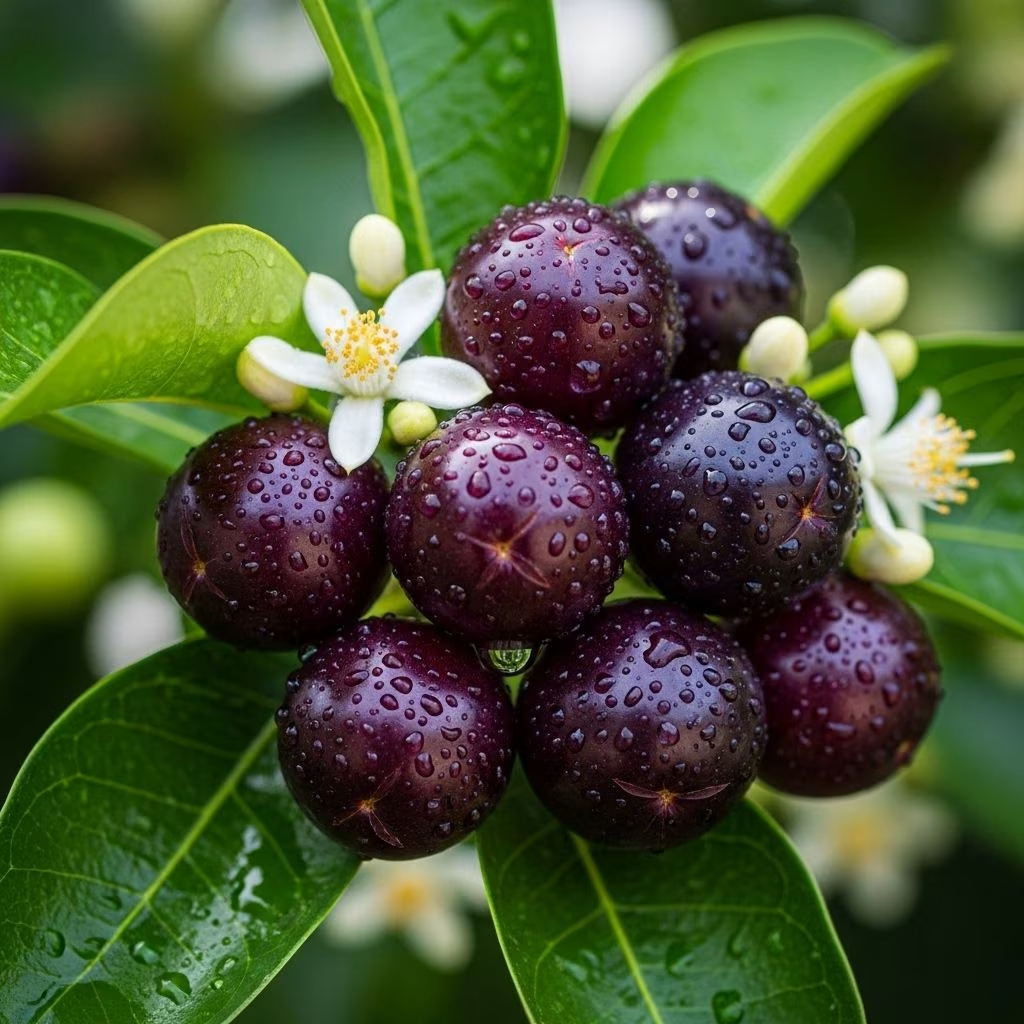
Grumichama, also known as Brazilian cherry or Eugenia brasiliensis, is a little-known tropical fruit celebrated for its cherry-like flavor, rich nutritional profile, and alluring aesthetic. Native to South America’s Atlantic Forest, grumichama has earned a specialty status in gardens, culinary circles, and the world of exotic fruits. This comprehensive guide explores what grumichama is, its numerous health benefits, distinct taste, various uses, and some key tips for growing and enjoying this unique fruit.
Introduction: What Is Grumichama?
Grumichama (Eugenia brasiliensis) is an evergreen tropical fruit tree in the Myrtaceae family. Often called Brazilian cherry, grumichama bears small, round, deep purple to black fruit that bears a striking resemblance to cherries. Despite the cherry name, it is not related to the true cherry tree (Prunus genus), but is native to the humid coastal forests of Brazil and other parts of South America .
This fruit is renowned not only for its rich flavor—which some describe as a blend of cherry, plum, and blueberry—but also for its ornamental and nutritional value. Grumichama is gaining attention among food enthusiasts, home gardeners, and health-conscious consumers worldwide, even as it remains rare outside its native region .
Botanical Description and Varieties
Scientific Classification:
- Genus: Eugenia
- Species: E. brasiliensis
- Family: Myrtaceae
- Common Names: Grumichama, Brazilian Cherry, Brazilian Plum, Grumixama, Spanish Cherry, Grumixameira
The grumichama tree displays the following botanical features:
- Slow-growing, compact evergreen tree; typically 6-25 feet tall when pruned, up to 35 feet if left unpruned
- Glossy, leathery, dark green leaves with stunning burgundy-red new growth
- Clusters of small, white aromatic flowers that bloom profusely in spring, with a scent sometimes compared to bacon
- Fruit is round, sometimes slightly oblate, about the size of a large blueberry (3-5 cm diameter), with persistent sepals resembling rabbit ears
Varieties and Fruit Types:
- Three main varieties: one with dark red flesh, one vermilion, and one white. All are considered high in quality .
- Fruit changes color as it matures—from green to red to deep purple or nearly black .
- Yellow-fleshed grumichama varieties can also be found in some regions.
History and Distribution
Native Region: Grumichama originates from the Atlantic coastal forests of Brazil, particularly in states like Paraná, Santa Catarina, and São Paulo. Its cultivation history is deeply rooted in South American traditions.
Global Spread: The fruit has been introduced to other subtropical and tropical areas, such as Florida, California, and Hawaii in the United States, as well as Australia and parts of Asia. Grumichama remains uncommon outside its native range but is gaining popularity as a niche exotic fruit .
Conservation Status: Due to deforestation and habitat fragmentation, grumichama is considered endangered and rarely found in the wild, though some efforts exist to preserve its genetic diversity through cultivation .
Nutritional Profile and Health Benefits
Grumichama offers a variety of nutritional advantages that contribute to overall health. Though less studied than mainstream fruits, emerging research and traditional use highlight its benefits:
| Nutrient | Role/Benefit |
|---|---|
| Vitamin C | Boosts immune system, acts as antioxidant, supports skin health |
| Vitamin A | Essential for vision, immune defense, and skin integrity |
| Antioxidants (polyphenols, anthocyanins) | Neutralize free radicals, reduce inflammation, may lower risk of chronic diseases |
| Dietary Fiber | Supports digestion, aids satiety, helps stabilize blood sugar |
| Essential Minerals (Calcium, Potassium) | Essential for bone, muscle, and nerve health |
| Low in Calories | Suitable for healthy snacking and weight management |
- High in antioxidants such as anthocyanins and polyphenols, especially in the skin, contributing to its deep color and potent free radical scavenging ability .
- Vitamin-rich: Notable for vitamin C and vitamin A, which support immune function and eye health .
- Dietary fiber from the fruit helps regulate digestion and promotes gut health.
- The bark and leaves contain tannins and essential oils used in traditional medicine, particularly as astringents and infusions for rheumatism .
- May have potential as a natural diuretic and anti-inflammatory agent due to phytochemical content .
Potential Health Benefits
- May help strengthen the immune system and combat oxidative stress.
- Promotes healthy skin, eyes, and connective tissues.
- Could provide anti-inflammatory and antimicrobial effects (supported by traditional use of leaves and bark).
- Can support cardiovascular health and digestive balance because of its fiber and potassium content.
Taste and Flavor Profile
Grumichama’s flavor is a key reason for its appeal among fruit explorers:
- The flesh is juicy, soft, and melting, with a delicate balance of sweetness and mild subacidity .
- Flavor notes are often compared to a sweet cherry blended with hints of plum, blueberry, and sometimes a touch of aromatic resin .
- The skin contributes much of the flavor and tannic complexity, giving the fruit a refreshing yet slightly gripping texture .
- Fully ripened (deep purple or black) grumichama tastes sweeter and milder; underripe fruit may have a tart edge.
The seeds, round or hemispherical, occupy a significant portion of the fruit’s volume and are not edible . The fruit has a thin, delicate skin and is best enjoyed quickly after harvest due to its very short shelf life .
Culinary and Traditional Uses
Grumichama’s versatile flavor makes it enjoyable in numerous ways, from fresh snacking to preserved delicacies. Here are top culinary and traditional uses:
- Fresh: Eaten straight from the tree, perfect as a refreshing, antioxidant-rich snack .
- Preserves: Transformed into jams, jellies, syrups, and sauces with a flavor resembling cherry or blueberry preserves.
- Desserts: Used in fruit salads, parfaits, muffins, tarts, pies, and as toppings for yogurt, cereal, ice cream, and cake.
- Beverages: Made into juices, smoothies, or blended with other tropical fruits for refreshing drinks.
- Dried fruit: Dehydrated grumichama is a natural sweet-tart snack, though less common due to its fast perishability .
- Traditional medicine: Leaves and bark sometimes steeped for herbal teas and traditional infusions for medicinal purposes .
The thin, tender skin means grumichama does not commercialize well for supermarkets, but it is highly valued at the local and specialty market level .
Cultivation, Growing Tips, and Ornamental Value
Grumichama’s adaptability, showy appearance, and manageable growth habit make it attractive for food forests, edible landscapes, and gardens with limited space.
Growing Requirements
- Climate: Prefers subtropical to tropical climates; can tolerate light frosts when mature (down to 26°F / -3°C), but young trees need protection .
- Soil: Thrives in deep, fertile, acidic sandy loam; avoid alkaline (basic/limestone) soils .
- Water: Requires consistent moisture for best fruiting, but can tolerate occasional drought once established .
- Sunlight: Best in partial shade; full sun may be acceptable with adequate irrigation.
- Pruning: Responds well to trimming and can be shaped as a hedge, bush, or small tree .
- Container Gardening: Compact form and attractive foliage make grumichama well-suited for large pots, particularly where winters are cold .
Cultivation Overview
- Slow growth rate (1-2 feet/year); takes 4+ years to bear fruit from seed .
- Blooms in spring with showy white flowers; fruit matures in 7-8 weeks after pollination .
- Mature trees can produce multiple crops through spring and mid-summer .
Ornamental Features
- Dense, glossy foliage with striking new growth.
- Beautiful clusters of white flowers, adding appeal to decorative landscapes.
- Suitable for food forests and urban gardens, including areas with strict landscaping guidelines due to its tidy appearance .
Potential Drawbacks and Considerations
- Short Shelf Life: Grumichama fruit spoils rapidly after harvest, making it challenging for export or large-scale commercialization .
- Seed Size: High seed-to-flesh ratio may limit appeal compared to common cherries or berries .
- Disease and Pests: Healthy overall; however, fruit drop or quality issues can arise with overwatering or underwatering, especially in pots .
- Limited Availability: Still rare globally; plants and fresh fruit can be difficult to source in many regions .
Frequently Asked Questions (FAQs)
Q: What does grumichama fruit taste like?
A: Grumichama’s flavor is similar to a sweet cherry with subtle notes of plum and blueberry. The fruit is juicy, mildly acidic, and aromatic. The skin provides most of the flavor complexity, with the best taste when fully ripe .
Q: How do you eat grumichama?
A: Eat grumichama fresh out-of-hand, or add it to fruit salads, yogurts, cereals, desserts, or smoothies. It is also ideal for jams, jellies, and syrups. Always remove the seeds, as they are not edible.
Q: Is grumichama healthy?
A: Yes. Grumichama is a natural source of vitamin C, vitamin A, dietary fiber, and antioxidants, all of which contribute to immune support and general wellness .
Q: Can grumichama be grown in pots?
A: Absolutely. Its slow, compact growth habit and attractive foliage make grumichama an outstanding container plant for patios, balconies, or smaller gardens .
Q: Is grumichama drought tolerant?
A: Mature grumichama trees tolerate short dry spells, but regular moisture is essential for optimal fruiting and quality .
Summary and Key Takeaways
- Grumichama is a rare, ornamental fruit tree from Brazil, producing small, cherry-like, antioxidant-rich fruit.
- The fruit boasts a sweet, cherry/floral flavor and is valued for both its nutritional content and unique culinary versatility.
- Ideal for edible landscaping, home gardens, and container cultivation, grumichama is both beautiful and useful.
- Enjoy grumichama fresh, in desserts, or preserved—though its short shelf life means it is seldom found on supermarket shelves.
- This fruit is a unique addition to garden and kitchen alike, prized among plant enthusiasts, chefs, and health-conscious consumers.
References
- https://incredibleediblelandscapes.com/products/grumichama-aka-brazilian-cherry
- https://frootfarms.com/2024/04/07/plant-profile-grumichama/
- https://www.growables.org/information/TropicalFruit/GrumichamaPopenoe.htm
- https://fruitscapesllc.com/grumichama/
- https://pfaf.org/user/Plant.aspx?LatinName=Eugenia+brasiliensis
- https://www.robpyne.com.au/grumichama-tree/
- https://www.youtube.com/watch?v=ZVA43OfdzFk
- https://everglades.farm/blogs/news/grumichama-tree-step-by-step-planting-and-care-guide
- https://www.girlinthegreen.com.au/blog/grumichama
- https://natureworksnursery.com/grumichama/


