


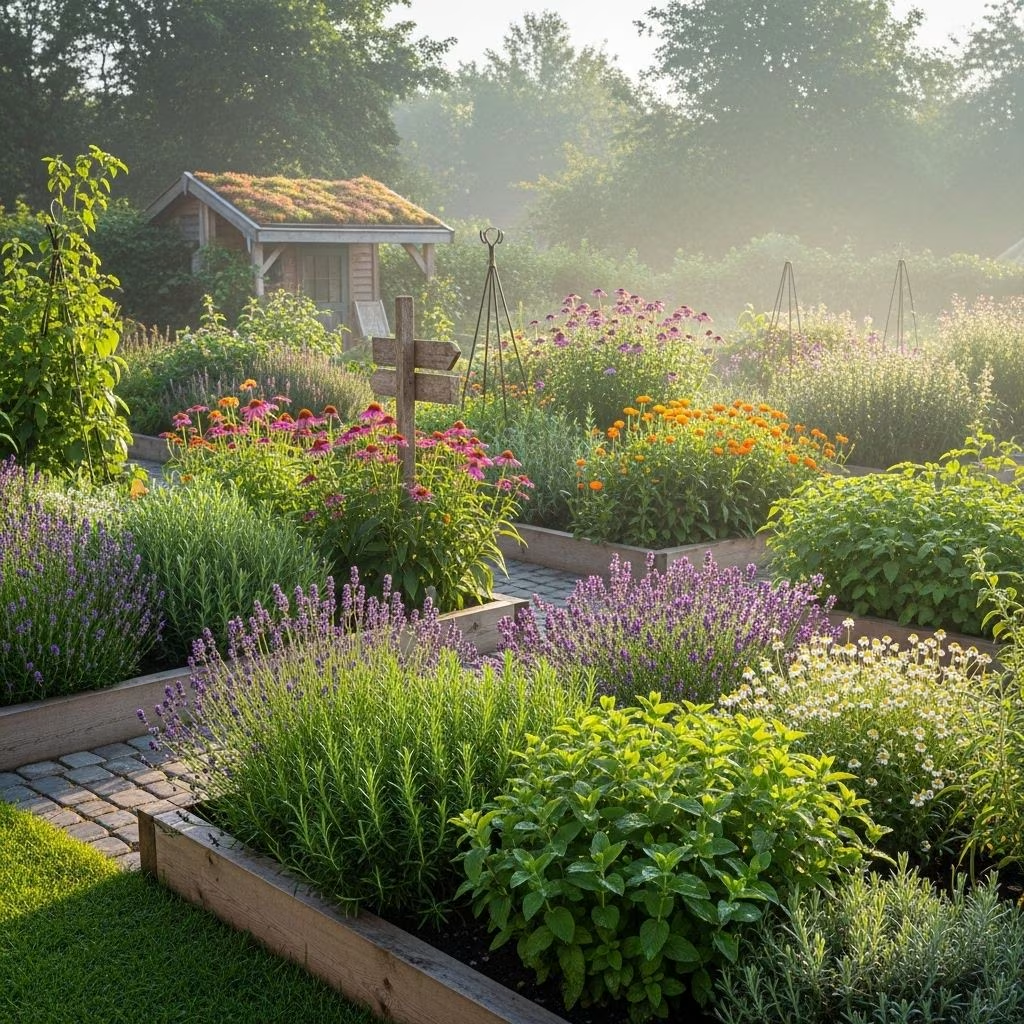
Introduction to Herbal Apothecary Gardens
Herbal apothecary gardens are living sanctuaries where ancient wisdom and the healing power of nature converge. Bringing the centuries-old tradition of cultivating medicinal plants for natural remedies into our modern spaces provides not just practical health benefits, but also a profound reconnection to the rhythms of the earth. Whether on a small balcony or across a sprawling backyard, anyone can embark on the path to self-reliance and wellness by designing their own apothecary garden.
What is an Apothecary Garden?
An apothecary garden is a carefully curated space devoted to growing plants with medicinal properties. Historically essential to monasteries, villages, and early hospitals, these gardens supplied the raw materials for salves, teas, tinctures, and balms used to treat common ailments.
- Historical Roots: Central to traditional healing systems across the world, from European monasteries to Native American medicine wheels.
- Modern Revival: Now found in community gardens, urban spaces, and private homes as part of a holistic wellness approach.
- Practical and Spiritual Benefits: Offer remedies for sleep, stress, digestion, and immunity while fostering a mindful relationship with nature.
The Value of Herbal Medicine
Plant-based medicine blends folk wisdom with modern science. While many herbs are now supported by clinical research, others are backed by centuries of safe, traditional use. Herbal medicine is not a substitute for professional care in serious illness, but it can form a powerful foundation for everyday health maintenance.
- Holistic Wellness: Herbs gently support body systems and work best as part of a balanced lifestyle.
- Caution: Always consider possible side effects or interactions, especially for pregnant individuals, those who are breastfeeding, or people with chronic conditions.
- Personal Empowerment: Learning about and growing medicinal herbs encourages self-sufficiency and deeper health awareness.
Planning Your Herbal Apothecary Garden
Thoughtful design is the first step toward a productive and beautiful apothecary garden. Consider your climate, available space, and specific wellness needs before choosing which herbs to plant.
Step-by-Step Guide to Starting Your Apothecary Garden
- Choose Your Space
- Full-sun beds, raised planters, or windowsill containers all work.
- Ensure access to water and healthy soil.
- Identify Health Goals
- Stress relief, immune support, digestive aid, sleep improvement, or skin health.
- Select Complementary Plants
- Start with 3–5 easy-to-grow, multi-purpose herbs.
- Add more varieties as your confidence grows.
- Consider Layout and Design
- Mix blooming and leafy herbs for color and habitat value.
- Group herbs with similar water and light needs.
- Plant and Nurture
- Sow from seed or purchase healthy seedlings.
- Water, weed, and harvest regularly for optimal growth.
Essential Medicinal Herbs for Beginners
Begin with a small selection of reliable, versatile, and safe herbs. These plants thrive in most home gardens and offer a broad range of natural remedies for daily wellness challenges.
| Herb | Main Benefits | Ideal Uses | Precautions |
|---|---|---|---|
| Chamomile | Calms nerves, aids sleep, soothes digestion | Teas, facial steams, compresses | Avoid if allergic to ragweed |
| Lavender | Reduces anxiety, promotes relaxation, skin healing | Infused oils, aromatherapy, teas | Undiluted oil can be irritating |
| Peppermint | Eases headaches, soothes digestion, invigorates senses | Tea, balms, homemade cough syrups | May aggravate acid reflux |
| Calendula | Anti-inflammatory, supports skin healing, immune support | Salves, infused oils, teas | Rare allergic reactions possible |
| Lemon Balm | Reduces anxiety, improves sleep, antiviral | Teas, topical balms | Avoid in large amounts during pregnancy |
| Echinacea | Immune system support, assists in colds | Tinctures, teas, syrups | Short-term use recommended |
Expanding Your Apothecary: Additional Healing Herbs
- Yarrow (Achillea millefolium): Stops bleeding, accelerates wound healing, relieves inflammation.
- Motherwort (Leonurus cardiaca): Calms anxiety, supports heart health.
- Passionflower (Passiflora incarnata): Eases insomnia and nervous tension.
- Spilanthes (Acmella oleracea): Oral pain relief, immune support.
- Lemon Verbena (Aloysia citrodora): Soothing, flavor-rich herb for teas.
- Pineapple Sage (Salvia elegans): Calming, useful for culinary and medicinal teas.
How to Use Homegrown Medicinal Herbs
Cultivating herbs is only the beginning—knowing how to transform them into effective remedies is equally important. Simple methods can unlock each plant’s healing gifts.
Common Home Apothecary Preparations
- Infusions/Teas: Steep fresh or dried leaves and flowers for a calming drink.
- Salves and Balms: Blend infused herbal oils with beeswax for topical application.
- Tinctures: Extract herbs in alcohol or glycerin for long-lasting, potent solutions.
- Syrups: Combine water-based infusions with honey for immune and cough remedies.
- Compresses: Apply soaked cloths to the skin for targeted relief.
- Essential Oils: Distill for concentrated extracts (specialized technique, use with caution).
Tips for a Successful Medicinal Garden
- Start Small: Grow 3–5 herbs you’ll use often.
- Label Clearly: Mark each plant to prevent mix-ups.
- Practice Organic Gardening: Avoid pesticides and chemicals in your wellness garden.
- Harvest Properly: Pick flowers and leaves at their peak for maximum potency.
- Preserve Surpluses: Dry, freeze, or infuse surplus harvests for year-round use.
- Record Your Experience: Keep a gardening journal of what works for you and your family.
- Respect Plant Potency: Use herbs with care, and consult with a professional if uncertain.
Design Styles for Apothecary Gardens
- Traditional Monastic Layout: Rectilinear beds, clear pathways, grouped by use.
- Cottage-Style Mixes: Intertwining culinary and medicinal herbs with edible flowers.
- Container Collections: Ideal for patios or urban dwellings; easy to move and manage.
- Pollinator-Focused: Choose herbs that attract bees and butterflies, enhancing garden health overall.
Environmental and Community Benefits
- Promote Biodiversity: Diverse plantings attract pollinators and beneficial insects.
- Natural Pest Resistance: Many aromatic herbs repel pests naturally.
- Enhance Soil Fertility: Deep-rooted herbs improve soil structure and nutrient cycling.
- Fostering Community: Share harvested remedies or seedlings with friends and neighbors.
Sample Herb Combinations & Seasonal Suggestions
| Combo | Purpose | Season |
|---|---|---|
| Chamomile, Lavender, Lemon Balm | Stress relief & sleep | Spring to Autumn |
| Peppermint, Yarrow, Calendula | Digestive care & skin support | Summer |
| Echinacea, Thyme, Sage | Immune boosting & respiratory | Late Summer to Fall |
Cautions and Considerations
- Pregnancy & Chronic Illness: Some herbs are contraindicated for specific conditions—always research and consult experts.
- Allergies: Perform patch tests with new herbal preparations and start with small doses.
- Interactions: Check for interactions with prescription medications before use.
- Children & Pets: Store dried and prepared medicines safely out of reach.
Frequently Asked Questions (FAQs)
Q: What herbs are best for a beginner’s apothecary garden?
A: Choose easy-to-grow options such as chamomile, lavender, peppermint, calendula, and lemon balm. These are multipurpose and thrive in varied conditions.
Q: Can apothecary gardens be grown indoors or in small spaces?
A: Yes! Windowsills, balconies, and patio containers are all suitable, especially for compact herbs like basil, thyme, and mint. Ensure adequate sunlight and drainage.
Q: How can I safely use the herbs I grow?
A: Always research each herb’s preparation and recommended dosage. Start with teas and simple infusions, and consult a healthcare practitioner for internal use or if you take medications.
Q: What if I’m concerned about allergies or side effects?
A: Test new preparations in small amounts and avoid plants in families you have known sensitivities to (e.g., ragweed allergy and chamomile).
Q: Do I need special gardening skills to succeed?
A: No prior experience is necessary—start small, pay attention to plant needs, and enjoy the learning process. Nature is forgiving and herbs are generally resilient.
Resources for Further Learning
- Books: “Grow Your Own Herbal Remedies,” “Medicinal Herbs: A Beginner’s Guide,” and “The Essential Herbal for Natural Health.”
- Gardening organizations: Local botanical gardens and herbalist workshops.
- Online guides: Reputable sources like university extension offices and herbal associations.
Closing Thoughts
Planting an apothecary garden is an invitation to slow down, observe, and nurture both the earth and body. With each new season, your herbal knowledge and wellness will expand. Whether you’re crafting a chamomile tisane or preparing a calendula salve, your garden becomes a living pharmacy that empowers you to take charge of your own health, sustainably and naturally.
References
- https://learn.eartheasy.com/guides/how-to-grow-your-own-apothecary-garden/
- https://survivalgardenseeds.com/products/ultimate-medicinal-herb-collection-36
- https://www.youtube.com/watch?v=BZw7ZmE-0Vc
- https://barebonesliving.com/blogs/gardening-foraging/the-essential-apothecary-garden
- https://chestnutherbs.com/the-top-ten-medicinal-herbs-for-the-garden/
- https://www.nybg.org/blogs/plant-talk/2019/06/from-the-library/herbalism-in-the-garden/
- https://www.nlm.nih.gov/about/herbgarden/list.html
- https://www.stthomas.edu/_media-library/_documents/sustainable-communities-partnership/garden-apothecary-compressed-stthomas.pdf


