


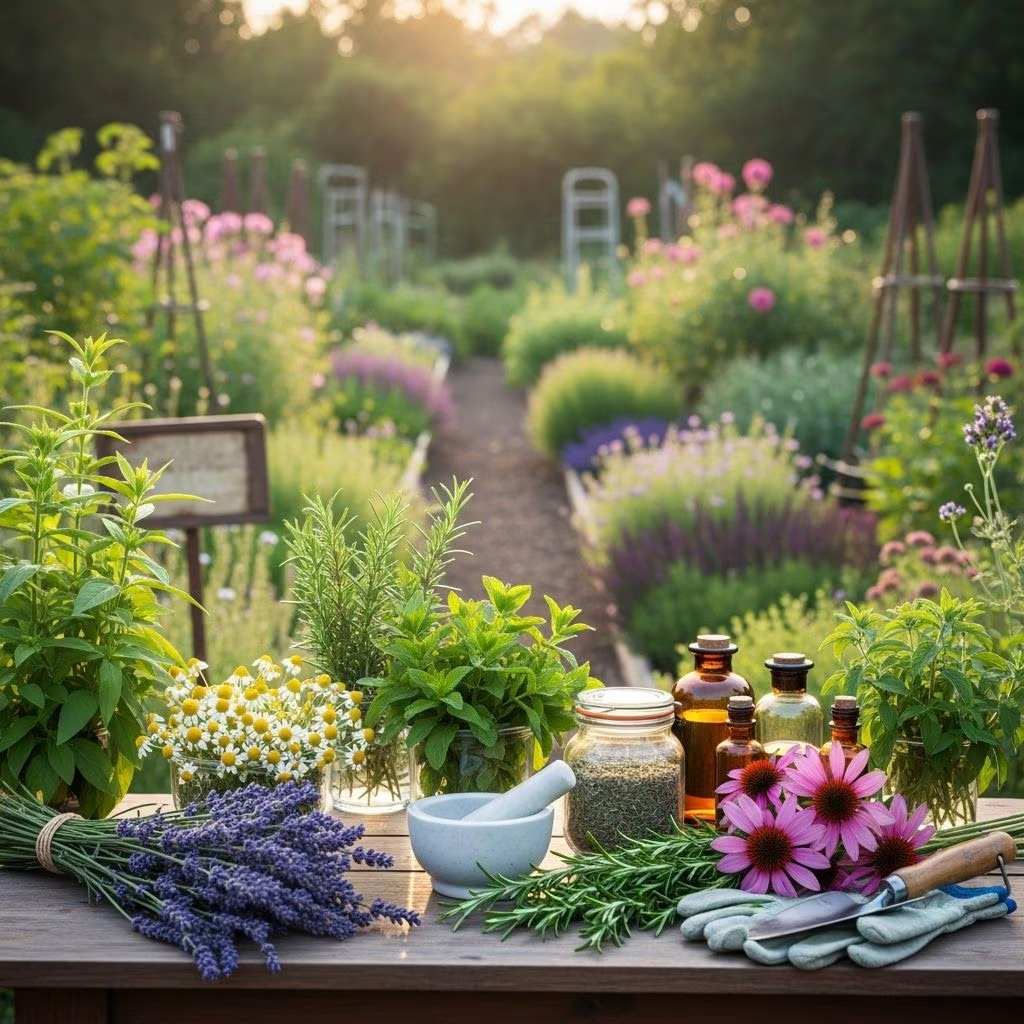
Herbal Apothecary Gardens for Natural Remedies
Home apothecary gardens are experiencing a profound revival, as more people look to the land not only for food, but also for healing. These intentional gardens, once the heart of monastic medicine and folk healing, now offer families and communities a vibrant, hands-on way to support everyday wellness. With a thoughtful selection of medicinal herbs, you can turn even a small yard, balcony, or window box into a lush oasis for natural remedies, connecting tradition, nature, and modern health needs.
What is an Apothecary Garden?
An apothecary garden—sometimes called a physic garden—is a cultivated space dedicated to medicinal plants and herbs valued for their healing properties. Historically, these gardens were integral to monasteries and village healers, providing natural cures long before modern pharmaceuticals. Today, the concept has returned with a focus on sustainable health, homegrown wellness, and a deeper relationship with the natural world.
Apothecary gardens are:
- Spaces for growing plants used in teas, tinctures, salves, and home remedies
- Opportunities to learn about traditional and modern herbal medicine
- Sources of beauty, biodiversity, and self-sufficiency
- Oases for contemplation, observation, and stewardship of health and environment
Why Grow Your Own Apothecary Garden?
Building an apothecary garden at home offers distinct advantages:
- Fresh, potent herbs available throughout the seasons
- Opportunity to know and control how your remedies are grown
- Personalized selection of plants that suit your family’s health needs
- Learning and connecting with the cycles of nature
- Potential for sharing remedies and knowledge with friends and community
Moreover, there is something deeply fulfilling about nurturing plants that support well-being, and about using your hands—and your garden—to tend both body and soul.
Foundations: Understanding Plant Medicine
Herbs have been used for healing for centuries, but plant medicine is a broad, nuanced field. Some herbal remedies boast hard scientific research, while others are supported mainly by generational wisdom and anecdotal evidence. Using herbs for wellness can be empowering, but it is never a replacement for professional medical care when it is needed.
As you explore herbal remedies:
- Recognize that herbs can interact with medications and may have contraindications for pregnancy, lactation, or specific health conditions
- Use plant medicine as part of a holistic approach — including diet, exercise, rest, and emotional health
- Consult credible herbals, scientific studies, or health professionals for reliable guidance
- Maintain respect for both the power and the subtlety of plants
Choosing Plants for Your Apothecary Garden
When designing your apothecary garden, start with a selection of well-known, easy-to-grow herbs that thrive in your climate and match your wellness goals. Ask yourself:
- What health needs are common in my household? (digestive support, sleep, stress, minor injuries, colds, etc.)
- What herbs are suited to my growing conditions? (sun, soil, space)
- Which remedies am I most likely to use: teas, poultices, tinctures?
As you gain experience, you can gradually expand your selection to include specialized or less common botanicals. Before planting or harvesting any herb for medicinal use, thoroughly research its properties, safe use, and possible side effects.
Safety Considerations
- Some herbs are not safe for everyone — especially during pregnancy, breastfeeding, or while on medication. When in doubt, ask a trusted healthcare provider.
- Identify plants clearly. Never ingest or apply a plant unless you are certain of its identification and safety.
- Start with small doses when trying new remedies. Observe for any allergic or adverse reaction, especially if you have known sensitivities (for example, to plants in the daisy family).
Essential Herbs for the Apothecary Garden
Here are classic, beginner-friendly herbs for your first apothecary garden, loved for both their healing uses and their beauty:
| Herb | Medicinal Properties | Common Uses | Growing Tips |
|---|---|---|---|
| Chamomile | Calming, digestive aid, skin healing, anti-inflammatory | Teas for relaxation and GI comfort, compresses for skin | Annual; likes sun, tolerates poor soil; easy to grow from seed |
| Lavender | Stress relief, anxiety reduction, antiseptic, skin soothing | Teas, balms, salves, aromatherapy, culinary uses | Perennial; needs full sun, well-drained soil; drought-tolerant |
| Peppermint | Digestive, antispasmodic, cooling, mild pain relief | Teas for indigestion, headache compresses, steam inhalation | Vigorous perennial; best in pots to contain spreading |
| Calendula | Wound healing, antifungal, anti-inflammatory | Salves, creams, teas for skin or mouth, culinary petals | Annual; easy to grow, prefers sun, reseeds readily |
| Echinacea | Immune support, antiviral, wound healing | Teas, tinctures, immune-boosting formulas | Perennial; loves sun, drought-tolerant, attracts pollinators |
| Lemon Balm | Nervine (calming), antiviral, digestive, sleep aid | Teas for relaxation, infusions, balms for cold sores | Perennial; grows best in part shade, can spread rapidly |
| Yarrow | Anti-inflammatory, wound healing, fever remedy | Compresses for cuts, teas for fever or cramp relief | Native perennial; tough, drought-resistant |
Other Notable Beginner Herbs
- Thyme – Antiseptic, wonderful for coughs and sore throats
- Lemon Verbena – Uplifting in teas, aids mild digestive complaints
- Pineapple Sage – Attractive to pollinators; aromatic and flavorful in drinks
Planning and Designing Your Apothecary Garden
Every apothecary garden will reflect its gardener’s needs, space, and imagination. Whether you have a sprawling yard or a single patio container, thoughtful design maximizes both plant health and your own enjoyment.
Steps to Plan Your Garden
- Assess Your Space: Note how much sun, shade, and moisture your site receives. Most herbs love at least 6 hours of sunlight.
- Choose Your Layout: Create raised beds, dedicated borders, or a pot arrangement. Leave pathways for harvesting and observe plant heights so all receive adequate light.
- Group by Needs: Place plants with similar sunlight and watering requirements together. Vigorous spreaders like mints do best contained in pots or edges.
- Plan for Succession: Stagger planting for continuous blooms and harvests.
- Add Features: Small benches, stepping stones, bird baths, or artistic markers add beauty and function to your healing space.
Essential Tips for Growing Medicinal Herbs
- Start small: Focus on a manageable handful of herbs and expand as you gain confidence.
- Choose quality seeds or plants from reputable suppliers. Consider organic for maximum purity.
- Feed the soil: Use compost and natural mulches to nurture healthy, vibrant plants.
- Avoid synthetic chemicals which may compromise the medicinal value of your herbs.
- Harvest carefully: Learn which plant parts to use (leaves, flowers, roots) and harvest them at their peak for potency.
- Dry and store herbs properly: Air-drying in a dark, well-ventilated space preserves color, aroma, and beneficial compounds.
Making and Using Herbal Remedies
Once your garden is growing, the fun truly begins! You can prepare a range of simple, safe remedies from fresh or dried herbs:
- Teas (Infusions) – Steep 1–2 teaspoons of dried herb per cup of boiling water, covered for 5–15 minutes.
- Tinctures – Preserve herbs in alcohol or glycerin for more concentrated extracts (seek instructions for safe preparation).
- Salves and Balms – Infuse herbs in oil, then combine with beeswax for skin-healing ointments.
- Compresses and Poultices – Apply fresh or steeped herbs directly to skin to soothe minor wounds.
- Aromatherapy – Fresh bundles of flowers or leaves can be used for uplifting or calming scents.
Popular Home Remedies
- Chamomile tea for sleep and digestion
- Lavender oil diluted in carrier oil as a skin soother
- Calendula salve for chapped hands and minor cuts
- Peppermint tea to calm digestive discomfort
- Lemon balm infusions to ease mild anxiety and lift mood
Always label and date your homemade remedies. Store them in a cool, dark place, and check for spoilage before use. Introduce new remedies one at a time and observe your body’s response.
Stewardship and Sustainability
Cultivating an apothecary garden extends beyond personal health: it encourages stewardship of the land and a commitment to sustainability. When you grow your own herbs:
- You support biodiversity by attracting pollinators and preserving heirloom plant varieties
- You reduce reliance on commercial herb sources, often imported unsustainably
- Organic practices protect beneficial insects, soil life, and water quality
- Sustainable gathering and respectful harvesting ensure plenty for future seasons
Frequently Asked Questions (FAQs)
What is the difference between an apothecary garden and a culinary herb garden?
While many herbs are both culinary and medicinal (such as thyme or mint), an apothecary garden includes plants chosen primarily for their health-supporting properties, and will often include varieties not typically used in cooking, such as echinacea, calendula, or motherwort. Still, there is meaningful overlap, and many gardeners combine both purposes in one space.
Can I grow an apothecary garden in containers?
Yes! Most medicinal herbs thrive in pots or window boxes if given adequate light, water, and drainage. Containers are especially helpful for containing vigorous spreaders like mint, lemon balm, or comfrey, and allow for flexible placement in small spaces.
Are herbal remedies safe for everyone?
While many herbs are gentle and time-tested, not all are safe for everyone. Some botanicals may interact with medications or be unsuitable for young children, pregnant or nursing individuals, or those with certain health issues. Research thoroughly and consult with a knowledgeable health provider, especially if you have underlying conditions.
How should I store and preserve harvested herbs?
Air-drying in bundles or on racks is the easiest and most effective way to preserve most herbs. Store dried material in airtight containers, away from light and humidity, to retain color and potency. Always label with name and harvest date.
What’s a simple first remedy to make from my apothecary garden?
A classic starting point is a herbal tea (infusion). For example, brew a cup of fresh lemon balm or chamomile for calming nerves and aiding digestion. Simply steep one to two teaspoons of herbs in freshly boiled water, cover, and let stand for 5–10 minutes before straining.
Final Thoughts: Modern Apothecary Wisdom
Connecting with medicinal plants in your own garden is a powerful act of self-care and environmental stewardship. As you plant, tend, harvest, and prepare your remedies, you join a lineage of healers, gardeners, and herbalists that stretches far into history. Start small, stay curious, and let your apothecary garden be a living classroom—one that teaches about wellness, ecology, and wonder with every new sprig and blossom.
References
- https://learn.eartheasy.com/guides/how-to-grow-your-own-apothecary-garden/
- https://www.youtube.com/watch?v=BZw7ZmE-0Vc
- https://barebonesliving.com/blogs/gardening-foraging/the-essential-apothecary-garden
- https://chestnutherbs.com/the-top-ten-medicinal-herbs-for-the-garden/
- https://www.nybg.org/blogs/plant-talk/2019/06/from-the-library/herbalism-in-the-garden/
- https://www.nlm.nih.gov/about/herbgarden/list.html
- https://www.lushanddew.com/products/the-forgotten-apothegary-seed-chest-40-varieties-of-medicinal-herb-seeds
- https://www.youtube.com/watch?v=_GqJMCEwJuQ


