


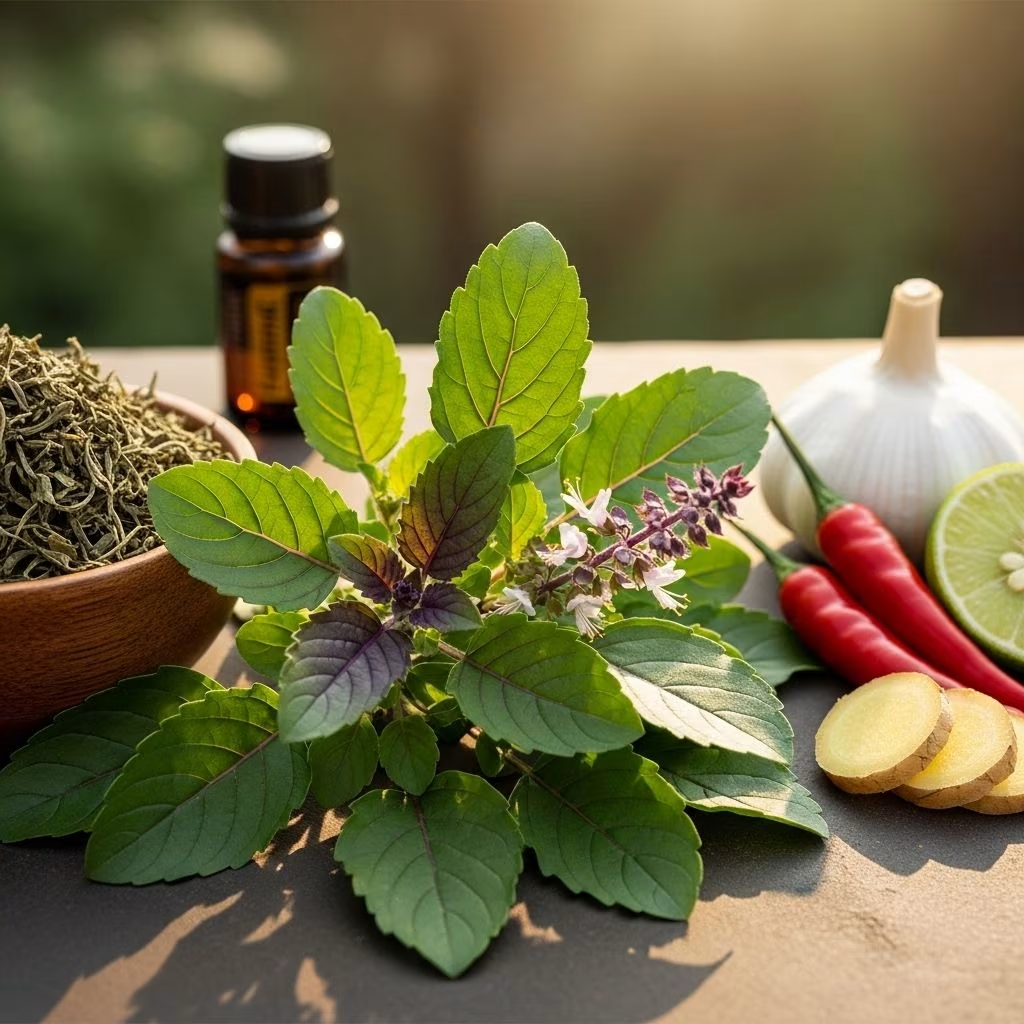
Introduction to Holy Basil
Holy Basil, scientifically known as Ocimum tenuiflorum and commonly called Tulsi in South Asia, is a revered herb with a rich legacy in both culinary and medicinal traditions. Unlike the familiar sweet basil used in Italian cuisine, Holy Basil stands out for its unique flavor, aroma, and adaptogenic properties, making it a staple in Ayurvedic medicine and a beloved ingredient in Asian kitchens.
Historically, Holy Basil has been associated with spiritual significance, health, and purity, often grown in households and temples across India. Its widespread use in both food and herbal remedies highlights its versatility and enduring popularity.
Holy Basil Flavor Profile
The flavor of Holy Basil is complex and distinct from common basil varieties. It is often described as intensely peppery, with prominent notes of mint, clove, and a subtle licorice or anise undertone. Some varieties also hint at camphor, while others may have astringent, sweet, or citrusy characteristics. The aroma can be reminiscent of coffee and chocolate in certain cultivars, adding depth to both food and beverages.
This unique flavor profile makes Holy Basil a dynamic ingredient, capable of enhancing a wide range of dishes with its warm, aromatic, and slightly spicy taste. Depending on the variety, the sweetness, spiciness, and overall intensity can vary, offering chefs and home cooks a spectrum of culinary possibilities.
Types and Varieties of Holy Basil
Holy Basil comes in several varieties, each with subtle differences in appearance, flavor, and growing conditions. The most notable types include:
- Rama Tulsi: Known for its green leaves, cooling taste, and strong fragrance. It thrives in cooler climates and requires more water and fertilization than other types.
- Krishna Tulsi: Distinguished by its purple-tinged leaves and a more pungent flavor, often used in religious rituals and traditional medicine.
- Vana Tulsi: A wild variety with a lighter, more citrusy flavor, commonly found in forests and natural habitats.
- Kapoor Tulsi: Compact, bushy, and quick-growing, this variety is noted for its coffee-and-chocolate aroma and mild spice.
Each variety offers unique sensory experiences and health benefits, making Holy Basil a versatile herb for both kitchen and wellness applications.
Holy Basil vs. Regular Basil
Although both belong to the Ocimum genus, Holy Basil and common basil (such as Genovese or Sweet Basil) are distinctly different in flavor, appearance, and use.
| Feature | Holy Basil (Ocimum tenuiflorum) | Regular Basil (Ocimum basilicum) |
|---|---|---|
| Flavor | Peppery, minty, clove-like, sometimes astringent or camphoraceous | Sweet, anise-like, mildly peppery, sometimes minty |
| Aroma | Intense, sometimes coffee or chocolate notes | Fresh, herbal, sometimes floral |
| Leaf Appearance | Smaller, serrated edges, purple veins, slightly fuzzy | Larger, smooth edges, vibrant green or purple |
| Flowers | White, clustered in small whorls | Purple, pink, or white, in spikes |
| Culinary Use | Indian and Thai cuisine, teas, medicinal infusions | Italian and Mediterranean dishes, pesto, salads, sauces |
| Medicinal Value | Adaptogenic, stress-relief, immune support, anti-inflammatory | Antioxidant, digestive aid, mild stress relief |
The differences between the two herbs are significant enough that one cannot be directly substituted for the other in recipes without altering the dish’s intended flavor profile.
Culinary Uses of Holy Basil
Holy Basil is a cornerstone of Asian cuisines, particularly in Thai and Indian cooking. Its robust flavor holds up well in hot, spicy, and aromatic dishes. Here are some common culinary applications:
- Stir-Fries and Curries: Holy Basil is a key ingredient in Thai dishes like Pad Krapow (holy basil stir-fry), where its peppery notes complement chilies, garlic, and meat.
- Soups and Broths: Added towards the end of cooking, it infuses soups with warmth and complexity.
- Teas and Infusions: Fresh or dried leaves are steeped to make a soothing, aromatic tea, often consumed for its health benefits.
- Salads and Chutneys: Chopped Holy Basil leaves add a fresh, spicy kick to salads and traditional Indian chutneys.
- Seasoning: Fresh leaves are used as garnish or blended into spice pastes for marinades and rubs.
Due to its bold flavor, Holy Basil is usually added at the end of cooking to preserve its aroma and taste. It can also be used in both fresh and dried forms, though fresh leaves are preferred for maximum flavor impact.
Medicinal Uses and Health Benefits
Holy Basil has been celebrated in Ayurveda for centuries as a powerful adaptogen—helping the body resist and recover from stress. Its medicinal properties include:
- Stress Relief: Holy Basil is known to reduce cortisol levels, promoting mental clarity and relaxation.
- Anti-inflammatory: It contains compounds that help reduce inflammation in the body.
- Immune Support: Regular consumption may help strengthen the immune system, thanks to its antimicrobial and antiviral properties.
- Digestive Health: Holy Basil tea is traditionally used to soothe stomach discomfort and improve digestion.
- Respiratory Support: It is sometimes used to relieve symptoms of colds, coughs, and respiratory infections.
Beyond these, Holy Basil is also being studied for its potential in blood sugar regulation, cardiovascular health, and even as an adjunct in cancer therapy, though more research is needed in these areas.
Nutritional Facts
Holy Basil is a nutrient-dense herb, providing a variety of vitamins, minerals, and phytonutrients essential for health and wellness. Key nutritional components include:
- Vitamins: High in vitamins A, C, and K, which support vision, immunity, and blood clotting.
- Minerals: Rich in iron, calcium, zinc, manganese, and phosphorus, contributing to bone health, metabolism, and overall vitality.
- Antioxidants: Contains flavonoids and essential oils that help combat oxidative stress and inflammation.
Regular inclusion of Holy Basil in the diet can contribute to a balanced intake of micronutrients and bioactive compounds with systemic benefits.
Growing and Storing Holy Basil
Holy Basil is relatively easy to grow and maintain, making it accessible for home gardeners:
- Growing Conditions: Prefers full sun, well-drained soil, and regular watering. Most varieties mature in 60–70 days.
- Planting: Can be grown from seeds or cuttings. Best started indoors in cooler climates and transplanted after the last frost.
- Harvesting: Leaves can be picked as needed. Pinching off flowers can encourage bushier growth.
- Storage: Fresh leaves can be stored in the refrigerator for up to a week, wrapped in a damp paper towel. For long-term use, leaves can be dried or frozen.
Growing Holy Basil not only ensures a fresh supply for culinary and medicinal use but also adds ornamental value to gardens and windowsills with its vibrant foliage and delicate flowers.
Easy Substitutes for Holy Basil
While Holy Basil’s unique flavor is hard to replicate exactly, several herbs can serve as substitutes in a pinch, especially in cooking. Here are the top options:
- Thai Basil: The closest substitute, offering a licorice-like flavor with peppery notes, though milder than Holy Basil.
- Italian Basil (Sweet Basil): Much sweeter and less spicy, but can work in some dishes if no other substitute is available.
- Mint: Provides a fresh, cooling element, though it lacks the spiciness and depth of Holy Basil.
- Oregano or Marjoram: Earthy and slightly bitter, these can add complexity in Mediterranean-inspired dishes.
- Combination of Basil and Mint: Mixing sweet basil with a small amount of mint can mimic some of Holy Basil’s layered flavors.
Keep in mind that while these substitutes can approximate the taste and aroma of Holy Basil, the final dish may have a different character. For medicinal purposes, real Holy Basil is irreplaceable due to its unique adaptogenic and bioactive properties.
Frequently Asked Questions (FAQs)
Is Holy Basil the same as regular basil?
No, Holy Basil (Ocimum tenuiflorum) and regular (sweet or Genovese) basil (Ocimum basilicum) are different species with distinct flavors, appearances, and uses. Holy Basil is spicier, more aromatic, and valued for its medicinal benefits, while regular basil is sweeter and commonly used in Italian cuisine.
Can I use regular basil instead of Holy Basil in Thai recipes?
Regular basil is much sweeter and less spicy, so it won’t provide the same flavor. Thai basil is a better substitute, though neither will perfectly replicate Holy Basil’s unique taste.
What are the health benefits of Holy Basil?
Holy Basil is known for its adaptogenic properties, helping the body manage stress, reduce inflammation, support immunity, and promote overall wellness. It is also used to aid digestion and relieve respiratory symptoms.
How do I store Holy Basil to keep it fresh?
Fresh Holy Basil leaves can be kept in the refrigerator, wrapped in a damp paper towel, for up to a week. For longer storage, dry the leaves or freeze them in airtight containers.
Where can I buy Holy Basil?
Holy Basil is available at Asian grocery stores, specialty herb shops, and online. You can also grow it easily from seeds or cuttings at home.
Are there different types of Holy Basil?
Yes, common varieties include Rama Tulsi, Krishna Tulsi, Vana Tulsi, and Kapoor Tulsi, each with unique flavors and aromas.
Conclusion
Holy Basil is a remarkable herb that stands out for its bold, complex flavor, extensive culinary applications, and profound health benefits. Whether used in traditional stir-fries, aromatic teas, or herbal remedies, it brings a distinct character and wellness boost that regular basil cannot match. While suitable substitutes exist for cooking, nothing truly replicates the unique combination of flavor, aroma, and medicinal power found in authentic Holy Basil. By understanding its varieties, uses, and alternatives, you can confidently incorporate this versatile herb into your kitchen and wellness routine.
References
- https://raisethemwell.com/blogs/news/is-holy-basil-the-same-as-basil-answered
- https://www.greenjeeva.com/blog/holy-basil-nutrition-facts-types-and-uses
- https://mortadellahead.com/basil-vs-holy-basil-how-are-they-different/
- https://www.theorganicharvest.com/product/basil-holy/
- https://www.motherearthliving.com/gardening/plant-profile/herb-profile-holy-basil-ze0z1607zfis/
- https://specialtyproduce.com/produce/Holy_Basil_10779.php
- https://www.mccormickfona.com/articles/2021/05/flavor-insight-tulsi
- https://growhoss.com/blogs/growing-guides/holy-basil


