


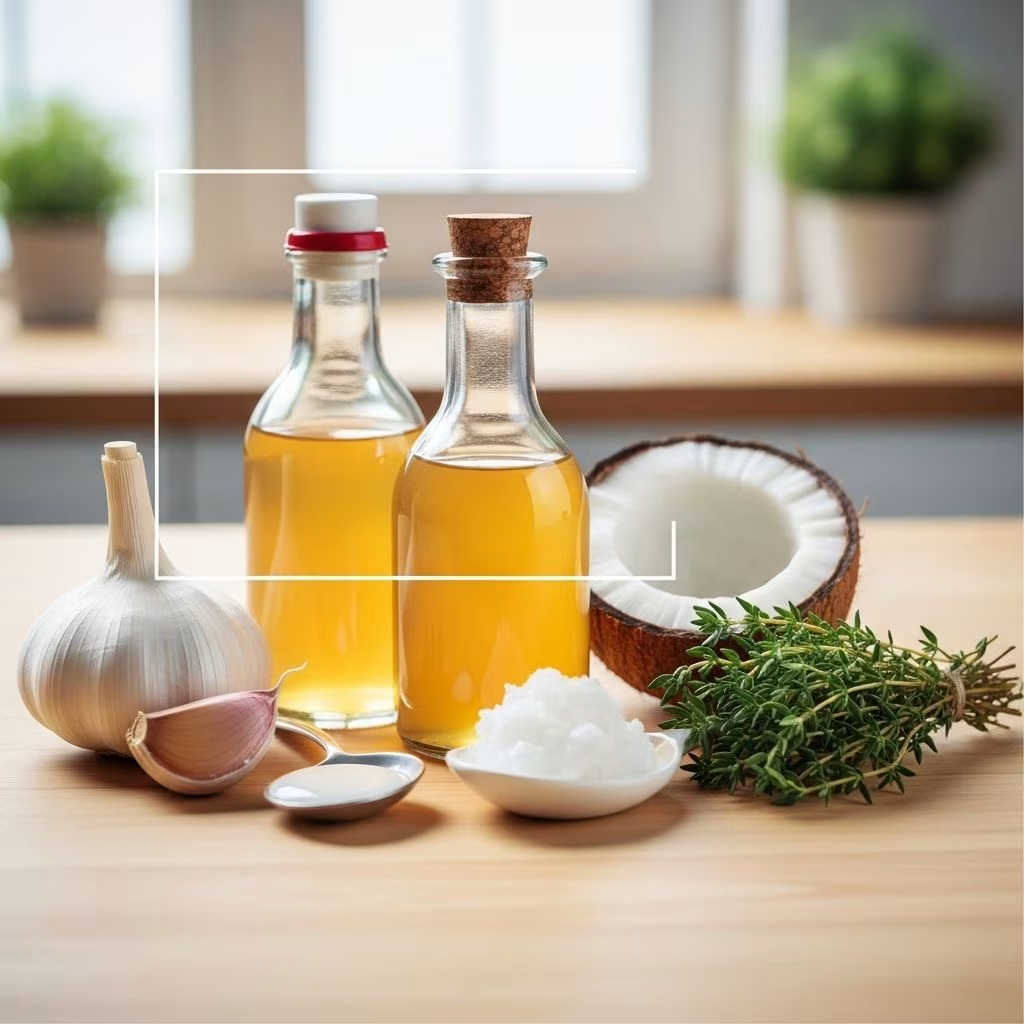
Pinworm infections (Enterobius vermicularis) are among the most common intestinal worm infections worldwide, particularly affecting children and their families. Though there is a well-established and effective medical treatment for pinworms, curiosity about home remedies for pinworms remains high. In this guide, we will thoroughly examine the popular home remedies, their scientific backing (or lack thereof), and provide practical advice for families facing pinworm infection.
Understanding Pinworms: Causes, Symptoms, and Transmission
Pinworms are tiny, white, thread-like worms that live in the colon and rectum of humans. They are the most common cause of worm infections in the United States and many other countries, especially among children and those in crowded living or institutional settings.
How Pinworms Spread
- Pinworm eggs are microscopic and are transmitted via the fecal-oral route—usually when contaminated hands, food, clothing, bedding, or surfaces are touched and then contact the mouth.
- The eggs can survive on surfaces for up to 2–3 weeks and are easily spread between household members, classmates, and caregivers.
Key Symptoms
- Itching around the anus (especially at night)
- Disturbed sleep and irritability
- Mild abdominal pain
- Occasionally, visible adult pinworms in the stool or around the anus
Serious complications are rare, but persistent or severe cases require professional evaluation.
Why Consider Home Remedies for Pinworms?
With the discomfort and stigma associated with pinworm infection, many individuals and families seek natural or home-based solutions, particularly when concerned about side effects from medications or when symptoms are mild. Common motivators include:
- Avoiding pharmaceutical drugs for young children or sensitive family members
- Desiring symptom relief while waiting for medication to take effect
- Seeking easy, accessible interventions during initial symptoms
However, it’s essential to understand home remedies are not a substitute for proven, effective medical therapy, especially considering pinworm’s high contagion and risk of reinfection.
Popular Home Remedies for Pinworm Infections
Various folk remedies for pinworms exist, passed down from cultures worldwide or popularized online and in traditional medicine circles. Here are some of the most frequently cited methods:
1. Raw Garlic
- Believed to kill pinworm eggs and prevent female worms from laying new eggs.
- Methods of use:
- Eating small amounts of raw, diced garlic (alone or mixed with food)
- Preparation of a garlic salve (combining crushed garlic with a carrier like petroleum jelly or oil), applied gently to the anal area
- Precautions: Can cause burning or irritation, especially on sensitive skin or if skin is broken, inflamed, or has hemorrhoids.
2. Coconut Oil
- Thought to have antibacterial and antiviral properties; some claim it helps clear pinworm infections.
- Methods of use:
- Swallowing one teaspoon of pure coconut oil each morning
- Applying a small amount to the anal area before bedtime
- Generally safe, but high intake is not recommended due to fat content.
3. Raw Carrots
- Fiber content is believed to help “push” worms out of the intestines.
- Suggested use: Eating a cup of shredded raw carrots once or twice daily.
- No harm in adding raw carrots to the diet, but scientific support is minimal.
4. Bitter Melon (Bitter Gourd)
- Used in Ayurveda and folk medicine for various worm infections.
- Suggested method: Juice extracted from the fruit (after removing the seeds) and taken in small portions multiple times a day for over a week.
- Bitter melon can interfere with some medications and may not be suitable for children.
5. Turmeric
- Traditionally used in India as an anti-infective herb.
- Consuming dry turmeric powder or preparing turmeric tea (small amount of turmeric in hot water, boiled for 5–10 minutes, consumed daily).
6. Kalmegh (Andrographis paniculata)
- Herb used in Ayurveda reputed to help with intestinal worms, including pinworms. Consumed as a paste or extract on an empty stomach.
7. Palasha Seeds (Butea monosperma)
- Seeds powdered and taken with castor oil before bed; said to expel worms.
8. Cherry Tomatoes
- Consuming cherry tomatoes with black pepper and a small amount of salt, eaten on an empty stomach, is claimed to help reduce worm load.
9. Parijat Flowers (Nyctanthes arbor-tristis)
- Consumed as a curry (especially in winter), believed to expel worms and wipe out eggs.
10. Brahmi (Bacopa monnieri)
- Used as an herbal extract taken on an empty stomach to kill pinworms.
Note: Most of these remedies are rooted in traditional or anecdotal practice rather than robust clinical evidence.
Scientific Evidence on the Effectiveness of Home Remedies
Medical consensus is clear: There is no strong scientific evidence that home remedies alone can effectively eradicate pinworm infection.
- Most home remedies may offer some symptomatic relief or support general digestive health, but are not a substitute for clinically proven interventions.
- Use of raw garlic, coconut oil, and other natural products is generally safe in moderate amounts for most people, but they do not guarantee removal of the infection.
- Medical treatment—typically a single dose of pyrantel pamoate (available over-the-counter) or other doctor-prescribed anti-helminthic medications—remains the gold standard.
Comparative Table: Home Remedies vs. Medical Treatment for Pinworms
| Approach | Effectiveness | Safety | Role |
|---|---|---|---|
| Raw Garlic | Anecdotal, not proven | May irritate skin, not for sensitive or broken skin | Symptom relief, possible support |
| Coconut Oil | Anecdotal, not proven | Generally safe, limit oral intake | Symptom relief, possible support |
| Raw Carrots / Dietary Fiber | No evidence for parasite cure | Generally safe | General digestive health |
| OTC/Prescribed Medication | High (clinically proven) | Safe when used as directed | Primary therapy |
Potential Risks and Cautions When Using Home Remedies
- Delaying Effective Treatment: Relying solely on home remedies can result in persistent discomfort and ongoing contagion.
- Allergic Reactions or Skin Irritation: Garlic and essential oils can irritate or burn sensitive skin.
- Misdiagnosis: Many conditions can mimic pinworm symptoms—consult a professional if symptoms persist or worsen.
- Safety in Children: Some herbs and remedies (e.g., bitter melon, palasha seeds, kalmegh) have not been adequately tested for safety in young children.
Medical Treatment: The Gold Standard
Pinworm infection is highly treatable using medications like:
- Pyrantel pamoate (available OTC in many countries)
- Mebendazole (prescription; not always available everywhere)
- Albendazole (prescription)
These medications are simple to use—a single dose is usually effective, with a second dose recommended after 2 weeks to eliminate surviving eggs. Treat all household members simultaneously to prevent reinfection.
Pinworm Prevention Tips for Families
- Thorough Hand Washing: Before meals, after using the toilet, and after handling potentially contaminated materials.
- Keep Fingernails Short and Clean: Discourages scratching and limits egg spread.
- Daily Morning Bathing: Removes eggs laid overnight.
- Change Underwear and Pajamas Daily: Hot water laundry is best.
- Frequent Cleaning of Bedding and Towels: Wash in hot water; avoid shaking linens.
- Disinfect Toilet Seats and Surfaces: Regularly clean areas that may harbor eggs.
When to See a Doctor
- Severe itching, pain, or rash develops in the anal or genital area
- Abdominal pain, weight loss, or blood in urine or stool
- Symptoms persist despite home or over-the-counter treatment
- Pinworm infection suspected in an infant, very young child, or someone with a weakened immune system
Always seek professional medical advice if you are unsure about a diagnosis or if your symptoms worsen after attempted home treatment.
Frequently Asked Questions (FAQs)
Q: Are home remedies safe for children?
A: Most food-based home remedies (like carrots or small amounts of garlic in diet) are safe for children. Topical use on sensitive skin or use of potent herbs should be avoided in children unless instructed by a healthcare professional.
Q: Can home remedies cure pinworm infection completely?
A: There is no scientific evidence to support the complete cure of pinworm infection from home remedies alone. Medication is almost always necessary for eradication.
Q: Who in the household should be treated?
A: Because pinworm is highly contagious, all household members should be treated at the same time, even if not all are showing symptoms.
Q: How can reinfection be prevented?
A: Practice strict hand hygiene, daily hot laundry of clothes and bed linens, daily bathing, and regular disinfection of surfaces. Clip nails short and discourage scratching.
Q: Are natural remedies useful as an addition to medical treatment?
A: Some home remedies may help soothe itching or discomfort, but they should always be used as a complement, not a replacement, for proven medication and medical advice.
Key Takeaways
- Home remedies like garlic, coconut oil, and dietary fiber may provide minor symptom relief but are not independently effective against pinworm infection.
- The best results are achieved by using FDA-approved medications while implementing strict hygiene and cleaning practices at home.
- If unsure or if symptoms persist, consult a healthcare provider before starting or continuing with home-based treatments.
References
- https://www.healthline.com/health/home-remedies-for-pinworms
- https://www.vinmec.com/eng/blog/any-tips-to-treat-pinworms-at-home-en
- https://pharmeasy.in/blog/home-remedies-for-pinworms/
- https://my.clevelandclinic.org/health/diseases/21137-pinworms
- https://www.mayoclinic.org/diseases-conditions/pinworm/diagnosis-treatment/drc-20376386
- https://myhealth.alberta.ca/Health/aftercareinformation/pages/conditions.aspx?hwid=ut3181
- https://www.healthdirect.gov.au/threadworms-pinworms


