


How to Reduce Puffy Eyes: Effective Anti-Aging Strategies and Remedies
Puffy under-eyes can instantly detract from a vibrant, youthful appearance. Whether your eye bags appear after a late night, due to allergies, or as a natural part of aging, the right approach can greatly minimize under-eye swelling. In this comprehensive guide, you’ll learn the causes of puffy eyes, proven remedies—from lifestyle fixes to home treatments—and expert-backed skincare tips to keep the areas around your eyes looking their best.
What Causes Puffy Eyes?
Understanding why your eyes get puffy is the first step toward preventing or treating the problem. The skin around the eyes is thin and delicate, making it more susceptible to changes in fluid balance, irritation, or allergies. Here are the most common causes:
- Aging: As we get older, the tissues and muscles supporting the eyelids weaken, leading to the accumulation of fluid (edema) and fatty deposits under the eyes.
- Lack of Sleep: Poor or insufficient sleep can cause fluid build-up and increased inflammation in the eye area.
- Allergies: Allergic reactions often result in itchy, watery, and swollen eyes due to histamine release.
- Dietary Habits: Eating salty foods can cause your body to retain water, especially in the face and under-eye area.
- Dehydration: Not drinking enough water can signal your body to hold onto whatever fluids it can, making puffiness worse.
- Genetics: Some individuals are simply more prone to under-eye puffiness due to hereditary factors.
- Hormonal Changes: Menstruation, pregnancy, or menopause sometimes result in increased fluid retention, leading to puffiness.
- Medical Conditions: Chronic puffiness, especially if accompanied by redness or pain, could indicate thyroid issues, kidney disease, or infection and should be evaluated by a medical professional.
Quick Fixes for Under-Eye Puffiness
For occasional swelling, a few simple strategies and remedies can quickly minimize under-eye inflammation. Most of these can be done at home with common items or pantry staples:
- Cold Compresses: Apply a cold, damp washcloth, chilled spoon, or ice pack (wrapped in a towel) to closed eyes for 10–15 minutes. Cold constricts blood vessels and reduces swelling.
- Cucumber Slices: Place chilled cucumber slices over your eyes for roughly 15 minutes. Cucumbers contain vitamin K and have a natural cooling effect, which helps calm the skin and reduce puffiness.
- Tea Bags: Chilled, steeped green, black, or oolong tea bags are effective courtesy of their caffeine content. Caffeine helps constrict blood vessels, reducing swelling and discoloration. Brew two tea bags, chill them, then place over your eyelids for 10 minutes.
- Gently Tap to Drain Fluids: Using your ring finger, lightly tap along the orbital bone from the inner to the outer corners to encourage lymphatic drainage.
- Elevate Your Head: Sleeping with an extra pillow can help prevent overnight fluid buildup under your eyes.
Lifestyle Tips to Prevent Puffiness
Preventing puffy eyes is often about establishing healthy routines. These strategies can make a noticeable difference if practiced consistently:
- Stay Hydrated: Drink plenty of water (at least eight 8-oz glasses daily) to naturally flush excess salt from your system, reducing water retention.
- Limit Salt and Processed Foods: High sodium intake encourages fluid retention. Opt for fresh, whole foods and minimize processed snacks.
- Avoid Excessive Alcohol: Alcohol dehydrates and dilates blood vessels, worsening puffiness. Limit intake and pair with water when you indulge.
- Follow a Balanced Diet: Emphasize foods rich in antioxidants (dark leafy greens, berries, citrus fruits) and healthy fats (avocado, salmon, nuts) for skin health and reduced inflammation.
- Practice Good Sleep Hygiene: Sleep 7–9 hours nightly, and establish a consistent bedtime routine. Elevated pillows may help limit overnight swelling.
- Manage Allergies: Use hypoallergenic bedding, keep windows closed during pollen season, and take doctor-recommended allergy medications.
- Protect Eyes from Environmental Aggressors: Wear sunglasses daily to shield the delicate skin from UV rays, wind, and pollution.
- Quit Smoking: Smoking accelerates skin aging and can worsen puffy-looking eyes.
Top Skincare Ingredients for Puffy Eyes
The right eye creams and serums can significantly improve under-eye appearance—especially when they feature evidence-backed active ingredients. Here is a summary of the most effective compounds based on clinical research and expert opinion:
| Ingredient | Key Benefits |
|---|---|
| Caffeine | Vasoconstricts blood vessels, supporting fluid drainage and reduction in swelling. Temporary effect but highly effective for instant de-puffing. |
| Vitamin C | Antioxidant that brightens skin, reduces pigmentation, and may minimize the look of puffiness and fine lines. |
| Vitamin E | Soothes and hydrates, offering antioxidant protection that can help calm inflammation-induced puffiness. |
| Retinol (Vitamin A derivative) | Encourages cell turnover, boosts collagen, and can soften wrinkles for a smoother under-eye appearance. |
| Peptides | Stimulate collagen for firmer skin, reducing sagging and the depth of eye bags. |
| Hyaluronic Acid | Deeply hydrates, plumps, and smoothes fine lines while reinforcing the skin’s barrier function. |
| Glycerin | Attracts water to the skin, delivering a dewy, well-moisturized look. |
| Niacinamide | Supports skin barrier health, reduces inflammation, and helps diminish wrinkles and hyperpigmentation. |
| Ceramides | Help rebuild and maintain the skin barrier, preventing dehydration and minimizing puffiness. |
| Aloe Vera, Cucumber Extract, Witch Hazel, Rose Petals | Hydrating and soothing botanicals that calm inflammation and refresh puffiness. |
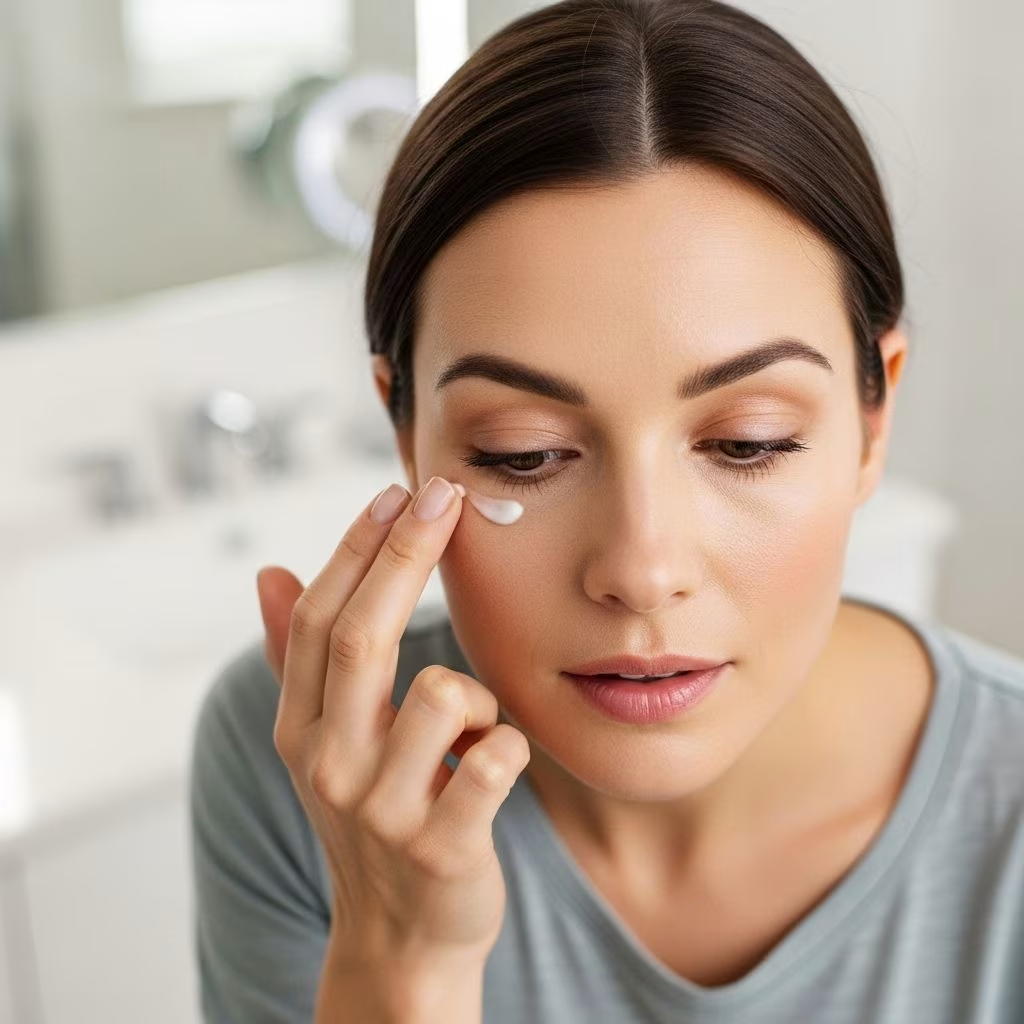
For best results, look for lightweight gels or creams formulated specifically for the eye area to avoid irritation and maximize penetration. Apply gently with your ring finger.
Long-Term Treatments for Chronic Puffiness
When lifestyle changes and topical remedies aren’t enough, consider these longer-term options, often performed with the guidance of a dermatologist or medical aesthetics specialist:
- Chemical Peels: Gentle peels formulated for the eye area can help with dark circles, texture, and mild puffiness by increasing cell turnover.
- Microneedling or Radiofrequency: These treatments aim to stimulate collagen production, making the skin firmer and more resilient.
- Lymphatic Drainage Massage: Professionally performed facial massage can promote fluid movement and reduce chronic puffiness.
- Injectables or Fillers: For some, under-eye hollowness is mistaken for puffiness. Hyaluronic acid fillers can help plump the area, making bags less pronounced.
- Surgery (Blepharoplasty): In severe cases, surgical removal or repositioning of fatty tissue under the eye may be required.
Note: Chronic puffiness may be due to genetics or underlying health conditions. Always consult a qualified healthcare provider if swelling persists, worsens, or is accompanied by pain or vision changes.
When to See a Doctor
Occasional puffiness is common, but there are situations where a professional evaluation is vital:
- Puffiness that doesn’t respond to home care or lifestyle changes
- Swelling accompanied by redness, pain, or changes in vision
- Symptoms such as sudden or severe swelling, fever, or discharge from the eyes
- History of thyroid, kidney, or severe allergy problems
Medical professionals can rule out infection, allergies, thyroid dysfunction, or other systemic issues and suggest advanced or prescription treatments if needed.
Frequently Asked Questions (FAQs)
Q: Can allergies cause persistent puffy eyes?
A: Yes. Allergies trigger the release of histamine, which increases swelling and fluid accumulation under and around the eyes. Managing allergies with medication, air purifiers, and hypoallergenic bedding can help reduce puffiness.
Q: Does sleeping face-down make eye bags worse?
A: Yes, sleeping face-down or flat can cause fluid to collect under the eyes. Elevating your head with an extra pillow encourages drainage and results in less morning swelling.
Q: Are expensive eye creams better than drugstore versions?
A: Not always. The effectiveness of an eye cream depends on its ingredients rather than the price. Look for proven actives like caffeine, peptides, and hyaluronic acid. Even affordable formulas can deliver great results if they are well-formulated.
Q: Can dehydration cause puffy eyes?
A: Yes. Dehydration signals your body to retain water, which may lead to swelling in the delicate under-eye area. Drinking enough fluids is crucial for reducing puffiness.
Q: Will quitting smoking help with my under-eye bags?
A: Absolutely. Smoking damages skin elasticity and accelerates aging, leading to more severe puffiness and sagging. Quitting can slow the process of skin aging and improve overall skin health around the eyes.
Final Tips for Bright, Youthful Eyes
To maintain youthful, energized eyes:
- Gently cleanse and remove makeup nightly to avoid irritation
- Use a daily sunscreen specifically formulated for the delicate eye area
- Practice regular eye massage or lymphatic drainage techniques
- Keep your skincare routine consistent and be patient—visible improvements take time
With a combination of prevention, targeted treatments, healthy habits, and high-impact ingredients, you can minimize under-eye puffiness and restore a refreshed, bright-eyed look at any age.
References
- https://www.antiagingbeautyzone.com/best-eye-treatment-for-under-eye-puffiness-this-worked-for-me.html
- https://www.antiagingbeautyzone.com/crepey-under-eye-causes-prevention.html
- https://pmc.ncbi.nlm.nih.gov/articles/PMC11175953/
- https://www.youtube.com/watch?v=BIaczALiPRM
- https://www.consumerreports.org/health/how-to-get-rid-of-bags-under-eyes-a1152802674/


