


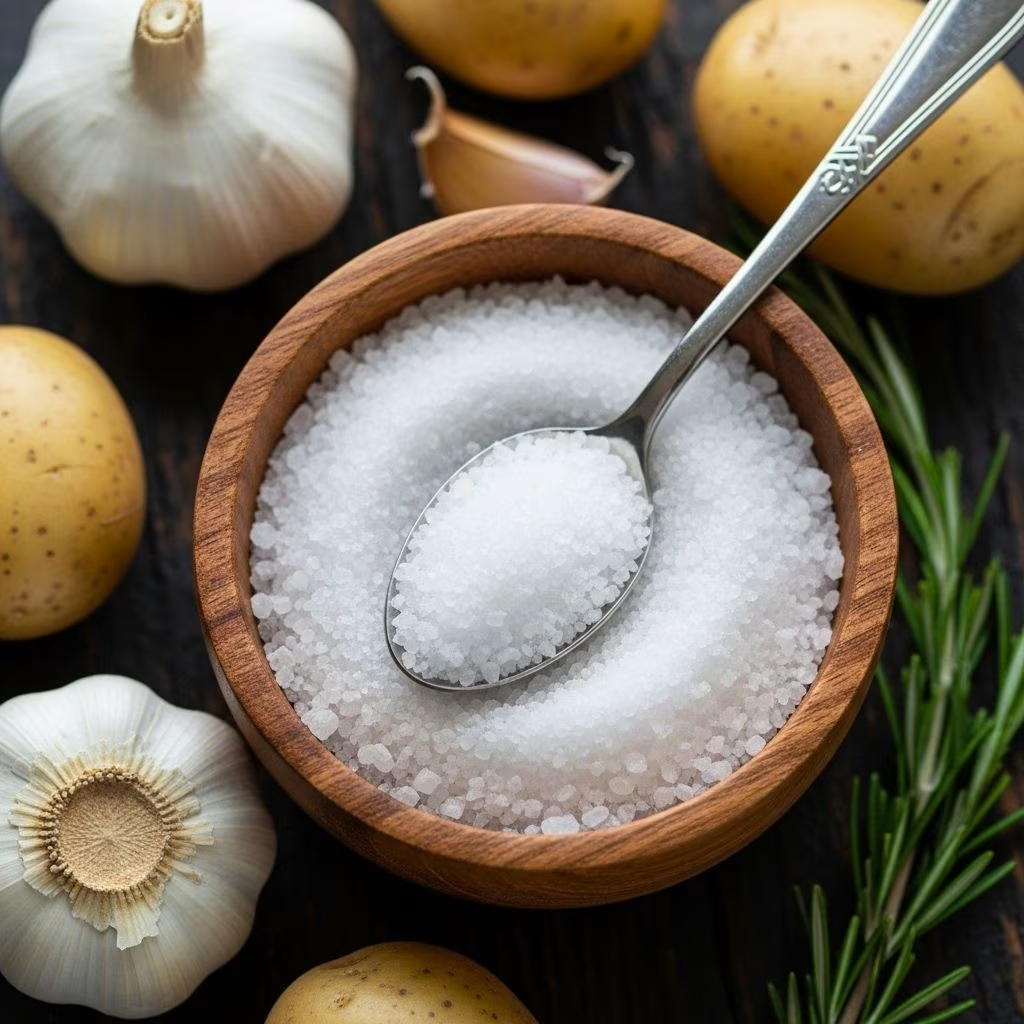
What Is Iodized Salt?
Iodized salt is ordinary table salt (sodium chloride) that has been fortified with small amounts of iodine salts, such as potassium iodide or sodium iodide. The primary purpose of this fortification is to prevent iodine deficiency, a global health issue that affects nearly two billion people and is a leading cause of preventable intellectual and developmental disabilities. The process involves spraying table salt with potassium iodate or another iodine compound, ensuring that people receive this essential micronutrient in their daily diet without much change to their eating habits.
History and Distribution
The introduction of iodized salt dates back to the early 20th century, when iodine deficiency was recognized as the cause of goiter (enlarged thyroid gland) and other disorders. Public health campaigns, especially in regions with low natural iodine levels, promoted the use of iodized salt as a cost-effective way to improve population health. Today, iodized salt is widely used in many countries, especially those where the natural iodine content in soil and water is low. This intervention has dramatically reduced the prevalence of iodine deficiency disorders (IDDs) in affected regions.
Health Benefits of Iodized Salt
Iodized salt offers several important health benefits due to the essential role iodine plays in the body. These benefits are particularly significant for vulnerable populations, including pregnant women, infants, and those living in iodine-deficient regions.
- Supports Thyroid Function: The thyroid gland uses iodine to produce hormones (triiodothyronine and thyroxine) that regulate metabolism, body temperature, heart rate, and blood pressure. Without enough iodine, the thyroid cannot function properly, leading to hypothyroidism or goiter.
- Prevents Intellectual and Developmental Disabilities: Iodine is particularly crucial during pregnancy and infancy for proper brain and bone development. Deficiency can cause cretinism, a condition characterized by severe mental and physical growth retardation.
- Protects Against Goiter: Goiter, an enlargement of the thyroid gland, is the most visible sign of iodine deficiency and can be prevented by regular intake of iodized salt.
- Supports a Healthy Pregnancy: Adequate iodine intake during pregnancy helps prevent miscarriage, stillbirth, and congenital abnormalities. It also reduces the risk of hypothyroidism, which can affect both mother and baby.
- Promotes Heart and Metabolic Health: Proper thyroid function, supported by iodine, helps maintain a healthy metabolism and cardiovascular system, reducing the risk of obesity and heart disease.
- Detoxification: Iodine has been shown to help the body eliminate certain heavy metals and may support immune function.
Sources of Iodine in the Diet
While iodized salt is a major source of dietary iodine, especially in regions with low soil iodine, other natural sources include seafood, dairy products, eggs, and grains. People who consume a varied diet rich in these foods may meet their iodine needs without relying solely on iodized salt.
| Food Source | Approximate Iodine Content |
|---|---|
| Iodized Salt (1/4 tsp) | 71 µg |
| Cod (3 oz) | 99 µg |
| Yogurt (1 cup) | 75 µg |
| Milk (1 cup) | 56 µg |
| Egg (1 large) | 24 µg |
Iodine Deficiency: Causes and Symptoms
Iodine deficiency remains a public health concern, especially in inland areas and regions with depleted soil iodine. The consequences are wide-ranging:
- Goiter: Enlargement of the thyroid gland, visible as a swelling in the neck.
- Hypothyroidism: Reduced thyroid hormone production, leading to fatigue, weight gain, dry skin, and sensitivity to cold.
- Cretinism: Severe mental and physical retardation in children born to iodine-deficient mothers.
- Impaired Cognitive Development: Lower IQ and learning difficulties in children.
- Pregnancy Complications: Increased risk of miscarriage, stillbirth, and congenital anomalies.
- Other Effects: Increased risk of fibrocystic breast disease, radiation-induced throat cancer, hair loss, and fatigue.
Recommended Daily Intake and Safety
The recommended daily intake of iodine varies by age and life stage. The upper limit for adults is 1,100 micrograms per day, but most people need much less—about 150 micrograms for adults and more for pregnant and lactating women. The amount of iodine in iodized salt is tightly regulated to prevent both deficiency and excess.While iodine is essential, excessive intake, though rare, can cause thyroid dysfunction. Most people can safely consume iodized salt as part of a balanced diet. However, those with certain thyroid conditions should consult their healthcare provider for personalized advice.
Taste and Use in Cooking
Iodized salt tastes very similar to regular table salt, with no distinct flavor difference detectable by most people. Its fine texture and versatility make it suitable for a wide range of culinary uses:
- Seasoning: Used in cooking, baking, and as a table condiment.
- Preservation: Salt’s antimicrobial properties, combined with iodine, help preserve food and inhibit bacterial growth.
- Texture: Fine-grained iodized salt dissolves quickly, making it ideal for brines, soups, and sauces.
For those on sodium-restricted diets, it’s important to monitor total salt intake, regardless of whether it’s iodized or not.
Stability and Storage
Iodized salt is generally stable, but exposure to high temperatures, humidity, or direct sunlight can cause the iodine to evaporate or degrade. Proper storage—such as keeping salt in a cool, dry place in a tightly sealed container—helps maintain its iodine content. Poor manufacturing or storage can result in insufficient iodine levels, reducing the salt’s effectiveness in preventing deficiency.
Global Health Initiatives
The World Health Organization (WHO) and other global health agencies have long advocated for universal salt iodization as a public health measure. In countries where iodized salt programs have been implemented, the prevalence of iodine deficiency and related disorders has plummeted. Ongoing monitoring and public education are critical to sustaining these gains.
Alternatives to Iodized Salt
For individuals who cannot or choose not to use iodized salt, alternative sources of iodine include:
- Seafood and Seaweed: Rich in natural iodine.
- Dairy Products and Eggs: Naturally contain iodine, especially if cows or chickens are fed iodine-supplemented feed.
- Iodine Supplements: Available in pill or liquid form for those with specific dietary restrictions.
However, in most cases, iodized salt remains the simplest and most effective way to ensure adequate iodine intake for the general population.
Frequently Asked Questions (FAQs)
What is the difference between iodized salt and regular salt?
Iodized salt is regular table salt fortified with iodine, usually as potassium iodide or potassium iodate. Regular salt does not contain added iodine unless specified.
Does iodized salt taste different from regular salt?
No, most people cannot taste the difference between iodized and non-iodized salt. The iodine content is too small to affect flavor.
Can everyone use iodized salt?
Yes, for most people, iodized salt is safe and beneficial. Those with certain thyroid conditions should consult their doctor, as excessive iodine intake can interfere with thyroid function.
How much iodized salt should I consume daily?
Only a small amount of salt is needed to meet iodine requirements. The daily sodium intake should generally not exceed 2,300 mg, but just ½ teaspoon of iodized salt provides about 150 µg of iodine—enough for most adults.
How should I store iodized salt to maintain its iodine content?
Store iodized salt in a cool, dry place in a tightly sealed container. Avoid exposure to heat, moisture, or direct sunlight, which can degrade iodine content.
Is sea salt or Himalayan salt a good source of iodine?
Not necessarily. Most sea salts and Himalayan salts are not fortified with iodine, so unless specified, they contain only trace amounts naturally—not enough to prevent deficiency.
What are the symptoms of iodine deficiency?
Common symptoms include goiter, fatigue, weight gain, dry skin, impaired cognitive development in children, and increased risk of pregnancy complications.
Are there groups at higher risk for iodine deficiency?
Yes, pregnant women, nursing mothers, infants, and people living in iodine-deficient regions are at higher risk and need to be especially mindful of their iodine intake.
Can I get too much iodine from iodized salt?
It is possible, but rare, as most people consume much less than the safe upper limit (1,100 µg/day). Those at risk for iodine excess typically take high-dose supplements or eat large amounts of seaweed.
Why isn’t all salt iodized?
While many countries have universal iodization programs, some choose not to iodize all salt due to differences in dietary iodine sources, consumer preferences, or food manufacturing considerations.
References
- https://www.webmd.com/diet/what-is-iodized-salt
- https://en.wikipedia.org/wiki/Iodised_salt
- https://www.healthline.com/nutrition/iodized-salt
- https://health.clevelandclinic.org/benefits-of-iodine
- https://pmc.ncbi.nlm.nih.gov/articles/PMC11001161/
- https://ods.od.nih.gov/factsheets/Iodine-HealthProfessional/
- https://lamclinic.com/blog/how-important-is-iodized-salt-for-your-health/
- https://ign.org/latest/blog/iodized-or-sea-salt/
- https://seasalt.com/processes-and-solutions/iodized-salt


