


\n\n
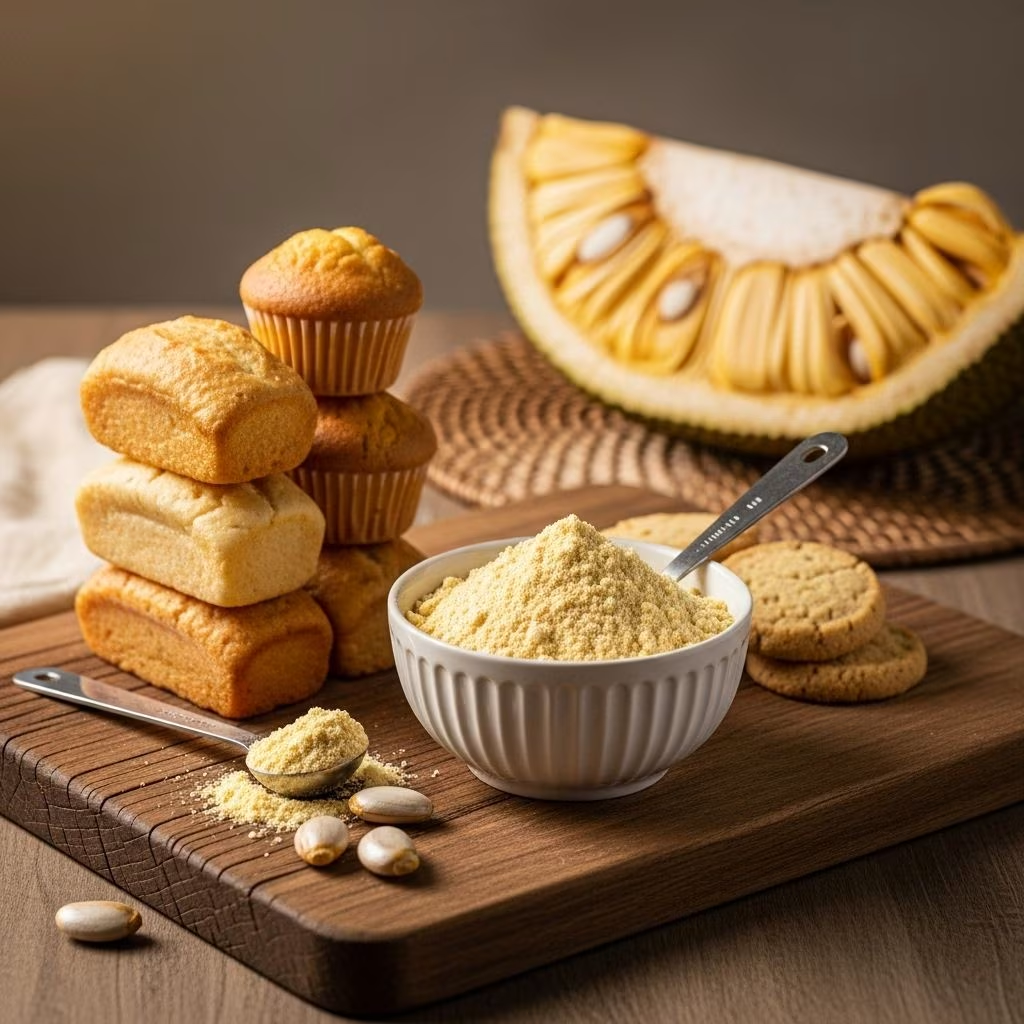
Jackfruit seed flour is fast gaining attention in the world of health-conscious baking and culinary innovation. Edible, nutrient-rich, and impressively versatile, this flour made from the seeds of the jackfruit (Artocarpus heterophyllus) brings unique textures, flavors, and health benefits to modern recipes. This comprehensive guide will walk you through everything you need to know about jackfruit seed flour: from its nutritional profile and uses in baking, to how to substitute it in recipes and optimize its health value for your kitchen.
\n\n
Table of Contents
\n
- \n
- Introduction to Jackfruit Seed Flour
- Nutritional Profile and Health Benefits
- Baking Uses of Jackfruit Seed Flour
- How to Make Jackfruit Seed Flour at Home
- Substitutes for Jackfruit Seed Flour in Baking
- Other Cooking Applications
- Storage and Shelf Life
- Frequently Asked Questions (FAQs)
- Conclusion
\n
\n
\n
\n
\n
\n
\n
\n
\n
\n\n
Introduction to Jackfruit Seed Flour
\n
Jackfruit, a tropical fruit native to South and Southeast Asia, is famed for its sweet pods, immense size, and distinctive aroma. While the flesh is commonly eaten fresh or cooked, the seeds, often discarded, are a nutritional goldmine. When roasted, dried, and ground, these seeds yield jackfruit seed flour – a gluten-free flour alternative suitable for diverse culinary purposes.
\n
Bakers and health enthusiasts advocate for jackfruit seed flour due to its mild flavor and adaptability. Its subtle nuttiness and smooth texture allow seamless blending with other flours, making it an appealing ingredient for both traditional and innovative recipes.
\n\n
Nutritional Profile and Health Benefits
\n
One of the significant draws of jackfruit seed flour is its impressive nutritional content. A typical 100g serving of dried jackfruit seeds provides the following (approximate values):
\n
- \n
- Calories: 140–160 kcal
- Protein: 7–8 g
- Fat: 0.4–1 g
- Carbohydrates: 32–38 g
- Dietary Fiber: 1.5–2 g
- Calcium: 36–45 mg
- Potassium: 240–250 mg
- Iron: 1–1.5 mg
\n
\n
\n
\n
\n
\n
\n
\n
\n
This nutritional spread makes jackfruit seed flour a valuable addition to health-oriented diets for several reasons.
\n\n
Key Nutritional Benefits
\n
- \n
- High in Protein: Higher protein content compared to many other gluten-free flours.
- Low in Fat: Naturally low-fat, which suits calorie-controlled diets.
- Rich in Resistant Starch: Promotes gut health and may help with blood sugar regulation.
- Source of Essential Minerals: Provides potassium, calcium, and iron.
- Gluten-Free: Naturally safe for gluten intolerance and celiac diets.
- Contains Antioxidants: Possesses flavonoids and other phenolic compounds beneficial in neutralizing free radicals.
\n
\n
\n
\n
\n
\n
\n\n
Comparison Table: Jackfruit Seed Flour vs. Other Gluten-Free Flours (Per 100g)
\n
| Flour | Calories | Protein | Fat | Carbohydrate | Fiber | Gluten |
|---|---|---|---|---|---|---|
| Jackfruit seed | 150 | 7.5 g | 0.5 g | 35 g | 2 g | No |
| Rice flour | 366 | 6 g | 1 g | 80 g | 2.4 g | No |
| Almond flour | 570 | 21.4 g | 50 g | 20 g | 10.9 g | No |
| Wheat flour | 364 | 10 g | 1 g | 76 g | 2.7 g | Yes |
\n\n
Baking Uses of Jackfruit Seed Flour
\n
Jackfruit seed flour’s chief appeal is its adaptability in baking. Here are the primary ways it’s used in the kitchen:
\n\n
- \n
- Crackers and Biscuits: Blends nicely with whole wheat, jowar, or rice flours for healthy, crunchy crackers. The flour provides nutty aroma and delightful crunch .
- Cookies: When used partially with other flours, it imparts mild nutty notes without overpowering sweetness.
- Muffins and Cakes: Works well in denser, moist recipes. In cakes, jackfruit (pod) is often compared to carrots in carrot cake, and seed flour helps add texture .
- Breads: Mixed with gluten-containing or other gluten-free flours to create unique, mildly flavored loaves.
- Pancakes/Waffles: Swapping a portion of wheat or rice flour for jackfruit seed flour delivers a protein boost and subtle nuttiness.
\n
\n
\n
\n
\n
\n\n
When baking with jackfruit seed flour, bear in mind that it’s gluten-free and can behave differently from conventional wheat flour. Best results are achieved by incorporating it as a partial substitute (15–40% of the total flour content), especially for bread or cake recipes where gluten structure is vital for rise and texture.
\n\n
Sample Recipe: Baked Jackfruit Seed Crackers
\n
- \n
- 1/4 cup jackfruit seed flour
- 1/2 cup whole wheat flour
- 1/2 cup rice flour
- 1/2 cup jowar (sorghum) flour
- 2 tbsp powdered roasted peanuts
- 1 tbsp dry coconut (optional)
- 1/2 tsp cumin seeds
- Salt and spices to taste
- 2 tbsp hot oil
- Water to bind into a stiff dough
\n
\n
\n
\n
\n
\n
\n
\n
\n
\n
\n
Mix dry ingredients, rub in oil, add water to form a dough. Roll thin, cut, and bake at 180°C for 15–20 minutes. Cool and store airtight .
\n\n
Tips for Best Results When Baking:
\n
- \n
- Combine with other flours to maintain texture.
- If a recipe calls for eggs, they help bind gluten-free flours together.
- For vegan baking, use flaxseed meal or chia seeds as a binding agent.
- Add extra liquid, as jackfruit seed flour can sometimes be more absorbent.
- Bake at slightly lower temperatures if you notice excessive browning.
\n
\n
\n
\n
\n
\n\n
How to Make Jackfruit Seed Flour at Home
\n
Homemade jackfruit seed flour maximizes nutrition and flavor while minimizing food waste. Here is a step-by-step guide:
\n
- \n
- Collect Seeds: After eating jackfruit, save the seeds and rinse them to remove fruit residue.
- Boil: Boil seeds for 15–20 minutes until skins loosen.
- Peel: Once cool, remove the thin brown skin by hand.
- Dry: Sun-dry seeds for 2 days or use a low oven (50–60°C) for several hours until completely dry.
- Roast (Optional): Lightly roast seeds in a dry pan to enhance flavor and reduce moisture further.
- Grind: Use a high-speed blender or spice grinder to make a fine powder.
- Sift: Sieve the flour to remove larger lumps, returning coarse bits for re-grinding if needed.
- Store: Keep in an airtight jar in a cool, dry place for up to 1–2 months.
\n
\n
\n
\n
\n
\n
\n
\n
\n
Yield: Roughly 2–3 cups of seed flour per medium jackfruit.
\n\n
Substitutes for Jackfruit Seed Flour in Baking
\n
If you don’t have access to jackfruit seed flour or need alternatives based on dietary needs, consider the following options:
\n
| Substitute | Main Advantages | Downsides/Considerations |
|---|---|---|
| Chickpea (Besan) Flour | High protein, gluten-free, nutty taste | Stronger flavor, denser texture |
| Rice Flour | Mild flavor, widely available, gluten-free | Lower protein, less binding capacity |
| Coconut Flour | Sweet flavor, high fiber | Highly absorbent, can dry out baked goods |
| Almond Flour | Rich texture, high protein and healthy fats | Higher calories, nut allergens |
| Oat Flour | Balanced carbs/protein/fiber | Mild ‘oaty’ flavor |
\n
For best results, substitute by weight and adjust liquid if using coconut or oat flour, as their absorbency varies from jackfruit seed flour.
\n\n
Other Cooking Applications
\n
Aside from baking, jackfruit seed flour finds versatile use in savory and sweet recipes, especially in South Indian and Southeast Asian cuisines:
\n
- \n
- Thickener: Added to soups or stews as a natural thickener with a subtle earthy flavor.
- Gravies and Curries: Used in curries for creaminess and nutrition .
- Snack Foods: Formed into crunchy snacks, like crackers or chips, spiced to taste .
- Porridges and Flatbreads: Blended for gluten-free porridge or mixed into dough for Indian-style rotis or parathas.
\n
\n
\n
\n
\n\n
Storage and Shelf Life
\n
- \n
- Store in an airtight container in a cool, dry place away from sunlight.
- Refrigeration can extend freshness (up to 3–4 months), especially in humid climates.
- Always check for odor or discoloration before use, as flour can turn rancid if exposed to moisture.
\n
\n
\n
\n\n
Frequently Asked Questions (FAQs)
\n\n
Q: Can I use jackfruit seed flour as a 1:1 replacement for wheat flour?
\n
A: Not directly. As a gluten-free flour, it is best used as a partial replacement (15–40% substitution). For bread, combine with gluten-rich or other structured flours for the best results.
\n\n
Q: Does jackfruit seed flour have an allergen risk?
\n
A: Jackfruit seed is generally safe for most people. However, those with specific allergies to jackfruit itself should proceed with caution. As always, check with your health provider if unsure.
\n\n
Q: What does jackfruit seed flour taste like?
\n
A: It has a mild, subtle nuttiness with a smooth texture. It does not strongly flavor baked goods and complements both sweet and savory applications well.
\n\n
Q: Can I buy jackfruit seed flour commercially?
\n
A: In regions where jackfruit is grown abundantly, jackfruit seed flour is available at local markets and some specialty stores. It can also be sourced from online health food retailers.
\n\n
Q: Is jackfruit seed flour suitable for gluten-free diets?
\n
A: Yes! Jackfruit seed flour is naturally gluten-free and is suitable for gluten-sensitive and celiac consumers.
\n\n
Conclusion
\n
Jackfruit seed flour stands out as a sustainable, nutritious, and highly versatile ingredient for the creative home baker and health enthusiast. By transforming kitchen leftovers into a valuable flour, you not only reduce waste but introduce new textures and flavors to your favorite recipes. Its gluten-free nature, rich protein, and subtle taste ensure it adapts well to breads, cakes, crackers, and even savory dishes. For those seeking alternatives, there are numerous substitutes, but few match the wholesome benefits and unique profile of jackfruit seed flour. Give it a try in your next baking project and discover its culinary potential!


