


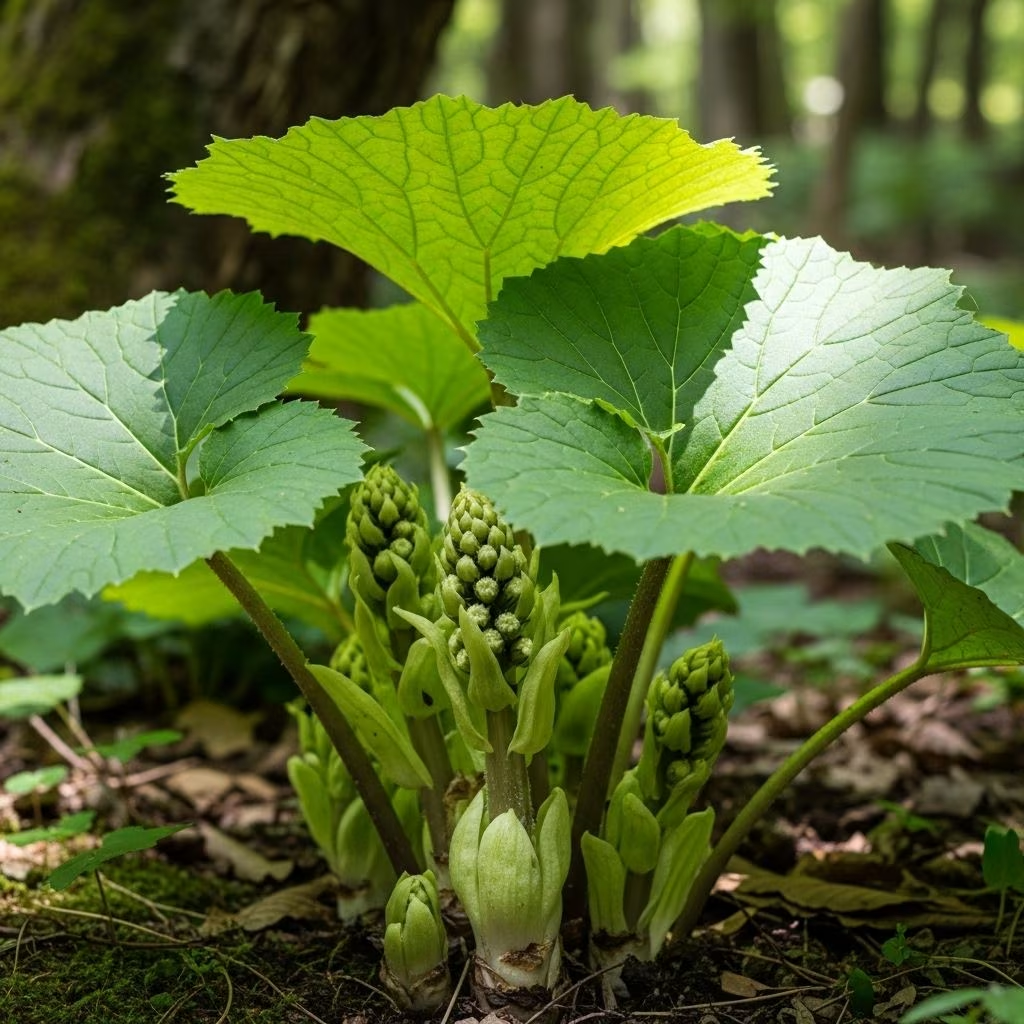
Japanese butterbur, known as fuki in Japan, is a dramatic perennial herb treasured for its large leaves, singular flavor, and rich history in Asian cuisine and folk medicine. This article explores its botanical features, culinary and medicinal benefits, cultural roles, growing requirements, as well as safety considerations for consumption.
What is Japanese Butterbur (Fuki)?
Japanese butterbur (Petasites japonicus) is a large-leaved, perennial plant native to Japan, Korea, and parts of China. Often called “fuki” in Japanese, it is also known as Japanese sweet coltsfoot, giant butterbur, or Japanese coltsfoot. Its name references the butter-wrapping practice once common in Europe with its leaf’s European cousin. In Japan, fuki is valued as both a spring delicacy and an ornamental groundcover.
- Family: Asteraceae (daisy family)
- Other names: Fuki, Japanese sweet coltsfoot, giant butterbur, Japanese coltsfoot
- Native to: Japan, Korea, and China
Botanical Description and Habitat
Japanese butterbur produces enormous, round or kidney-shaped leaves that can reach up to 1.2 meters (about 4 feet) across. It grows from thick, pencil-sized underground rhizomes and forms lush, dense colonies along moist streambanks, ditches, and woodland margins. Its unique growth pattern and adaptation to shade and wet soils make it striking in gardens but potentially invasive in the wild.
- Stems: Thick, fleshy, and covered with bristly hairs; leaf stalks (petioles) grow directly from the rhizome.
- Leaves: Large, green, rough on top, woolly underneath, circular with jagged edges.
- Flower stalk: Cone-shaped cluster of whitish or pale yellow, sweet-smelling flowers emerge in very early spring before the leaves.
- Lifecycle: Herbaceous perennial; above-ground parts die back in winter.

Habitat Preferences
- Prefers: Consistently moist, fertile soils with partial to full shade.
- Naturalized in: Temperate regions across Asia and in parts of North America where introduced by Japanese immigrants.
- Tolerates: A range of soil types as long as wetness is maintained; not recommended for dry or windy spots due to leaf damage.
Culinary Uses and Preparation
Fuki is a cherished spring vegetable (sansai) in Japanese cuisine, appearing in many traditional and contemporary dishes.
Edible Parts
- Petioles (leaf stalks): The most commonly consumed part, known for their unique flavor and pleasing crunch.
- Flower buds and stems: Harvested in early spring, these are sometimes deep-fried as fukinoto tempura or added to mixed vegetable dishes.
Preparation Methods
Fresh butterbur contains natural bitterness and potential toxicity, so it is always processed before eating.
- Peeling: Tough outer skin is removed from stalks and buds.
- Soaking: The plant is soaked in water or boiled briefly to reduce bitterness and leach out certain compounds.
- Rinsing and Icing: After blanching or boiling, fuki stalks are placed in cold water to keep them crisp.
- Seasoning: The prepared plant can now be seasoned, sautéed, pickled, simmered in soy-based broths, or candied.
Classic Japanese Dishes Featuring Fuki
- Fuki no tou tempura: The flower buds are dipped in batter and deep-fried for a crispy, slightly bitter treat.
- Fuki-miso: Flower buds or stalks are chopped and sautéed with miso paste, often served over rice.
- Kimpira fuki: Stalks sliced and stir-fried with soy, mirin, and sesame for a savory side dish.
- Braised fuki: Simmered in dashi stock with soy sauce and mirin until tender.
- Tsukemono (Pickles): Butterbur stalks are pickled as a crunchy condiment.
- Desserts: Candied fuki stalks are sometimes served as traditional Japanese sweets.
Taste and Texture Profile
Fuki’s unique character comes from its fresh, slightly bitter, herbal taste and its crisp texture after proper preparation.
- Taste: Mildly bitter and aromatic, reminiscent of celery or artichoke, with a subtle earthiness and grassy fragrance. Cooking reduces bitterness and brings sweet, nutty notes.
- Texture: Crisp and fibrous when blanched, with a juicy snap thanks to its thick, water-retaining stalks.
This combination makes it a versatile ingredient in both savory and sweet dishes.
Nutritional and Health Benefits
Japanese butterbur is low in calories and a modest source of essential vitamins, minerals, and antioxidants. Traditionally, it has been valued as a spring tonic and digestive aid.
| Nutrient | Amount (per 100g, approx.) | Potential Benefit |
|---|---|---|
| Calories | ~14 kcal | Low-calorie, suitable for light diets |
| Vitamin C | Good source | Supports immunity, antioxidant |
| Fiber | Moderate | Aids digestion and gut health |
| Potassium | ~350 mg | Maintains blood pressure and fluid balance |
| Other | Contains phenolic antioxidants | Potential anti-inflammatory properties |
Key Points:
- Rich in water and fiber, so it is good for hydration and digestion.
- Contains small amounts of vitamins (esp. Vitamin C) and minerals like potassium and magnesium.
Traditional and Medicinal Uses
Fuki has a long history in East Asian folk medicine. Traditionally, extracts from the leaves, stalks, and roots were used for their potential:
- Anti-inflammatory effects: Used for cough relief, asthma, and bronchitis symptoms.
- Digestive health: As a spring tonic to stimulate appetite and digestion.
- Mild diuretic effects: Promoting urination and flushing toxins.
Note: Modern research confirms some anti-inflammatory and antioxidant compounds in butterbur, but also warns of natural toxins (see Safety).
Cultivation and Growing Tips
If you wish to grow Japanese butterbur, consider its vigorous spread and requirement for moist, shady areas:
- Location: Best suited for pondsides, shady woodland gardens, or contained raised beds.
- Soil: Moist to boggy, rich, and well-drained; tolerates a wide soil pH if kept wet.
- Sunlight: Dappled to full shade preferred; will tolerate some sun if consistently moist.
- Spacing: Give plants ample space or physical barriers (such as sunken pots or rhizome barriers) to contain rhizomatous root spread.
Japanese butterbur dies back to the ground each winter and rebounds in spring. Flowers precede leaf growth, creating an exotic garden effect.
Landscaping Uses
- Provides dramatic, bold foliage for shaded, moist garden areas.
- Excellent as a natural groundcover in suitable climates.
- Valued for filling bare spots and adding a tropical flair to temperate gardens.
Safety and Precautions
Butterbur contains pyrrolizidine alkaloids (PAs)—naturally occurring compounds that can be toxic to the liver and are potential carcinogens if consumed regularly or in high quantities.
- Commercial fuki in Japan is bred and processed to minimize these compounds, but wild or unprocessed specimens may not be safe for frequent consumption.
- Always peel and blanch stalks and buds before eating to reduce bitterness and toxin content.
- Pregnant/nursing women, children, and those with liver problems should avoid regular consumption or consult a healthcare professional.
- Bought supplement extracts (butterbur root, for migraines/allergies) should be PA-free certified for safety.
When eating fuki as a seasonal food in moderation (and prepared properly), risk is minimal for healthy adults.
Ecological Considerations
Though beautiful and edible, Japanese butterbur is an aggressive spreader and is considered invasive in parts of North America and Europe.
- Forms dense stands that outcompete native species in moist and shaded habitats.
- Rhizomes fragment easily and resprout, making eradication difficult once established.
- Containment strategies: Use root barriers, plant in large pots, or remove flower stalks to reduce spread by seed.
Consider its impacts carefully before planting outside of its native or cultivated range.
Frequently Asked Questions (FAQs)
Q: Can Japanese butterbur be eaten raw?
A: It is not recommended to eat Japanese butterbur raw, as it contains bitter compounds and toxins that must be reduced through peeling and blanching or boiling.
Q: Is butterbur safe to eat regularly?
A: Occasional, properly prepared consumption is safe for most, but frequent eating is discouraged due to the presence of pyrrolizidine alkaloids, which can affect the liver over time.
Q: How does butterbur benefit your health?
A: It provides fiber, vitamins, and antioxidants and has a history of use for cough relief and allergy symptoms, but should be eaten in moderation due to natural plant toxins.
Q: What does fuki taste like?
A: Fuki has a fresh, vegetal aroma with mild bitterness that mellows to a sweet, nutty flavor and a juicy, crisp texture when cooked.
Q: Is Japanese butterbur invasive?
A: Yes, it spreads rapidly through rhizomes and seeds, outcompeting native wetland or woodland plants if not controlled.
Q: How can I grow butterbur safely in my garden?
A: Plant in containers or use root barriers, maintain moist shade, and regularly trim back flowers or divide plants to limit spread.
Conclusion
Japanese butterbur (fuki) is a fascinating plant with both culinary and ornamental value. With proper preparation, its unique taste and health benefits make it a treasured seasonal vegetable in Japanese cuisine. However, both ecological responsibility and awareness of natural toxins are essential for home gardeners and adventurous eaters alike.
References
- https://www.gardeningknowhow.com/ornamental/groundcover/japanese-butterbur/japanese-butterbur-plants.htm
- https://ssisc.ca/japanese-butterbur
- https://tripplebrookfarm.com/product/petasites-japonicus-sweet-coltsfoot-fuki/
- https://tualatinswcd.org/wp-content/uploads/2022/11/2022_Japanese-Butterbur_BMP.pdf
- https://www.uaex.uada.edu/yard-garden/resource-library/plant-week/japanese-butterbur.aspx
- https://www.missouribotanicalgarden.org/PlantFinder/PlantFinderDetails.aspx?kempercode=a645
- https://pithandvigor.com/2024/06/petasites-japonicus-hybidus-native-butterbur/
- https://www.cavehillcemetery.com/assets/pdfs/news/plant%20profile-%20butterbur%202020.6.16.pdf
- https://www.saanich.ca/assets/Community/Documents/Environment/Japanese%20ButterburFactSheet-2025-0.3.pdf


