


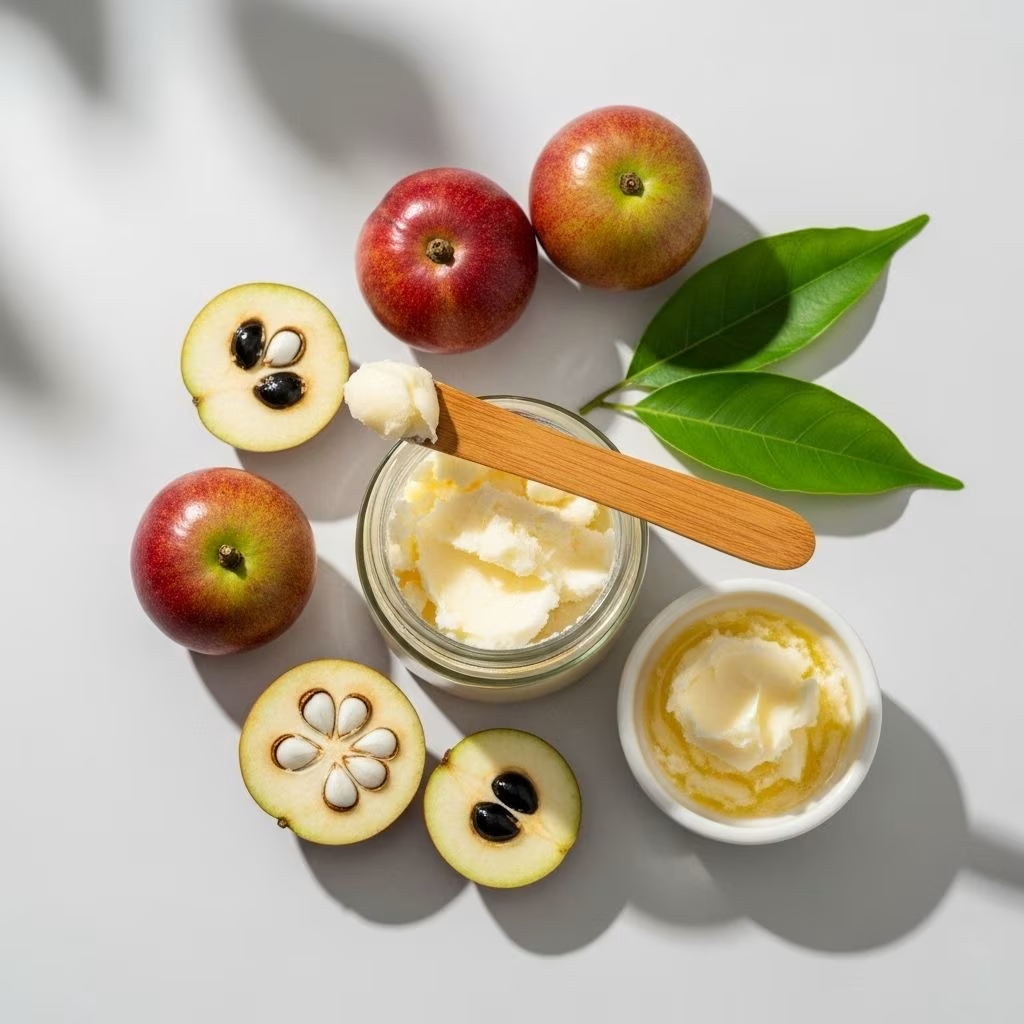
Kokum butter is a natural plant-derived fat highly valued in skincare for its restorative, non-comedogenic, and intensely nourishing qualities. Extracted from the seeds of the Garcinia indica tree, which grows abundantly in the Western Ghats of India, kokum butter is fast becoming a staple for those seeking effective, gentle skin solutions. This comprehensive guide explores the unique properties, key benefits, versatile uses, and best application methods of kokum butter for skin health.
What is Kokum Butter?
Kokum butter is a semi-solid, creamy fat obtained from the cold-pressing of seeds of the Garcinia indica fruit, also known as kokum. Unlike plant butters that are heavy or greasy, kokum butter is prized for its light texture, rapid absorption, and non-greasy finish. Its pale ivory color and mild scent make it a versatile base ingredient for creams, lotions, and balms.
Main characteristics:
- Rich in healthy fatty acids (omega-3, omega-6, stearic, oleic, and palmitic acids)
- High in vitamin E and antioxidants
- Sustainable and natural; free from synthetic additives
- Non-comedogenic: does not clog pores
- Hard texture at room temperature, melts at skin temperature
Key Benefits of Kokum Butter for Skin
Kokum butter is renowned for its broad spectrum of dermatological advantages. From deep hydration to repair and soothing, here are its standout benefits:
- Deep Moisturization: Its emollient properties enable intensive hydration for dry, flaky, or rough skin without a greasy feel. The butter helps restore the skin’s moisture barrier, keeping it supple and soft.
Source: - Non-Comedogenic & Fast Absorbing: Unlike heavier plant butters, kokum butter is non-comedogenic, making it safe for acne-prone and oily skin. It absorbs quickly and leaves no residue.
Source: - Skin Healing & Regeneration: Rich in antioxidants and essential fatty acids, kokum butter aids skin cell regeneration, accelerates healing of minor wounds, scars, and stretch marks.
Source: - Soothing Inflammation: Its natural anti-inflammatory compounds calm irritated, red, or inflamed skin and provide relief for conditions like eczema and psoriasis.
Source: - Supports Skin Elasticity: Prevents sagging and improves firmness by supporting the synthesis of collagen and elastin.
Source: - Delays Visible Aging: Potent antioxidants, especially vitamin E, help neutralize skin-damaging free radicals, reducing the appearance of fine lines, wrinkles, and age spots.
Source: - Brightens Complexion: Essential fatty acids assist oxygenation of skin cells, promoting a more radiant and even-toned complexion.
Source: - Gentle for Sensitive Skin: Free from typical irritants, kokum butter is extremely gentle and suitable for children and sensitive skin types.
Source:
The Science, Nutrients & Properties of Kokum Butter
The nourishing profile of kokum butter is what underpins its efficacy in skincare. Here is a breakdown of its main active components:
- Essential Fatty Acids: Stearic, oleic, palmitic, and linoleic acids help reinforce the skin’s lipid barrier, prevent moisture loss, and encourage repair.
Source: - Vitamin E: A strong antioxidant that shields skin from oxidative stress, environmental toxins, and premature aging, while boosting repair and regeneration.
Source: - Polyphenols & Antioxidants: Protect against free radical damage that leads to dullness and uneven texture.
Source: - Non-comedogenic Score (0): Unique among rich butters, kokum will not clog pores and is suitable for acne-prone skin.
Source:
These constituents explain why kokum butter can restore elasticity, brighten the skin, and calm inflammation so effectively.
Who Should Use Kokum Butter?
Kokum butter’s versatility makes it appropriate for virtually all skin types and ages. Consider using it if you:
- Have dry, rough, scaly, or cracked skin
- Experience frequent redness, irritation, or sensitivity
- Suffer from acne or congested skin (it won’t block pores)
- Wish to prevent or reduce the appearance of stretch marks, minor scars, or blemishes
- Want to address early signs of aging naturally
- Prefer lightweight, fragrance-free moisturizers with non-greasy after-feel
If you have severely sensitive or allergy-prone skin, a patch test is recommended.
How to Use Kokum Butter for Skin
Applying kokum butter is simple and can be tailored to your skin’s needs. It can be used as a pure butter, or within ready-made skincare formulations.
- As a Standalone Moisturizer: Take a small amount and warm it between your fingers until it melts. Gently massage into the desired skin area until absorbed.
- In Creams and Lotions: Substitute kokum butter for other butters (like shea or cocoa) in homemade recipes to create non-greasy, deeply nourishing blends.
- Targeted Spots: Apply to cracked heels, elbows, cuticles, or lips for spot therapy, especially overnight.
- Facial Care: Use sparingly as a night moisturizer for dry, mature, or sensitive facial skin (avoid over-application for oily skin types).
- Post-Sun Relief: Kokum butter’s soothing qualities make it an excellent after-sun balm to calm and repair sun-exposed skin.
For maximum absorption, apply kokum butter on damp skin immediately after showering or washing.
Basic DIY Kokum Butter Application Routine
- Cleanse your skin thoroughly.
- Pat skin semi-dry, leaving it slightly damp for better absorption.
- Rub a pea-sized amount of butter between your palms to melt it.
- Massage gently into targeted areas in upward, circular motions.
- For facial use, opt for night-time application to allow regeneration overnight.
Popular Uses in Skincare
Kokum butter’s adaptability means it can address a broad range of skin concerns. Here’s how it excels in multiple roles:
- Daily Moisturizer: Lightweight and fast-absorbing, it hydrates face and body without residue.
Source: - Lip Balm: Heals cracked lips and restores their natural softness (alone or blended with natural oils).
- Heels & Elbows: Intensively repairs cracked heels and rough patches on knees or elbows.
Source: - Pregnancy-Stretch Marks: Supports skin elasticity and helps minimize or fade stretch marks.
Source: - After-Sun Soother: Cools and restores sun-stressed skin, reducing inflammation and redness.
- Aging Skin Cream: Combats dryness, fine lines, and uneven texture in mature skin.
Source: - Eczema & Psoriasis Care: Gentle enough to moisturize and calm red, flaky plaques associated with eczema or psoriasis (consult a dermatologist for ongoing chronic use).
Source: - Face Masks or Serums: As an ingredient in hydrating facemasks and night serums for barrier repair.
Kokum Butter vs Other Natural Butters
| Attribute | Kokum Butter | Shea Butter | Cocoa Butter |
|---|---|---|---|
| Texture | Firm, melts upon contact | Creamy, soft | Firm, slightly greasy |
| Comedogenic Rating | 0 (won’t clog pores) | 0-2 (might clog some pores) | 2-4 (can clog pores) |
| Main Fatty Acids | Stearic, oleic, palmitic linoleic | Oleic, stearic, linoleic | Stearic, palmitic, oleic |
| Best For | Sensitive, acne-prone,normal to dry, aging skin | Very dry, cracked skinhot climates | Heavily damaged skinthick, protective barrier |
| Absorption | Fast, non-greasy | Medium, can be greasy | Slow, greasy residue |
Potential Side Effects & Precautions
- Allergy Risk: Although rare, some individuals may develop mild irritation or allergic reactions, especially if using unrefined or contaminated butters. Always patch-test before first use.
- Comedogenicity: Pure kokum butter is considered non-comedogenic, but combining it with oils high in comedogenicity in DIY blends may affect this benefit.
- Storage: Store in a cool, dry place to keep its texture and efficacy stable. Excess heat may cause it to melt.
Kokum butter is generally safe for daily topical use, but consult a dermatologist if you have persistent skin conditions or allergies.
Frequently Asked Questions (FAQs)
What distinguishes kokum butter from other plant butters for skin?
Kokum butter is non-comedogenic, ultra-light, and absorbs rapidly, making it suitable for virtually all skin types — even oily or acne-prone skin. Its high antioxidant and fatty acid content gives it a unique ability to heal, nourish, and protect without clogging pores.
Is kokum butter suitable for use on the face?
Yes. Thanks to its gentle, non-comedogenic nature, kokum butter can be used as a facial moisturizer, especially for dry, aging, or sensitive skin. Use sparingly for oily skin types.
Can it be used for babies and sensitive skin?
Kokum butter’s hypoallergenic profile makes it safe for sensitive and baby skin. Use only pure, additive-free kokum butter for delicate users.
Will kokum butter help with scars or stretch marks?
Regular use helps reduce the appearance of scars and stretch marks by promoting rapid cell turnover and improved skin elasticity, though results may vary with individual skin type and consistency of use.
Can I use kokum butter in homemade skincare recipes?
Absolutely. It is an ideal base for DIY balms, body butters, and creams. Blend with natural oils and essential oils to customize texture and scent, or use alone for simple applications.
Is kokum butter good for oily or acne-prone skin?
Yes, it is specifically beneficial as it will not block pores and can actually help balance oil production and reduce inflammation linked to breakouts.
What is the best way to store kokum butter?
Keep in an airtight container away from direct sunlight and heat. Store below 25°C (77°F)—ideal in a bathroom cabinet or vanity drawer.
Conclusion
Kokum butter is a powerful, natural moisturizer that offers restorative, anti-aging, and skin-soothing benefits for a wide spectrum of skin types. Whether your goal is deep moisturization, rapid healing, addressing sensitivity, or simply seeking a gentle and non-comedogenic daily moisturizer, kokum butter provides a natural solution. With its high antioxidant and essential fatty acid content, it delivers visible results while respecting the health and integrity of your skin barrier. Consider adding kokum butter to your skincare regimen to experience renewed, radiant, and resilient skin.
References
- https://www.vedaoils.com/blogs/news/kokum-butter-for-skin
- https://nzemappolo.com/blogs/community/the-wonders-of-kokum-butter-a-skincare-marvel
- https://www.kamaayurveda.in/blog/kokum-butter
- https://bettersheabutter.com/kokum-butter-benefits/
- https://www.potionorganic.com/en-us/blogs/news/why-you-should-be-using-kokum-butter-on-your-skin
- https://www.healthline.com/nutrition/kokum-butter
- https://www.webmd.com/diet/health-benefits-kokum-butter
- https://www.barakasheabutter.com/blogs/baraka-blogs/kokum-butter-vs-shea-butter-benefits-uses-compared


