


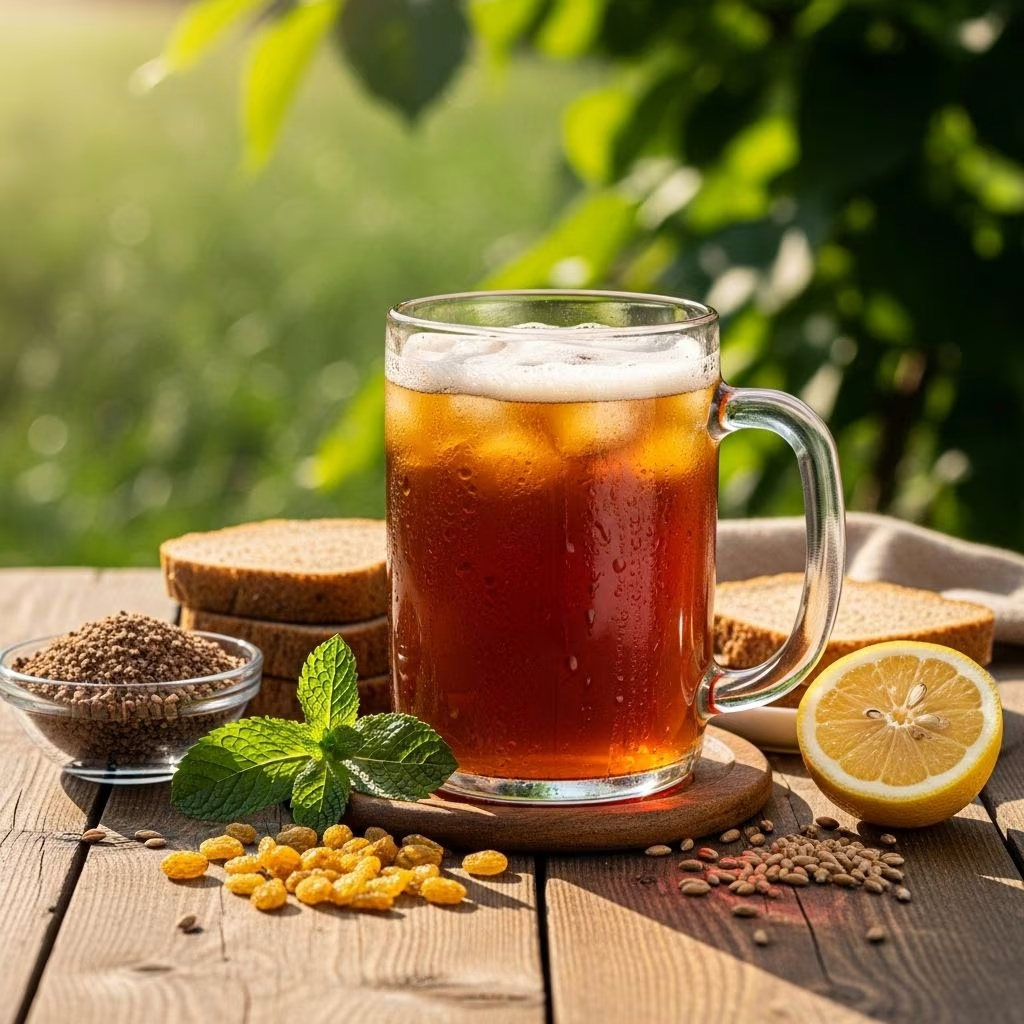
Kvass: Exploring the Traditional Fermented Beverage’s Health Benefits, Uses, and Unique Taste
- Introduction
- History and Origins of Kvass
- How Kvass Is Made
- Types and Variations of Kvass
- Nutritional Profile and Health Benefits
- Culinary Uses of Kvass
- Kvass: Taste and Sensory Profile
- Kvass Compared to Other Fermented Drinks
- Potential Risks and Considerations
- FAQs About Kvass
- Conclusion
Introduction
Kvass is a fermented beverage of Eastern European origin, celebrated for its refreshing flavor and probiotic benefits. Traditionally made from rye bread or occasionally root vegetables like beets, kvass holds a storied history as both a daily staple and a health tonic. Its unique profile—sweet-sour, slightly effervescent, and low in alcohol—positions kvass among the world’s most fascinating traditional drinks, now gaining popularity far beyond its birthplace.
History and Origins of Kvass
Kvass traces its history back over a thousand years, with first written mention in the Primary Chronicle during the baptism celebrations of Vladimir the Great in 988 AD. Its roots are firmly embedded in Slavic culture, sustaining populations during times when beer—requiring significant grain—was a luxury. The term ‘kvass’ derives from Old Slavic, meaning “leaven”, and its production method ensured accessibility to all social classes, especially Russian peasants.
- Kvass was preferred over potentially unsafe water in earlier centuries, as fermentation rendered it more hygienic.
- Regional popularity spans Russia, Ukraine, Belarus, Poland, Latvia, Lithuania, and more, extending into parts of Asia and Northern Europe.
- The drink’s versatility led to numerous local variations using fruits, vegetables, herbs, and spices.
How Kvass Is Made
Traditional kvass production centers around the fermentation of cereals—mainly rye bread—although other grains, sweeteners, and flavorings are occasionally incorporated. The process is simple yet ingenious, relying on the natural microbial action of yeasts and lactic acid bacteria to develop both flavor and nutrition.
Typical Kvass Ingredient List
- Stale rye bread (sometimes wheat bread or flour)
- Water (hot, for extraction)
- Sugar or honey (optional, for sweetness)
- Bread or baker’s yeast
- Raisins, apples, berries, mint, beets (variations)
Industrial versions use wort concentrates and standardized grain blends, producing a consistent, scalable product. The unique character of ‘live kvass’—unpasteurized and retaining its live yeast and probiotic bacteria—differs from mass-produced, pasteurized varieties.
Key Steps in Kvass Fermentation
- Bread is cut and baked or toasted to develop aroma and color.
- Bread pieces are soaked in hot water (to extract flavors and sugars).
- The mixture is cooled, then yeast (and potentially lactic acid bacteria) is added.
- Sugar or honey may be stirred in for sweetness and fermentation fuel.
- The brew ferments at room temperature for 12-48 hours, developing a characteristic tangy, sweet-sour profile and mild effervescence.
- The drink is strained, chilled, and sometimes carbonated before serving.
Homemade kvass variations allow for personalization—adding fruit, herbs, or vegetables like beetroot for deeper flavors and increased health benefits.
Types and Variations of Kvass
Kvass’s diversity stems from its adaptability to local ingredients and cultural preferences. While rye bread kvass is most traditional, other noteworthy types include:
- Beet kvass: Popular in Ukraine and gaining traction in the US, this version uses fermented beet juice or brine, prized for cleansing and supporting liver health.
- Fruit kvass: Incorporates apples, pears, cherries, lingonberries, or raisins, yielding more aromatic and occasionally sweeter drinks.
- Herbal kvass: Mint, tarragon, or other herbs added for refreshing, slightly medicinal notes.
- Vegetable kvass: Beetroot, horseradish, carrot, and more, often used in cold soups like the Russian ‘okroshka’.
- Honey kvass: Enriched with honey for floral nuance; blurs the line between kvass and mead but relies on lactic fermentation.
- ‘Zhivoi Kvass’ (Live Kvass): Unpasteurized, actively fermenting, and rich in probiotics—artisanal and highly prized.
Flavor profiles range from sharply tangy and sour to mellow and sweet, with color spanning pale gold to deep red depending on ingredients.
Nutritional Profile and Health Benefits
Kvass is renowned for more than just flavor—it’s lauded for health benefits rooted in its fermentation and content of probiotics, minerals, and plant compounds.
Probiotic Content
- Rich in lactobacillus and other beneficial bacteria, supporting digestive health and balanced gut flora.
- Assists with nutrient absorption, immune system regulation, and may help prevent certain digestive disorders.
- ‘Live’ kvass variants deliver higher probiotic concentrations than pasteurized brands.
Minerals and Antioxidants
- Contains electrolytes such as potassium and magnesium—hydrating and replenishing, especially after physical exertion.
- Beet kvass supplies betalains and other antioxidants — compounds that reduce oxidative stress and inflammation.
Liver and Cleansing Effects
- Traditionally used in folk medicine for liver support and detoxification, particularly beet-based kvass.
- Reported to aid chronic fatigue, chemical sensitivities, and allergy symptoms due to its cleansing properties.
Low Calorie & Alcohol Content
- Low alcohol: Typically under 1.2% ABV, meaning kvass is considered non-alcoholic in many regions.
- Calorie content is modest, making it suitable for healthy hydration and refreshment.
Kvass Nutritional Table (per 250ml serving—average values)
| Nutrient | Amount |
|---|---|
| Calories | 30-60 kcal |
| Sugars | 3-7g |
| Carbohydrates | 5-11g |
| Protein | 0-1g |
| Fat | 0g |
| Alcohol | 0.5-1.2% ABV |
| Probiotics | Variable (high in live kvass) |
| Vitamins & Minerals | Potassium, magnesium, B-vitamins |
Exact nutritional values vary depending on ingredients, fermentation length, and production method.
Culinary Uses of Kvass
Kvass’s versatility extends into the kitchen, where it acts as both an ingredient and accompaniment to various dishes.
- Drink: Served chilled as a refreshing standalone beverage during summer or after sauna and bath sessions.
- Soup base: Kvass forms the liquid foundation for cold soups such as okroshka (Russian vegetable and meat soup) and botvinya (sorrel soup).
- Culinary acidulant: Used to add a tangy flavor to vinaigrettes and sauces, akin to vinegar in Western cuisine.
- Food pairing: Kvass complements hearty, rustic cuisines, particularly rye bread, cured meats, pickles, and root vegetables.
Some modern mixologists use kvass as an ingredient in cocktails, exploiting its distinctive flavor and mild effervescence.
Kvass: Taste and Sensory Profile
Kvass is celebrated for its unique taste: a harmonious blend of sweet, sour, and earthy notes. Its cloudy appearance and gentle fizz mark its artisanal charm.
Flavor Characteristics
- Sweet-sour tang: Lactic fermentation produces acidity balanced by natural sugars from bread, honey, or fruit.
- Mild maltiness: Toasted rye bread imparts deep, rustic, mildly nutty overtones.
- Earthy complexity: Root vegetables like beetroot contribute color and unique taste nuances.
- Effervescence: Fermentation often creates gentle carbonation.
- Low bitterness: Unlike beer, kvass is largely absent of hop-derived bitterness.
Appearance and Aroma
- Clarity: Usually cloudy due to suspended yeast and bread fragments.
- Color: Ranges from golden brown (bread kvass) to ruby red (beet kvass).
- Aroma: Yeasty, bread-like, with hints of dried fruit, sourdough, or herbs (depending on recipe).
The flavor, carbonation, and aroma of ‘live kvass’ vary from batch to batch, adding to its artisanal nature.
Kvass Compared to Other Fermented Drinks
| Beverage | Main Ingredients | Fermentation Type | Alcohol Content | Flavor |
|---|---|---|---|---|
| Kvass | Rye bread, water, yeast, optional fruits/veggies | Lactic and yeast | 0.5–1.2% ABV | Sweet-sour, malty, earthy, fizzy |
| Kombucha | Tea, sugar, SCOBY | Lactic/acetic, yeast | 0.5–2% ABV | Vinegary, sweet-tart, fruity |
| Beer | Barley/malt, hops, yeast | Alcoholic yeast | 4–8% ABV | Bitter, malty, hop-aromatic |
| Beet kvass | Beetroot, water, salt, starter | Lactic acid | Negligible | Earthy, tangy, mildly sweet |
Kvass stands apart for its low alcohol, bread-based fermentation, and tangy-sweet transparency, offering a gentle alternative to beer and kombucha.
Potential Risks and Considerations
- Alcohol content: While kvass is considered non-alcoholic, sensitive individuals or children should note trace alcohol (up to 1.2% ABV).
- Salt content: Beet kvass and certain recipes may include added salt—excessive consumption is cautioned for those on sodium-restricted diets.
- Quality variability: Homemade kvass can vary in fermentation strength and hygiene; always use clean equipment and properly fermented starters.
- Allergy consideration: Rye bread, wheat, or other grains can trigger allergic reactions; choose recipe variants with caution if sensitive.
FAQs About Kvass
Q: Is kvass alcoholic?
A: Kvass typically contains less than 1.2% alcohol by volume, classifying it as non-alcoholic. However, small traces remain from fermentation.
Q: What does kvass taste like?
A: Kvass has a sweet-sour, malty, earthy flavor with mild carbonation and a distinct bread-like aroma.
Q: Is kvass good for digestion?
A: Yes, kvass supplies probiotics and digestive enzymes, supporting gut health and regularity.
Q: Can kvass be made at home?
A: Absolutely. Homemade kvass recipes allow for customization using bread, fruits, vegetables, and safe fermentation practices.
Q: How is kvass different from kombucha?
A: Kombucha is fermented from tea and sugar using a SCOBY, resulting in more pronounced vinegar notes. Kvass is made from bread or vegetables and has a softer, sweet-sour profile.
Conclusion
Kvass stands as a testament to the ingenuity of traditional fermentation, offering a thirst-quenching, nutrient-rich, and probiotic-packed beverage. Its accessibility, culinary flexibility, and health benefits continue to earn kvass a revered place—not only in Eastern European kitchens but in global wellness circles. Whether sipped for refreshment or used as a soup base, kvass remains more than just a drink: it’s a cultural emblem of resilience, sustainability, and flavor evolution.
References
- https://draxe.com/recipes/kvass/
- https://en.wikipedia.org/wiki/Kvass
- https://gobanya.co.uk/blog/kvass/
- https://beerandbrewing.com/style-school-kvass-the-true-liquid-bread
- https://www.britannica.com/topic/kvass
- https://escarpmentlabs.com/en-us/blogs/resources/fermenting-kvass
- https://www.merriam-webster.com/dictionary/kvass
- https://quasdrinks.co.uk/pages/kvass
- https://www.youtube.com/watch?v=y4UGhE0V-P8
- https://www.thechoppingblock.com/blog/kvass-sweet-refreshing-and-good-for-your-gut


