


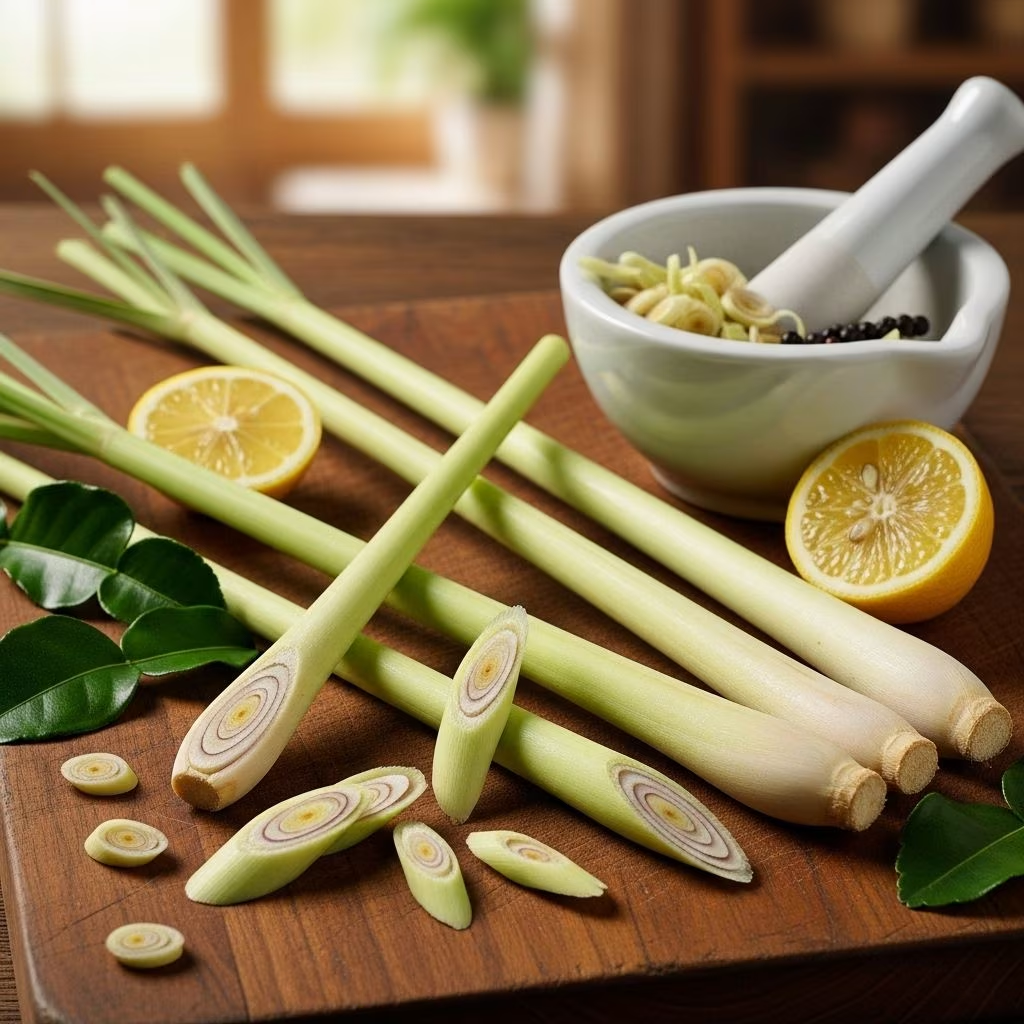
Lemongrass is a versatile, aromatic herb prized in culinary arts and traditional medicine for its distinctive citrusy flavor and remarkable array of health benefits. From gracing Southeast Asian dishes with its signature tang to soothing nerves in a warm cup of tea, lemongrass is both a pantry staple and a healing ally. In this comprehensive guide, you’ll discover what lemongrass is, delve into its nutritional and medicinal properties, learn how it’s used in global cuisines and wellness practices, understand its taste, and find answers to frequently asked questions.
What Is Lemongrass?
Lemongrass (Cymbopogon citratus and related species) is a tall, perennial grass native to tropical and subtropical regions of Asia and Africa. Renowned for its lemon-like scent and flavor, it’s widely used both as a culinary ingredient and a medicinal herb. Lemongrass is also known as “citronella,” especially when referring to its use as an insect repellent.
Botanical Characteristics and Origin
- Family: Poaceae (grass family)
- Genus: Cymbopogon
- Species: Most commonly Cymbopogon citratus (West Indian lemongrass) and Cymbopogon flexuosus (East Indian lemongrass)
- Origin: Native to Southeast Asia, now cultivated globally
- Description: Grows in thick clumps, with slender, upright stalks that can reach up to 1.5 meters
- Aroma: Strong citrus fragrance due to high levels of citral
Lemongrass thrives in warm, humid climates and is commonly grown in India, Thailand, Vietnam, Australia, and central and South America.
Nutritional Profile and Active Compounds
Lemongrass contains a unique blend of bioactive compounds which account for its health properties and distinctive scent. Key components include:
- Citral: Responsible for its lemony aroma; offers antimicrobial, antioxidant, and anti-inflammatory effects
- Limonene: Contributes citrus flavor; has antioxidant and anti-inflammatory properties
- Geraniol: Contains antibacterial, antifungal, and antioxidant activity
- Myrcene: Offers sedative and analgesic effects
- Linalool: Provides calming, anti-inflammatory benefits
- Eugenol: Gives analgesic and antimicrobial potency
- Vitamins and Minerals: Contains small amounts of vitamins A, C, folate, potassium, magnesium, zinc, and iron
- Antioxidants: Rich in compounds such as chlorogenic acid, isoorientin, and swertiajaponin
Health Benefits of Lemongrass
For centuries, lemongrass has been central to various folk medicines, and recent scientific studies substantiate many of these traditional claims. Below are the most notable potential health benefits of lemongrass:
1. Antioxidant Protection
Lemongrass is packed with antioxidants that help neutralize free radicals, reduce oxidative stress, and support cellular health. Studies highlight lemongrass’s content of chlorogenic acid, isoorientin, and swertiajaponin, which may protect the heart and prevent disease progression.
2. Antimicrobial and Antifungal Action
The citral in lemongrass is a potent antimicrobial agent. Lemongrass extracts demonstrate activity against bacteria such as Escherichia coli (E. coli), Streptococcus mutans (linked to tooth decay), and various fungi, making it effective in supporting immune defense, oral health, and topical skin applications.
3. Anti-Inflammatory Properties
Quercetin, limonene, and other flavonoids in lemongrass are known for reducing inflammation—a factor in conditions like arthritis, heart disease, and even cancer. Regular consumption of lemongrass tea or tinctures may lower levels of inflammation and offer pain relief.
4. Potential Cancer-Fighting Properties
Research suggests that citral and related compounds can induce apoptosis (cell death) in certain cancer cell lines and may boost immune-mediated cancer suppression mechanisms. While promising, more research in humans is needed.
5. Digestive Support
Lemongrass is a traditional remedy for digestive issues. It can help alleviate bloating, cramping, stomach pain, and may protect against gastric ulcers by strengthening the stomach lining and aiding in digestion.
6. Diuretic Effects
As a natural diuretic, lemongrass increases urine output, which can aid in removing excess fluid and sodium from the body. This is particularly beneficial for people with mild fluid retention, heart failure, or liver problems. Human studies confirm its diuretic action.
7. Blood Pressure and Cholesterol Regulation
Clinical studies report that lemongrass can lower high systolic blood pressure and reduce LDL cholesterol. This makes it a useful herbal option for cardiovascular health.
8. Weight Management
Lemongrass tea is sometimes consumed to support weight loss goals. Its mild diuretic and digestive benefits are believed to aid in reducing water retention and bloating.
9. PMS and Menstrual Comfort
Anecdotal and early research suggest that lemongrass tea may relieve menstrual cramps and discomfort due to its muscle-relaxant and pain-relieving actions.
10. Calming Effects and Sleep Aid
Compounds like myrcene and linalool give lemongrass a mild sedative quality, making lemongrass tea or oils popular as natural remedies to promote relaxation, ease anxiety, and improve sleep quality.
Culinary Uses of Lemongrass
Lemongrass is a keystone ingredient in many Asian cuisines, especially those of Thailand, Vietnam, India, and Indonesia. It provides a crisp, citrus note and aromatic depth to savory dishes, desserts, and beverages.
- Southeast Asian Soups and Curries: Essential in Tom Yum, Tom Kha, and various curries
- Marinades and Rubs: Used for flavoring meats, poultry, and seafood
- Teas and Infusions: Fresh or dried lemongrass brewed as a calming herbal tea
- Rice Dishes: Added to pilafs or steamed rice for a citrusy fragrance
- Chutneys and Sauces: Blended or minced for salsas and dipping sauces
- Flavored Oils and Vinegars: Infused for salads and condiments
Forms Used:
- Fresh stalks (lower, white portion is most aromatic and tender)
- Dried slices or powder
- Lemongrass paste or oil (for convenience in marinades and dressings)
Taste and Aroma of Lemongrass
The defining characteristics of lemongrass are its invigorating aroma and bright, citrusy flavor. Here’s how it is described:
| Aspect | Description |
|---|---|
| Aroma | Intensely lemony with grassy, floral undertones; fresh and uplifting |
| Taste | Crisp lemon flavor with subtle ginger notes, mildly sweet and slightly tangy; no bitterness |
| Texture (when fresh) | Tender and juicy in the white stalk, fibrous in green upper parts |
This unique flavor profile allows lemongrass to brighten both sweet and savory recipes, pairing well with coconut milk, garlic, chili, ginger, and a variety of herbs and spices.
Other Practical Uses of Lemongrass
- Insect Repellent: Lemongrass essential oil (citronella) is widely used in candles, sprays, and lotions to repel mosquitoes and other insects.
- Aromatherapy: Its invigorating scent is popular in diffusers for stress relief and mood enhancement.
- Topical Use: Lemongrass oil is included in creams and ointments for its antifungal, antibacterial, and anti-inflammatory effects on the skin.
- Garden Companion: Growing lemongrass can help repel pests in vegetable or herb gardens.
How to Use and Prepare Lemongrass
Both cooks and herbalists alike rely on proper preparation of lemongrass to unlock its flavor and health benefits. Here are easy steps to use lemongrass at home:
To Prepare Fresh Lemongrass
- Remove any dry, tough outer leaves from the stalk.
- Trim the root end and the tough green tops, keeping the pale white portion for cooking.
- For curries or soups: Bruise the stalk with the flat of a knife or cut into sections to release more flavor, then add whole or sliced. Remove before serving (the stalks are too fibrous to eat whole).
- For marinades and sauces: Finely mince the tender stalk base or grind into a paste with garlic, chili, or other aromatics.
To Make Lemongrass Tea
- Use 1–2 stalks per pot. Trim and cut into 1-inch pieces.
- Boil in water for 5–10 minutes, then strain and enjoy alone or with ginger, honey, or mint.
- Dried lemongrass can also be steeped using similar proportions.
Powdered and dried forms offer convenience for baking, tea blends, and seasoning mixes.
Precautions and Side Effects
Lemongrass is generally recognized as safe in culinary amounts. However, concentrated extracts and oils require some caution:
- Can cause skin irritation in sensitive individuals; always dilute essential oil before topical use.
- May cause allergic reactions (rare).
- Large medicinal doses are not recommended during pregnancy or while breastfeeding due to insufficient safety data.
- High doses can act as a diuretic—avoid excessive consumption if you have kidney or electrolyte imbalance issues.
Consult a healthcare provider before using lemongrass medicinally if you are taking medications or have health concerns.
Frequently Asked Questions (FAQs)
Q: Is lemongrass the same as citronella?
A: They are closely related; both belong to the Cymbopogon genus. “Citronella” is often used for the essential oil, while “lemongrass” generally refers to culinary species.
Q: Can I eat lemongrass raw?
A: The tender bulb can be thinly sliced and eaten raw in some salads, but the outer leaves and upper stalks are tough and best removed or simmered for their flavor, then discarded.
Q: What does lemongrass pair well with in cooking?
A: Lemongrass pairs beautifully with coconut milk, garlic, ginger, lime, chili, coriander, basil, and fish sauce. It’s a key ingredient in Tom Yum soup and green curries.
Q: Is lemongrass tea safe for daily use?
A: Moderation is best. Drinking 1–2 cups a day is generally considered safe for most healthy adults. Overconsumption can lead to diuretic effects or mild digestive upset.
Q: Can I grow lemongrass at home?
A: Absolutely. Lemongrass thrives in containers or garden beds in warm, sunny locations. It grows quickly and provides a fresh, year-round source for your kitchen and herbal uses.
Conclusion
Lemongrass is both a culinary delight and a herbal healer, celebrated for its fresh lemon aroma, vibrant taste, and myriad health benefits. From Asian cuisine to holistic home remedies, this remarkable grass enhances flavor, nurtures well-being, and adds natural beauty to the kitchen and garden. Whether sipping a soothing cup of lemongrass tea or stirring its citrusy notes into savory dishes, you’ll find countless ways to enjoy this extraordinary herb in daily life.
References
- https://www.webmd.com/diet/lemongrass-health-benefits
- https://www.healthline.com/health/food-nutrition/lemongrass-tea
- https://www.herbcottage.com.au/blogs/grow-your-health/lemongrass
- https://www.easytogrowbulbs.com/blogs/plant-care/why-your-garden-needs-lemongrass
- https://www.medicalnewstoday.com/articles/321969
- https://pharmeasy.in/blog/ayurveda-uses-benefits-side-effects-of-lemongrass/


